
An unexpected message saying your personal details may have been exposed can leave you unsure whether to act or wait. Maybe the notice mentions social security numbers, personally identifiable information, or financial information. You might wonder if someone has already opened an account in your name.
Exposure does not automatically mean anyone has used your information. A notice may describe a possible risk, not confirmed fraud. You can first check whether the message is real, then choose steps that fit the information involved. That difference can help you avoid panic and focus on what matters.
This guide explains what an exposure notice can mean and how to respond with care. You will learn which personal information may be at risk, how to check a notice, and which steps can limit harm. You can take useful action without assuming the worst.
Start with the notice itself. Look for the organization’s name, the account involved, and the date. Do not click a link just because the message looks urgent. Keep the notice, but verify it through a contact method you already know is legitimate.
Key Takeaways
- A notice does not prove that anyone misused your details.
- Check the message through a trusted contact method.
- The types of information involved shape your next steps.
- Save notices and records related to suspicious activity.
- Use unique passwords and MFA to protect important accounts.
- Credit freezes are free through the three nationwide credit bureaus.
What Is a Data Breach and What Should You Do?
A breach is the exposure of protected information to a person who is not authorized to access it. Exposure can happen by accident or through an intentional act. Personally identifiable information, or PII, is information that identifies a person directly or can be combined with other information to identify them.
A data breach is not the same as confirmed identity theft. A security incident can expose data even when no one has used it to impersonate you or access your accounts. The term covers unauthorized access, disclosure, or loss of confidential, private, protected, or sensitive information.
Treat a credible exposure notice as a reason to verify what information was involved, not as proof that fraud has already occurred.
The word “breach” can describe incidents of very different sizes. One event might affect a single account, while another could expose information held by a large organization. The details matter more than the label alone.
Start by learning which organization sent the notice and what it says happened. A genuine notice should name the affected service or account and explain what information may have been involved. Treat a credible exposure notice as a reason to verify what information was involved, not as proof that fraud has already occurred.

What Information Can Be Exposed?
The right response depends on whether the exposed material is a login, a payment detail, a Social Security number, or a health record. Specific details help you judge which accounts and records need attention. A notice should name the types of information involved, though it may not list every affected item.
Read the data categories closely before deciding what to check. A name alone carries a different risk from a name paired with account credentials or financial information. The same is true when a notice involves health information instead of a payment card.
Personal details and account credentials
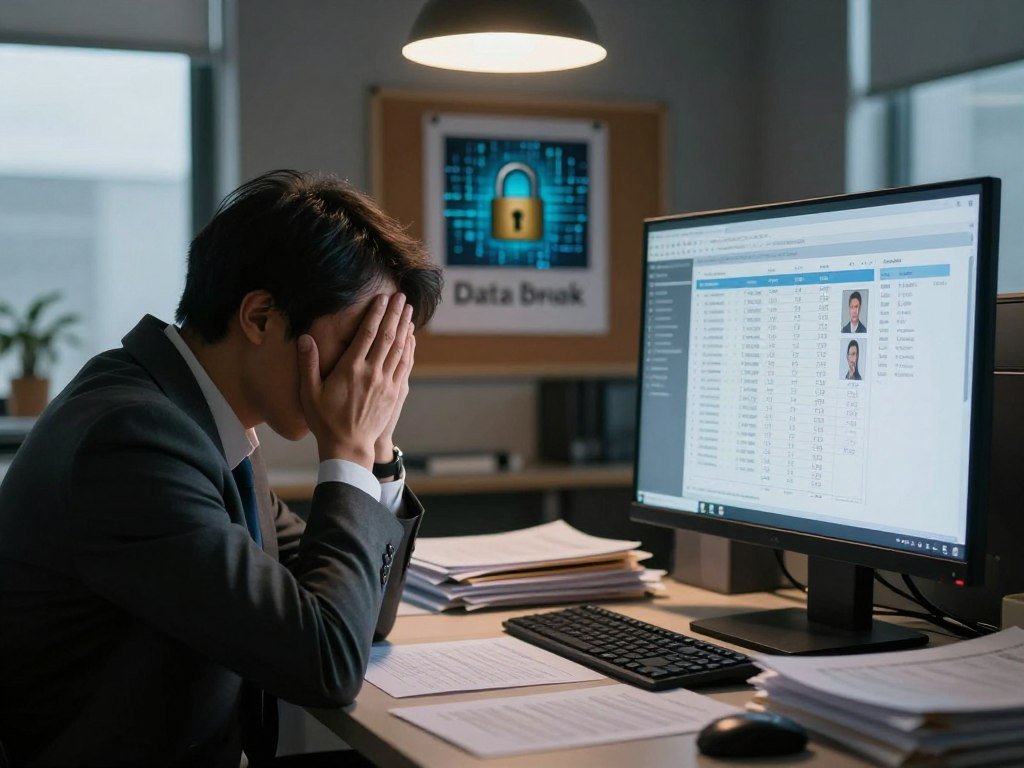
Names, home addresses, birth dates, and phone numbers can help identify a person. Paired with Social Security numbers, those details can make it easier for someone to apply for credit or pose as you. Social security numbers deserve special care because they are hard to replace and can be used to verify identity.
Email logins and passwords create a different risk. If exposed credentials still work, someone may gain access to that account or try the same password elsewhere. A notice about email information matters because email often helps users reset other passwords.
Health and financial records
Health information may include details about care, treatment, or insurance. Financial information can include bank account details, credit card numbers, and payment records. These categories do not always create the same risks, so the exact wording in the notice matters.
A notice might say that payment card data was exposed, or that bank account details were involved. Each can point to a different account or service to review. Health information can also be deeply personal, even when it cannot be used to make a direct payment.
Some records combine several kinds of identifiable information. A medical record, for example, may include a name, contact details, and details about care. Use the specific categories named in the notice to decide which accounts and records to review.
How Do Data Breaches Happen?
A breach can begin with a convincing message, a software weakness, a careless configuration, or a person who already has access. Deliberate attacks and mistakes can both expose sensitive information. The route matters because it can shape how an organization responds.
Common paths include phishing, malware, software flaws, insider misuse, accidents, and lost devices. A single incident may involve more than one path. Attackers may first trick a user, then use stolen credentials to reach systems that hold data.
Attacks that target people or systems
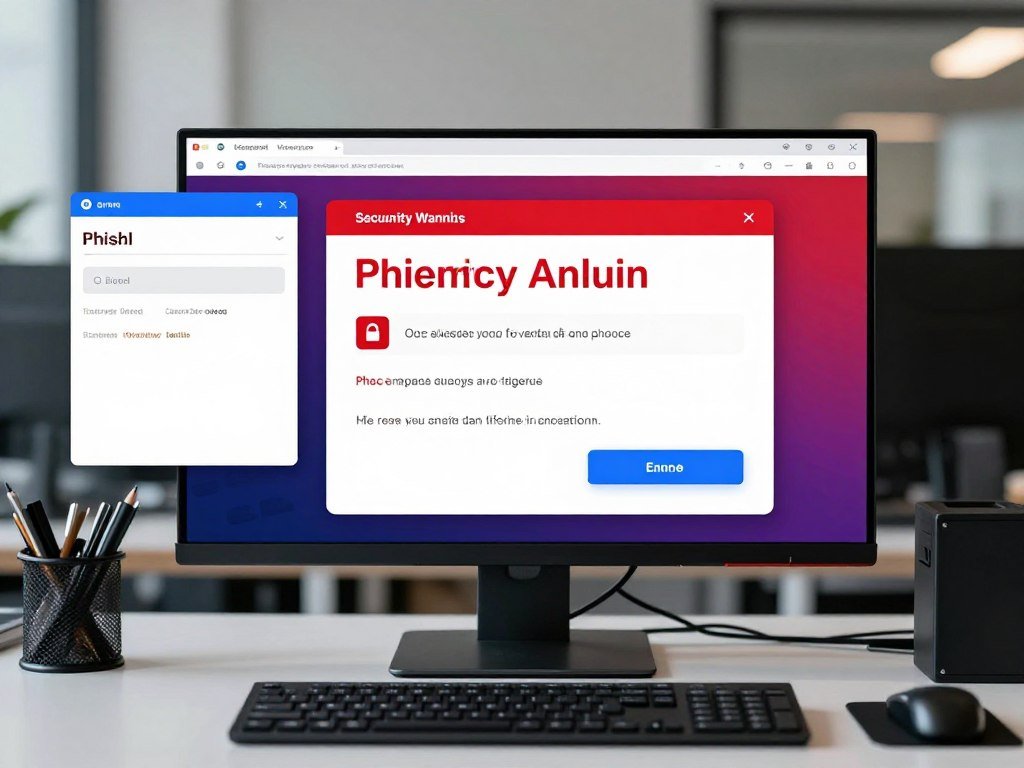
Phishing is a message or call designed to trick someone into sharing credentials or opening a harmful link. Social engineering uses trust, pressure, or a fake identity to persuade people to act. Attackers may send these messages by email, text, or workplace chat.
Malware is harmful software that can steal information, watch activity, or let an attacker control a device. It may arrive through an attachment or a link. In some cases, malware can then help an attacker gain access to a wider network.
A vulnerability is a flaw in software or a system. Attackers may exploit a flaw before a fix is installed, or use a zero-day attack against a weakness without an available patch. Denial-of-service and distributed denial-of-service attacks can disrupt services, though disruption alone does not always mean data was exposed.
The CISA phishing guidance explains how fake messages can steal credentials or deliver malware. Social engineering can target employees and individual users alike.
Errors, lost devices, and insider access
Accidental exposure can happen when a worker shares a file with the wrong people or leaves a database open to public access. Weak access controls can make private records visible to users who do not need them. These mistakes can expose information without an outside attack.
An insider may misuse access on purpose. Employees, contractors, or other people with system access may view or share information without permission. A device left unlocked can also give someone nearby a path to stored data.
| Breach path | How access or exposure happens | Example |
|---|---|---|
| Phishing | Fake message steals credentials | Login link sent by text |
| Malware | Harmful software collects data | Infected email attachment |
| Vulnerability exploit | Attacker uses a software flaw | Unpatched server weakness |
| Insider or accidental exposure | Authorized access is misused or misconfigured | Publicly shared private file |
| Lost device | Someone finds a device with stored data | Unencrypted work laptop |
A lost device is a serious exposure risk when its information is not protected by encryption or a strong device lock.
What Harm Can a Data Breach Cause?
The consequences range from one compromised login to a costly incident affecting millions of people. Personal harm can include identity misuse, money lost, and time spent fixing accounts. Organizations may face recovery costs and interrupted work.
Exposure can create real risk, but affected-person totals do not prove that every person faced fraud. The Identity Theft Resource Center counted 3,322 U.S. data compromises in 2025, a record high and a 79% increase over five years. In the first half of 2026, financial services had 387 reported compromises and healthcare had 281.

Personal and financial consequences
Someone who gains access to exposed credentials may enter an account, change its settings, or use it to target other users. Stolen financial information can lead to suspicious charges or attempts to move money. Even without proven loss, you may spend time contacting banks and replacing cards.
Health information can also affect a person’s privacy and trust. The Change Healthcare ransomware attack affected an estimated 192.7 million individuals in 2024. More than 62 million Americans had protected health information compromised in the Conduent Business Services breach in 2025. Those estimates describe affected people, not confirmed cases of fraud.
These events can disrupt access to services and make people less willing to trust an organization with their data. The Identity Theft Resource Center counted 3,322 U.S. data compromises in 2025, while its first-half 2026 report counted 471.2 million victim notices. A notice count is not a count of unique people.
Costs and disruption for organizations
Organizations may need to investigate systems, restore data, contact affected customers, and support people seeking help. A breach can interrupt normal work or make key services unavailable. Legal exposure and lost customer confidence can add to the strain.
IBM’s 2025 report put the average U.S. data-breach cost at $10.22 million, 9% higher year over year. The global average was $4.44 million. Healthcare was the costliest sector in that report, with an average breach cost of $7.42 million.
| Measure | Figure | What it represents |
|---|---|---|
| U.S. average breach cost | $10.22 million in 2025 | Average cost of a U.S. breach |
| Global average breach cost | $4.44 million in 2025 | Average cost worldwide |
| Healthcare-sector average breach cost | $7.42 million in 2025 | Average cost in healthcare |
As of October 15, 2026, 772 healthcare data breaches affecting 500 or more individuals had been reported to the HHS Office for Civil Rights for 2026. An exposure affecting health or financial records deserves prompt attention even when misuse has not yet been confirmed.
How Can You Check Whether Your Information Was Exposed?
Start by checking whether the message came from the organization named in it, using contact information you already trust. A trusted route means a phone number, website, or app you used before receiving the message. Do not rely on contact details inside an unexpected email or text.
Check the account directly, and treat sudden requests for passwords as suspicious. Type the organization’s known web address yourself or use its official app. Look for an alert in the account and compare it with the notice.
Large notice totals can be hard to read. The Identity Theft Resource Center counted 471.2 million victim notices in the United States in the first half of 2026, compared with about 297.5 million notices for all of 2025. The Instructure Canvas incident accounted for an estimated 275 million notices, or 58% of the first-half total.
Those numbers describe notices, not necessarily unique people. One person may receive more than one notice, and a large incident can affect many accounts. The National Public Data breach involved about 2.9 billion records claimed, including roughly 272 million unique Social Security numbers. The record total is heavily disputed and is not a count of people.
A notice may not explain how an attack happened. In the first half of 2026, 76% of breach notices omitted information about the attack vector. That missing detail does not tell you whether your account was affected, so focus on the named information and service.
Check the exact categories in the notice, then compare them with the account’s own security messages. If the organization confirms an incident, follow its stated directions. Never enter a password or Social Security number into a page reached through an unexpected message.
What Should You Do After a Breach Notice?
If the notice is credible, preserve it and confirm exactly which account and information it concerns. Start with the facts, not the message’s urgency. Use the organization’s official contact details to ask what happened and which steps it recommends.
Keep a record of the notice and act on suspicious activity through the affected institution. A clear record can help you explain the incident when you contact a bank, service provider, or government agency.
Verify the notice and identify the exposure
Save the original message, envelope, or letter, including its date and sender details. Confirm the affected account and data categories through a trusted official channel. Ask whether the organization recommends a specific action or offers support related to the incident.
Follow the organization’s stated next steps when they match the information involved. A notice about a payment card may call for a different response from one about an email login. Keep the message even after you finish checking your account.
Use this short checklist to keep the first steps manageable:
- Save the notice.
- Verify it through a trusted channel.
- Contact the affected institution if suspicious activity appears.
- Keep copies of relevant records.
Report suspected fraud and keep records
If a bank account or card shows activity you did not make, contact the bank or card provider using its official number. Ask how to secure the account and dispute the transaction. Keep copies of statements, messages, and case numbers.
Use IdentityTheft.gov’s recovery steps if someone has misused your identity. The site offers guidance based on the information exposed. You can also contact the relevant bank, card issuer, insurer, or government agency about the affected account.
The FBI Internet Crime Complaint Center (IC3) accepts detailed complaints about cyber-enabled schemes. IC3 may analyze complaints and refer them to federal, state, local, or international law enforcement and partner agencies. A report does not replace contacting the institution that holds the affected account.
Keep a dated record of each institution you contact and the steps it tells you to take.
How Can You Protect Accounts and Limit Identity Theft?
A password exposed in one incident is especially risky if you reused it on another account. Change the exposed password and any matching passwords elsewhere. Unique logins make it harder for stolen credentials to open several accounts.
CISA recommends passwords of at least 16 characters, or passphrases made from 5-7 unrelated words. A password manager can create and store long, random passwords. Avoid making small changes to one password for different sites.
Strengthen logins and account recovery
Turn on multifactor authentication, or MFA, wherever it is available. MFA asks for another proof of identity beyond a password. CISA recommends MFA for email, financial, social-media, online-store, gaming, and streaming accounts.
Secure the email account used for password recovery. If someone controls that inbox, they may be able to reset passwords for other services. Use a strong, unique password and MFA on the recovery email account too.
Where available, choose FIDO/WebAuthn, which CISA identifies as the only widely available phishing-resistant authentication. If that option is not available, use number matching when your service offers it. These checks can make fake login pages harder to use against you.
CISA’s password advice also recommends using a password manager to help create and store unique logins. Review account recovery details so old phone numbers or email addresses do not remain on file.
Use credit and identity monitoring carefully
A credit freeze is free through each of the three nationwide credit bureaus: Equifax, Experian, and TransUnion. A freeze can make it harder for someone to open a new credit account in your name. You can place a freeze with each bureau separately.
Monitoring services may check credit reports and scores, bank accounts, credit cards, investment accounts, payday loans, and 401(k) takeovers. Some also watch tax returns, dark-web listings, criminal records, and address-change requests. Choose monitoring based on the type of information involved and the accounts you use.
Identity-theft protection services may include insurance with reimbursement limits up to $1 million, though terms differ by service. Check what losses qualify, what proof you must provide, and whether the policy excludes certain events.
- Use unique passwords for each account.
- Enable MFA on important accounts.
- Secure the email used for account recovery.
- Place credit freezes with all three bureaus.
- Monitor exposed accounts and identity activity.
Read the policy’s exclusions and reimbursement terms before relying on identity-theft insurance.
What Do U.S. Breach Notification Laws Require?
The notice deadline and reporting duties depend on the state law that applies to the organization and the affected information. State rules differ, so one notice deadline does not fit every U.S. breach. Some laws require organizations to contact affected people and state agencies.
As of January 1, 2026, 20 states set numeric consumer-notice deadlines of 30-60 days. Thirty-one states used terms such as “without unreasonable delay.” Rules may also differ on which records count and which agencies receive reports.
Who may have to receive notice
State laws can require an organization to notify consumers whose information was exposed. They may also require reports to an attorney general or another state agency. The organization’s duties depend on the law that applies to the incident.
As of January 1, 2026, 36 states required entities to report breaches to an attorney general or another state agency. Twenty-one states made state-agency breach-report data available through searchable online portals. Those reports can help people see how agencies track incidents.
Why the state and data type matter
States set different deadlines, reporting rules, and remedies. As of January 1, 2026, 22 states explicitly covered biometric identifiers, 24 covered medical or health data, and nine covered breaches of paper records.
Some states provide a private right of action for certain notification violations. Others require free credit monitoring for affected consumers. These rules do not mean every breach triggers the same service or legal claim.
| Requirement | Number of states as of January 1, 2026 | What the figure describes |
|---|---|---|
| Numeric consumer deadlines | 20 states | Deadlines of 30-60 days |
| Agency reporting | 36 states | Report to an attorney general or another state agency |
| Searchable portals | 21 states | Public online breach-report data |
| Private rights of action | 24 states | Right to bring certain legal claims |
| Free credit monitoring | 6 states | Free monitoring required for affected consumers |
Read a notice carefully, but do not assume its deadline or coverage matches another state’s rules. A legal question about a specific notice may need help from an authority or lawyer familiar with the relevant state law. For a question about a specific notice or legal right, check the relevant state authority or speak with a lawyer.
How Can People and Organizations Prevent Another Breach?
Prevention works best as a set of habits and controls rather than a single security tool. Small steps matter, but no approach can guarantee that a breach will never happen. People and organizations can still reduce risk and limit the damage from an incident.
Keeping software current and limiting access can close common paths to exposed information. Individuals should be cautious with unexpected messages and keep devices and software updated. Organizations need plans that work during real service interruptions.
Everyday practices for individuals
Pause before opening unexpected links or attachments, especially when a message demands quick action. Check whether the sender and request make sense. Keep phones, computers, browsers, and apps current so known vulnerabilities receive fixes.
Take care when entering personal information into online tools. For work, use systems approved by your organization for sensitive business information. Do not upload PII to public AI tools unless your organization has approved that use. The guide to AI for data analysis covers safe handling of sensitive business information in those tools.
Controls and preparation for organizations
Organizations can limit access to sensitive information so employees only see what their jobs require. Training can help employees spot social engineering and report unusual activity. Clear access controls also make it easier to remove access when someone changes roles.
Secure backups give an organization another way to restore systems after data loss. Teams should test those backups, not just assume they will work. A tested incident-response plan can help staff decide who leads, who communicates, and how essential work continues.
Operational technology, which controls physical equipment and processes, needs care too. Applicable MFA for remote access, a firewall or VPN in front of a programmable logic controller (PLC), strong backups, and current manufacturer software can help protect these systems.
- Patch software.
- Restrict access to sensitive information.
- Train employees.
- Maintain and test backups.
- Rehearse incident response.
Organizations should test their recovery plan before an incident, not wait until essential systems are unavailable.
Conclusion
A possible exposure is a reason to act carefully, not to assume the worst. A notice does not prove that someone has used your personal information. Still, a credible message deserves your attention, especially when it names financial or health records.
Small, focused steps can help you understand what happened and protect the accounts involved. You do not need to solve every risk at once. Start with the notice and confirm its details through a trusted contact method.
Find the notice now and verify the affected information through the organization’s official contact details.
FAQ
Does a data breach mean someone stole my identity?
No, a data breach does not mean someone stole your identity. Exposure means information may have been accessible to someone without permission. Identity theft requires evidence that someone used your information, such as an account you did not open or a transaction you did not make. Check account activity and keep records of anything suspicious.
Can I find out whether my Social Security number was exposed?
There is no single official public lookup that covers every breach. Check authentic notices from organizations that hold your information, then review your credit reports and account activity. A notice may name Social Security numbers as exposed, but large record totals do not always show how many people were affected. Keep checking for unusual activity.
Should I freeze my credit after a data breach?
A credit freeze is free with Equifax, Experian, and TransUnion. Consider placing one when Social Security numbers or other identity details were exposed, since a freeze can make it harder to open new credit in your name. You must contact each bureau separately. A freeze does not stop all forms of fraud, so keep watching your accounts.
How long after a breach can identity theft happen?
Identity misuse can happen well after an incident comes to light. Stolen information may be used later, so keep monitoring for as long as the organization recommends and continue checking for suspicious activity. Pay attention to account alerts and bills you do not recognize. If you find misuse, contact the affected provider and save the records.
Should I change every password after a data breach?
Change the exposed password and any reused versions, rather than changing every password without reason. Use unique passwords for your accounts so one stolen login cannot unlock others. Secure the email account used for account recovery, since it may help someone reset other passwords. A password manager can help you create and store long, distinct passwords.
How do I report identity theft or a cybercrime in the United States?
Use IdentityTheft.gov for identity-theft recovery and the FBI Internet Crime Complaint Center (IC3) for suspected cyber-enabled crime. Contact the bank, card issuer, or other account provider if you see suspicious activity. Preserve notices, transaction records, and messages related to the incident. IC3 complaints may be analyzed and referred to law enforcement or partner agencies.