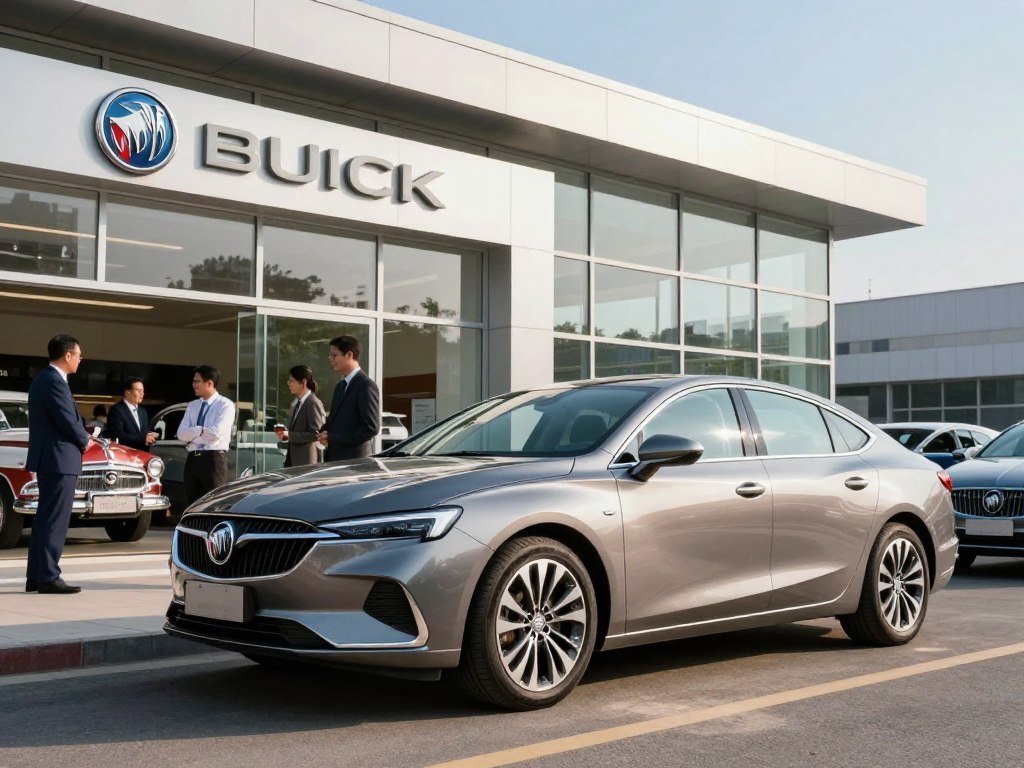
Buick is owned by General Motors, the automaker behind several familiar U.S. vehicle brands. An automotive division is a brand-level business unit within an automaker, marketed under its own name. If you are comparing a car or other vehicles, knowing who owns the brand can help you understand its place in the market.
The name has been part of American driving for a long time, and the company’s ownership has a history of its own. This overview explains how the brand joined its parent company and what that relationship means when you shop for a vehicle. It also covers model choices and details that can help you make a practical comparison.
Key Takeaways
- General Motors owns Buick.
- Buick cars and SUVs share the same parent company.
- The brand began in the United States in 1899.
- GM builds Buick vehicles at plants in more than one country.
- Model type, trim, price, and condition all matter when comparing vehicles.
- Reliability results describe expected performance, not the future of one car.
The short answer is simple, while the history behind that ownership explains how Buick became part of GM.
Who Owns Buick Today?
General Motors owns Buick, whether the vehicle is a car or an SUV. Buick is a division of the company, and the same parent applies across its models.
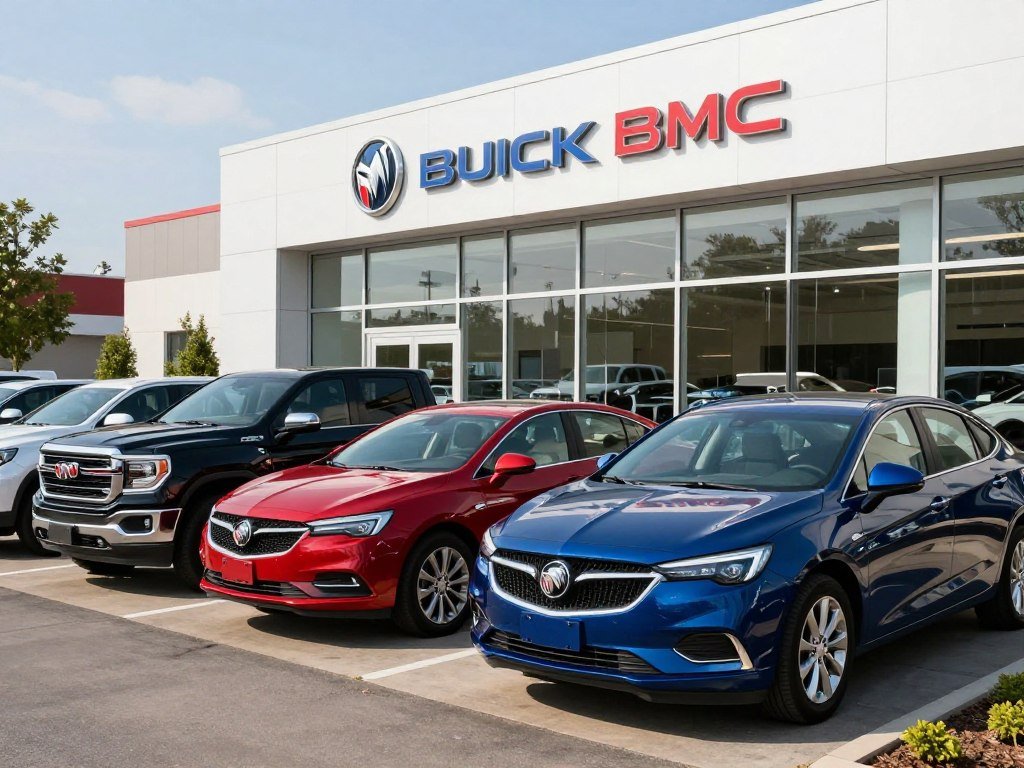
GM owns the brand, while a dealership is the local business that sells or services vehicles. GM lists four vehicle brands in its portfolio: Buick, Chevrolet, GMC, and Cadillac.
- Buick
- Chevrolet
- GMC
- Cadillac
A dealership may sell Buick vehicles, but the dealership does not own the Buick brand. Corporate ownership belongs to GM.
For a buyer, the distinction matters when comparing a car’s seller with the company responsible for the brand. A local store can operate as a Buick dealership or sell several GM brands together. Its name and ownership may differ from GM’s corporate structure.
GM’s official brand portfolio identifies Buick among its four vehicle brands. That corporate list gives a clear answer for both Buick cars and Buick SUVs.
The Buick GMC name often appears at dealerships, but it does not mean Buick and GMC are one brand. Each has its own name and models within GM. Buick’s owner is GM, not a separate Buick parent company.
How Did Buick Become Part of General Motors?
Buick began in the United States in 1899, before General Motors existed. David Dunbar Buick founded the company, and its early growth later helped shape GM’s start.
Buick Motor Company was reorganized under that name in May 1903. Its operations then moved from Detroit to Flint after a deal sealed on September 3, 1903.
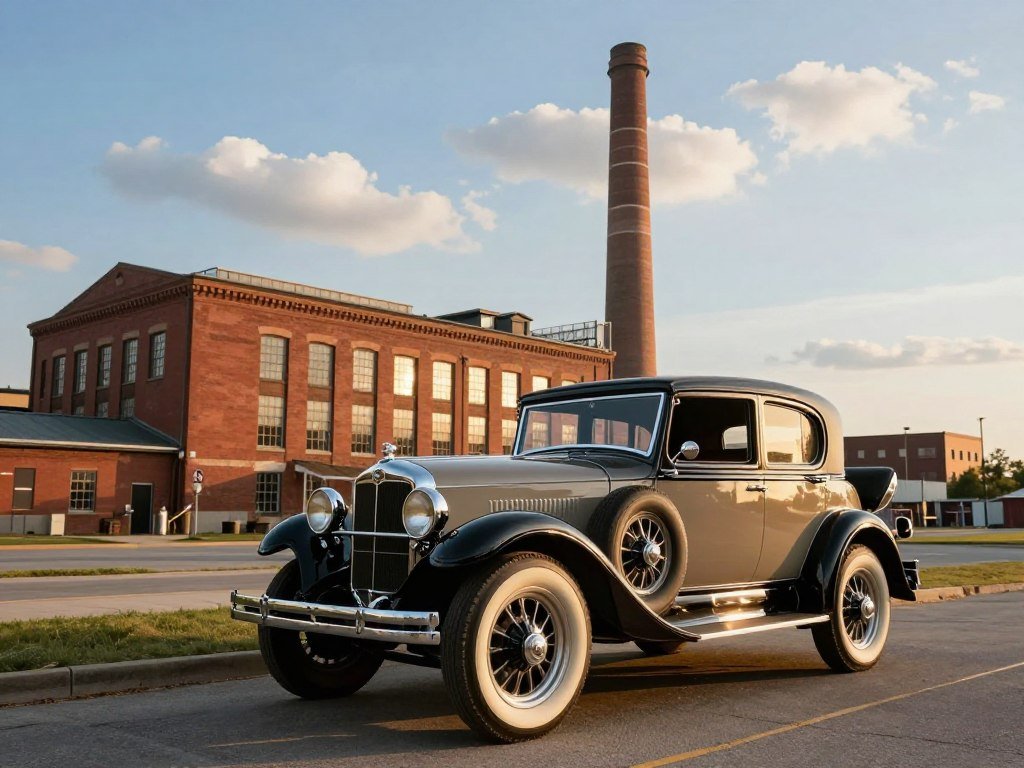
Buick’s early company years
Those first years brought changes in both company structure and location. The 1904 Buick Model B was the first Buick offered for sale. The sequence matters: Buick had begun as a company years before GM formed.
David Buick later lost control of the company he founded. William Durant became a controlling investor in Buick in 1904, and David Buick sold his company stock in 1906.
| Date | Event | Location |
|---|---|---|
| 1899 | Buick founded | United States |
| May 1903 | Buick Motor Company reorganized | Detroit |
| September 3, 1903 | Operations moved | Detroit to Flint |
| September 16, 1908 | GM founded by William Durant | Flint |
William Durant and the founding of GM
Durant founded GM in Flint, Michigan, on September 16, 1908. Buick’s position gave him a base for building a larger automobile company. This is the central link between the two company histories.
Buick is an American automobile brand, even though its vehicles are now made in several countries. Its history also outlasted some early U.S. carmakers. After Oldsmobile ended in 2004, Buick became the oldest surviving active U.S. automobile brand.
That status refers to an active brand with a continuous place in the U.S. auto industry, not to an unchanged company structure. Buick’s early growth gave William Durant the base from which he founded GM in Flint in 1908.
Where Are Buick Vehicles Built?
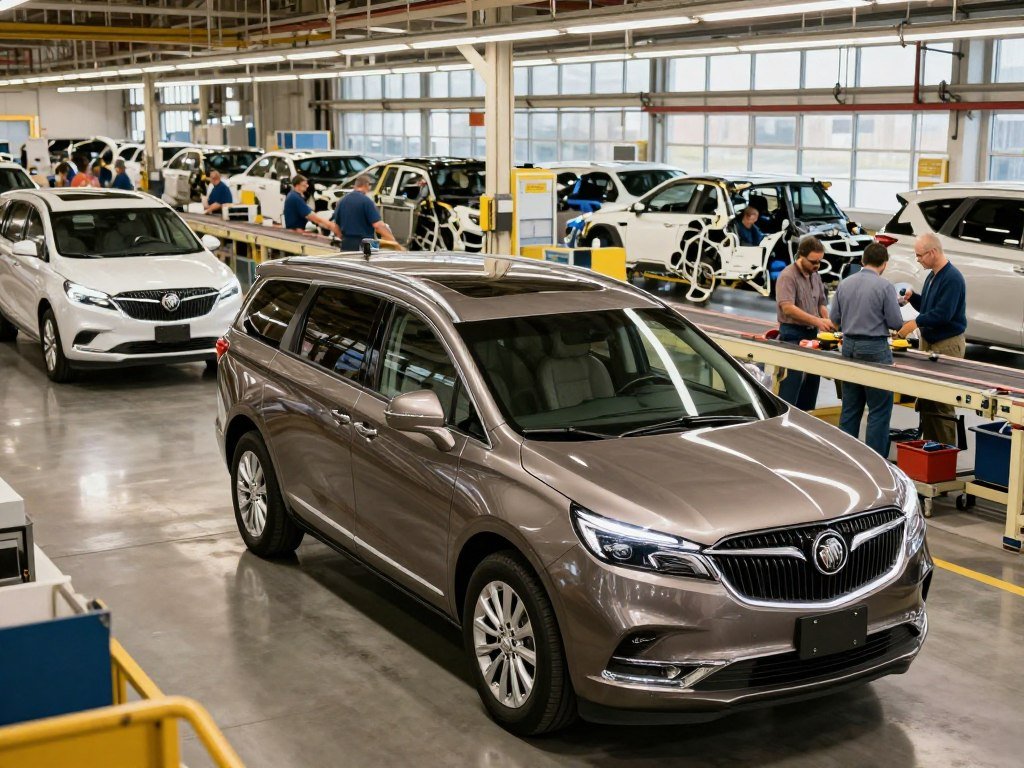
Buick vehicles are assembled in both Michigan and South Korea, depending on the model. Assembly plants build complete vehicles, and GM assigns different models to different locations.
GM’s Lansing Delta Township Assembly plant in Michigan builds the Buick Enclave. GM’s Bupyeong plant in South Korea builds the Buick Encore GX and Buick Envista.
| Plant | Location | Buick vehicles built |
|---|---|---|
| Lansing Delta Township Assembly | Michigan | Enclave |
| Bupyeong | South Korea | Encore GX and Envista |
Assembly location depends on the model, so the brand’s U.S. roots do not mean every vehicle is built in the United States. Production can involve several facilities, but only an assembly plant makes a complete vehicle.
A plant that makes engine components has a different role. Its output may go into a vehicle assembled elsewhere, so component production does not identify where the complete vehicle was built.
The plant name can be useful when you are checking a specific vehicle’s manufacturing details. Model assignments also help explain why two vehicles bearing the same brand name can come from different countries.
Check a specific vehicle’s assembly information by model rather than assuming every Buick is built in the United States.
Is Buick a Luxury Brand?
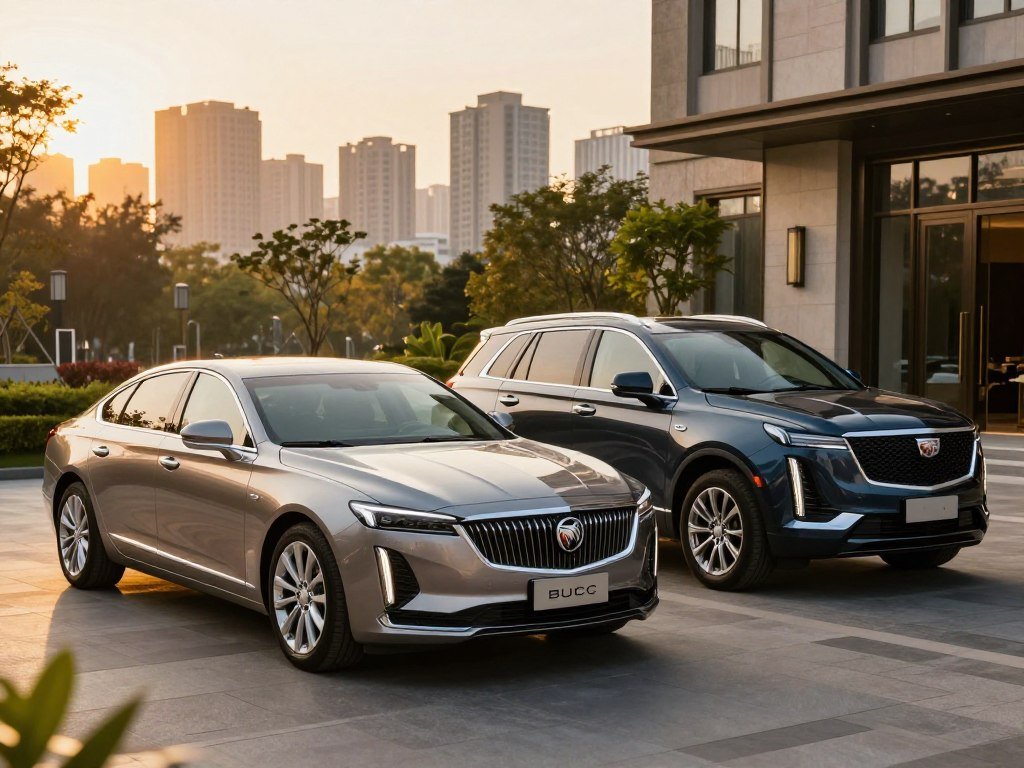
GM positions Buick as a premium brand above Chevrolet and below Cadillac. Premium brand positioning places Buick between mainstream and luxury vehicles in GM’s lineup.
Buick is premium, while Cadillac holds GM’s luxury position. The distinction describes the company’s brand structure, not a promise that every vehicle has the same features or price.
| GM brand | Portfolio position | Position relative to Buick |
|---|---|---|
| Chevrolet | Mainstream | Below Buick |
| Buick | Premium | Buick’s position |
| Cadillac | Luxury | Above Buick |
That placement gives shoppers a simple way to understand Buick’s role across GM. It does not make every Buick a luxury vehicle, nor does it mean every Cadillac has the same equipment.
Dealers often sell Buick alongside GMC vehicles at multi-brand locations. The two names may share a building, staff, or service area, but dealership co-location does not make Buick and GMC the same brand.
When you compare vehicles, look at the specific model and trim rather than relying only on a broad label. Features and cabin details can differ within a brand’s own lineup.
Buick’s place in GM’s lineup is premium, not the same as Cadillac’s luxury position.
Which Buick Models Should Shoppers Compare?
Buick shoppers can compare four different SUV and crossover options by size, features, and intended use. Body style is a useful first filter when you need to narrow the Buick lineup.
The Buick Envision is a compact SUV, while the Buick Envista is a compact crossover. The Buick Enclave is an SUV, and the Buick Encore GX is a compact crossover.
Buick Envision and Envista
The Envision is the compact SUV in this pair. The Envista is a compact crossover, giving it a different shape and role in the lineup. If you are considering a Buick Envista, start with its compact crossover design and compare its features with your daily needs.
The two vehicles should not be treated as interchangeable simply because both serve shoppers looking for a smaller vehicle. Cabin space, cargo room, and trim equipment can shape which one fits better.
Buick Enclave and Encore GX
The Enclave is an SUV, while the Encore GX is a compact crossover. A shopper comparing a Buick Enclave should account for its SUV body style, while a compact crossover buyer may prefer the Encore GX.
These model descriptions identify broad vehicle types, not a perfect match for every driver. Think about how often you carry passengers, what you load, and where you drive before picking a trim.
Compare the job each vehicle must do before weighing features that matter less in daily use. This keeps a long equipment list from hiding a basic mismatch in space or vehicle type.
- Passenger and cargo needs
- Trim features
- Available drivetrain
- The kind of driving the vehicle will do
Check the details for the exact trim you are considering, since equipment can change within a model. Start with the body style and space you need, then compare trims within the models that fit.
How Much Do 2026 Buick Models Cost?
The 2026 Envision Preferred starts at $41,300, while the 2026 Envista is shown at $28,295. Those price labels differ, so they should not be treated as the same kind of quote.
The 2026 Envision Preferred starting MSRP is $41,300. The 2026 Buick Envista is shown at $28,295, a separate listed price description.
The Envision figure is a starting MSRP, while the Envista figure is shown at $28,295. Neither number sets the price for every trim or vehicle configuration.
A trim can change which features come with the vehicle. Configuration can also affect the exact vehicle you choose, so a model-level figure is not a final amount for every buyer.
When comparing listings, keep the model year and trim beside the price. That simple habit helps you avoid comparing a starting figure for one version with a listing for another version.
The two figures give a useful starting point for these specific vehicles, but they do not describe all Buick models. Compare the exact trim and configuration before treating a listed model price as your final vehicle price.
Is Buick a Reliable Car Brand?
Buick ranked eighth overall in Consumer Reports’ 2026 predicted-reliability rankings. The model results differ, so one brand rank does not tell you what to expect from every Buick.
Consumer Reports lists Buick’s Envision at 61, the Encore GX at 60, the Envista at 50, and the redesigned Enclave at 33. Buick’s brand profile also places it eighth in new-car reliability for 2026.
Buick’s overall predicted-reliability position
The eighth-place ranking is a brand-level result, not a promise about one vehicle’s future condition. A predicted-reliability score estimates performance across vehicles, but an individual car can differ.
Consumer Reports’ Buick reliability profile reports the 2026 brand rank. The scores help separate the models from one another, rather than treating all Buick vehicles as equal.
How the four model scores differ
The Envision and Encore GX have the two highest scores among these four listed models. The Envista’s score is lower, and the redesigned Enclave’s score is lower than the other three.
A redesign can make past results less useful for judging a newer version. The score still gives you a comparison point, but it cannot predict the condition of a particular car years later.
For a used vehicle, the model result is only one piece of the picture. Use the model-specific result alongside the vehicle’s year, service history, and inspection when assessing a used Buick.
Why Is Buick Less Popular in the United States?
Buick sold 198,155 vehicles in the United States in 2025, representing 1.22% of the U.S. market. That share describes the brand’s slice of total market sales.
The 2025 Buick U.S. sales total was 198,155 vehicles, and Buick’s share was 1.22%. The figure gives a concrete measure of the brand’s sales scale in that year.
Buick’s 2025 U.S. sales snapshot
A 1.22% market share measures Buick’s portion of U.S. sales, not the reason any buyer chose a vehicle. It can show how large the brand is in the market, but it does not explain personal decisions.
Shoppers compare vehicles for different reasons. One driver may focus on size, while another weighs features, price, driving needs, or a preferred brand.
What market share can and cannot tell you
The sales total and market share give readers a useful way to place Buick’s scale beside the full U.S. vehicle market. They do not reveal whether a buyer was choosing between Buick and another specific brand.
For an individual shopper, the useful comparison is still the vehicle that fits daily needs. A national sales figure cannot tell you which model is right for your commute, passengers, or budget.
Treat market share as a measure of sales scale, not as proof that every driver views the brand the same way.
Who Makes Buick Engines and Engine Components?
GM builds engine components for Buick vehicles at its Bay City plant in Michigan. Components are parts, and making them is different from assembling a complete engine.
The Bay City plant builds engine components used in Buick vehicles; that fact does not mean it assembles every complete engine. A vehicle’s engine details can vary by model and version.
For a specific vehicle, check the details tied to that car instead of assuming every Buick uses the same engine. Three records can help you confirm what is in a particular vehicle:
- Use the VIN.
- Consult the owner’s manual.
- Review service records.
The VIN identifies the vehicle, while the manual explains the information supplied for its model. Service records can show work done during the vehicle’s time with earlier owners.
These checks are useful when you are buying a used car or reviewing its maintenance. Engine information belongs to the specific vehicle, not just the brand name on its exterior.
For a particular car, verify engine details against its VIN and service records rather than assuming every Buick uses the same engine.
Which Historic Buick Models Are Worth Knowing?
Buick’s history includes familiar nameplates such as the Roadmaster, Special, Super, Riviera, LeSabre, and Regal. These historic models show how the company’s names changed across different years.
The Buick LeSabre debuted in 1959 alongside the Electra and Invicta. The Buick Special later earned a major award, while the Riviera became its own model.
| Model | Milestone | Year |
|---|---|---|
| Buick Special | Named Motor Trend Car of the Year | 1962 |
| Buick Riviera | Became its own model | 1963 |
| Buick LeSabre | Debuted alongside Electra and Invicta | 1959 |
Historic nameplates mark different moments in Buick’s past, but they are not the same as today’s models. Their names can help you place a vehicle in the brand’s history before you compare its year and condition.
The Special’s 1962 award and the Riviera’s 1963 model status are distinct milestones. The LeSabre’s 1959 debut came with two other Buick nameplates, giving it a place in a broader lineup from its start.
Three other historic names are worth knowing:
- Buick Roadmaster
- Buick Super
- Buick Regal
A familiar nameplate can connect a car to Buick’s past, but the model year and condition matter more when you assess a specific vehicle.
Older cars with the same name can differ in design, equipment, and care. A historic nameplate shows Buick’s past, but shoppers should assess a vehicle by its specific model year and condition.
Conclusion
Buick belongs to General Motors, while its own name and model history remain distinct within the company. That relationship helps explain the brand, but a model’s details matter more when you are choosing a vehicle.
Start with the kind of car or SUV that fits your daily needs. Compare its trim and price, then review the vehicle’s history if you are considering a used model.
Choose a Buick model to compare and check its exact trim and vehicle history before making a decision.
FAQ
What car is the poor man’s Cadillac?
Buick is sometimes called the “poor man’s Cadillac,” but that phrase is informal, not an official GM class. GM positions Buick above Chevrolet and below Cadillac. The wording reflects Buick’s place between mainstream and luxury brands, but it can oversimplify differences in features, price, and vehicle type. Compare the specific models instead of relying on the nickname.
Is Buick a reliable car brand?
Buick ranked eighth overall in Consumer Reports’ 2026 predicted-reliability rankings. That brand result does not mean every model has the same score or that each car will avoid problems. The Envision, Encore GX, Envista, and redesigned Enclave had different results. A particular vehicle’s condition depends on its use and care, so the brand ranking cannot replace an inspection.
Who founded Buick?
David Dunbar Buick founded the company in the United States in 1899. The business later changed hands, and William Durant became a controlling investor in 1904. Buick’s early growth helped Durant build the foundation for GM, which he founded in Flint, Michigan, in 1908. Buick’s origin predates GM by several years.
Why is Buick not popular in America?
Buick held 1.22% of the U.S. vehicle market in 2025. That number measures the brand’s share of sales, but it does not show why any one buyer chose a different vehicle. Shoppers weigh needs such as passenger space, price, features, and vehicle type. A market share figure describes sales scale, not each driver’s view of the brand.
Who makes Buick engines?
GM builds engine components used in Buick vehicles at its Bay City plant in Michigan. That does not mean the plant assembles every complete engine. Engine details can differ by model and version, so check the specific vehicle’s VIN, owner’s manual, and service records. Those details matter most when you are buying a used Buick or reviewing its past maintenance.
What is the most common problem with the Buick?
There is no single problem that applies to every Buick model and year. A concern reported for one vehicle may not fit another, especially when the model or its design changed. For a specific car, review its service records, check recalls, and assess its current condition. A mechanic’s inspection can help find issues that a brand-wide label would miss.
Do Buicks last as long as Toyotas?
No fixed lifespan applies to every Buick or Toyota, so equal vehicle life cannot be promised. Maintenance, driving use, and the condition of each vehicle all affect how long it remains dependable. Predicted-reliability scores compare expected performance, not the number of years a car will last. For a used vehicle, service records and a careful inspection offer more useful details.
Why are dealers dropping Buick?
A dealership’s decision is local and does not change Buick’s ownership by GM. Dealers can make business choices based on their own situation, but one store’s decision does not establish a nationwide pattern or a single cause. If a nearby dealer stops selling the brand, another location may still serve Buick customers. The brand remains a GM division regardless of one dealer’s choices.



