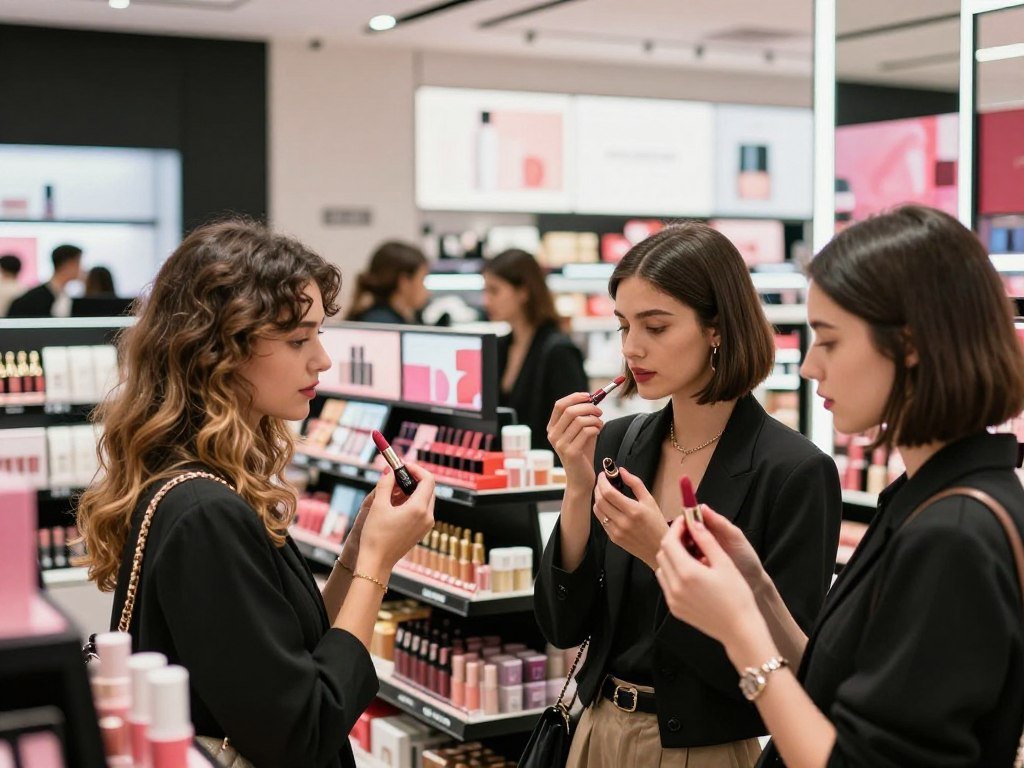
Sephora is owned by LVMH Moët Hennessy Louis Vuitton, a French luxury-goods group. If you shop for beauty products, the parent group can help explain how the retailer fits into the wider beauty industry. The store experience, though, comes from the retail business and its teams.
This guide explains the parent group’s relationship to the retailer and what customers may notice in stores and online. It also separates corporate ownership from the beauty community built around trying products, sharing advice, and finding new brands. Assisted self-service is a retail approach that lets customers browse and try products themselves while beauty advisors remain available to help.
Key Takeaways
- LVMH owns the retailer and is based in France.
- Its U.S. business follows the same global ownership structure.
- Sephora North America is a regional business within the retailer.
- Sephora Collection is the retailer’s own-brand line.
- Store services and events can differ by market.
- Keep the parent group and the beauty retailer distinct when comparing ownership with the shopping experience.
Who Owns Sephora Company?
LVMH’s 1997 acquisition made Sephora part of a French luxury group, not a separately owned U.S. retailer. The parent is French, and its name stands for Moët Hennessy Louis Vuitton.
The U.S. business belongs to the same global ownership structure as the retailer elsewhere. LVMH is controlled by the Arnault family and led by Bernard Arnault. Its global business includes luxury brands across several fields.
Louis Vuitton is part of the parent group’s name, but it is not Sephora’s direct owner.
That distinction helps explain the business relationship: LVMH owns the retailer, while Louis Vuitton is one part of the group’s name. People sometimes write “Louis Vuitton Moet” or “Vuitton Moet,” but those word orders do not name a separate company that owns the retailer.
So, is Sephora owned by Louis Vuitton? No. Louis Vuitton is a brand within LVMH, while Sephora is another business in the group. The company has not shifted to a separate U.S. owner; its American operations remain within the global business.
For a quick ownership check, look for LVMH as the parent group rather than treating Louis Vuitton as Sephora’s standalone owner.
How Sephora Fits Inside the LVMH Group
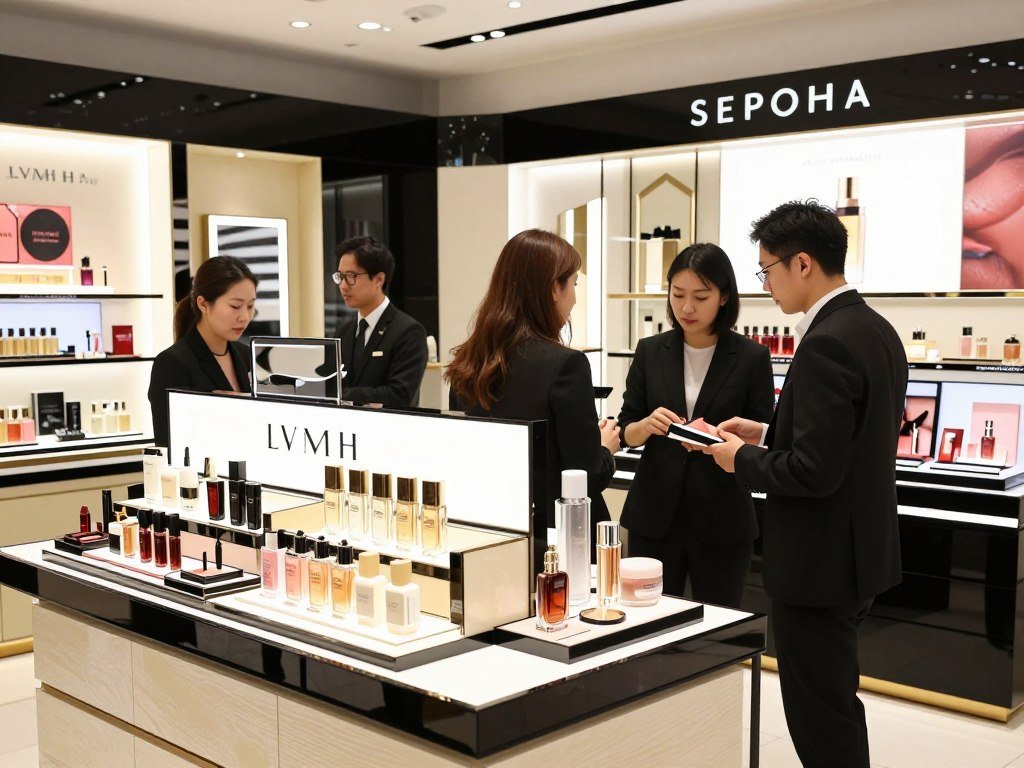
Sephora sits in LVMH’s Selective Retailing group, not in a company owned by Mukesh Ambani. It is a subsidiary, rather than a standalone public retailer.
LVMH is the parent group; Sephora is the operating beauty retailer. Sephora North America is the regional business for North American operations. This structure keeps the global retail brand distinct from its regional business.
| Entity | Position in the structure | Scope |
|---|---|---|
| LVMH | Parent group | Group level |
| Sephora | Operating beauty retailer | Global business |
| Sephora North America | Regional business | North American operations |
The table also answers questions about a possible partnership or ownership link to Reliance Industries: neither Mukesh Ambani nor Reliance Industries owns the retailer. Those names refer to a different business group and do not change Sephora’s place in LVMH’s worldwide structure.
For customers around the world, the distinction matters because the store or site may serve a region while still carrying the global retail identity. The useful distinction is that LVMH is the parent group while Sephora is the retail business customers encounter.
Who Leads Sephora Globally and in North America?
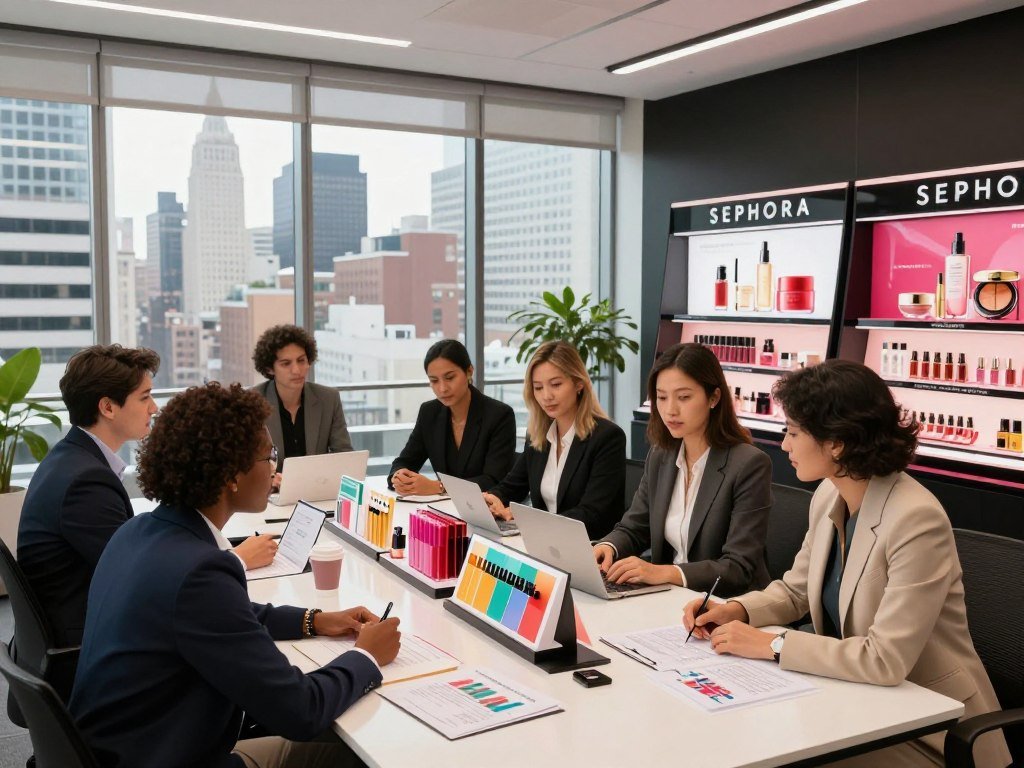
Guillaume Motte leads Sephora globally, while Artemis Patrick leads Sephora North America. The roles differ by scope: one covers the global company, and the other covers its North American regional business.
A CEO manages a business but does not automatically own it. LVMH remains the parent group, while these leaders oversee company operations. Patrick became the North American president and CEO after Jean-André Rougeot’s retirement.
Retail Dive’s coverage of the leadership change describes Patrick’s appointment and Rougeot’s transition. These roles can change over the years, so note whether a title refers to Sephora globally or to the regional company.
Selena Gomez does not own Sephora. Celebrity beauty brands and beauty retailers can operate as separate companies, even when both sell prestige products. A manager’s title, celebrity profile, or public role does not establish ownership.
Artemis Patrick’s North American CEO role applies to the regional operation, not the entire global business. Check whether a leadership title applies to the global company or only to a regional operation.

How Sephora Began in France
Sephora’s story starts in 1969, when Dominique Mandonnaud founded the business in Limoges, France. His retail idea gave customers more freedom to explore beauty products before buying.
Dominique Mandonnaud’s Open-Shop Idea
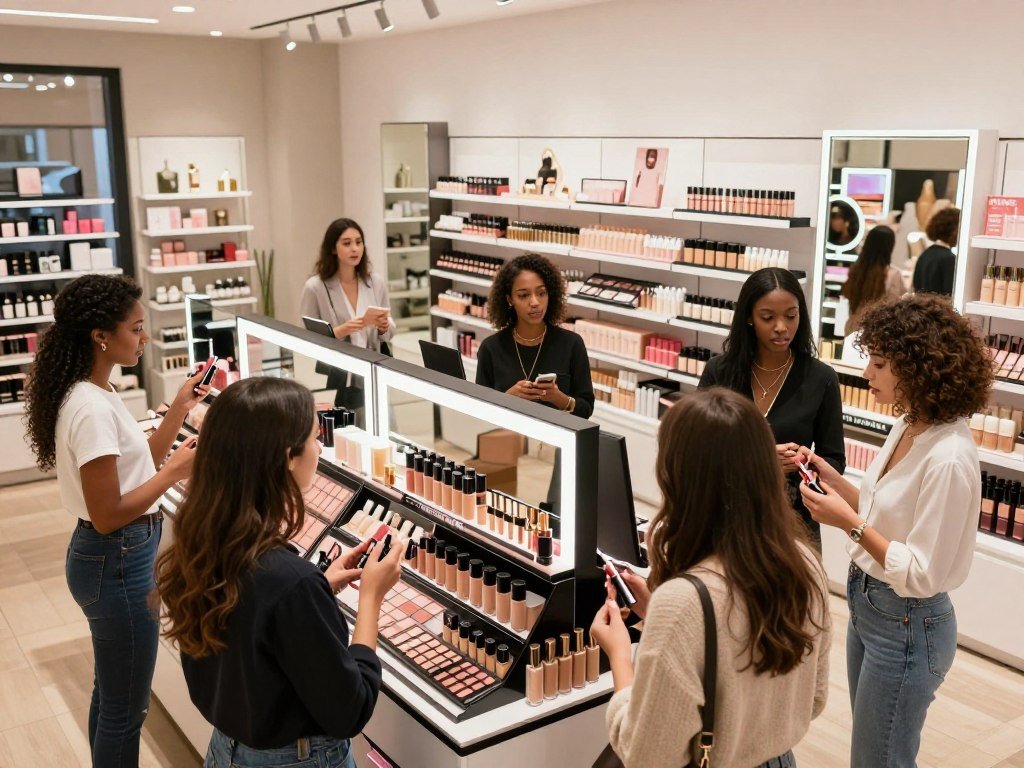
Mandonnaud used an open layout that encouraged customers to browse and test products instead of asking staff to fetch each item. Assisted self-service lets customers browse and try products themselves while beauty advisors remain available to help.
The approach made product testing part of the store experience. You could take time with a fragrance or makeup item, then ask an advisor for help. That model set the business apart from more traditional counters where staff controlled much of the shopping process.
How Sephora Got Its Name
The current brand name launched in 1995. Séphora is the French form of Zipporah, the biblical wife of Moses. The name gave the business a distinct identity as it grew beyond its original place in France.
Mandonnaud’s path to that name included a change in ownership and a merger. He acquired Sephora in 1993 and joined it with his own fragrance chain. The dates show how the founder built the retail business over time:
- 1969: Dominique Mandonnaud founded the business in Limoges.
- 1993: Mandonnaud acquired Sephora and merged it with his fragrance chain.
- 1995: The current brand name launched.
The original try-before-buy approach helps explain why hands-on discovery remains central to Sephora’s retail identity.
What Sephora Sells and What It Is Famous For
Sephora is known for bringing a wide range of beauty brands together with its own Sephora Collection line. The mix spans prestige names and products sold under the retailer’s own label.
A Curated Mix of Beauty Brands
The retailer offers close to 500 brands, giving customers a broad choice across familiar names and newer labels. Sephora Collection sits alongside those outside brands, rather than replacing them.
Its main categories cover several parts of a daily beauty routine:
- Fragrance
- Makeup
- Skincare
- Haircare
That broad selection and the chance to test items in stores help explain what the beauty retailer is famous for. A customer can compare textures, shades, scents, and brands in one place, then choose products that fit their needs.
Sephora Collection’s Cream Lip Stain
Cream Lip Stain is Sephora Collection’s best seller. The lipstick launched in 2011 and comes in 45 shades, giving shoppers many color options within one product line.
That ranking applies to the own-brand line, not to the entire retailer’s assortment. Sephora carries many outside brands, and a top-selling product in one label does not prove that label leads all sales across the store.
Treat the Cream Lip Stain’s best-seller status as specific to Sephora Collection, not as a ranking of every brand Sephora carries.
How Sephora’s Global Network Shapes the Shopping Experience
Sephora’s network spans more than 3,000 stores across 35 markets, supported by a large team of beauty advisors. That scale connects in-person service with online shopping in many parts of the world.
Stores, Flagships, and Digital Shopping
More than 39,000 beauty advisors work among 52,000 employees. In stores, advisors can help you test products or compare options. Flagships add services and special launches, while e-commerce and digital platforms offer personalized experiences across customer touchpoints.
| Touchpoint | Example | Shopping feature |
|---|---|---|
| Sephora store | Open-layout retail location | Customers can explore and try products |
| Champs-Élysées flagship | Opened in 1996 and later renovated | Beauty services and exclusive launches |
| E-commerce and digital platforms | Online and digital shopping | Personalized experiences across customer touchpoints |
Events and Community Programs
SEPHORiA is an in-person beauty event that began in Los Angeles in 2018. It has also taken place in New York City, Paris, and Shanghai, giving the beauty community a shared space to meet and explore.
Classes for Confidence launched in 2015 and offers free, hands-on beauty classes in 22 markets. Sephora runs the program with local NGOs, giving participants practical support through an event built around learning.
Each market may offer different services and events, depending on local stores and programs. Check the local Sephora site for the services and events available in your market.
What Sephora’s Sustainability and Boycott Questions Involve
The 2024 boycott calls followed claims about Sephora’s political donations, which the company denied making as corporate contributions. The debate involved both environmental concerns and political giving linked to people connected with LVMH.
The Commons rates Sephora’s sustainability “Insufficient.” Its concerns include overconsumption, limited disclosure about Sephora Collection’s supply chain, and packaging made mainly from virgin or undisclosed plastic.
The Commons’ sustainability rating reflects those stated concerns, not a finding about every Sephora product. Packaging and supply-chain disclosure raise questions about the business as a whole, while individual products can differ.
Corporate political donations and personal donations are separate kinds of giving.
Social media posts in 2024 called for a boycott after alleging Sephora gave to Donald Trump’s campaign. The company said it makes no corporate donations to political candidates. Election records showed these separate details:
- Sephora said it does not make corporate donations to political candidates.
- Individuals associated with LVMH gave $318 to Donald Trump’s campaign and more than $35,000 to Kamala Harris’s campaign during the 2024 election cycle.
- OpenSecrets’ analysis found LVMH did not contribute to campaigns through PACs in 2024.
- Former North American CEO Jean-André Rougeot gave only to Democratic campaigns; the North American CEO at the time had no political donations in 2024 election records.
Separate a company’s stated donation policy from the political giving recorded for individuals associated with its parent group.
Conclusion
LVMH is the parent group behind Sephora, while Sephora is the beauty retailer customers shop with. That difference separates corporate ownership from the products and service you experience in stores or online.
The retailer’s broad range can make it easy to compare beauty products, but local services and brand availability can vary. Use Sephora’s local store or website to confirm the experience and services available where you live.
FAQ
Who is the daughter of the owner of Sephora?
Delphine Arnault is Bernard Arnault’s daughter and an LVMH executive. Sephora belongs to LVMH, not to Bernard Arnault as an individual. The Arnault family controls the parent group, and Bernard Arnault leads it. Delphine’s role in LVMH does not make her the personal owner of the beauty retailer.
Who is Sephora named after?
Sephora takes its name from Séphora, the French form of Zipporah, the biblical wife of Moses. The current brand name launched in 1995, after founder Dominique Mandonnaud had acquired and combined the business with his fragrance chain. The name gives the retailer a link to a biblical figure, not to a founder or owner named Sephora.
Is Sephora an ethical company?
There is no single verdict that settles whether Sephora is ethical. The Commons rates its sustainability “Insufficient,” citing concerns about overconsumption, limited supply-chain disclosure for Sephora Collection, and packaging made mainly from virgin or undisclosed plastic. That rating describes those concerns; it does not make a claim about every product or every part of the retailer’s conduct.
Why are we boycotting Sephora right now?
In 2024, social media posts called for a Sephora boycott after alleging that the retailer donated to Donald Trump’s campaign. Sephora said it does not make corporate donations to political candidates. Election records also show donations by individuals associated with LVMH, which are separate from corporate donations. The calls centered on the allegation and the distinction between company and personal giving.
What is the most sold brand at Sephora?
Sephora has not identified a single best-selling brand across its full assortment in the details covered here. Cream Lip Stain is Sephora Collection’s best-selling product, with 45 shades, but that ranking applies only to the retailer’s own label. Sephora also carries close to 500 other brands, so one product’s status cannot establish the top brand across the full store.