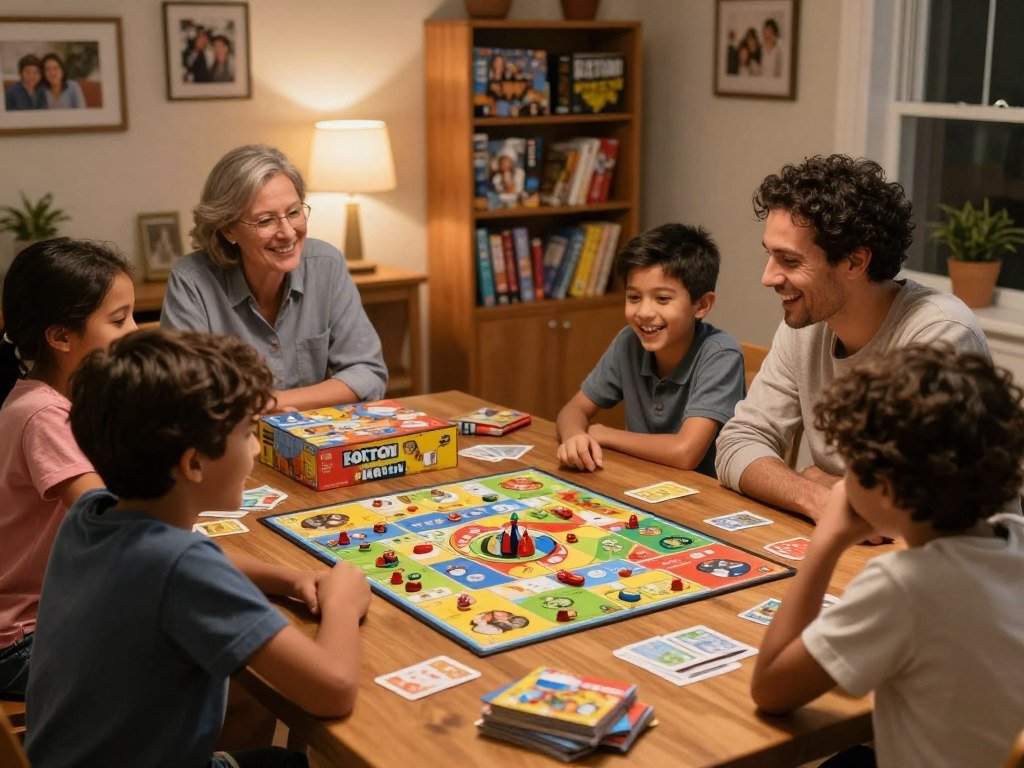
A family game night works best when the youngest player can take a real turn and the adults still have a decision to make. The right choice gives everyone a reason to stay at the table, even when ages, reading skills, and patience levels differ.
This collection includes cooperative games, where players work toward a shared win or loss, along with competitive, quick, and strategic options. You will find ideas for kids, adults, and mixed groups, with different themes and ways to play.
A strong family pick does not need to challenge every player in the same way. It should give younger players a clear part to play while leaving older players with choices that matter.
Start with the ages and attention spans at your table, then narrow the choice by play style.
Key Takeaways
- Choose a game the youngest player can join without constant help.
- Check reading needs and turn length, not just the age recommendation.
- Match the player count to the people who will play.
- Pick shared goals for teamwork or separate scores for friendly rivalry.
- Use the theme and pace to help everyone settle into game night.
How Do You Choose a Game for Your Family?
A useful first filter is whether the youngest player can follow the goal and take a turn without constant help. A family game works best when the rules fit the people at your table, not just the age printed on the box.
Use five checks before settling on a board game. Age labels are recommendations, while reading demands and patience can matter just as much. A nine-person family that played more than 100 new games in 2026 shows how much group size and taste can vary.
Choose a game whose first round makes sense before anyone has to remember a long list of rules.
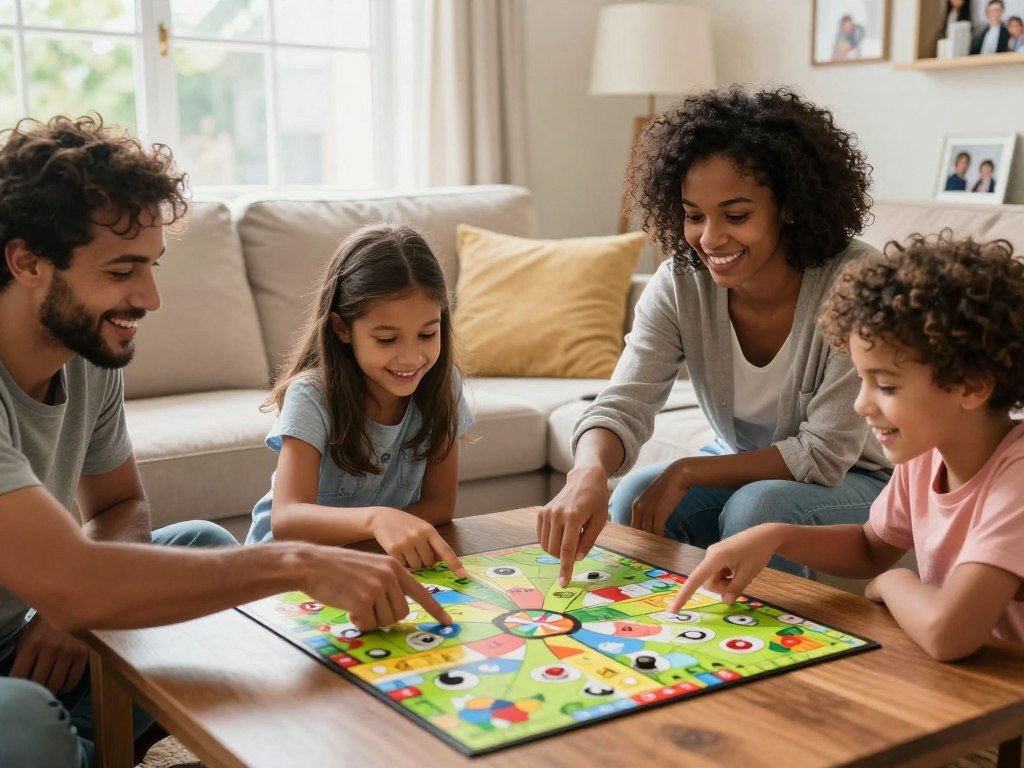
- Check whether the youngest player can read the cards, wait for a turn, and follow the goal.
- Count the players who will actually join, then match that number to the game’s player count.
- Choose a realistic playtime, including the rules explanation and a likely pause.
- Look at rules complexity, especially how many steps a player takes on each turn.
- Decide whether your group wants shared outcomes or individual winners.
A box may list an age recommendation, but that number cannot describe every child’s skills. Some kids can handle a simple strategy board game early, while others need help with reading or turn-taking.
Think about how the game feels after dinner, too. A group with tired kids may prefer a clear goal and a quick first round over a long setup or many special rules.
If you like browsing ideas for a short break or a change of pace, these games to play when bored include options beyond board games. Keep the planned session and the people joining in mind when comparing them.
For a family game night, the number of players and the time available can change from week to week. A game that works with four may leave someone out when six people arrive.
If you are unsure, prioritize a clear first round over a game with a long rule explanation.
Which Best Board Games for Families Fit Different Groups?
For a mixed group trying a game together, Cover Your Assets is an approachable place to start. It is quick to learn, simple to play, and gives players plenty of table talk.
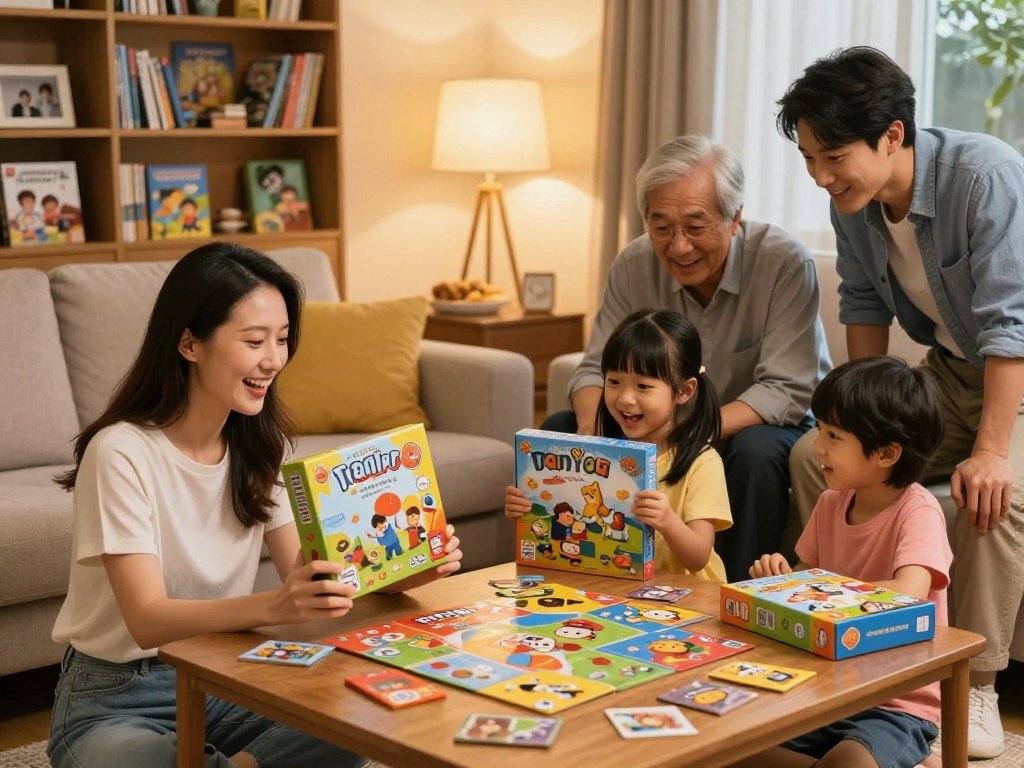
Choose a game whose main choice fits your group’s interests. Adults can enjoy family board games when turns offer real decisions, while kids benefit from an easy goal they can see. These options cover shared play, racing, superheroes, and route building.
| Game | Play style | Best fit |
|---|---|---|
| Marvel United | Cooperative superhero play | Marvel fans who want a shared challenge |
| Quest for El Dorado | Deck building, racing, and exploration | Players who like planning a race |
| Ghost Fightin’ Treasure Hunters | Treasure collecting with a ghost threat | Families who want to work together |
| Cover Your Assets | Quick, light competition and table talk | A mixed group starting out |
| Ticket to Ride: Europe | Building train routes across Europe | Players drawn to maps and routes |
Marvel United was one of Adam’s five favorite family board games in 2026. The cooperative game features Marvel heroes, so its theme can draw in fans who might not pick a game for its rules alone.
Quest for El Dorado combines deck building with a race through an exploration setting. Players who enjoy mapping routes may prefer Ticket to Ride: Europe, while Ghost Fightin’ Treasure Hunters gives the group a common threat to manage.
Families seeking the best games to play together can start with a clear shared goal or a light competitive challenge. For more options matched to age, group size, and play style, see these family board game recommendations.
Choose the theme that will get the quietest player interested enough to take a turn.
What Works for Five-Year-Olds?
At five, choose a game with a simple goal, visible pieces, and turns short enough to hold a child’s attention. Hands-on kids games can make matching colors, shapes, and paths feel like play rather than a lesson.
A game with about 15-20 minutes of playtime is a useful starting point. One family estimates focus at two to three minutes per year of age, but each child responds differently. Watch how the child handles the actual turns, not only the age recommendation.
Hands-on puzzles with room to grow
Azul Kids asks players to select colored tiles and match shapes to a mosaic. Each player board has simple and advanced sides, giving families a way to adjust the challenge without changing games.
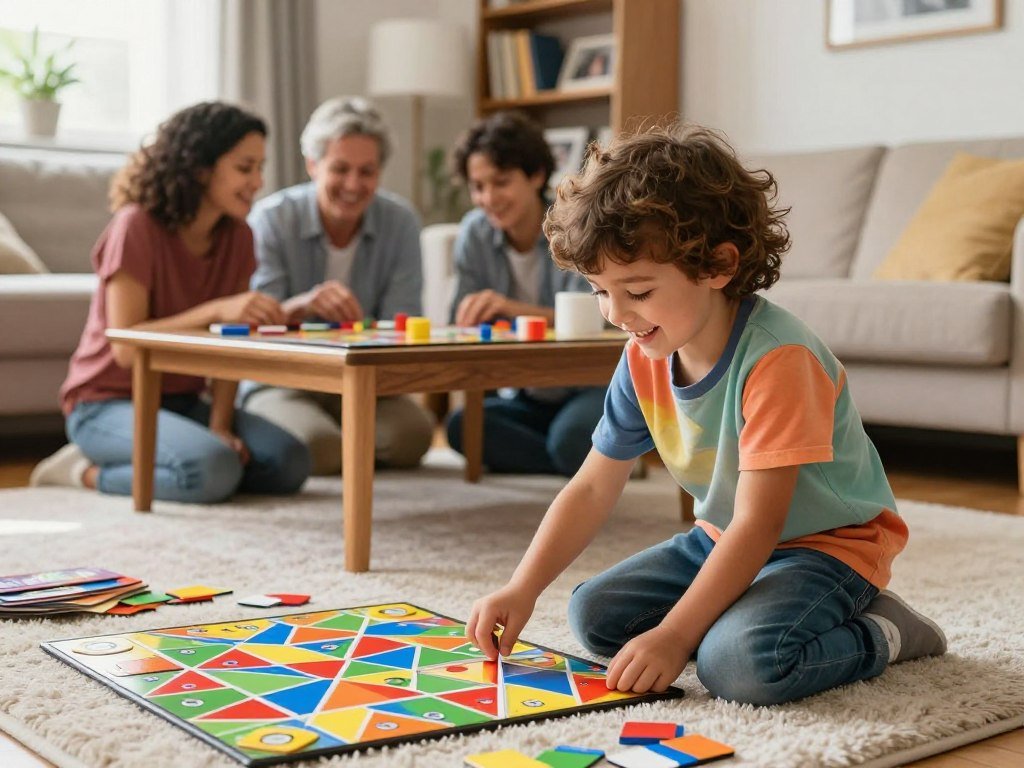
Azul Kids has also worked successfully with a three-year-old, though that does not mean every child will be ready at the same age. The simple and advanced board sides let you begin with fewer demands.
My First Carcassonne makes a child’s color part of the board. When a street closes, players place a pawn in their own color, so the board gives a visible signal that something has happened.
These games use pieces a child can point to and move. That can make it easier to explain a choice than a rule that depends on reading several cards.
Story and matching games for shared play
Ticket to Ride First Journey introduces route building with a family-friendly map. Dixit Kids makes storytelling the main activity, while Mooki Island asks players to collect creatures.
Mr. Postmouse’s Picnic uses path building to connect stops on a delivery trip. Monster Chase turns memory into the main challenge, as players recall which toys frighten the monsters.
- Can the child wait while another player takes a turn?
- Can the child recognize the main pieces, pictures, or colors?
- Can the child follow one simple goal from start to finish?
- Can the child stay engaged for about 15-20 minutes?
These checks are more useful than expecting every child to manage the same rules at five. A child who loses interest during a long turn may enjoy a game with shorter choices, even when both boxes suggest the same age.
Let the child try the simple side first when a game offers more than one level.
Which Games Suit Ages Eight and Nine?
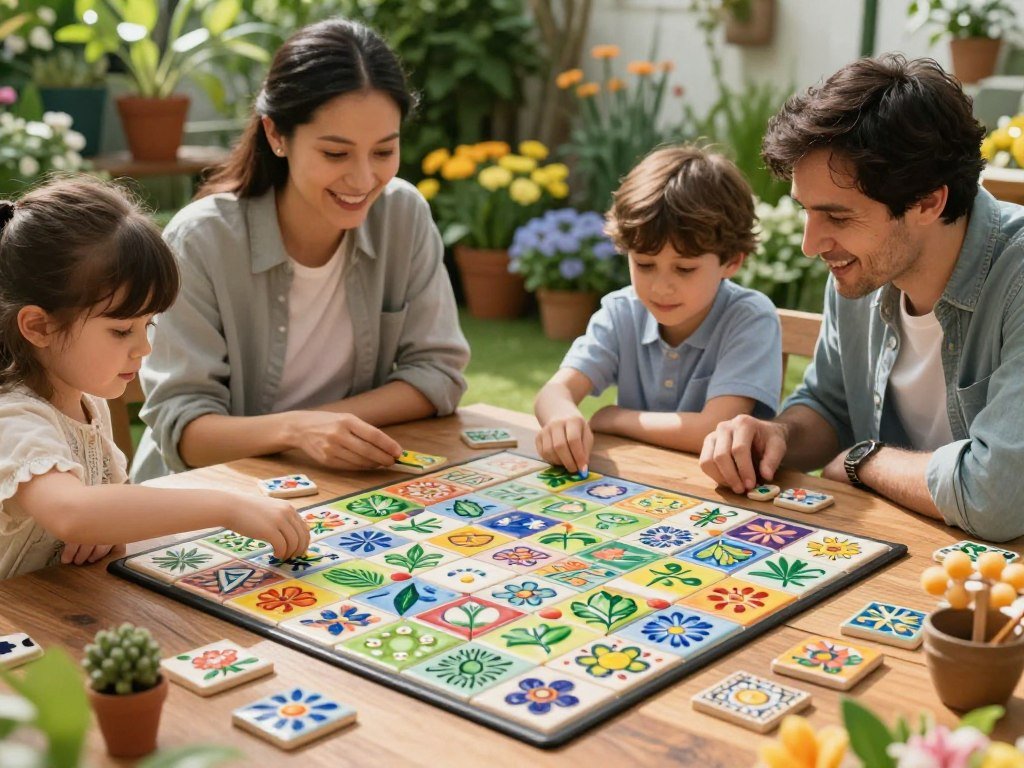
For a child ready to compare options and plan a few turns ahead, Frosted Blooms offers a spatial puzzle with more than one scoring consideration. It is recommended for ages 8+ and scores both garden tiles and the spaces between them.
Pick the main challenge your child enjoys: placing pieces, collecting, deduction, or cards. These board games bring more rules than a first family game, but each gives players a different kind of puzzle.
| Game | Recommended age | Main challenge |
|---|---|---|
| Frosted Blooms | 8+ | Score garden tiles and the negative spaces between them |
| Sanibel | 8+ | Draft shell tiles and arrange them in a bag |
| Got Five | 8+ | Deduce your five numbers from questions and visible clues |
| Wingspan Pocket | 9+ | Play a standalone card game in the Wingspan universe |
Sanibel gives shell collecting a tactile feel. Players draft shell tiles, place them in a bag, and score different shell types in different ways.
Got Five asks each player to work out their own five numbers. Questions and information that other players can see help narrow the answer, so the game rewards careful listening and deduction.
Wingspan Pocket is a standalone card game set in the Wingspan universe. It may appeal to a child who likes animal themes and cards more than arranging a larger board.
Choose spatial play for a child who likes fitting pieces together, or Sanibel for collecting and sorting. Got Five suits players who enjoy clues, while Wingspan Pocket offers a card-based choice.
Check whether the child is comfortable with the reading or deduction demands before choosing a more demanding game.
What Can Ten-Year-Olds Play, Including Standouts From 2025?
Ten-year-olds ready for more involved turns can move from simple matching toward planning, reading, and coordinated decisions. Some games build a village over several sessions, while others fit a single family game night.
For a 2025 release, Take Time offers cooperative play, while Toy Battle is a tactical two-player duel. Check reading needs and player count before choosing either game for your group.
- Cozy Stickerville is recommended for ages 10+ and uses more than 800 stickers across a ten-game village-building campaign. Its heavy reading makes it a better fit for children comfortable with text.
- Carnuta is a resource-management game for 2-4 players, recommended for ages 10+, with playtime of about 25 minutes.
- Take Time is a 2025 cooperative game for ages 10+. Players place cards around a clock without communicating.
- Toy Battle was released in 2025 and gives two players tactical challenges across multiple battle maps.
Cozy Stickerville asks your family to return to a story and build on choices from earlier sessions. The stickers change the village as the campaign moves along, so players can see their past work on the board.
Carnuta offers a shorter resource puzzle, while Take Time asks players to coordinate silently. Toy Battle is a more direct contest, with map choices shaping each tactical challenge.
Families looking for the best board games from 2025 for families can compare Take Time’s shared challenge with Toy Battle’s duel. The group’s reading comfort and the number of players help narrow the choice.
Pick a campaign only when the group is happy to return to the same game across multiple sessions.
Which Cooperative Games Work Across Ages?
Choose a cooperative game when the family would rather solve one shared problem than compete for a single winner. Players work toward a shared win or loss, which can suit kids and adults with different experience levels.
Shared outcomes reduce direct player-versus-player pressure, while adults can coach without changing who wins. The best cooperative board games for kids still need meaningful turns for adults, too.
Why shared goals can soften competition
In a cooperative game, players face the game together instead of trying to beat one another. That can make it easier to discuss a plan, though the group still succeeds or loses as a team.
Adults can offer a hint or explain a rule, then let the child make the move. This keeps team play welcoming without turning the child into a spectator.
For a digital alternative on another night, this guide to co-op games on Steam covers shared goals in video games. Board games have their own feel, with everyone gathered around one play space.
How to adjust the challenge as players learn
Forbidden Island asks players to find four artifacts on a sinking island and escape. Its difficulty can change, which gives the family a way to make later plays harder.
Pandemic is recommended for ages 8+ and takes 30-60 minutes with 2-4 players. It asks the team to plan together, so each person’s move can affect the group’s next options.
Marvel United gives superhero fans a cooperative setting with familiar heroes. A theme can help younger players remember why the team is taking each action.
The adult at the table may see a stronger move, but the child can still make a reasonable choice. Let the least experienced player make at least one important team decision each round.
What Cooperative Games Work for Five- and Six-Year-Olds?
For a five-year-old who is not reading yet, Outfoxed makes the shared task a clue hunt rather than a reading test. It is a cooperative deduction game for young children and does not require reading.
One-step turns, visible goals, and little or no reading can make early team play easier. Mr. Postmouse’s Picnic builds paths to deliver picnic invitations, while Monster Chase uses memory and teamwork.
Outfoxed is a strong starting point for young children who are not reading yet. Players gather clues together, so the child can take part by noticing details rather than reading text.
Mr. Postmouse’s Picnic is a cooperative tile-placement game about building paths for picnic invitations. Monster Chase asks players to remember which toys frighten monsters, giving the team a memory task.
These options answer both age-specific needs without treating five and six as fixed skill levels. A five-year-old’s attention and turn-taking can matter more than the one-year age difference.
- Favor turns that take one clear step.
- Look for a goal the child can see on the board.
- Choose little or no reading when the child is not reading yet.
Check the box’s age guidance, then watch how the child handles a sample turn. A child may enjoy an age-labeled game with adult help, or find a simpler game a better fit.
Choose the game whose turns the child can complete independently most of the time.
Which Cooperative Games Suit Ten-Year-Olds?
For a ten-year-old who enjoys solving a problem with a team, Bomb Busters turns deduction into the shared task. Its missions ask players to work from clues and make choices together.
The best cooperative board games for 10-year-olds include Bomb Busters for deduction and The Crew games for short missions. Mission Deep Sea has a higher minimum player count than Planet Nine.
| Game | Recommended age | Players | Playtime |
|---|---|---|---|
| Bomb Busters | 10+ | 2-5 | 30-60 minutes |
| The Crew: The Quest for Planet Nine | 10+ | 2-5 | Under 30 minutes |
| The Crew: Mission Deep Sea | 10+ | 3-5 | Under 30 minutes |
| The Lord of the Rings: The Two Towers Trick-Taking Game | 10+ | 1-4 | 20 minutes |
Bomb Busters supports 2-5 players and takes 30-60 minutes. That range can suit a family that wants a longer team puzzle, while The Crew games keep each play under 30 minutes.
The Crew: The Quest for Planet Nine works with two players, while Mission Deep Sea needs at least three. That difference matters when a family’s group size changes often.
The Lord of the Rings: The Two Towers Trick-Taking Game takes 20 minutes and supports one to four players. Its shorter length may fit a group with limited time or a player who prefers a familiar card format.
Check the minimum player count first if your family’s group size changes from game night to game night.
Which Games Are Easy to Learn and Quick to Play?
For a short slot between dinner and bedtime, Spot it! offers a compact round for a small group. It works well with 4-6 players and gives a family a quick way to start playing.
A 15-minute gameplay target can fit a short evening slot. Diamant takes 30 minutes, making it a better match for a slightly longer session.
| Game | Player fit | Pace or format |
|---|---|---|
| Diamant | Up to 8 players, age 7+ | 30 minutes |
| Ligretto | Best with 4-6 players, age 10+ | Fast rounds lasting minutes |
| Spot it! | Works well with 4-6 players | About 20 minutes of play |
Spot it! uses quick rounds, so a family can fit in a game without setting aside a full evening. It also works for a group that wants to play together without a long rules talk.
Ligretto uses fast, simultaneous play, which can frustrate younger children who cannot keep up. That speed may suit older kids and adults, but it can make a casual game night feel like a race.
Diamant gives players a little more time than a 15-minute game. Its larger player capacity also gives families room to include more people at the table.
If you want more ideas for a brief break, this list of games to play when bored includes home and group options. A clear stopping point can help when the evening is already full.
If speed matters, check whether the game has simultaneous play or turns that give everyone time to think.
What Competitive Games Keep Everyone Involved?
Pick a dice game when your group enjoys suspense and quick choices more than a long strategy puzzle. Las Vegas asks players to place dice at casinos and compete for rewards.
Luck-based choices can keep a contest lively without asking the youngest player to out-plan an adult every turn. A new edition of Las Vegas adds Big Dice and larger casino rewards.
Las Vegas is recommended for ages 8+. Players roll dice, then choose where to place them among the casinos. The rewards give each decision a clear prize, while the roll adds uncertainty.
Big Dice in the new edition can change the feel of the casino contest. Larger casino rewards can make a choice feel more tempting, even when the dice do not land as hoped.
Magical Athlete takes another route. It is a madcap race with a cast of unusual characters, so a game can feel lively before players even compare the finish order.
In a competitive game, luck can give kids a chance to stay in the running against older players. The youngest player still makes choices, but one poor turn does not have to decide the whole contest.
Before choosing, make sure the group enjoys luck swings rather than treating every roll as a skill test.
Which Tile and Puzzle Games Reward Planning?
Players who like planning from a visible board can start with a tile game that makes each placement matter. Market Fresh, Azul, and Kingdomino each turn a shared display into a different puzzle.
Look at what a player must arrange: crates, colorful tiles, or matching terrain. A quiet turn can still feel competitive when one player blocks a space another player wants.
Market Fresh is recommended for ages 8+ and asks players to stack produce crates to maximize points. Each stack creates a small planning problem, since the crates have to work together for a strong score.
Azul uses colorful tile drafting to decorate a palace wall. Players choose from tiles available to the whole group, so taking one color can change what remains for everyone else.
Kingdomino uses domino-shaped terrain tiles to build landscapes. Matching terrain gives players a simple way to connect pieces, while the growing layout makes each pick part of a larger pattern.
These strategy board games make choices visible. A player can see the board changing and think about where a piece will fit before placing it.
Still, shared displays can create a small contest over a desired tile or space. The game may feel more competitive than its quiet turns suggest, especially when one choice blocks another player’s plan.
For a first strategy pick, favor a board where players can see how their choices affect the final pattern.
Which Card Games Work Well for Mixed Ages?
Card games can bring a shared challenge to the table without setting up a large board. The Mind, The Game, and Hanabi use cards in different ways, from silent timing to clue-based teamwork.
Choose a card game by how much talking, number work, and hidden information your group enjoys. A clear card goal can make it easier for mixed ages to join.
Silent number play
The Mind asks players to play cards in numerical order from 1 to 99 without communicating. The team must judge when a card belongs, even though players cannot say the number they hold.
The Game uses numbered cards from 1 to 100. Players build one sequence upward and another downward, and a card exactly 10 away can move a sequence backward.
Both games turn number order into group timing. The Mind relies on silence, while The Game gives players more structure through its ascending and descending sequences.
Trick-taking and shared clues
Hanabi asks players to build a shared display of fireworks using clues about cards held by others. It is cooperative, recommended for ages 8+, takes under 30 minutes, and supports 2-5 players.
Because players cannot see their own cards, they rely on clues from the group. That hidden information makes coaching less direct than pointing to a visible move on a board.
Hanabi’s shared clues create another kind of coordination from silent number play. Players have to notice what others know, then use a hint with care.
A family choosing among these card games can start with the style everyone finds enjoyable. Some groups like the puzzle of silence, while others prefer talking through clues and taking turns.
Choose The Mind only when the group is comfortable treating silence as part of the challenge.
Which Games Are Best for Two Players?
If two people are the usual game-night group, choose a game built around that count rather than adapting a larger-table experience. Mooki Island, Jaipur, Splendor Duel, and Toy Battle all give two players a direct reason to play.
Check whether a game is designed for exactly two or merely includes two in its player count. A focused two-player game can make the choices feel more direct.
Mooki Island is a two-player game about collecting creatures. Players score by holding the majority in each animal type, so a small shift in one collection can matter.
Jaipur is a short trading contest for two. Players trade goods and compare their choices, making it a compact option for a household that wants a head-to-head game.
Splendor Duel is built around direct competition. Its head-to-head format suits players who want their choices to affect one another throughout the game.
Toy Battle gives two players tactical challenges across multiple battle maps. Adam named it among his five favorite family games of all time in 2026.
For more games to share as a pair, these game ideas for couples include tabletop and other options. Choose the kind of contest that fits the people playing, not just the number at the table.
Pick Mooki Island for creature collecting and majority scoring, or Toy Battle when tactical map choices sound more appealing.
Which Games Fit a Larger Family or Party?
For a crowded table, choose a game that gives players something to do on most turns. Sushi Go Party, 7 Wonders, Camel Up, and Diamant can bring several people into the same game.
Short waits between turns help a larger group stay involved. Games with card drafting or quick choices can keep the table moving as people watch one another’s decisions.
Sushi Go Party passes sushi around a larger table through shared card drafting. Players choose a card, then pass the remaining cards along, so everyone has something to consider each turn.
7 Wonders uses card drafting to develop a civilization. Players build their own plans while seeing choices move through the group, which keeps a large family game from becoming a series of long solo turns.
Camel Up combines betting with camel stacking in a race. The changing pile of camels gives players a reason to watch the board, even when another person is making a choice.
Diamant supports up to eight players, giving a larger group a stated capacity to check when inviting relatives or friends. A family game night can feel different with visitors, so choose a format that lets people stay part of the action.
A larger party game does not have to make every player act at once. The key is avoiding long stretches where someone has no reason to watch or care.
Count the people who will actually play, not just everyone who may be sitting nearby.
Should Your Family Choose Cooperative or Competitive Play?
Let the group’s mood decide whether the next game should create one shared challenge or several individual scores. Cooperative play brings the group together against a game problem, while competition gives players separate results.
Choose the format that fits how your family wants to interact tonight. A group that likes to coordinate may enjoy one shared outcome, while friendly rivals may prefer a clear winner.
Choose cooperation when players want a shared result
In Codenames Duet, players split into two teams, and an assassin guess makes the whole group lose. The game can be played with more than two players, so cooperation does not have to mean one large team.
Shared results give people a reason to talk through their choices and build a plan. For more ways to weigh this style, see this guide to family games for kids and adults.
Choose competition when players want separate winners
Separate scores suit groups that enjoy direct comparison and friendly rivalry. Players can focus on their own plans, then see how those choices measured up at the end.
Before choosing, check four parts of the mood around your table:
- The group’s current mood, including whether players want calm or lively play.
- Each player’s tolerance for losing, especially after a tiring day.
- The group’s willingness to coordinate and share information.
- Whether players prefer shared or individual outcomes.
Price depends on a game’s edition and what the box includes. Compare the contents with how your family expects to use the game, rather than assuming a higher price means a better fit.
If the group is divided, choose cooperation for this session and save direct rivalry for a night when everyone wants it.
A short chat before setup can prevent a mismatch between the game and the group. Ask whether people want to plan together or test their own choices.
If the group is divided, choose a cooperative game for this session and save the direct rivalry for a night when everyone wants it.
Conclusion
The right family pick is the one your group is ready to play together tonight. The youngest player should have a real way to join, and the adults should still care about the choices.
Agree on group size and preferred play style before choosing a title. That quick decision can rule out games that leave someone waiting or ask more than the group wants to manage.
Keep the first choice simple enough to start without a long debate. A good family game night grows from a game people want to bring back.
Set a date for the next game night and choose one title that fits the people who will be at the table.
FAQ
How long should a board game last for a five-year-old?
About 15-20 minutes is a practical target for a five-year-old. Attention and familiarity with the rules can change what works, so a child may stay with a favorite game longer. A first play may need extra time for explanations. Watch whether the child can wait, follow the goal, and enjoy taking turns.
Can adults enjoy games designed for young children?
Yes, adults can enjoy games for young children when the game offers meaningful choices or a cooperative goal. The simplest games may feel most engaging during the first few plays, while everyone learns the pieces and rhythm. Adults can also add interest by helping kids plan without taking over their turns.
Are cooperative games less stressful for kids?
They can feel less stressful because players work toward a shared result instead of trying to beat one another. The whole group still succeeds or loses together, though, so a tough game can create pressure. A family can lower that strain by treating early plays as practice and sharing ideas calmly.
Is a board game’s age recommendation a strict rule?
No, an age recommendation is guidance, not a strict rule for every child. Reading demands, turn-taking, and attention can affect readiness as much as age. An adult may help a child understand a card or remember a step, but the child should still get choices they can make independently.
What is a good first game for adults who are new to board games?
Cover Your Assets is one approachable example for adults new to board games. Its rules are quick to learn, the play is simple, and table talk adds interaction without a long explanation. Start with a short first play, then decide whether your group wants more strategy or a different theme next time.
Can a family game night work with a different number of players each time?
Yes, family game night can work with changing group sizes if you check each game’s minimum and maximum player count. Some games, such as Mooki Island, are designed for two players. A game that supports more people may also feel different at its minimum, so match the count to your usual group.



