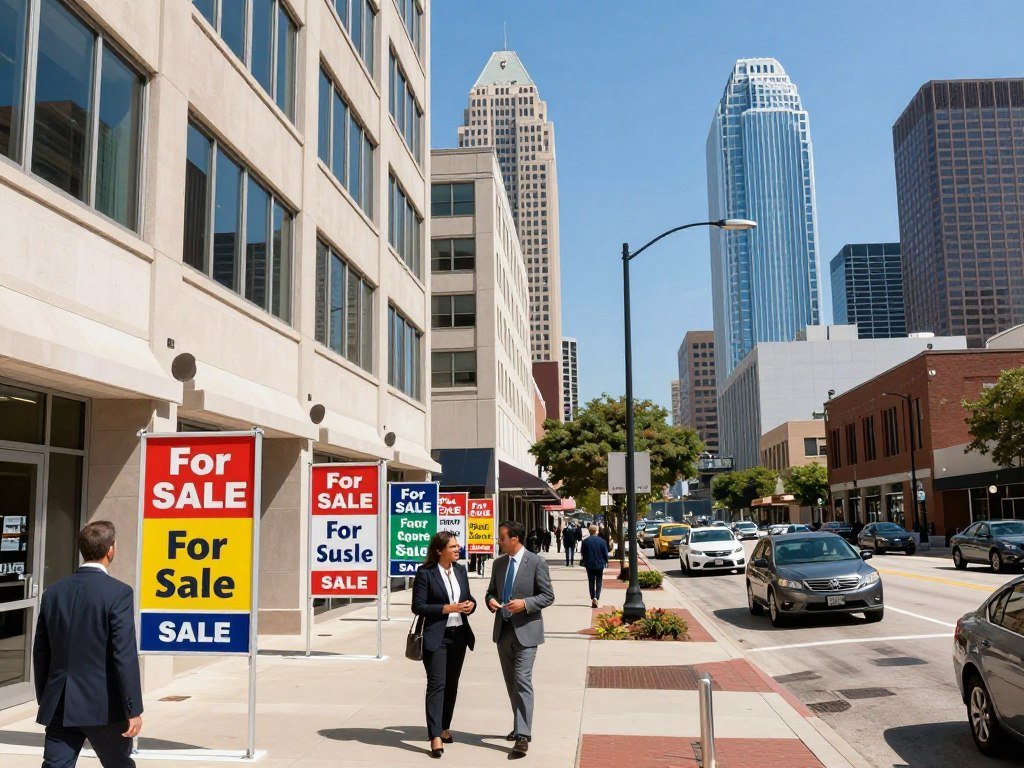
A useful shortlist starts with the work you need the space to do, not with the asking price alone. Commercial real estate listings for sale can include office, retail, industrial, mixed-use, and land opportunities. Your business location, investment goals, and space needs help narrow the choices.
Price per square foot is the asking price divided by the stated building area; it does not account for the value or size of the land. Dallas sale examples make comparisons concrete, though your search can focus on any market. Start with what you need, then weigh each listing against its site and cost.
Key Takeaways
- Match the property type to your intended use.
- Compare asking price, building area, and lot size.
- Check the listing category and measurements closely.
- Screen use, condition, access, ownership, and environmental risks.
- Write down your intended use, preferred area, and spending limit before comparing individual options.
How to Compare Commercial Real Estate Listings for Sale
A fair comparison pairs the asking price with both the building area and the land area, rather than sorting by price alone. Both measures help you see what a listing offers, while neither proves the asking price is fair.
A low asking price alone does not establish better value. Location, condition, income, and comparable sales can all affect real estate value. An automated estimate can offer a starting point, but AI valuation methods still rely on sound property details and local checks.
Compare the asking price with the building area and lot size, because a lower price does not tell you what the site is worth.
Compare asking price with site size
These Dallas sale examples show different prices and land areas. The McKinney Avenue Dallas office listing has the highest asking price, while the 4001 S Buckner Boulevard office listing has the lowest.
| Listing type | Address | Asking price | Land area |
|---|---|---|---|
| Office | 2523 McKinney Avenue, Dallas | $36,000,000 | 1.28 acres |
| Office | 3502 Gillespie Street, Dallas | $13,000,000 | 0.9 acres |
| Retail | 3650 N Buckner Boulevard, Dallas | $5,075,428 | 3.95 acres |
| Retail | 6648 Lemmon Avenue, Dallas | $4,000,000 | 0.33 acres |
| Office | 4001 S Buckner Boulevard, Dallas | $3,750,000 | 1.91 acres |
McKinney Avenue in Dallas is one example of a high-priced listing with less land than the retail site on N Buckner Boulevard. Price and land area do not move in lockstep.
Commercial property valuation methods can include price per square foot, income, and comparable sales. Appraisers may also use sales comparison, cost, or income approaches, as outlined in the three valuation approaches.
Read the listing category and measurements carefully
Building area describes the stated enclosed space; land area describes the lot. A listing may state one measure but not the other, so check what each figure means.
Price per square foot helps compare building costs only when listings use the same area measure. It cannot replace a lot-size comparison, since a larger parcel may affect access, parking, or future plans.
NAIOP’s commercial real estate terms distinguish building and site measures used in the industry. Check that each listing uses the same area measure before comparing price per square foot.
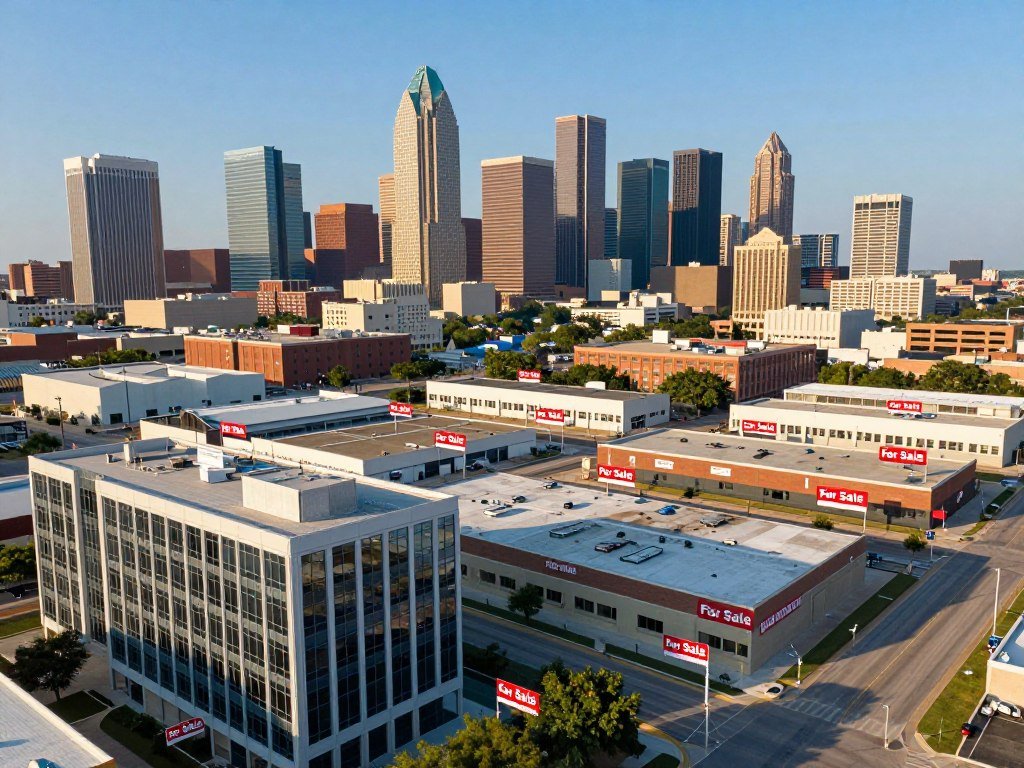
Which Commercial Property Type Fits Your Plans?
The right category is the one that supports your day-to-day use, site requirements, and plans for the property. Start with operations, then consider how the building and lot serve them.
A listing category is a useful clue, not proof of permitted use. Office, retail, industrial, mixed-use, and land each bring different needs for space, access, and local approval.
Office and retail space
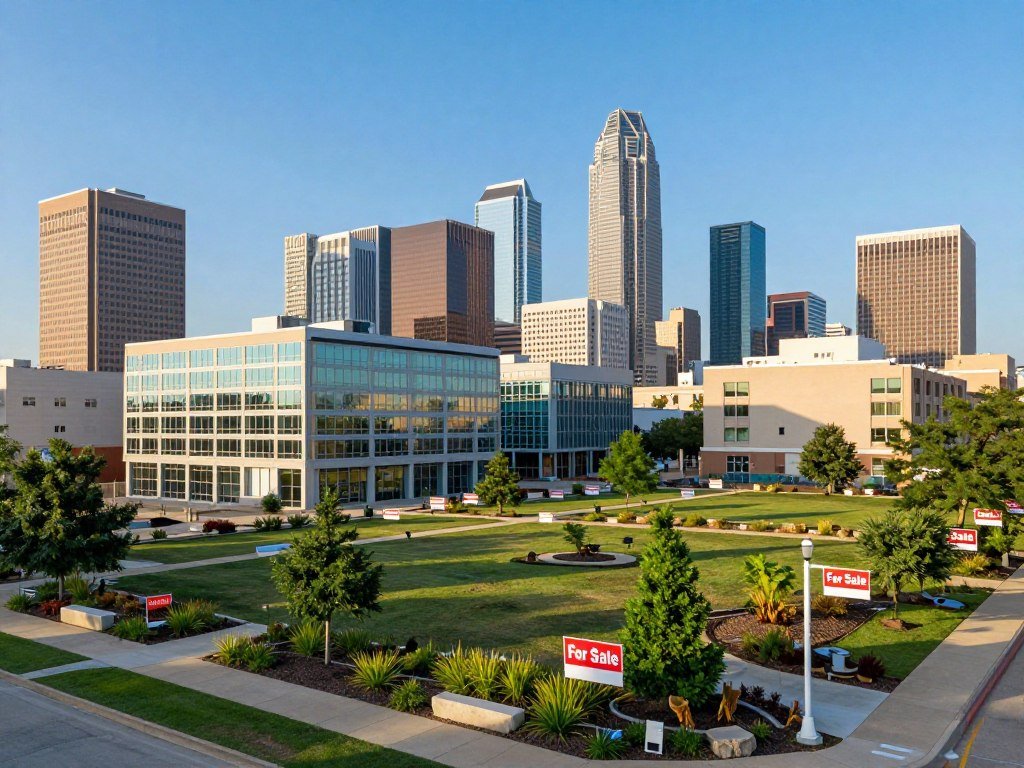
Retail space often supports customer visits, product displays, and direct sales. Office space is built around work areas, meetings, and business operations, though each site has its own layout.
A Dallas office listing at 2909 San Jacinto asks $4,900,000 and has 0.41 acres of land. The Dallas retail listing at 214 Morgan Avenue asks $5,464,034 and has 1.67 acres. These examples differ in category and site area, not just price.
Another Dallas retail listing at 12809 Audelia Road asks $2,050,000 and has 0.65 acres of land. Compare the listed category and parcel with the tasks your business needs to perform each day.
Industrial, mixed-use, and land opportunities
Warehouse and production plans may need loading access, clear interior space, power, and room for vehicles. A mixed-use building combines more than one type of use, so check how its parts work together.
Undeveloped land gives you a site to plan, but utilities, access, and development rules can shape what you can build. A Dallas listing categorized as Other at 1301 S St Augustine Drive asks $5,500,000 and has 16.99 acres of land. The label does not identify a specific use.
Days on market add context about how long a listing has been marketed, but they do not establish condition or value. Treat a broad label such as Other as a prompt to confirm the permitted and actual uses, not as a description of them.
How Can You Screen a Listing Before Making an Offer?
Before making an offer, check whether the property’s permitted use, physical condition, and ownership details fit your plans. Five focused checks can flag issues before you spend time or money on a deal.
Confirm the facts behind the listing before you commit. A Dallas listing categorized as Other at 12959 Jupiter Road asks $2,100,000 and has 1.35 acres. Another, at 14200 I-20 Frontage Road, asks $2,400,000 and has 14.32 acres. The different lot sizes do not prove either site’s use.
Do not treat a broad listing label or a large lot as proof that the property suits your intended use.
- Confirm allowed use and zoning with the local authority.
- Ask about building condition and major systems.
- Verify site access and utility needs.
- Review title and the seller’s authority to transact.
- Consider an environmental assessment.
The U.S. EPA’s All Appropriate Inquiries process generally remains valid for up to one year. Interviews, records reviews, inspections, and environmental lien searches need updates if they are more than 180 days old, as the EPA’s AAI guidance explains.
Commercial real estate for sale by owner means an owner markets the property without a listing broker. Confirm identity, ownership, and authority to sign; check a seller’s details with basic website safety steps.
Commercial properties for sale near me can be narrowed by setting a map radius and checking each address against the locations you need to serve. Compare original photos with staged images, since virtual room designs may change fixed features or proportions.
Confirm the listing is still active and ask how many days it has been marketed before arranging a site visit.
Conclusion
A strong shortlist balances operational fit with the full site, not just a tempting asking price. Look at the building area and lot size together, then keep each option tied to your intended use.
Prepare a short list of target locations, acceptable property types, and a maximum budget before contacting the listing representative. A clear list makes it easier to rule out sites that miss a basic need, even when the asking price looks appealing.
Set those three limits, then contact the representative for the listings that meet them.
FAQ
What is the difference between building area and lot size?
Building area measures the stated enclosed square footage, while lot size measures the land parcel. The figures describe different parts of a commercial property, so neither can stand in for the other. Compare building area in square feet and lot size in acres or square feet, using the same units when comparing listings. A listing may report one measure without clearly stating the other.
Can I use a commercial property for any type of business?
No, zoning, permitted use, building conditions, and local approvals can limit the businesses allowed at a site. A space that worked for a prior tenant may not meet your needs or current rules. Ask the local authority about allowed uses, and consider whether the building’s systems and layout support your work. Approval may also depend on changes you plan to make.
What should I review before making an offer on commercial property?
Review permitted use, building condition, title, the seller’s authority, and environmental risks before making an offer. Check that the seller owns the property and can sign the deal. Environmental due diligence can include All Appropriate Inquiries, which generally remains valid for up to one year. Interviews, records reviews, inspections, and environmental lien searches need updates if they are more than 180 days old.
How much should I put down on a commercial property?
A common rule of thumb for conventional commercial financing is about 20-30% down. Your lender’s requirements can change with the buyer and the property, including its type and intended use. Treat the range as a starting point, not a promise of loan terms. Ask a lender to explain how the down payment affects your loan, cash needs, and other costs before making an offer.
Is undeveloped land or an existing commercial building a better fit?
An existing commercial building may suit you if you need usable space sooner, while undeveloped land lets you plan a new layout. A building still needs to match your work and condition needs. Land requires checks on allowed use, utilities, access, and development needs. Your choice depends on how quickly you need space and how much site work your plans involve.
What does days on market tell a commercial property buyer?
Days on market tells you how long a listing has been marketed, but it does not prove the property’s condition, fair value, or the seller’s willingness to negotiate. The number can give context about the listing’s timing. It cannot explain why the property remains for sale or whether a price change is likely. Pair it with a site review and the property’s stated details.



