

What makes an all-white sneaker so hard to get right? Ask anyone who has owned one. White leather shows every scuff, every crease, every drop of rain. Yet the Air Jordan 4 “Pure Money” keeps pulling people in anyway, and the reason has less to do with hype than with how clean the shoe looks the day it comes out of the box.
The Air Jordan 4 “Pure Money” is a colorway of a 1989 basketball silhouette, not a new model. It first appeared in 2006 as part of an all-white Jordan pack, then returned in 2017 as a retro. That two-release history matters, because the pairs sitting in resale listings today are not all the same shoe. Style codes, materials, and even the shade of the outsole differ between the two runs. Anyone shopping for a pair needs to know which version they are looking at before money changes hands. (Cbdc digital currency central bank money going digital)
The Two Releases Behind the Name
The story starts in 2006. Jordan Brand put together a group of all-white models and branded it with “Pure $” styling, a nod to the idea of unblemished, premium simplicity. The Air Jordan 4 was part of that group. Sneaker media accounts of the exact pack lineup and release dates vary, so treat any single date you see online with a little caution unless it comes from an official catalog or archive.
The better-known version is the 2017 retro, widely reported as an April 2017 launch. That release is the one most people mean when they say “Pure Money” today. It arrived during a period when Jordan Brand was pushing general-release pairs hard, and it was not treated as a hyper-limited drop. That distinction shapes everything about how the shoe is bought and sold now.
| Detail | 2006 Original | 2017 Retro |
|---|---|---|
| Pack context | All-white “Pure $” group | Standalone retro release |
| Upper | White leather | White leather |
| Accents | Metallic detailing | Chrome and metallic silver eyelets and branding |
| Outsole | White-toned | Icy translucent |
| Availability | Limited, older | General release, more accessible |
The table is a starting point, not gospel. Descriptions of materials on both versions come largely from sneaker media rather than official spec sheets, so the safest move is to confirm details against the physical pair or a dated product listing.
Why the Air Jordan 4 Still Matters
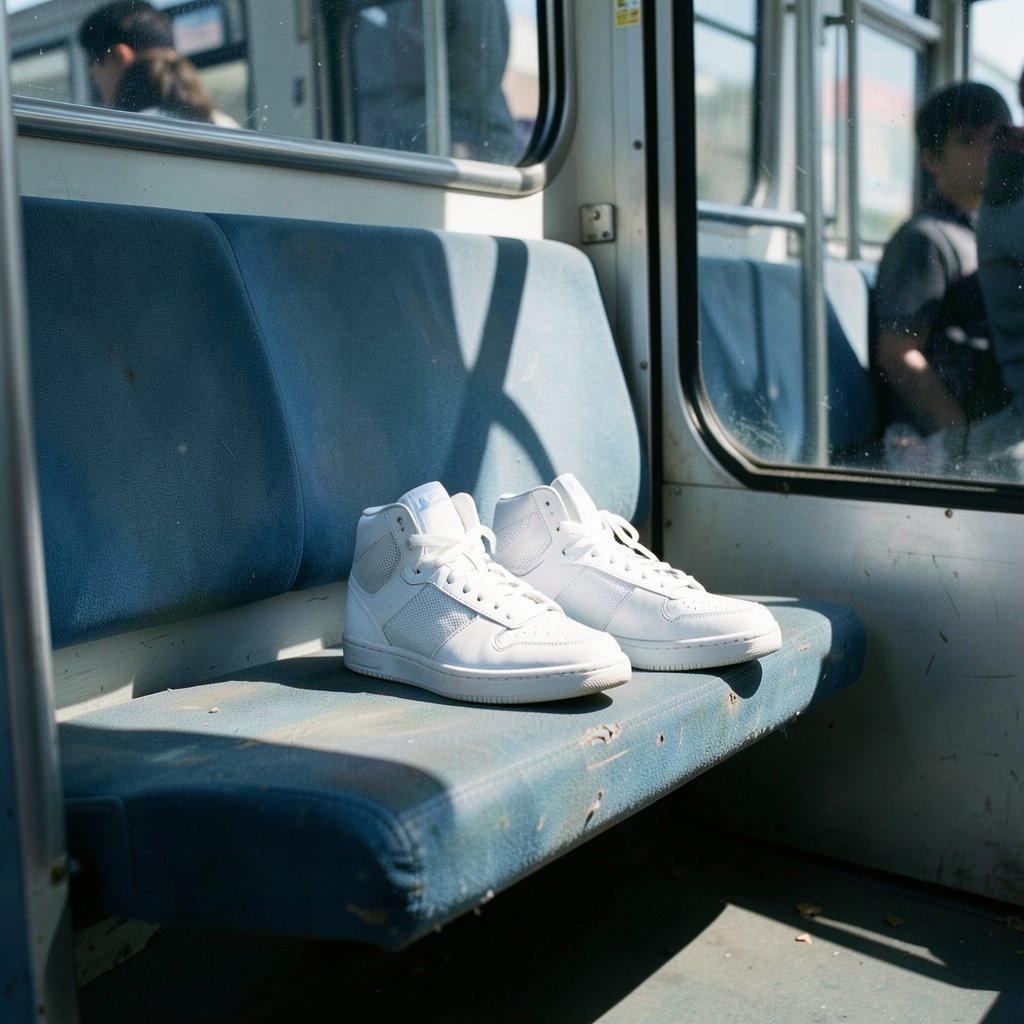
The Air Jordan 4 was designed by Tinker Hatfield and originally released in 1989. It was the fourth signature shoe in the line, and it introduced design ideas that still show up on basketball shoes today, including visible mesh panels and supportive “wings” on the upper. For a deeper background on the line and its place in sneaker history, the general overview of the Air Jordan line is a reasonable place to start.
The shoe’s cultural footprint is just as important as its tech. The Air Jordan 4 is closely tied to Spike Lee’s 1989 film Do the Right Thing, where the shoe appears on screen. That link gets cited constantly in sneaker writing, and it helped turn the silhouette into something bigger than a basketball product. When a colorway like Pure Money drops, it is riding on that legacy, not creating it.
This is the part collectors sometimes skip. A colorway is a paint job on a proven silhouette. The Air Jordan 4 sells because of 1989. Pure Money just gives it a fresh face.
What Actually Sets Pure Money Apart
Strip away the nickname and you get a very specific recipe: an all-white leather upper, metallic silver hardware at the eyelets, a white midsole, and an icy translucent outsole. The chrome touches are what keep the shoe from looking flat. Without them, an all-white sneaker can read as generic. With them, it reads as deliberate.
The nickname deserves a note. “Pure Money” is collector shorthand for an all-white colorway, echoing the “Pure $” branding from the 2006 pack. The precise origin of the phrase lives in sneaker folklore more than in official documentation, so it is best treated as attributed history rather than hard fact.
There is also a practical side that rarely makes it into glossy photos. White leather creases. Icy outsoles yellow over time. Chrome eyelets can chip if they take a hit. None of that makes the shoe a bad buy, but it does mean the Pure Money rewards careful owners more than most pairs.
How to Tell the Versions Apart
If someone is shopping for a Pure Money, the single most useful habit is checking the style code. Jordan Brand colorway names are marketing; style codes are the authoritative identifier. A white Air Jordan 4 carries a code in the “308497-100” pattern, and each release has its own. Confirm the exact code for the version being sold through an official product page or a sneaker database rather than a blog post.
Practical steps that actually work:
- Ask the seller for a photo of the size tag inside the shoe. The style code and production dates are printed there.
- Match that code against a database entry for the specific release year.
- Check the outsole color in natural light. Icy translucent soles yellow with age, and a “2017” pair with a perfectly clear sole in 2025 deserves a second look.
- Inspect the chrome eyelets for flaking. Wear shows up there first.
- Compare the tongue label stitching. Clean, even stitching is a baseline expectation on a general-release pair.
Common mistakes people make: trusting a listing title that says “Pure Money” without a style code, buying from a photo set that never shows the size tag, and assuming a low price means a bargain when it usually means a mismatch. The gift card scam problem shows the same pattern in a different market: once money leaves your hands through an irreversible channel, recovery is rare, and sneaker resale has its own version of that risk. If a deal feels rushed, it probably is.
Price, Availability, and the Resale Reality
The 2017 retro is generally treated as a relatively accessible general-release pair rather than a limited drop. That matters because it changes what a fair price looks like. A general release with wide distribution should not command the premium of a regional exclusive, even years later. Resale prices do fluctuate with condition, size, and season, so any specific number quoted online should be checked against dated sales data rather than repeated as fact.
Sizing is its own trap. The Air Jordan 4 runs true to length for most people but has a reputation for a snug midfoot thanks to the wings and lacing setup. Wide-footed buyers often go up half a size. That is a personal-fit call, not a rule, and it is worth trying a pair on if the opportunity exists before committing to a resale purchase.
Condition grading is where money quietly disappears. A pair listed as “worn once” can mean anything from a few indoor steps to a full season of casual wear. Ask for photos of the heel drag, the toe box creasing, and the outsole tread. Those three areas tell you more than any description.
Caring for an All-White Jordan 4
Ownership is where the Pure Money earns or loses its reputation. A few habits make a real difference:
- Clean after each wear, not each month. Dirt that sits on white leather sets into the grain.
- Use a soft brush and a mild cleaner. Harsh chemicals strip the finish and dull the leather.
- Store away from direct sunlight. UV exposure accelerates yellowing on translucent outsoles.
- Keep silica packs in the box. Moisture is a quiet enemy of both leather and glue.
- Rotate the pair. Wearing the same white shoe daily guarantees creasing and grime.
The outsole yellowing deserves honest expectations. Icy soles oxidize over time no matter how careful an owner is. Some collectors accept it as patina. Others chase restoration methods. Neither approach is wrong, but buyers should know going in that a translucent sole is not a permanent feature.
The financial side of sneaker ownership also rewards clear thinking. Treating a pair as an investment requires the same discipline as any other purchase decision, and the broader question of where money actually goes in any market is worth understanding before committing funds. For readers curious about how costs stack up in other areas, a breakdown of where identity threat detection money really goes shows how hidden expenses accumulate in ways buyers rarely anticipate.
Building an Outfit Around Pure Money
The all-white Air Jordan 4 is one of the easier sneakers to style, which is part of its appeal. It works with denim, joggers, and even relaxed tailoring. The trick is contrast. An all-white shoe against an all-white outfit can look flat in photos, so most people anchor it with a darker pant or a colored sock.
A few combinations that hold up:
| Outfit Base | Why It Works |
|---|---|
| Light wash denim and a white tee | Classic, low contrast, easy |
| Black joggers and a grey hoodie | Makes the white shoe the focal point |
| Olive cargo pants and a cream top | Earth tones warm up the white |
| Navy shorts and a plain tee | Clean summer look, low risk |
Avoid muddy ground and rainy days. That sounds obvious, but the most common regret owners report is wearing a white leather sneaker in conditions it was never built for. Practical planning beats regret every time.
Conclusion
The Air Jordan 4 Pure Money is a simple idea executed well: a proven 1989 silhouette, dressed in white leather with chrome accents, released in 2006 and again in 2017. Its appeal is not mystery. It is clarity. The shoe looks clean, it pairs with almost anything, and it carries a legacy that started with Tinker Hatfield and a Spike Lee film.
The work for a buyer is in the details. Confirm the style code. Check the outsole and the eyelets. Understand that the 2017 pair is a general release, not a grail, and price it accordingly. Care for white leather like it is white leather. Do those things and the Pure Money delivers exactly what it promises: a sharp, wearable sneaker that earns its nickname.
FAQ
What year did the Air Jordan 4 Pure Money come out?
It released twice. The original arrived in 2006 as part of an all-white Jordan pack, and a retro version launched in 2017, widely reported as an April 2017 release. The 2017 pair is the version most people mean today.
Is the Pure Money a limited release?
The 2017 retro is generally treated by sneaker media as a relatively accessible general release rather than a limited drop. The 2006 original was harder to find. Resale prices still move with condition, size, and timing, so check dated sales data before assuming a value.
How can you tell a real Pure Money from a fake?
Start with the style code on the inside size tag and match it to the correct release year. Then check the chrome eyelets for flaking, the stitching on the tongue label, and the outsole color. A 2017 pair with a perfectly clear icy sole years later is a warning sign, since translucent soles yellow with age.
Does the Air Jordan 4 Pure Money fit true to size?
Most people find the Air Jordan 4 true to length, but the midfoot runs snug because of the wings and lacing setup. Buyers with wider feet often go up half a size. Fit is personal, so trying a pair on before a resale purchase is worth the effort.
How do you keep white Air Jordan 4s from yellowing?
Clean after each wear with a soft brush and mild cleaner, store the pair away from direct sunlight, keep silica packs in the box, and rotate it with other shoes. Translucent outsoles oxidize over time regardless of care, so some yellowing should be expected.
Why is the colorway called Pure Money?
The nickname is collector shorthand for an all-white colorway, echoing the “Pure $” branding used on the 2006 pack. The exact origin of the phrase sits in sneaker folklore more than official documentation, so it is best treated as attributed history rather than established fact.



