Soaring Jet Fuel Prices Are Breaking Airlines That Never Hedged
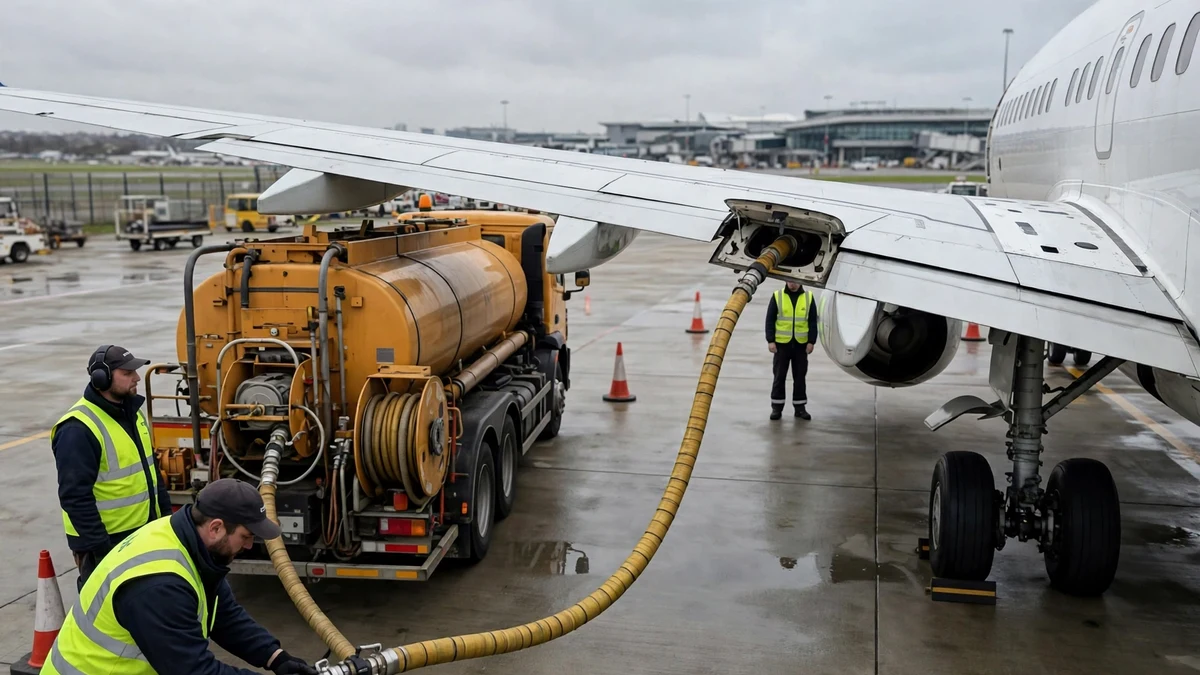
Airlines are in trouble, and the cause is sitting in their fuel tanks. Jet fuel prices have more than doubled in key markets since the war involving the United States, Israel and Iran began in late February, and the shock has already closed one airline, pushed several more into restructuring, and forced the biggest carriers to cut forecasts, raise fares and shrink schedules.
The numbers explain the pressure. The International Air Transport Association, known as IATA, expects the global airline fuel bill to reach about 350 billion dollars this year, up from 252 billion dollars in 2025, with fuel now accounting for 31.4 percent of operating costs. The association forecasts that global airline profits will fall to 23 billion dollars, roughly half the previous level.
This is not a story about one bad quarter. It is about which airlines protected themselves and which did not, and what happens when the single biggest cost in aviation doubles in weeks. This article looks at how bad the fuel shock is, which carriers have fallen, why hedging decided who survived, and what it means for fares and travellers.
Key takeaways
- Jet fuel prices more than doubled from about 99 dollars a barrel on 27 February to 209 dollars in April, and stayed above 200 dollars in Europe into the autumn.
- IATA expects the global airline fuel bill to hit about 350 billion dollars in 2026, up from 252 billion dollars in 2025, cutting industry profits to about 23 billion dollars.
- Spirit Airlines ceased operations on 2 May and Norse Atlantic’s Norwegian unit filed for bankruptcy on 27 November, both citing fuel costs as a decisive factor.
- Airlines that did not hedge their fuel were left fully exposed to spot prices, while hedged carriers could absorb more of the shock.
- Major carriers including American Airlines, Delta, Air France-KLM and Alaska Air have cut forecasts, raised fares and added surcharges in response.
| Item | Detail |
|---|---|
| Jet fuel price | About 99 dollars a barrel on 27 February, more than doubled to 209 dollars in April |
| Global fuel bill | About 350 billion dollars in 2026, up from 252 billion dollars in 2025, per IATA |
| Fuel share of costs | 31.4 percent of operating costs, up from about 25 percent |
| Industry profit | About 23 billion dollars expected, roughly half the previous year, near 2 percent margin |
| Latest casualty | Norse Atlantic’s Norwegian unit filed for bankruptcy on 27 November after halting flights |
| Root cause | War involving the US, Israel and Iran disrupting Gulf oil and jet fuel supplies |
How bad the fuel shock really is
Jet fuel is normally one of the largest operating expenses for any airline, typically around a quarter of costs. On 27 February, the day before the war began, global jet fuel averaged about 99 dollars a barrel. By April it had more than doubled to 209 dollars, eased over the summer, then climbed again to about 190 dollars in early October, and more than 200 dollars in Europe.
The rise was not just crude oil going up. The war disrupted shipping through the Strait of Hormuz, a key artery for Gulf oil and refined fuel exports, and hit refineries that previously supplied about one-fifth of the world’s jet fuel and kerosene exports. That pushed the crack spread, the premium of jet fuel over crude oil, to record levels, so jet fuel rose much faster than oil itself.
The carriers that have already fallen
The first major casualty was Spirit Airlines. The US ultra-low-cost carrier ceased operations on 2 May after talks for a 500 million dollar federal rescue failed, citing a spike in fuel prices as a key factor. Spirit had filed for bankruptcy twice since 2024 and had been flying for 34 years, and the fuel spike derailed a lender deal that would have helped it emerge from its second bankruptcy.
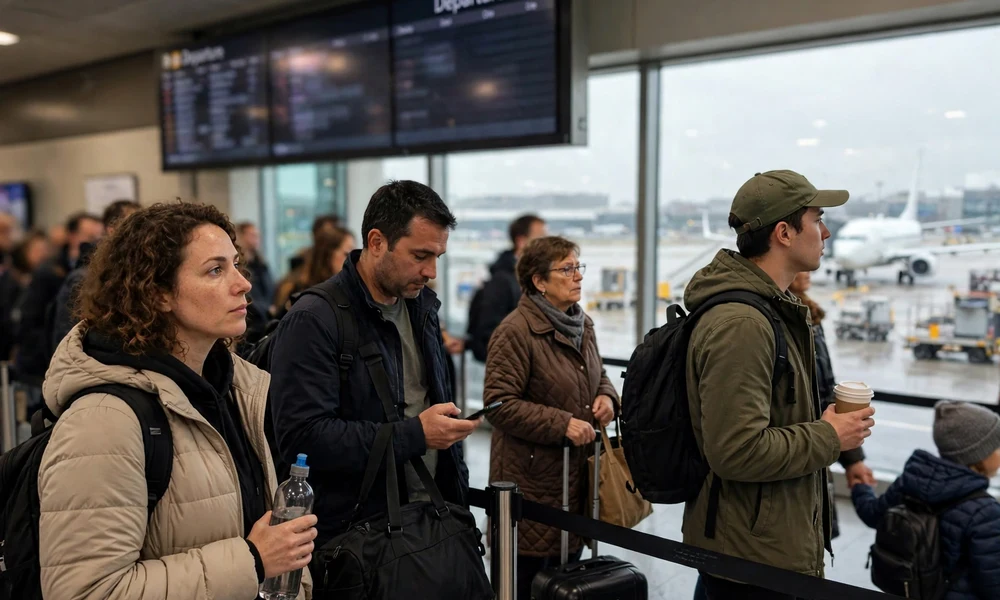
The latest casualty is Norse Atlantic. The Norwegian long-haul budget carrier suspended all flights on 26 November, and the next day its Norwegian operating unit filed for bankruptcy with the Agder District Court, cancelling all flights and halting ticket sales. Chief executive Eivind Roald was blunt about the cause, telling Norwegian public broadcaster NRK: “Fuel is what toppled this company.”
Why hedging decided who survived
Norse Atlantic did not hedge at all. Aviation analyst John Strickland told Al Jazeera that many airlines hedge their fuel purchases to protect themselves against crises, but Norse Atlantic had no protection against rising prices, leaving it fully exposed to spot prices on routes that burn large quantities of fuel.
Hedged carriers still felt the pain, but they had time. A carrier with half its fuel hedged faces a smaller, slower cost increase, and can raise fares and cut capacity while the hedge runs. An unhedged carrier faces the full spot price on every flight from day one, which is why the casualty list is dominated by smaller, weaker-balance-sheet airlines.
What the big airlines are doing about it
The large carriers are not collapsing, but they are bleeding. American Airlines slashed its 2026 profit forecast and said it expected its jet fuel bill to increase by more than 4 billion dollars this year. Its chief executive said the first quarter would have been profitable if not for the fuel run-up, and the airline raised checked baggage fees.
Delta Air Lines said it would cut capacity by around 3.5 percentage points and raise fees for checked bags, with its chief executive expecting jet fuel to add 400 million dollars in costs through March alone. Air France-KLM said it expected a 2.4 billion dollar increase in its fuel bill and cut its capacity outlook, while raising long-haul fares by 50 euros per round trip. Alaska Air withdrew its profit forecast, and Air Canada suspended its guidance.
Why fares are rising and routes are shrinking
When fuel is a third of costs, there are only three ways to respond: charge passengers more, fly less, or absorb the loss. Most airlines are doing the first two, with fares rising, surcharges returning, and baggage and seat fees climbing.
What it means for travellers and investors
For travellers, the message is simple: expect higher fares, fewer choices and more disruption on thin routes. Booking early helps, but it will not beat a fuel shock, and flexible tickets are worth more than usual when airlines are cutting schedules at short notice.
Travel businesses are adapting too, and the tools they use are changing fast. The best AI tools for travel agents in 2027 can help agencies rebook disrupted trips and find alternatives quickly, while the best AI tools for small business in 2027 cover the pricing and customer service work that gets harder when schedules keep changing. For keeping track of customers through the disruption, the best CRM software for small business in 2027 is a practical starting point.
How to read an airline’s fuel exposure
Start with the hedge book. An airline’s quarterly report will say what share of its fuel is hedged, at what price and for how far ahead. A carrier that is 60 percent hedged for the next year is in a different position from one that is 10 percent hedged, and the difference shows up in earnings within a quarter or two.
Next, look at the route mix. Long-haul flying burns more fuel per passenger, so long-haul low-cost carriers are the most exposed. A carrier that dominates a hub can raise fares; one fighting for share on a contested leisure route cannot.
Finally, watch the forward curve and the refinery picture. At an IATA energy forum held this month, participants warned that jet fuel prices could rise again in 2027 because of declining inventories and a lack of spare refining capacity. If that happens, the carriers that rebuilt their hedges will be the ones still flying.
Checklist: what to watch next
- Watch jet fuel prices against the 200 dollar a barrel level in Europe, which has marked the worst of the shock so far.
- Check which airlines report growing hedge cover in their next quarterly results, and which are still exposed.
- Track capacity cuts and route suspensions, especially among smaller long-haul and low-cost carriers.
- Note any further bankruptcies or restructurings, and whether they cite fuel costs as the trigger.
- Watch fare and surcharge changes on the routes you fly, since they are the first place the fuel bill shows up.
- Follow IATA’s next fuel and profit forecasts for signs of whether the 350 billion dollar fuel bill will fall or rise further.
Frequently asked questions
Why have jet fuel prices risen so much?
The war involving the United States, Israel and Iran, which began in late February, disrupted shipping through the Strait of Hormuz and hit refineries that previously supplied about one-fifth of the world’s jet fuel and kerosene exports. That pushed the premium of jet fuel over crude oil to record levels. Global jet fuel averaged about 99 dollars a barrel on 27 February and more than doubled to 209 dollars by April.
Which airlines have collapsed because of fuel costs?
Spirit Airlines ceased operations on 2 May after a planned 500 million dollar rescue fell through, citing a spike in fuel prices as a key factor. Norse Atlantic’s Norwegian operating unit filed for bankruptcy on 27 November after suspending all flights, with its chief executive saying fuel was what toppled the company. airBaltic entered Chapter 11 restructuring in September, and Volotea and Plus Ultra have also restructured or cut routes.
What is fuel hedging, and why does it matter?
Hedging means locking in fuel prices in advance through futures contracts, so an airline pays a known price even if the market spikes. Norse Atlantic did not hedge at all, and airBaltic started the year without hedging agreements, leaving both fully exposed to spot prices. Hedged carriers faced a smaller, slower cost increase and had time to raise fares and cut capacity.
How much are fuel costs hurting the big airlines?
American Airlines expects its fuel bill to rise by more than 4 billion dollars this year and slashed its profit forecast. Air France-KLM expects a 2.4 billion dollar increase. Delta expects 400 million dollars of extra fuel costs through March alone. IATA expects industry profits to halve to about 23 billion dollars.
Will airfares keep rising?
Probably, while fuel stays high. Airlines are raising base fares, adding fuel surcharges and increasing baggage and seat fees, and cutting capacity on routes that lose money. How far fares can rise depends on demand: raise them too far and passengers stop flying, which is why carriers are cutting seats at the same time.
Could fuel prices rise again in 2027?
That is a real risk. At an IATA energy forum held this month, participants warned that jet fuel prices could rise again in 2027 because of declining inventories and a lack of spare refining capacity. The refining margin already accounts for about half of the final fuel price, according to Bloomberg Intelligence.
Bottom line
The jet fuel shock has already done its damage. Two airlines have stopped flying, several more are restructuring, and the industry’s fuel bill has jumped by nearly 100 billion dollars in a single year, cutting profits in half. The carriers that failed were the ones that flew long, fuel-hungry routes on thin margins without hedging, and when the price doubled, they had nowhere to hide.
What happens next depends on two things, the price of fuel and the strength of the hedge book. If prices ease, the large carriers will repair their balance sheets and fare rises will slow. If prices climb again in 2027, as the IATA energy forum warned they might, expect more capacity cuts, more fare rises, and more names on the casualty list.