
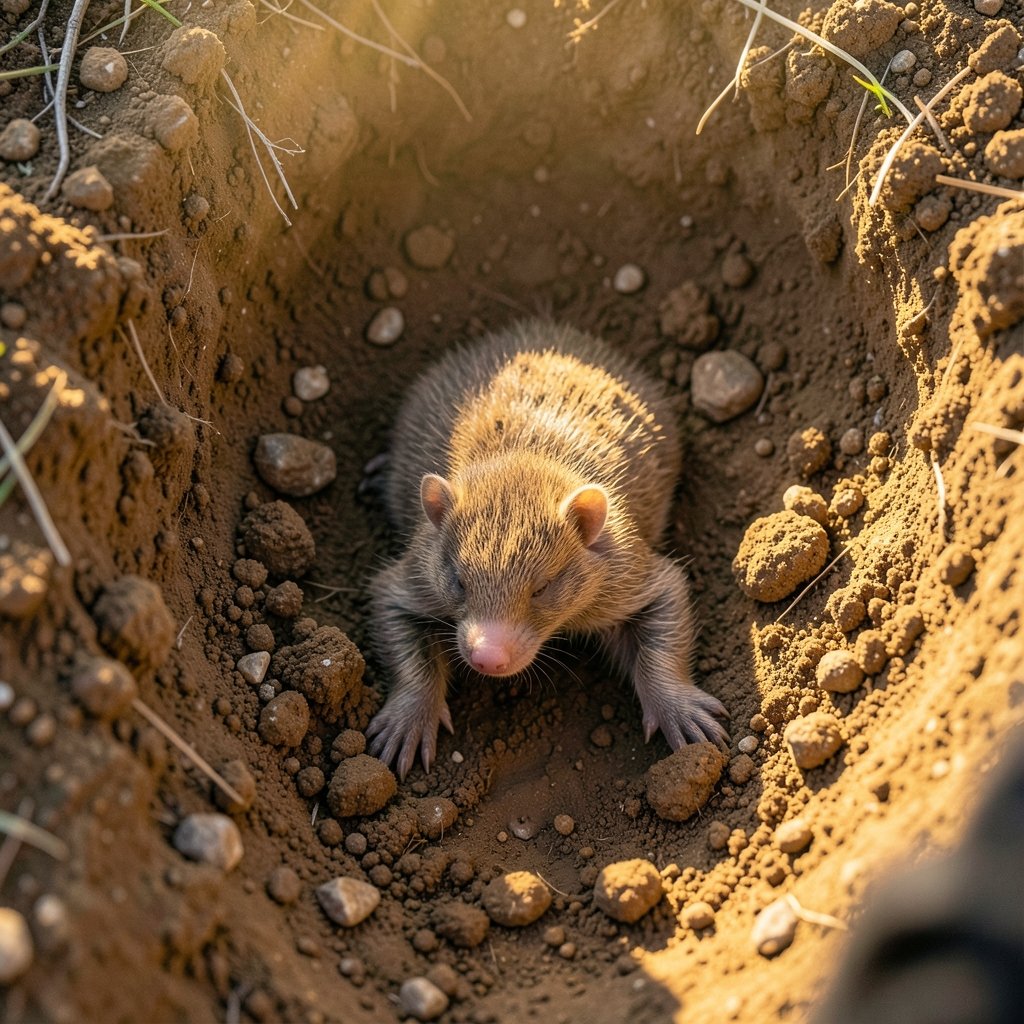
What makes a creature that cannot see become one of the most important teachers in the world of Avatar? For fans of the franchise, the answer digs straight into the ground. The badgermole cub is the juvenile form of the badgermole, the blind, tunneling animal credited in the show’s lore with teaching humans the art of earthbending. Small, sightless, and guided entirely by vibration and touch, these young creatures represent the beginning of a tradition that shapes entire nations. This article looks at what canon actually establishes about badgermole cubs, how they fit into the larger mythology, and where fans most often get the details wrong.
What Is a Badgermole Cub?
A badgermole cub is the offspring of a badgermole, a large, fur-covered creature that lives underground and navigates by sensing vibrations through the earth. Adult badgermoles are enormous, strong, and famously blind. Their cubs share those traits from birth: no functional sight, a strong reliance on seismic sense, and an instinct to burrow.
The creature first appears in the world of Avatar: The Last Airbender, the animated series created by Michael Dante DiMartino and Bryan Konietzko. Badgermoles are native to the mountains and cave systems near the Earth Kingdom, and they are treated in the show’s mythology as the original earthbenders. The cub is not a separate species. It is simply a young badgermole, and that distinction matters because much of the fan confusion comes from treating the cub as its own creature.
In practical terms, a cub is smaller, weaker, and more dependent than an adult, but it already demonstrates the core badgermole abilities: tunneling, sensing movement through the ground, and responding to vibrations rather than sight.
How Badgermoles Taught Earthbending
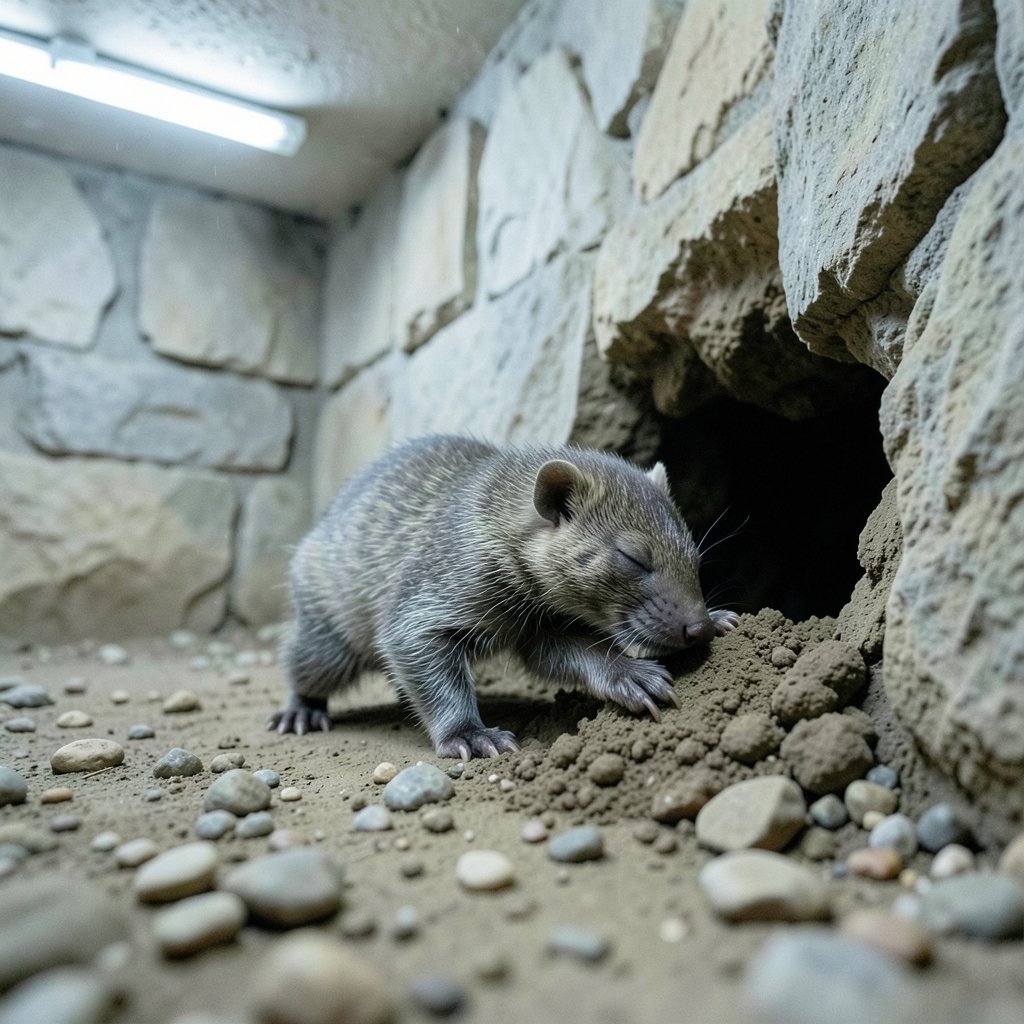
The show’s lore is clear on one point that surprises new viewers: humans did not invent earthbending. According to the series, the first earthbenders learned by watching badgermoles move through rock and soil. The animals did not speak or instruct. They simply did what came naturally, and early humans copied them.
This is where the cub becomes thematically important. A cub practicing its first tunnels is, in a sense, the origin of earthbending repeating itself. The skill is passed down not through lessons but through observation and imitation. That idea runs through the entire franchise: bending styles mirror the movements of the original animal sources.
For readers who want to see how the franchise treats classic Game Boy titles and other legacy releases, the same preservation instinct applies to older media. The Nintendo Switch Online Game Boy lineup shows how older games get a second life, much like older lore gets revisited by new fans.
The Badgermole Cub and Toph Beifong
The most famous human connection to badgermoles is Toph Beifong, the blind earthbending expert. Toph’s backstory explains that as a young child, she ran away and encountered badgermoles in a cave. The animals accepted her, and she learned to “see” the way they do, through vibrations in the ground.
That relationship is the heart of the cub’s narrative role. Toph did not learn from a textbook or a formal instructor. She learned from creatures that shared her blindness and had already solved the problem of moving through the world without sight. The badgermoles, including their young, became her teachers and, in a real sense, her peers.
Why the Cub Matters to Toph’s Story
A cub in that cave would have been a mirror for young Toph. Both were small, underestimated, and forced to develop alternative senses. The show never makes this explicit, but the parallel is hard to miss, and it explains why fans connect so strongly with the cub as a symbol rather than just a background animal.
Seismic Sense: The Cub’s Core Skill
Seismic sense is the ability to detect vibrations through solid ground and interpret them as information about the environment. For a blind creature, it replaces sight entirely. For a badgermole cub, it is the difference between survival and helplessness.
Here is how the skill works in the franchise’s internal logic:
- The creature presses its body or limbs against the ground.
- Vibrations from movement, footsteps, or shifting rock travel through the earth.
- The animal reads those vibrations to locate objects, predators, and prey.
- It adjusts its movement accordingly, often tunneling with remarkable precision.
Toph later demonstrates the same technique, which is why her fighting style looks so different from other earthbenders. She does not watch her opponents. She feels them.
Common Mistakes Fans Make About Badgermole Cubs
Because badgermole cubs appear mostly in flashbacks and background moments, fan discussion often fills gaps with speculation. A few errors come up again and again.
Treating the cub as a separate species. It is not. A cub is a juvenile badgermole, and the adults are the same animal at full size.
Assuming the cub is a mascot or comic relief. In canon, badgermoles are treated with respect. They are ancient teachers, not pets.
Confusing badgermoles with other animal hybrids. The Avatar world is full of hybrid creatures, and it is easy to mix them up. Badgermoles are distinct: blind, furry, earth-dwelling, and tied specifically to earthbending.
Expecting detailed cub biology. The show does not provide it. There is no canon explanation of gestation, litter size, or growth rate. Anyone who claims otherwise is speculating.
What Canon Does and Does Not Say
It helps to separate confirmed lore from fan invention. The table below summarizes the difference.
| Detail | Status in Canon |
|---|---|
| Badgermoles are blind | Confirmed |
| They use seismic sense | Confirmed |
| They taught humans earthbending | Confirmed |
| They live underground | Confirmed |
| Cubs exist as juveniles | Implied and shown |
| Litter size and growth rate | Not established |
| Specific cub names | Not established |
| Cub appearance in Korra | Limited |
The pattern is consistent: broad traits are canon, specific biological details are not. That is normal for a franchise built around mythology rather than natural history.
Badgermoles Across the Franchise
Badgermoles appear in Avatar: The Last Airbender primarily through Toph’s backstory and through references to the origins of bending. In The Legend of Korra, the world expands, and bending lore becomes more political and industrial, but the badgermole’s role as an origin figure remains intact.
The cub, meanwhile, stays mostly in the background. It is a detail that rewards attentive viewers rather than a plot device. That restraint is part of why the creature feels authentic: the show treats it as part of a living world, not as a marketing mascot.
Practical Tips for Fans Exploring the Lore
If you want to dig into badgermole lore without getting lost in speculation, a few habits help.
Start with the episodes, not the wikis. Fan wikis are useful indexes, but they mix canon with inference. Watch the source material first.
Track the difference between “shown” and “stated.” A cub appearing on screen is canon. A fan theory about its diet is not.
Follow the bending-origin thread. The badgermole is one of four original bending sources, alongside the flying bison, the dragon, and the moon. Understanding that structure makes the cub’s role clearer.
Be skeptical of definitive claims. If a source says badgermole cubs mature in a specific number of years, ask where that number comes from. In most cases, it comes from nowhere.
For readers interested in how legacy media gets reintroduced to modern audiences, the Avenging Spirit and Mole Mania re-release coverage offers a useful parallel: old material finds new viewers when it is made accessible again, and the same is true of older franchise lore.
Why the Cub Resonates With Audiences
A creature that cannot see yet moves through solid rock with confidence is unusual. The badgermole cub embodies a simple idea: limitation is not the same as weakness. Toph’s entire character arc rests on that premise, and the cub is the living proof of it inside the mythology.
That theme explains why the creature persists in fan imagination despite limited screen time. It is not a monster, not a villain, and not a comic sidekick. It is a teacher in miniature, doing instinctively what humans later formalized into an art form.
Conclusion
The badgermole cub is a small but meaningful piece of Avatar’s world-building. It is the juvenile form of a blind, earth-dwelling creature that, according to the franchise’s own mythology, taught humans how to earthbend. Its defining trait is seismic sense, the vibration-based awareness that also defines Toph Beifong’s fighting style. What canon establishes is broad and clear: blindness, tunneling, and the role of original teacher. What canon leaves open is everything specific, including biology, behavior, and growth. Fans who keep that distinction in mind will find the cub far more interesting than any invented detail could make it. It is a reminder that in this world, the most important lessons often come from creatures that never say a word.
Frequently Asked Questions
What exactly is a badgermole cub?
A badgermole cub is a young badgermole, the blind, tunneling animal from the Avatar franchise. It is not a separate species. Cubs share the adult traits: no functional sight, strong seismic sense, and an instinct to burrow through earth and rock.
Did badgermoles really teach humans earthbending?
Yes, within the show’s lore. The series establishes that the first earthbenders learned by observing badgermoles move through the ground. The animals did not instruct anyone verbally. Humans copied their movements and developed the bending style from there.
How did a badgermole cub connect to Toph Beifong?
Toph encountered badgermoles as a young child after running away, and she learned to sense vibrations the way they do. The cubs in that setting served as peers and mirrors for her, since both she and they navigated the world without sight.
What is seismic sense?
Seismic sense is the ability to detect vibrations through solid ground and interpret them as information about the surroundings. It functions as a substitute for sight. Badgermoles use it naturally, and Toph replicates it through earthbending.
Do badgermole cubs appear in The Legend of Korra?
Their presence in the sequel series is limited. The franchise expands its bending lore in other directions, and the badgermole remains primarily an origin figure tied to Toph’s backstory and the history of earthbending rather than a recurring character.
Are there official details about cub biology or lifespan?
No. The show does not establish litter size, gestation, growth rate, diet, or lifespan for badgermoles or their cubs. Any specific numbers circulating online are fan speculation rather than canon, so treat such claims with caution.
That caution extends to the cub’s symbolic reading, too. Fans often project personalities onto it, but the show keeps the animal reserved and instinct-driven, which is precisely what makes its bond with Toph feel earned rather than sentimental. The cub does not comfort her or guide her with intent; it simply exists alongside her, and she learns by paying attention. That quiet dynamic is worth keeping in mind whenever the creature comes up in discussion threads or fan art, where exaggeration tends to creep in. Sticking to what the episodes actually show keeps the character grounded and preserves what makes it memorable in the first place.
That instinct-driven reserve also explains the cub’s narrative economy: it teaches without dialogue, and the lesson lands because the audience, like Toph, must read the creature rather than be told what it means. In a franchise dense with exposition, the badgermole cub is a rare piece of world-building that trusts silence. Readers who want to see how older, wordless game design gets preserved for new audiences can look to the Avenging Spirit and Mole Mania re-release coverage as another example of legacy material finding fresh relevance. For Avatar fans, the takeaway is simpler: watch the cave scenes closely, trust the episodes over the wikis, and let the cub remain what it is—a quiet teacher in the dark.



