
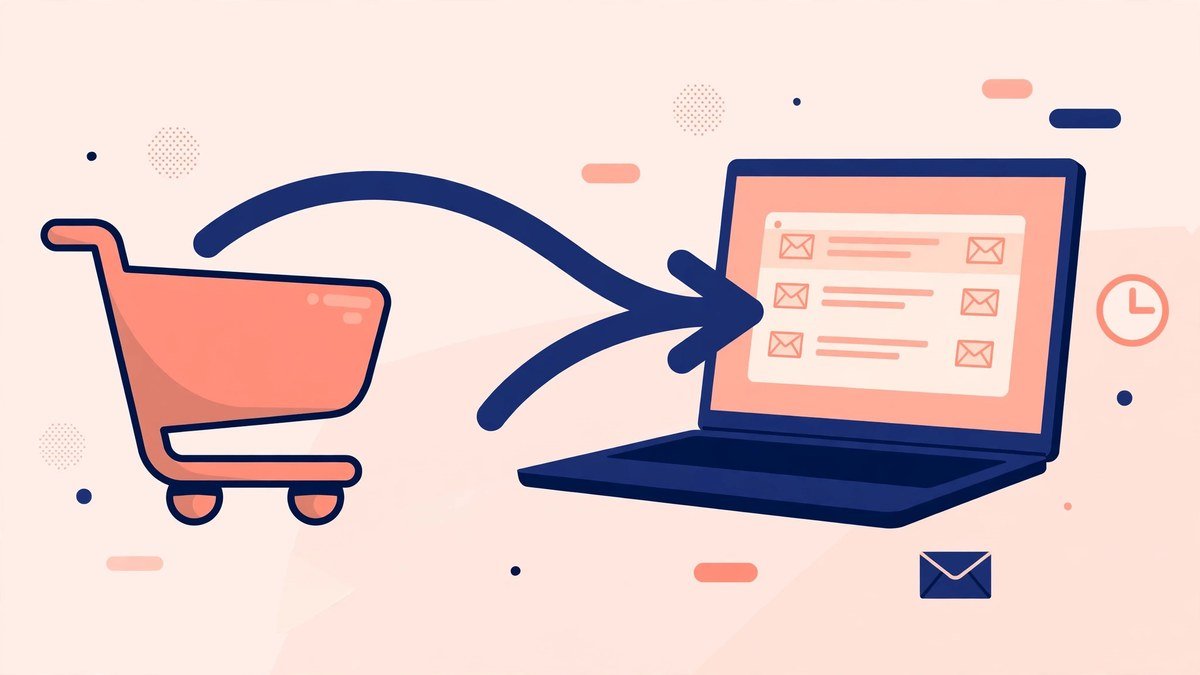
Most online shoppers leave without buying. The average cart abandonment rate sits near seventy percent, which means a store doing well still loses most of its visitors at the last step. AI tools for abandoned cart recovery win a share of those shoppers back, with messages sent at the right time, with the right offer, to the right person.
The best tools in this roundup were chosen on four things that matter every day: how well they time and target recovery messages, whether they work across email, text, and push notifications, whether they connect to the platform you already use, and whether the price makes sense for the revenue they recover. Every tool here has a free plan or a trial, and every one is in active use by working stores in 2027.
The shortlist below covers seven tools that fit different jobs: Klaviyo and Omnisend for full email and text recovery flows, Mailchimp for small stores starting out, ActiveCampaign for automation-heavy shops, Privy for on-site recovery popups, CartBounty for WooCommerce stores, and Shopify’s built-in recovery for stores that want the simplest option. For the wider store picture, the best AI tools for e-commerce cover the platforms these tools plug into.
Key takeaways
- Klaviyo is the best overall pick for recovery flows that combine email, text, and smart timing.
- Omnisend is the best value for small stores that want email, text, and push in one tool.
- Privy is the best choice for winning shoppers back before they leave the site.
- Most tools start free or from about $15 a month, with pricing that grows with your list.
- Never offer a discount in the first recovery message: a reminder alone brings back plenty of shoppers.
At a glance: the shortlist
| Tool | Best for | Starting price | Standout limit |
|---|---|---|---|
| Klaviyo | Full recovery flows | Free to start; paid from about $20 a month | Price grows with list size |
| Omnisend | Email, text, and push | Free plan; paid from about $16 a month | Templates are simpler than Klaviyo |
| Mailchimp | Small stores starting out | Free plan; paid from about $13 a month | Weaker automation than rivals |
| ActiveCampaign | Automation-heavy shops | About $15 a month | Learning curve on setup |
| Privy | On-site recovery | Free plan; paid from about $15 a month | Focused on popups and bars |
| CartBounty | WooCommerce stores | Free core; Pro from about $92 a year | WordPress only |
| Shopify built-in recovery | Simplest option | Included with Shopify plans | Basic flows only |
Klaviyo — Best overall
Klaviyo is the recovery tool most serious stores end up on. Its AI predicts the best time to send each message, picks which customers are most likely to buy, and builds flows that combine email and text in the right order. Because it works from your actual store data, its recommendations are specific to your shoppers rather than generic rules.
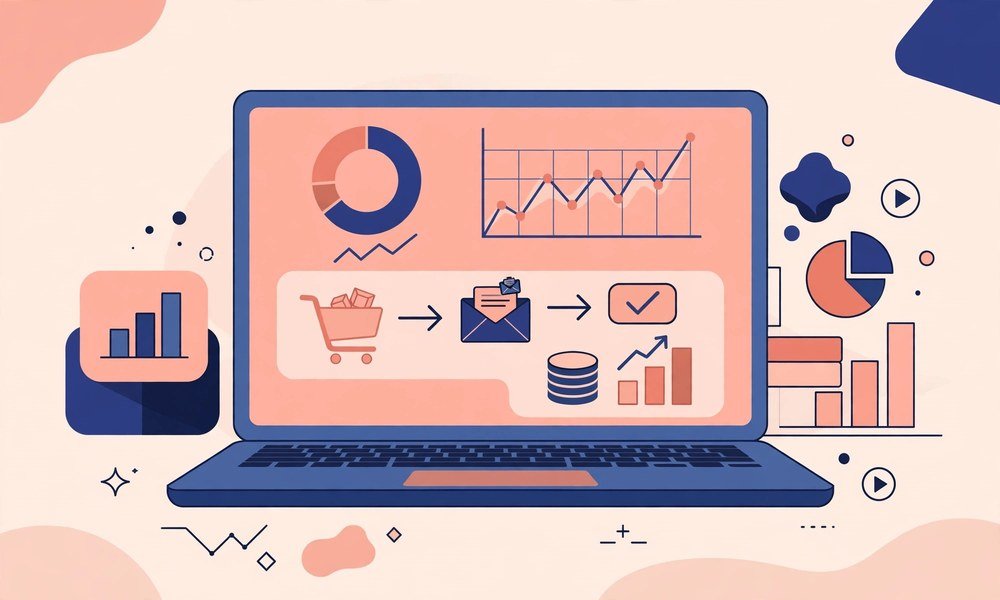
The catch is price: Klaviyo charges by list size, so a growing store pays more every month. For a store doing real revenue, the recovered sales usually cover the cost many times over, but small stores should check the price at their list size before committing.
Pros: Best timing and targeting; email plus text in one flow; strong analytics.
Cons: Price grows with list size; setup takes time to get right.
Omnisend — Best for email, text, and push
Omnisend covers email, text messages, and push notifications in one tool, so a recovery flow can reach a shopper on whichever channel they actually read. Its AI suggests send times and subject lines, and its templates make a good-looking recovery email in minutes rather than hours.
The templates are simpler than Klaviyo’s, and the analytics are less deep. For small and mid-size stores, though, the combination of three channels in one affordable tool is hard to beat, with paid plans from about $16 a month.
Pros: Three channels in one tool; affordable; easy templates.
Cons: Simpler templates than Klaviyo; analytics are less deep.
Mailchimp — Best for small stores starting out
Mailchimp is the recovery tool most small stores try first. Its free plan covers the basics, its abandoned cart emails are easy to set up, and its AI suggests subject lines and send times. For a store sending its first recovery emails, it is the lowest-friction way to start.
The automation is weaker than Klaviyo or ActiveCampaign: flows are simpler, and the targeting is less precise. Stores that outgrow it usually move to Klaviyo, but for a first year of selling, Mailchimp is a sensible start.
Pros: Free plan is usable; very easy to set up; good subject line suggestions.
Cons: Weaker automation; less precise targeting than rivals.
ActiveCampaign — Best for automation-heavy shops
ActiveCampaign is built for stores that want complex recovery logic: different messages for first-time buyers and repeat customers, different offers by cart value, and follow-ups that adapt to what the shopper does next. Its automation builder is the most flexible on this list.
That flexibility comes with a learning curve, and setting up a good flow takes longer than in Klaviyo or Omnisend. For stores with the time to build proper automation, it is the most capable tool here at about $15 a month to start.
Pros: Most flexible automation; good targeting; affordable starting price.
Cons: Learning curve on setup; templates need work to look good.
Privy — Best for on-site recovery
Privy wins shoppers back before they leave, with exit-intent popups, discount bars, and spin-to-win offers that appear at the moment a visitor is about to abandon a cart. That on-site catch is worth having, because a shopper who never leaves is easier to convert than one you have to email back.
It is focused on popups and bars rather than full email flows, so most stores pair it with Klaviyo or Omnisend. Used that way, with a free plan and paid plans from about $15 a month, it adds real revenue for little money.
Pros: Catches shoppers before they leave; easy to set up; affordable.
Cons: Focused on popups; needs an email tool alongside it.
CartBounty — Best for WooCommerce stores
CartBounty is built for WordPress and WooCommerce, and it does one job well: it saves abandoned carts, captures the shopper’s email even if they never reach checkout, and sends recovery emails automatically. For a WooCommerce store, it is the simplest and cheapest serious recovery tool, with a free core and Pro from about $92 a year.
It only works on WordPress, and its email features are simpler than a full marketing platform. For WooCommerce sellers, though, it is the obvious pick.
Pros: Built for WooCommerce; captures emails before checkout; very cheap.
Cons: WordPress only; simpler email features than rivals.
Shopify built-in recovery — Best for simplest option
Shopify includes abandoned cart recovery in every plan: it sends a reminder email a set time after a shopper leaves, with the cart contents included. It is basic, with no AI timing and no text messages, but it takes minutes to turn on and costs nothing extra.
For a new store, that is enough to start recovering sales while you decide on a fuller tool. Most stores graduate to Klaviyo or Omnisend once recovery becomes a serious revenue line.
Pros: Included in every Shopify plan; takes minutes to set up; no extra cost.
Cons: Basic flows only; no AI timing or text messages.
How to choose
Start with your platform. Shopify stores should turn on the built-in recovery first, then add Klaviyo when revenue justifies it. WooCommerce stores should start with CartBounty. Stores on other platforms should pick Omnisend for value or Klaviyo for the best flows, and add Privy on top if you want to catch shoppers before they leave.
Then think about channels. Email alone recovers a good share of carts, but adding text messages usually lifts recovery further, so a tool that covers both is worth paying for once your list is big enough. And remember the first rule of recovery: send a reminder before you offer a discount, because many shoppers just need a nudge. It also helps to watch what shoppers do after they get the message: if most click through but few complete the purchase, the problem is probably the checkout itself, a slow page or an unexpected shipping fee, rather than the email. For the support side of recovery, the best AI tools for chatbots cover answering shoppers who reply to a recovery message with a question. Our guide to the best email marketing software for small businesses covers the wider email picture.
Checklist: before you pay
- Check the price at your actual list size, not the headline starting price.
- Confirm the tool connects to your store platform and your email list.
- Test a recovery flow on yourself before turning it on for customers.
- Set the first message as a reminder, not a discount, and test from there.
- Check whether text messages are included or cost extra per message.
- Confirm you can export your list and your recovery data at any time.
Frequently asked questions
How much revenue can cart recovery actually win back?
A good recovery flow typically recovers five to fifteen percent of abandoned carts, depending on the store and the offer. For a store doing steady sales, that is often the highest-return marketing spend available.
Should I offer a discount in recovery emails?
Not in the first message. Send a plain reminder first, then a second message with a small incentive if the shopper still has not bought. Discounting every cart trains customers to abandon on purpose.
How soon should the first recovery message go out?
Within an hour is the usual advice, with the first email going out thirty to sixty minutes after abandonment. AI timing tools adjust that per shopper, which usually beats a fixed delay.
Do I need text messages as well as email?
Not at first, but they help. Text messages are read faster and more reliably than email, so adding them usually lifts recovery rates. Start with email, add text once the flow is working.
Will recovery emails annoy my customers?
Not if you keep them to two or three messages and space them out. Most shoppers expect a reminder, and many are glad of it. The annoyance starts with daily messages and big discount pressure.
Can I recover carts from shoppers who never gave me their email?
Partly. Tools like CartBounty and Privy capture emails as shoppers type them, even before checkout. For truly anonymous visitors, on-site popups are the only catch, which is why Privy is useful alongside an email tool.
The bottom line
For most stores, Klaviyo is the best overall pick: its timing, targeting, and combined email and text flows recover the most revenue. Small stores should start with Omnisend for value or Mailchimp for simplicity, WooCommerce stores with CartBounty, and every store should turn on its platform’s built-in recovery first.
Whatever you choose, start with a reminder, not a discount, and test the flow on yourself before it goes live. Prices and plans change, so check the product’s current plan details before buying.
Note: Prices and plans change. Check the product’s current plan details before buying — no link is provided here by design, all links in this article go to other occcy.com guides.



