The Google Pixel 11 is the strongest all-around choice for most shoppers, while other picks suit tighter budgets or specific priorities. Your budget, daily apps, and phone plan shape which features matter most. A refresh rate is how often a display updates each second, measured in hertz (Hz).
This shortlist separates all-around, premium, value, and budget needs, with a foldable option for a different screen style. You do not need every new feature. The best fit is the phone whose useful features match your habits and spending limit.
Key Takeaways
- Pixel 11 is the easiest all-around choice for most people.
- Galaxy S26 Ultra suits shoppers who want premium features.
- Galaxy A17 5G keeps the upfront cost low.
- Pixel 10a offers a value-focused alternative with a strong camera.
- Galaxy Z Fold 8 opens into a wider inner screen.
- Check carrier support and software terms before ordering.
Your monthly data plan and current phone habits can narrow the choice quickly. Think about the tools you use for work, maps, photos, video, and staying in touch. Start with the features you rely on every day, then set a spending limit that feels comfortable.
How Do the Best Android Phones 2026 Compare?
The Google Pixel 11 is the best Android phone for most people, with the Galaxy S26 Ultra better suited to premium-feature shoppers. The right shortlist also includes a value pick, a lower-cost model, and a foldable alternative.
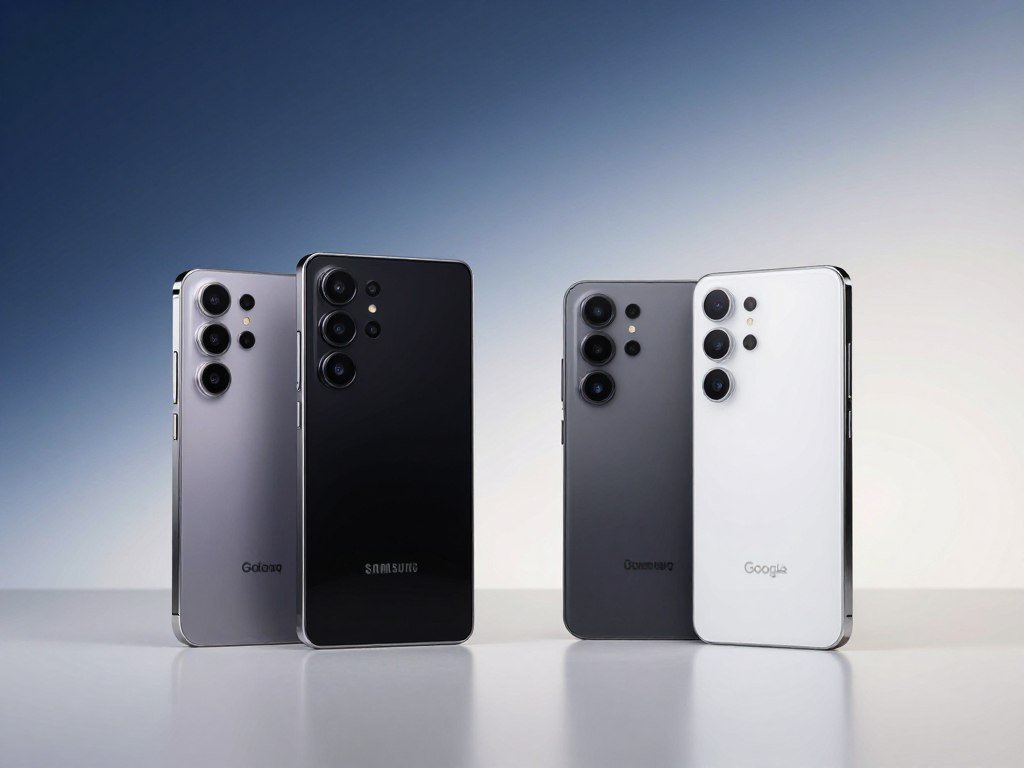
The Galaxy S26 Ultra costs $1,300 and scores 9.3, while the Pixel 11 costs $899 and scores 9.0. The Pixel 10A scores 8.2, giving budget-minded shoppers another option.
| Model | 2026 score | Best fit |
|---|---|---|
| Samsung Galaxy S26 Ultra | 9.3 | Premium features |
| Google Pixel 11 | 9.0 | Best for most people |
| Google Pixel 10A | 8.2 | Value choice |
A score helps you compare options, but your budget and daily needs should decide the winner.
The Samsung Galaxy A17 5G is the lower-cost option named here. For a larger screen that folds open like a book, consider the Samsung Galaxy Z Fold 8.
Searches for the top 10 Android phones 2026 or top 5 Android phones 2026 call for a useful shortlist, not an unsupported ten-model ranking. These picks serve different shopping needs rather than claiming to rank every Android model.
A top 10 best phones in the world in 2026 list needs a wider scope. These recommendations cover Android phones, not every smartphone platform, including the Apple iPhone lineup.
The Pixel 11 provides the clearest starting point for shoppers who want a balanced phone. The Ultra makes more sense when its premium features are worth paying extra for.
Choose the Pixel 11 for a straightforward all-around pick, or pay more for the Galaxy S26 Ultra only if its premium features matter to you.
How Much Should You Spend on an Android Phone?
A useful budget is the most you are comfortable spending for features you will actually use, not the market’s average price. Set a personal ceiling based on how you use your phone and how long you expect to keep it.
Industry prices and your ideal phone budget measure different things. Global smartphone retail prices had risen 20% so far in 2026 amid higher memory costs, as of October 2026.
A market average is not your target
IDC forecast a 2026 smartphone average selling price of $581, up 27.6% from the prior year. That average describes sales across a market, not the right amount for one customer.
Retail-price increases track changes in what phones cost at retail. Average selling price reflects what buyers pay across many models and sales. The two measures are related, but they are not interchangeable.
A low-cost phone may cover messaging, maps, and basic apps well. A higher-priced device may make sense if you rely on demanding software or need more room for files and photos.
Set a ceiling around the features you use
Think about storage before you choose a price limit. Video, games, downloaded music, and large work files can fill a phone faster than texts and web browsing.
Also consider the phone’s expected time in service. A device you plan to keep for several years may justify spending more on storage or support. Replacing phones often makes a lower upfront cost more appealing.
Do not let an industry figure push you toward a phone that strains your budget. Your spending limit should leave room for a case or other essentials.
Leave room in your budget for a case or other essentials instead of stretching for a feature you will rarely use.
Which Specs Matter Most for Everyday Performance?
For a phone that handles several apps at once, start with at least 8GB of RAM and a current midrange processor family. These practical targets matter more than one headline number.
Look for 8GB of RAM, with 12GB better for heavy multitasking and intensive AI tasks. A Snapdragon 7 series or higher, or a MediaTek Dimensity 7000 series or higher, is a useful processor target.
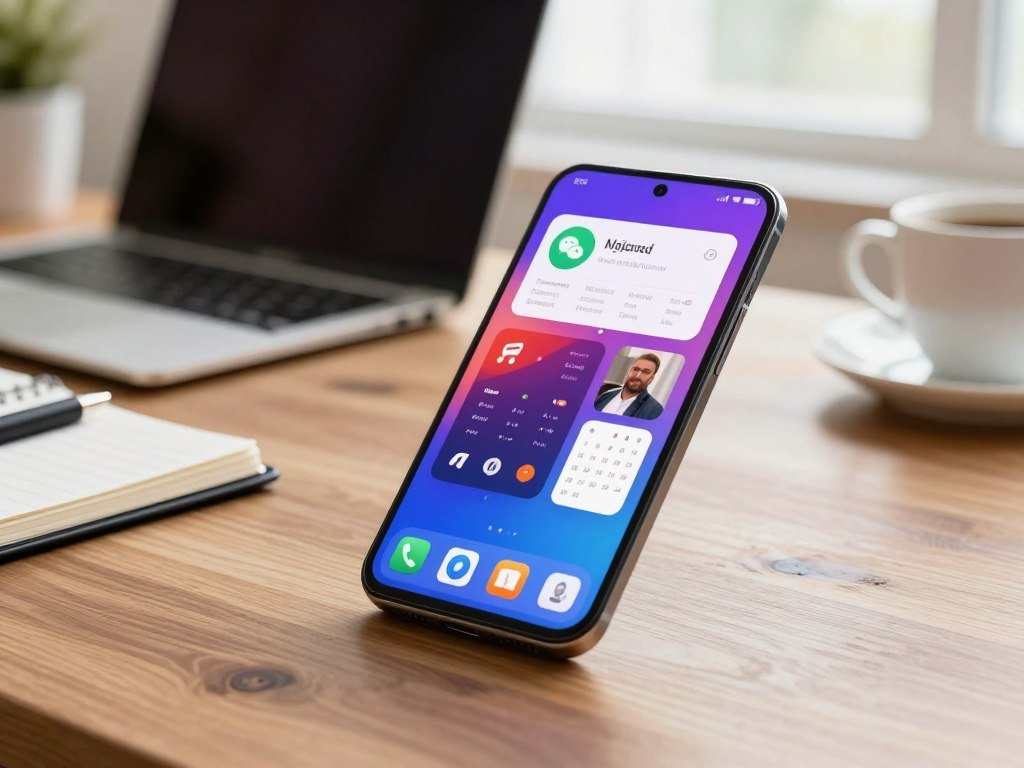
RAM gives apps room to stay open while you switch between tasks. A newer processor family can also help keep apps responsive, but a model name alone tells only part of the story.
Two phones with similar memory can feel different when their processors, software, and workloads differ. A phone used for email and web browsing has different demands from one used for games or AI tools.
RAM for multitasking and AI
Use these four checks to judge whether a device suits your everyday tasks:
- RAM capacity: Aim for 8GB as a practical baseline.
- Processor family: Look for Snapdragon 7 or higher, or Dimensity 7000 or higher.
- Workload: Note whether you play demanding games or use intensive AI features.
- App response: Check whether your intended apps feel quick during real use.
Processors that keep apps responsive
Processor generations can affect speed and how well a phone manages newer technologies. A recent midrange chip is often enough for common apps, while intensive tasks make stronger hardware more useful.
Think about how you use a computer, too. If your phone handles video editing, games, or several work apps, prioritize sustained responsiveness over a flashy chip label.
If you use intensive AI features or keep many apps open, favor 12GB of RAM over a small processor-name difference.
Which Budget Android Phones Are Worth Considering?
The Samsung Galaxy A17 5G is the clear starting point if keeping the upfront price low matters most. The Google Pixel 10a is a higher-value alternative if you can spend more for a stronger overall feature mix.
The A17 5G is the lowest-priced named pick, while the Pixel 10a is the value choice. PCMag lists the A17 at $199.99 and names it an affordable phone pick for most people in 2026.
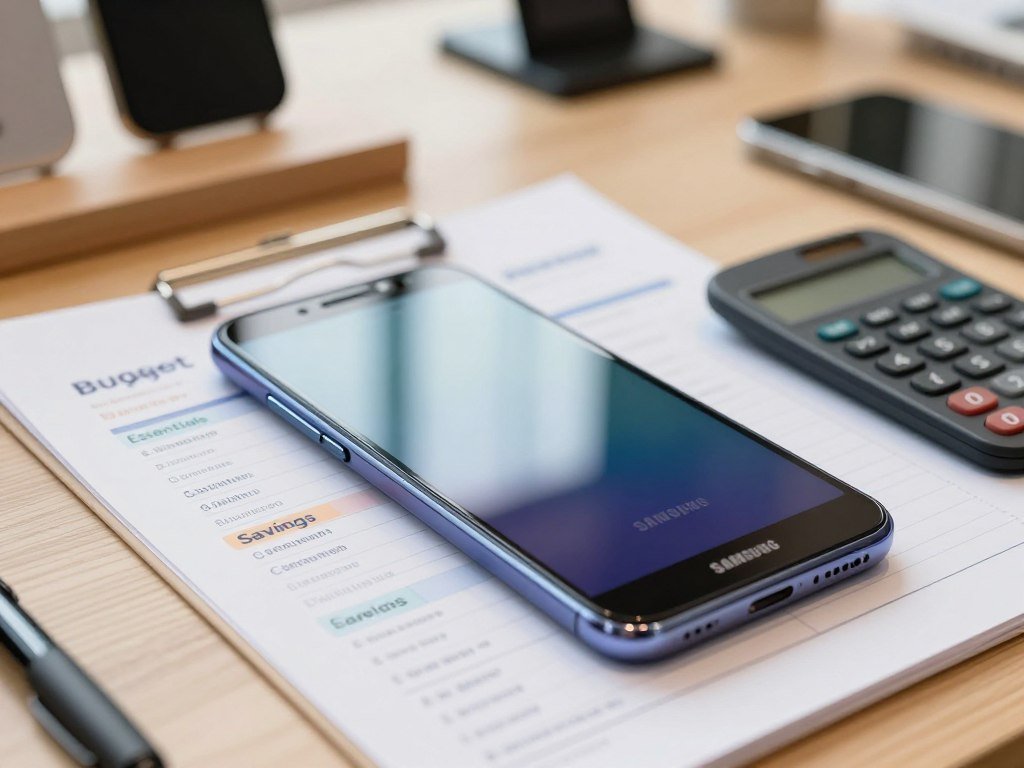
The A17 5G suits basic daily tasks and shoppers who want a Samsung Galaxy phone at a low price. It gives you the core smartphone tools without asking you to pay for high-end features.
The Pixel 10a fits shoppers who want a better balance of camera strength and long-term software support. Popular Mechanics selected it as its best-value Android phone in 2026.
That does not make the Pixel 10a the right choice for every budget. The extra cost only pays off if you value its strengths more than the A17’s lower starting price.
Both models appear in this budget phone comparison under $500, which also covers other alternatives. It can help you compare features by intended use without treating the cheapest option as an automatic winner.
A low price can come with trade-offs that matter to you. Camera quality or a longer support period may be worth paying more for, while those benefits may have little value if you replace phones often.
The A17 5G is a practical choice when upfront cost leads your decision. The Pixel 10a makes more sense if the features you care about justify its higher price.
Compare the features you will use against the extra amount you would pay before stepping up from the A17 5G.
Which Android Phone Suits Camera-Focused Buyers?
Camera-first shoppers should start with the Pixel 10a, while the A17 5G offers a clearly specified three-camera setup at a budget price. The Pixel’s excellent camera makes it the stronger first choice for photos.
Megapixel counts alone do not tell you which phone takes better photos. The A17’s 50MP main camera includes optical image stabilization, with a 5MP ultrawide and 2MP macro camera alongside it.
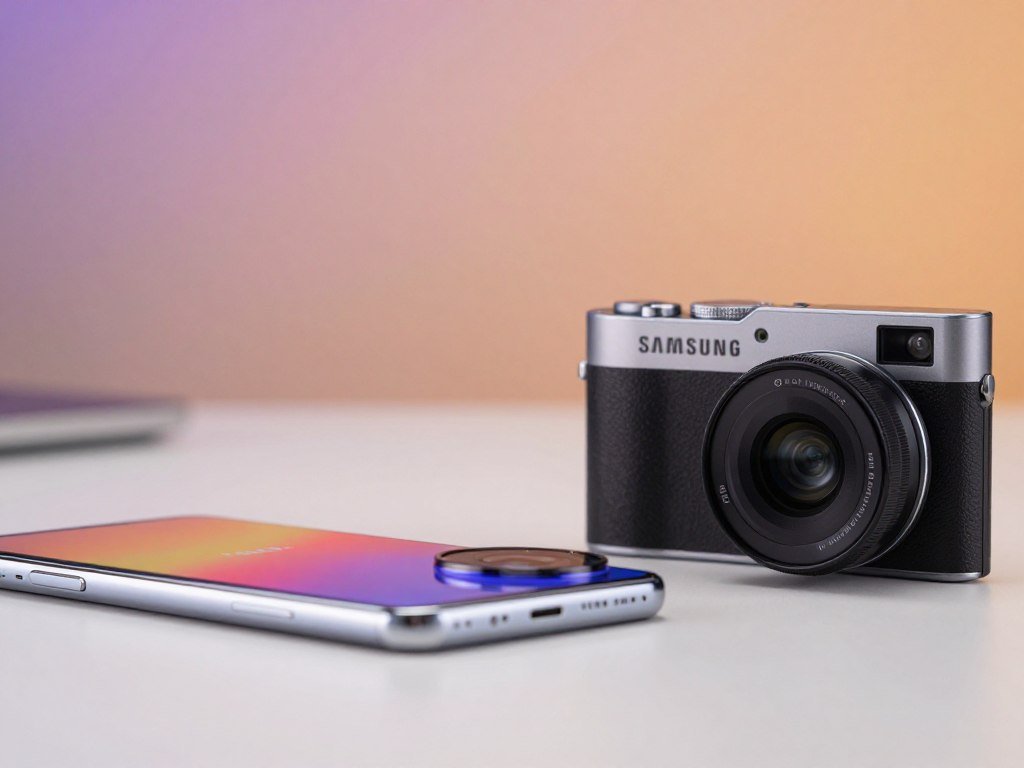
Each rear camera can cover a different field of view. The main camera handles common shots, the ultrawide can fit more into a scene, and the macro lens focuses on close subjects.
Optical image stabilization helps keep a camera steadier when a shot is harder to hold still. It can be useful in dim light or while recording video, though it does not guarantee a sharp result.
The Pixel 10a costs $499 and pairs its camera with consistent Android software updates. For everyday use, that mix may suit someone who takes many photos and wants a simple camera experience.
Think about the kinds of pictures you take, from pets indoors to friends outside or video on the move. Review sample images that match those situations, and check whether the results look natural to you.
Camera apps can also affect the way photos are saved and shared. Look at the controls you expect to use, such as quick access to video or editing tools.
Judge sample photos in the lighting and situations you actually encounter, not by the largest megapixel number.
Which Screen Design Fits Your Everyday Use?
Choose a larger, sharper screen for media and detailed work, or a smaller standard design if one-handed handling matters more. The screen format changes how a phone feels during reading, video, and daily errands.
Refresh rate describes how often the display updates each second. A built-in Privacy Display limits side viewing; it does not monitor access to the phone.
| Model | Display | Notable screen feature |
|---|---|---|
| Samsung Galaxy S26 Ultra | 6.9-inch AMOLED, 3,120×1,440, adaptive 1–120Hz | Built-in Privacy Display |
| Google Pixel 11 | 6.3-inch OLED, 2,424×1,080, variable 60–120Hz | Smaller standard-screen option |
| Samsung Galaxy Z Fold 8 | 4:3 main display | Minimized crease |
A higher refresh rate means the display updates more often, which can make motion look smoother. Adaptive and variable rates can change as you use the phone, rather than staying fixed.
The Galaxy S26 Ultra has a large, sharp screen for reading small text or viewing detailed content. Its Privacy Display helps reduce side viewing in public spaces, but it is not a security tool.
The Pixel 11 offers a smaller standard screen that may be easier to handle with one hand. Its resolution and variable refresh rate still support clear text and smooth motion.
The A17 5G has a 6.7-inch display, 2,340 by 1,080 pixels, and a 90Hz refresh rate. That size gives you more viewing room than a compact phone, without the folding format.
The Z Fold 8 opens into a broader inner screen for reading or working across more space. A phone that feels comfortable in your palm can matter more than extra screen area.
Try to handle a large-screen model before committing if you often use a phone with one hand.
How Long Should Android Software Support Last?
A longer update commitment matters most if you intend to keep the same phone for several years. Support length affects both new Android features and how long the phone receives security fixes.
Check that the manufacturer promises both operating-system and security updates. An operating-system update brings a new Android version, while a security update fixes known risks.
Check both update types
Use this three-part checklist before you buy:
- Promised period: Find the stated support length for the exact model.
- Update types: Confirm that the promise covers operating-system and security updates.
- Ownership plan: Decide whether you expect to keep the phone long enough to benefit.
The Galaxy A17 5G has six years of operating-system and security updates. Google guarantees at least seven years of both update types for the Pixel 10a.
For more detail on the Pixel 10a’s price range and features, compare this phone buying guide for different budgets. Support can matter as much as a camera or screen if you keep a phone for years.
Match support length to ownership plans
A long promise has less value if you replace phones frequently. A shorter ownership cycle may make another feature, such as storage or a lower starting cost, more important.
Find the support terms for the exact model, not just the brand. Different phones from one company can receive different commitments.
An old security patch date does not show whether future updates will arrive. Check the model’s promised support period and the latest security patch listed on the phone.
Before buying, confirm that the support promise covers both operating-system and security updates.
How Should You Compare Battery Life and Water Resistance?
A measured runtime is more useful than battery capacity by itself when you want to know how long a phone lasts. Test results show what a phone managed under a set workload.
A battery of 4,000mAh or higher is a useful general target, but capacity alone does not determine runtime. Apps, screen use, signal strength, and settings can change how long a charge lasts.
Battery tests beat capacity alone
Look for a review test that reports hours and minutes, then compare phones tested in similar ways. The Galaxy A17 5G lasted 15 hours and 45 minutes in a PCMag battery test.
A larger battery does not always last longer in daily use. A power-hungry display or processor can use more energy, while lighter tasks may stretch a charge.
Read the IP rating literally
IP ratings describe how well a device resists dust and water under set test conditions. They do not mean every phone can handle every wet situation.
- IP54: Splash resistance, as listed for the Samsung Galaxy A17 5G.
- IP67: Water resistance; a rating to look for when seeking protection from a pool drop.
- IP68: Water resistance; also a rating to look for when seeking protection from a pool drop.
Check the exact phone’s rating and care instructions before exposing it to water. Wear, damage, and repairs can affect the protection a device offers.
A water rating does not make a phone safe for every depth or length of exposure. Treat water resistance as protection against a specific exposure, not permission to take any phone swimming.
What Do Global Smartphone Sales Rankings Tell You?
The best-selling phone is not automatically the best phone for your budget or priorities. Sales rankings describe what sold, not how well each device fits your daily needs.
The Samsung Galaxy A16 5G led Android smartphone sales globally in 2025, while the Apple iPhone 16 led overall. Apple and Samsung occupied all ten positions in the global top-selling model list that year.
The ten best-selling smartphone models made up 19% of global smartphone sales in 2025. The Galaxy S25 Ultra appeared in that global top ten for the second year in a row.
A top 10 Android phones 2025 list cannot be treated as a list of the world’s ten top-selling phones. Every place in the global top ten belonged to Apple or Samsung, so the lists answer different questions.
An Android-only list can still help you see which models sold well within that platform. It does not tell you whether a phone fits your budget, storage needs, or preferred interface.
A top 10 Android phones 2024 list is historical context, not a current 2026 buying guide. Older rankings reflect the models and buying patterns of that period.
Popularity can help explain which brands have broad reach. It cannot tell you whether a device will suit the apps and services you use each day.
Use sales rankings to understand popularity, then choose by the features and support that suit you.
What Does the 2026 Smartphone Market Mean for Buyers?
Market rankings describe shipments and sales, not which phone will suit you best. Shipment numbers can show how much each company ships, while market share describes a company’s slice of total shipments.
IDC reported 276.3 million global smartphone shipments in Q2 2026, down 7.4% year over year. Samsung and Apple both grew shipments during that quarter, while Xiaomi shipped fewer phones.
| Manufacturer | Q2 2026 shipments | Year-over-year change |
|---|---|---|
| Samsung | 62.7 million | +8.1% |
| Apple | 55.7 million | +14.9% |
| Xiaomi | 31.2 million | -26.4% |
In Q3 2026, global shipments fell 20% year over year, reaching their lowest Q3 level since 2012. Samsung held 23% of shipments, Apple 22%, Xiaomi 12%, OPPO 9%, and vivo 8%.
Q2 shipment totals and Q3 market shares measure different periods. Do not combine them as if they were one snapshot of the phone market.
IDC forecast worldwide smartphone shipments would fall 16.7% in 2026 to just over one billion units. It forecast Android smartphone shipments would fall 24.3%.
IDC also forecast an average selling price of $581 for 2026, up 27.6% from the prior year. Higher memory costs were part of the pressure on phone prices.
A search for the best phone in the world in 2026 or top 5 best phones in the world in 2026 needs a clear measure. Shipment leadership does not decide which model is best for an individual buyer.
Compare a model’s features and support directly instead of treating a brand’s shipment share as a quality score.
Is a Foldable Android Phone Worth the Trade-Offs?
A foldable makes the most sense if you will regularly use its larger inner screen for reading, multitasking or viewing content. A book-style foldable opens like a small book to give you more room inside.
The Samsung Galaxy Z Fold 8 has no telephoto lens and no built-in magnets for Qi2 charging. Those missing features matter if you often zoom for distant subjects or rely on magnetic charging gear.
What the wide inner screen adds
The large inner display can make long articles, documents, and maps easier to view. It can also give two apps more room when you want to work across them.
That space is most useful when you open the phone often. If you mostly check messages, take quick calls, or use one app at a time, a standard phone may be simpler.
A clamshell-style Motorola Razr folds across the middle and takes up less room when closed. Its design centers on a compact outer shape, rather than a broad inner screen for multitasking.
What the missing hardware changes
The Fold 8’s camera setup lacks a telephoto lens, which can limit dedicated zoom options. It also lacks built-in Qi2 magnets, so magnetic charging accessories may not attach as expected.
Foldables add a different way to carry and use a phone, but the design does not guarantee that every feature matches a standard model. Think about your camera and charging habits before choosing the larger inner display.
Choose a standard phone instead if a telephoto camera or built-in Qi2 magnets are priorities.
What Should You Check Before Setting Up a New Android Phone?
Before moving your number, confirm that your carrier supports the exact phone and SIM setup you plan to use. Stock Android means Android software kept close to Google’s standard interface, with fewer manufacturer-specific changes.
A SIM card identifies a subscriber to a mobile network, while Wi-Fi and cellular data are different connections. A phone connects to cellular service through radio links, and Wi-Fi gives it another way to access the internet.
A smartphone can use apps and multimedia over either connection, depending on your setup. Most SIM cards identify a subscriber, while R-UIM cards are another type of mobile identity module.
Stock Android versus manufacturer interfaces
Stock Android phones in 2026 are phones using a software interface close to Google’s version of Android. The term describes software style, not a separate kind of cellular service.
Manufacturers can add their own menus, apps, and tools to Android. Those changes may suit your habits, so compare the interface as well as the hardware.
SIM, carrier and calling-app checks
Before relying on the new phone, check these four setup details:
- Carrier support: Confirm the carrier supports the specific device.
- SIM type: Check whether the phone uses a physical SIM card or eSIM.
- Number transfer: Plan how to move your existing phone number.
- Calling features: Check which calling-app tools work on the device and in your location.
Google Phone runs on most Android devices with Android 9.0 and above. It offers spam warnings, number blocking, caller ID, and visual voicemail, though features vary by device, country, and language.
Automatic Call Screen is available in the US in English only. Voicemail transcription is also available in the US in English only, while Hold for Me works on Pixel 2 and newer phones for toll-free numbers.
Call recording announces when recording starts. Emergency calling can share location and assistance information in Australia, the UK, and the US in English.
The A17 5G supports Wi-Fi 5, but Wi-Fi access does not replace a mobile network connection. For more setup ideas, see this guide to earbuds and phone compatibility.
A privacy display can limit side viewing, but it cannot tell whether an account or phone is compromised. Review app permissions and account-security alerts for signs of unwanted access.
Finish setup by checking permissions and available security alerts before signing into sensitive accounts.
Conclusion
For most shoppers, the Pixel 11 is the simplest place to start. The Galaxy S26 Ultra suits buyers who want premium features, while the Pixel 10a and Galaxy A17 5G fit different budgets and needs.
Before ordering, check carrier compatibility for the exact model and read its support terms. A phone that works with your service and receives updates for your ownership plan is a safer choice.
Choose the model that fits your budget and daily habits, then confirm compatibility with your carrier before placing the order.
FAQ
Which is the best Android phone to buy in 2026?
The Google Pixel 11 is the best choice for most people in 2026. It offers the clearest all-around fit in this group, without making premium features the main reason to buy. Choose the Samsung Galaxy S26 Ultra if its premium tools matter more than keeping the price down. Your choice should match your budget, daily apps, and expected time with the phone.
Who is the world no. 1 mobile?
Samsung led smartphone shipments in Q3 2026, while Apple’s iPhone 16 was the best-selling individual model globally in 2025. Those answers use different measures and years. A shipment leader is a company with the largest share of phones shipped during a period. A best-selling model is one specific phone that sold the most during its stated period.
What is the most sold mobile phone in the world?
Apple’s iPhone 16 was the top-selling smartphone model globally in 2025. That is a model-level sales result for that year, not a claim about the best phone for every buyer or the leading phone in 2026. A popular model can still be a poor fit if its operating system, price, or features do not match what you need.
What is the best budget phone in 2026?
The Samsung Galaxy A17 5G is the affordable pick for most people who want a low upfront cost. The Google Pixel 10a is a higher-priced value alternative for shoppers who place more weight on camera quality and software support. Compare the features you expect to use, rather than choosing only by the lowest price or the number of cameras.
Which Android phone is the best value for money?
The Google Pixel 10a is the value pick, with a strong camera and a guarantee of at least seven years of operating-system and security updates. That support can help if you plan to keep the phone for years. The less expensive Samsung Galaxy A17 5G may fit better if reducing the upfront cost matters more than those added benefits.
Can someone be watching everything I do on my phone?
Not by default, but compromised accounts, risky app permissions, or malicious software can expose some activity. A privacy display only limits side viewing; it cannot detect account access or harmful apps. Review app permissions, remove apps you do not trust, and check account-security alerts for unfamiliar sign-ins. Use unique passwords and available account protections to lower the risk of unwanted access.