Choosing an iPhone in 2026 is easier once you decide what matters most in daily use: price, battery life, camera flexibility or a particular design. Your shortlist could include an affordable everyday phone, a stronger all-rounder, a premium camera phone, a slim design or a foldable.
This comparison weighs useful trade-offs, not just launch dates or high prices. ProMotion is Apple’s variable-refresh display technology, which can run from 1Hz to 120Hz for always-on viewing and smoother scrolling.
For some buyers, a low price matters most. Others need longer battery life, a more flexible camera, or a screen that opens for multitasking.
Each model makes a different promise, and some promises come with compromises. This guide helps you match those trade-offs with the way you use your phone, from casual photos to long days away from an outlet.
A sensible shortlist starts with the features you will use every day, not the longest spec sheet.
Key Takeaways
- Choose the iPhone 17 for a capable everyday phone with a balanced feature set.
- Choose the iPhone 17e when a lower starting price matters most.
- Pick the iPhone 18 Pro for dedicated telephoto photography and demanding apps.
- The iPhone 18 Pro Max suits heavy use and a large screen, but weighs 249g.
- The iPhone Air favors a thin, light design, while the iPhone Duo folds open for a larger display.
- A certified refurbished iPhone may offer premium features at a lower listed price.
How Do the Leading iPhones Compare at a Glance?
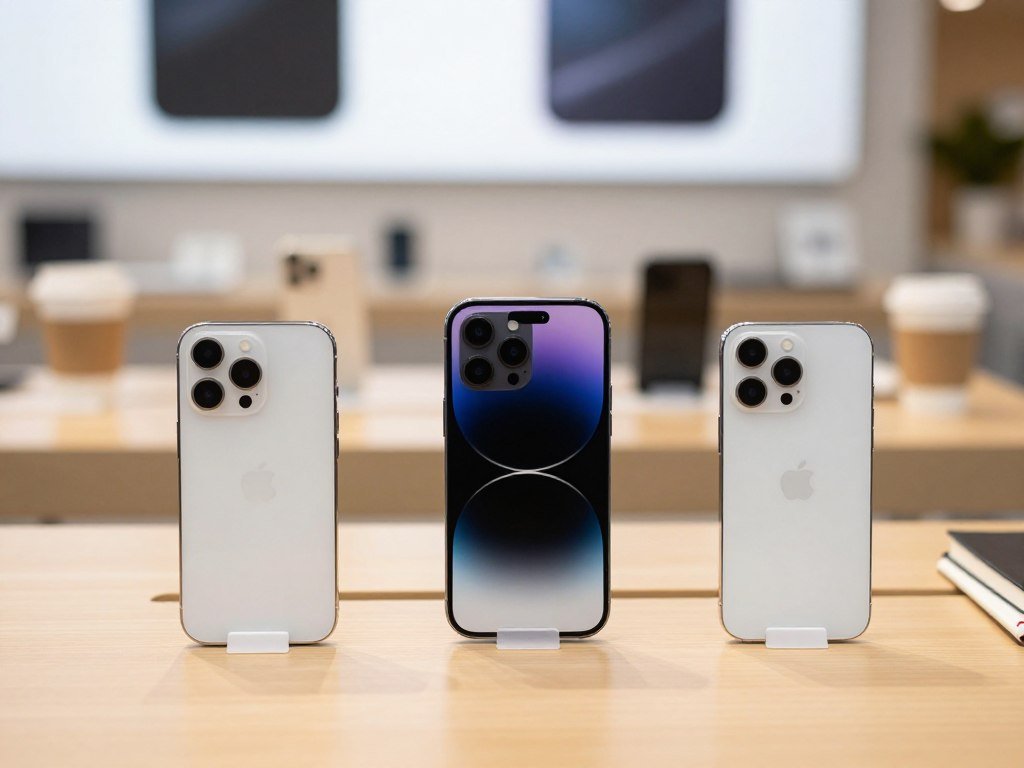
The iPhone 17 is the strongest default for most buyers, while the other leading choices target specific needs. Price first helps narrow the best iPhone 2026 specs without treating every Apple iPhone as the same kind of phone.
Ten ranked models would create false equivalence, so this shortlist compares five meaningfully different current choices. The iPhone Air and a certified refurbished iPhone appear later for buyers with those priorities.
| Model | 2026 US starting price | Best fit |
|---|---|---|
| iPhone 17 | $929 or $899 with carrier activation | All-round use |
| iPhone 17e | $699 for 256GB | Tight budgets |
| iPhone 18 Pro | $1,199 | Cameras and performance |
| iPhone 18 Pro Max | $1,299 | Largest conventional screen and battery |
| iPhone Duo | $1,999 | Foldable multitasking |
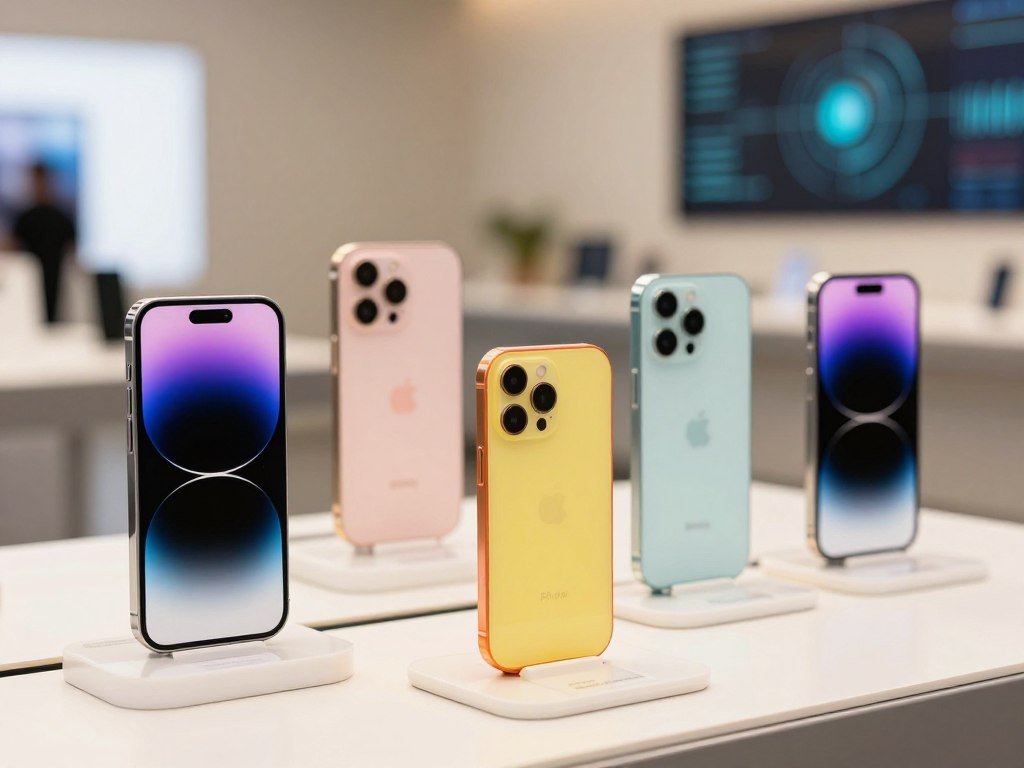
Trusted Reviews names the iPhone 17 its 2026 pick for most people. The iPhone 17e has a lower entry price, while the Pro models focus on specialized needs.
Choose by the job you need your phone to do, not by its place in a ranking.
The table covers five current iPhones rather than every model Apple has sold. Use the price column as a starting point, then check whether the premium features solve a real need.
What Makes the Best iPhone 2026 Pick for Most People?
For most people, the iPhone 17 is the best balance of everyday features and price in Apple’s 2026 lineup. Its broad appeal comes from meeting common needs without charging for specialist extras.
The iPhone 17 is the all-round pick for people who want a capable phone for calls, photos, streaming and daily apps. Trusted Reviews also names it its 2026 pick for most people.
You do not pay for a specialist Pro camera system or a screen that folds open. You still get a broadly capable experience for work, school, social apps and entertainment.
That balance matters because many buyers use the same few features every day. The best iPhone is not always the fastest model; the right phone is the one whose strengths match your habits.
Check these four points before spending more:
- Would a second rear camera change the photos you take?
- Would a 120Hz screen make scrolling feel better to you?
- Do you need the biggest battery for long days away from a charger?
- Does a slim body matter more than camera versatility?
The iPhone 17e is the lower-cost current option when price leads your decision. The iPhone Air, iPhone Duo and Pro models suit buyers with more specific priorities.
For an iPhone best suited to a broad mix of daily tasks, the standard model is the sensible place to start. A lower price may matter more to one buyer, while another may use a specialist camera often.
Choose a specialist model only when its defining advantage is something you will use regularly.
What Does the iPhone 17 Offer for Everyday Use?
The iPhone 17’s everyday upgrades are most noticeable when you scroll, check the screen outdoors or switch to the ultrawide camera. The display changes how the phone feels during ordinary use.
Its 1-120Hz display supports always-on viewing, with smoother scrolling when needed and lower refresh rates at other times. The screen reaches 3,000 nits at peak brightness and has an antireflective coating.
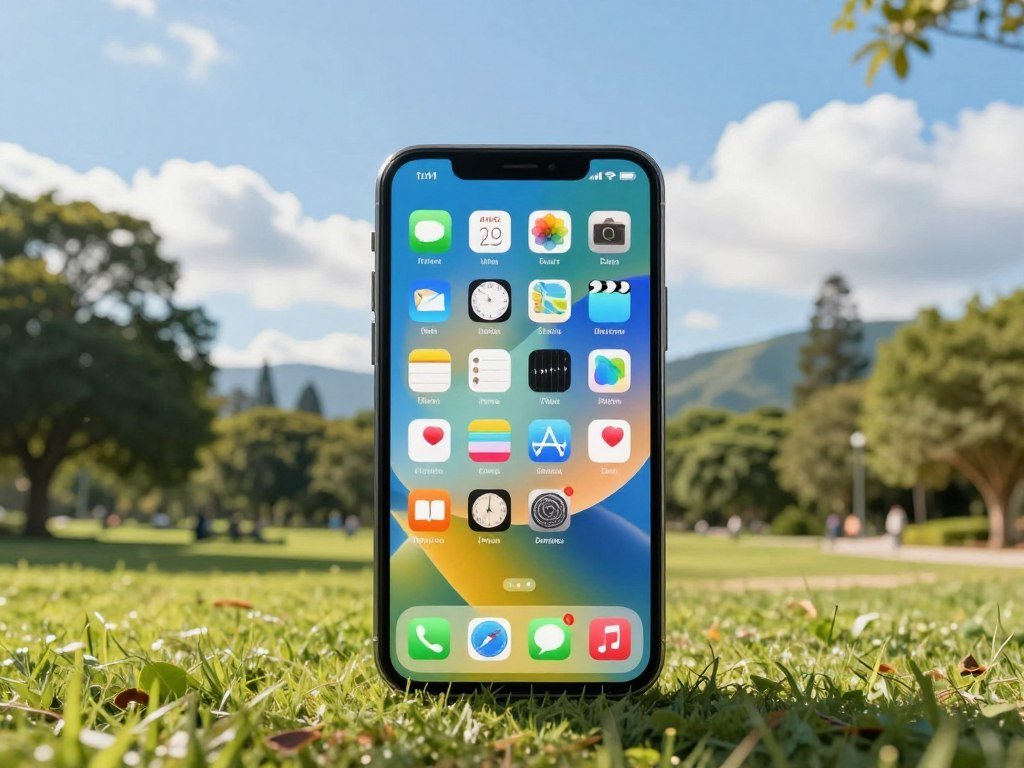
That coating can make text easier to see outside, where bright reflections often compete with the screen. Always-on mode lets you glance at key information without waking the display fully.
The ultrawide camera is now 48MP, up from 12MP on the iPhone 16. It gives you more detail for wide scenes, group pictures and close-up shots.
The 18MP front camera uses Center Stage to adjust framing as people move. That can help keep a group in view during a video call or selfie.
The phone has no dedicated telephoto camera, so it is not built for every kind of zoom shot. Its other camera and screen changes are more likely to matter during daily use.
Apple rates the iPhone 17 for up to eight more hours of video playback than the iPhone 16. That is Apple’s video-playback rating, not a promise of eight extra hours for every use.
In a three-hour streaming test, the iPhone 17 fell from 100% to 89%, while the iPhone 16 fell to 86%. The iPhone 17 placed second for battery life among 35 phones in a separate test.
If you often take close-up or wide-frame photos, the upgraded ultrawide is a more tangible benefit than a headline chip number.
Is the iPhone 17e the Right Budget iPhone?
The iPhone 17e is the sensible choice when keeping the upfront cost down matters more than premium display or camera features. Its value comes from providing current everyday basics at a lower starting price.
The 17e has an A19 chip and 256GB of base storage, which give everyday apps room to run and files room to stay on the phone. Its 6.1-inch OLED screen is clear and compact.
The $699 starting price is for the 256GB model. That storage amount is useful for buyers who keep photos, games and downloads on their device.
The main trade-offs are its 60Hz display and single 48MP rear camera. It has no ultrawide camera and does not support ProMotion.
Those limits matter more if you take group shots in tight spaces or want smoother scrolling. The single rear camera can still handle casual snapshots, while the screen works well for messaging, browsing and video.
Some buyers may also want a phone for Apple Intelligence features and other current software tools. The 17e’s A19 chip gives it current hardware, but the display and camera remain simpler than those on pricier models.
It makes most sense when your phone use centers on everyday apps rather than creative work. A higher price does not help much if you would rarely use the extra camera or screen features.
If the missing ultrawide would frustrate you often, consider moving up to the standard iPhone 17 rather than settling for a camera you will outgrow.
Is the iPhone 18 Pro Worth It for Photography?
Choose the iPhone 18 Pro when a dedicated telephoto camera and top-tier performance are worth paying for. Its camera range suits people who often shoot distant subjects or edit demanding content.
The iPhone 18 Pro has a dedicated telephoto camera with 4x and 8x optical-quality zoom. Optical-quality zoom uses the camera system to retain more detail than a simple digital crop, but it is not the same as a dedicated optical lens at each zoom level.
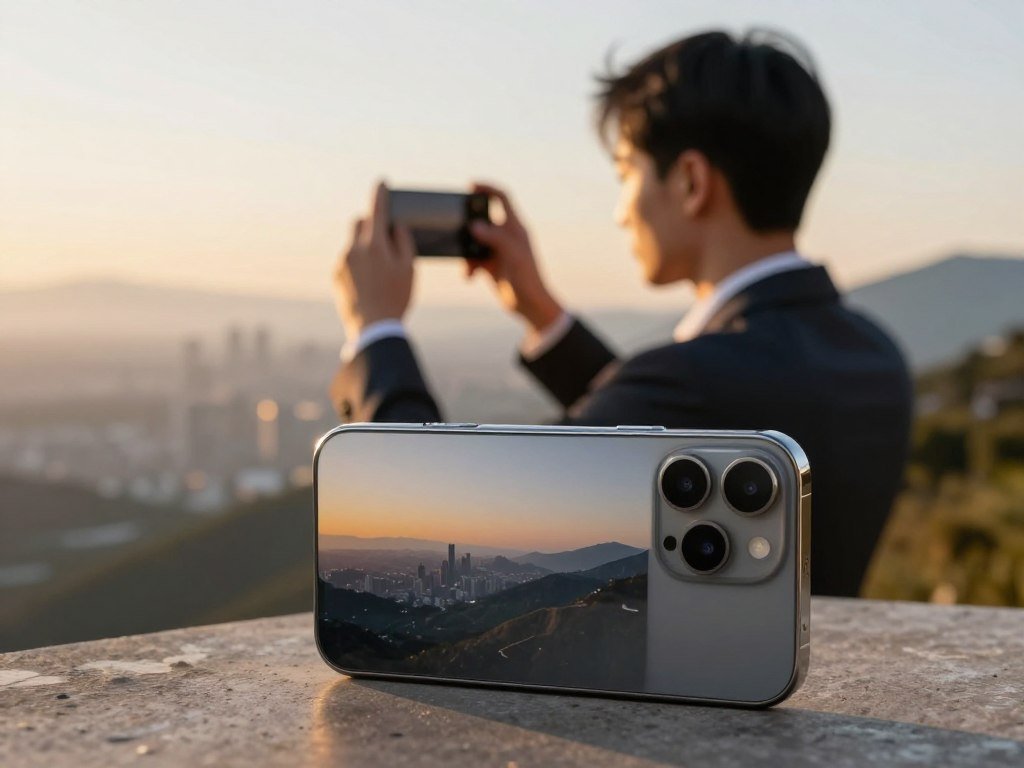
Its variable-aperture 48MP main camera can adjust how much light reaches the sensor. A 48MP ultrawide camera gives you another view for wide scenes and close subjects.
The A20 Pro chip supports high-end performance for games, editing and demanding apps. The 6.3-inch display gives you room to review photos without moving to the larger Pro Max.
Apple rates the iPhone 18 Pro for up to 36 hours of video playback. The rating helps compare models, though your real battery life changes with screen brightness, signal and app use.
The previous-generation iPhone 17 Pro launched in September 2025 with a 256GB US model priced at $1,099. That earlier premium model may help buyers judge how quickly high-end hardware can become less costly.
If photography is your main reason to upgrade, compare the iPhone camera choices for different budgets before deciding how much reach you need.
Casual users who mostly take ordinary snapshots may not use the Pro’s full camera range. If you rarely zoom beyond a standard crop or use demanding creative apps, the standard iPhone is likely enough.
Should You Choose the iPhone 18 Pro Max for Battery Life?
The iPhone 18 Pro Max is the endurance pick for people who regularly drain a phone before the day is over. Its larger body makes room for a bigger screen and a stronger video-playback rating.
Apple rates the Pro Max for up to 45 hours of video playback, compared with up to 36 hours for the iPhone 18 Pro. The difference can help heavy users who stream or travel for long stretches.
The 6.9-inch display gives you more room for shows, games and reading. That size can be welcome during a flight or a long day when the phone handles both work and entertainment.
In a 30-minute charging test, the Pro Max battery gained 77%. That test result is separate from Apple’s video-playback estimate, and does not promise the same charge gain in every setting.
At 249g, the Pro Max is substantial. It may feel unwieldy in one hand, especially if you use your phone while walking or prefer a small pocket.
A large screen can be a real benefit for maps and video, but it also makes one-handed reach harder. Think about where you carry your phone and how often you hold it for long periods.
For more context on large-screen choices and battery testing, see this comparison of phones for different budgets and needs.
Try the larger body in hand before choosing it, because a bigger battery is not useful if the phone is uncomfortable to carry.
Is the iPhone Air Right for a Thin-and-Light Design?
The iPhone Air makes sense when a lighter, slimmer phone matters more than having several rear cameras. Its shape is the main reason to choose it over a more versatile model.
The iPhone Air is 5.6mm thick and weighs 165g, so it may suit people who dislike bulky phones. Its 6.5-inch OLED display supports 120Hz for smooth scrolling.
The A19 Pro chip gives the slim design capable performance for daily apps and games. Its 120Hz screen also brings a feature many buyers expect from a premium phone.
The Air has one 48MP rear camera rather than a set of cameras for different views. Its battery life is adequate, but it is not the best match for buyers who often spend long days away from a charger.
At $1,099 in 2026, the phone costs a lot for someone who values camera versatility or endurance. A lighter build may feel better in your pocket, but it does not improve photo reach or extend battery life.
The Air supports charging at up to 20W. Its slim body and single camera make it a design-led choice, not a replacement for a camera-focused Pro phone.
If you keep a phone in a small bag or use it for long periods, a lower weight may feel more important than a second camera. If you often take varied photos, that trade-off may grow old.
Pick it for the feel in your hand, not because its slim profile guarantees better photos or longer battery life.
What Are the iPhone Duo’s Foldable Trade-Offs?
The iPhone Duo is for buyers who will regularly unfold their phone to use its larger screen. The open display gives you more room for reading, video and multitasking.
The Duo opens from a 5.4-inch outer display to a 7.6-inch inner display, while weighing 254g. You can use the outer screen for quick tasks, then open the phone for longer reading or side-by-side apps.
The A20 Pro chip powers its apps, and Touch ID handles unlocking. The rear setup has dual 48MP cameras, a wide and ultrawide, but no dedicated telephoto lens.
Video playback is rated for up to 44 hours on the outer display or 31 hours on the inner display. The difference shows how using the larger screen can affect playback time.
Apple Pencil USB-C support arrived with iOS 27.2 on October 26, 2026. That support may help people who want to mark up notes or draw on the open screen.
Early inner-screen cracks were reported. Apple acknowledged an issue affecting a small number of units on October 26, 2026, but the cause and failure rate remain unclear.
Hinge guidance dated October 23 says unresolved cases may need an inner-display replacement after inspection. These reports make it wise to try the folding design and check that your essential apps work well before buying.
Six Colors also discusses the Duo’s foldable design trade-offs, including features it gives up compared with Pro phones.
Anyone uncomfortable with a first-generation folding device should wait for longer-term durability evidence.
Is a Certified Refurbished iPhone 15 Pro Worth Considering?
A certified refurbished iPhone 15 Pro can give a buyer premium cameras and a 120Hz screen for less than a new premium model. The lower listed price may suit someone willing to choose older hardware.
Apple listed a certified refurbished 256GB iPhone 15 Pro for $759 in 2026. Apple offered the model as certified refurbished that year, but current listing availability can change.
What Apple includes with a certified refurbished phone
Apple’s refurbished iPhones include a new battery and outer shell, plus manuals and accessories in a new white box. The phone comes with a one-year warranty.
Certified refurbished products go through a certification process and have a 14-day return policy. Those terms offer more protection than a casual used-phone sale, though they are not the same as buying the newest model.
How the iPhone 15 Pro compares with newer choices
The iPhone 15 Pro launched in September 2023. Its 6.1-inch OLED display supports ProMotion up to 120Hz, and its A17 Pro chip handles demanding apps.
Its rear cameras include a 48MP main camera, a 12MP ultrawide and a 12MP telephoto. It also supports USB 3 transfers up to 10Gb/s and MagSafe or Qi2 wireless charging up to 15W.
Apple rates its video playback for up to 23 hours. That is below the newer Pro models, but the 15 Pro adds a dedicated telephoto camera at a lower listed price.
The table shows how its listing compares with two current phones:
| Model | Listed or starting price | Base storage and refresh rate |
|---|---|---|
| iPhone 15 Pro refurbished | $759 | 256GB, up to 120Hz |
| iPhone 17e | $699 | 256GB, 60Hz |
| iPhone 17 | $929 or $899 with carrier activation | 256GB, 1-120Hz |
When a refurbished premium model is a better fit
A buyer who wants premium cameras and a smooth screen may accept older hardware to pay less. Someone who values the newest chip or a new-model warranty may prefer a current phone.
Check Apple’s current listing before relying on the 2026 price. Compare the return window and warranty as carefully as the hardware before paying for a refurbished phone.
Should You Get the iPhone 17 or the iPhone 16?
Choose the iPhone 17 for its display and base storage, and choose the iPhone 16 only when its deal or a specific feature makes up for the older hardware. The newer screen is a key day-to-day difference.
The iPhone 17 has 256GB of base storage and a 1-120Hz always-on display. The iPhone 16 starts at 128GB and has a 60Hz display.
That extra base storage gives you more room for apps, photos and video before you need to clear files. The higher refresh rate can make scrolling feel smoother, while always-on viewing makes glances quicker.
Camera Control debuted on the iPhone 16 series. If you use that button often to open or adjust camera tools, the older model may fit your habits better.
An iPhone 16 can also make sense when its actual offer is meaningfully lower. Retailer promotions, carrier activation and trade-in terms all affect the price, so one fixed discount does not apply everywhere.
Check whether a deal requires a new line or a long service plan. A lower headline price may not reduce your total cost if it comes with conditions you would not otherwise choose.
For buyers who keep many files locally, the iPhone 17’s doubled base storage is a useful reason to pay more. A buyer with modest storage needs may care more about a strong offer on the older phone.
Compare the total price after trade-in and activation terms, not just the headline discount.
Which iPhone Fits Students and Other Everyday Buyers?
Students who want a current iPhone without paying for Pro features should start with the iPhone 17e. A lower upfront cost can matter more than features that a student rarely uses.
The iPhone 17 is the best value for most people, while the 17e wins when price is the overriding factor. Trusted Reviews also names the standard model its 2026 pick for most people.
A practical pick for students and tight budgets
The iPhone 17e is a sensible choice for students who mainly message, browse, stream and take casual photos. Balancing upfront cost, battery life and useful software support usually favors the 17e or standard model over a Pro phone.
For the best iPhone 2026 for students, weigh the cost against the features you will use throughout the school year. The standard iPhone 17 is a stronger all-round choice if the extra screen and camera features matter often.
The iPhone 17e offers the lower starting cost, while the iPhone 17 brings a broader everyday feature set. Neither requires paying for a specialist Pro camera system.
The best fit for camera and gaming demands
The iPhone 18 Pro is the better fit for photography, demanding games and creative apps. A refurbished iPhone 15 Pro may suit someone who specifically wants premium cameras for less.
The iPhone 18 Pro Max targets people who need stronger endurance and a larger screen. That added size makes more sense for long media sessions than for someone who wants a small phone.
For a student who plays games every day, chip performance matters, but the more costly model may be unnecessary for light apps. Think about whether you need the Pro’s extra camera reach or simply want a phone that runs everyday games.
When a larger screen or lighter body matters
The iPhone Air favors portability with a thin, light design. The iPhone Duo serves people who want to open a phone into a larger display for reading or multitasking.
For someone asking which iPhone is best except the iPhone 17, match the alternative to its strength: the 17e for a low price, the 18 Pro for photography, and the Pro Max for endurance.
- Student on a tight budget: iPhone 17e
- Everyday buyer seeking value: iPhone 17
- Camera fan wanting a lower price: certified refurbished iPhone 15 Pro
- Heavy user who needs endurance: iPhone 18 Pro Max
- Buyer who wants foldable multitasking: iPhone Duo
The Air is the portability choice, while the Duo prioritizes a folding screen. Let your most-used feature decide between the all-rounder and a specialist model.
Which iPhone Camera Features Matter Most?
A dedicated telephoto lens matters most when you regularly photograph distant subjects and want more than a digital crop. Camera choice should follow the scenes you shoot, not a megapixel count alone.
The iPhone 18 Pro is the choice for distant subjects because it has a dedicated telephoto camera. Optical-quality zoom and cropping can extend a camera’s reach, but neither is the same as having a separate telephoto lens.
A main camera handles the everyday view, from people to street scenes. An ultrawide camera fits more into a frame, which helps with group shots, interiors and close-ups.
A telephoto camera brings distant subjects closer without relying only on a crop. That can help when you photograph a stage, a child playing across a field or details on a building.
The iPhone 17 has two rear cameras but no dedicated telephoto lens. The iPhone 17e and iPhone Air each have one rear camera, while the iPhone Duo has two cameras and no dedicated telephoto lens.
The Pro models offer the most camera versatility for buyers who use different views often. The other models can still take useful everyday photos, but offer fewer ways to frame a scene.
Megapixels describe image detail, not every part of photo quality. Light, lens choice, focus and how you frame the shot also affect the result.
For a closer comparison of camera systems, see this guide to iPhone cameras for different shooting needs. Match the camera system to the shots you take most, rather than buying a Pro model for a megapixel number alone.
How Much Storage and Which Connections Do You Need?
Decide storage by how much content you keep on the phone, then check whether your accessories and carrier fit its connections. Your daily habits matter more than choosing the largest storage size by default.
Choose enough local space for your photos, videos and apps, especially if you record long clips or download games. Cloud storage helps, but it does not replace local space when you need files offline.
Choose storage for the photos and videos you keep
Look at how much space you use now, then allow room for new photos, downloaded shows and app updates. People who mostly stream and store files in the cloud may need less local storage than frequent video shooters.
A full phone can interrupt a video recording or prevent an app update. Local space is useful on flights and trips where internet access may be limited.
Check USB-C, charging and eSIM needs
iPhone 15 and newer models use USB-C. Standard models, including the iPhone 17, support USB 2.0 transfers up to 480Mbps, while Pro models and the Duo support USB 3.0 up to 10Gbps.
USB 3 matters most when moving large video files over a cable. USB 2 works well for ordinary charging and syncing.
Apple has not included a charging brick with iPhones since the iPhone 12, so you may need to supply one. The iPhone 17 supports up to 40W wired charging and 25W wireless charging.
US iPhone 14 and newer models use eSIM without a physical SIM tray. Your carrier must support eSIM activation for the phone to connect to its service.
Know what iOS and the buttons add
The iPhone 17 supports iOS 27. The Action Button can be set for a chosen task across the current lineup, while Camera Control arrived with the iPhone 16.
iOS 27 adds Siri and Shortcuts improvements. Apple also states speed and transfer gains of up to 30% for app launches, 70% for photo loading and 80% for AirDrop.
Check these four setup details before ordering:
- Estimate how much storage you need
- Decide whether USB 3 transfers matter
- Check that your existing charger fits
- Confirm your carrier supports eSIM
Confirm your carrier can activate eSIM before switching from an Android phone or a physical SIM.
When Should You Buy or Replace an iPhone?
Waiting can pay off if a launch is close and your current phone still works reliably. A launch window can bring lower prices on older models, though no discount is certain.
Previous-series iPhone prices typically fell 10%-15% within 24-48 hours after a new iPhone announcement in a 2025 analysis. Apple’s 2026 schedule describes a September announcement, preorders the next Friday and general availability one week later.
| Event | Timing | Observed price pattern |
|---|---|---|
| New iPhone announcement | September; preorders next Friday, availability one week later | Previous-series prices typically down 10%-15% within 24-48 hours |
| Refurbished-market price trend | Monthly during 2025 | Average decline of 1.13% per month |
| iPhone 16 series depreciation | Five months and first 12 months | 35.4% and 45.07%, respectively |
A 2025 price analysis also found the iPhone 16 series lost 35.4% of its value within five months and averaged 45.07% depreciation in its first 12 months.
These are historical patterns, not guarantees for a specific model or seller. A popular model, storage size or promotion can behave differently.
Use this checklist to decide whether waiting makes sense:
- Do you need a replacement phone now?
- When is the next expected iPhone announcement?
- What trade-in terms apply to your device?
- What is the total price after activation?
The best iPhone 2026 price depends on the model, storage, retailer promotion, carrier activation and trade-in. Check the full cost rather than judging an offer by one advertised number.
Do not delay a needed replacement solely to chase a discount that may not appear.
Which Older iPhones Are Still Worth Buying?
An older iPhone is worth considering only when its price reflects its age and its remaining software support suits your plans. Support matters because a low price cannot make an unsupported phone secure forever.
The iPhone 15 and iPhone 16 can make sense at genuinely low prices, especially Pro versions with features you need. Treat the iPhone 14 and older as conditional buys, not automatic bargains.
The iPhone XS, XS Max and XR do not receive iOS 27. Unsupported software can reduce security and app compatibility over time.
Before buying an older phone, check these four points:
- Is the model eligible for current software?
- What condition is the battery in?
- How much would a repair cost?
- Do you need USB-C?
A battery replacement can extend the useful life of a phone that otherwise works well. Battery replacement costs are $89 for older iPhones and $99 or $119 for newer models.
USB-C access may matter if your other devices use the same cable, but software support and battery health are bigger long-term concerns.
Do not treat an old iPhone as a bargain until its support, battery and repair needs fit your plans.
A cracked screen, weak battery or worn charging port can add to the cost after purchase. If a battery is the only real problem, compare the repair quote with the cost of replacing the whole phone.
Conclusion
For most buyers, the iPhone 17 is the straightforward choice, while the 17e is the better fit when the budget is tighter. Daily use is a better guide than buying the most expensive model.
The iPhone 18 Pro, Pro Max, Air and Duo make sense when their defining features match your habits. A specialist phone is easier to justify when you know how often you will use its camera, battery or design advantage.
Before ordering, compare the final checkout price with your storage needs and carrier terms. Before you buy, confirm the exact model, storage size and final checkout price.
FAQ
Will the iPhone 15 Pro be available in 2026?
Yes, Apple listed a certified refurbished 256GB iPhone 15 Pro for $759 in 2026, but availability can change. The refurbished model included a new battery and outer shell, along with a one-year warranty. Its 120Hz screen and three rear cameras make it a useful alternative to a new budget phone. Check that its older chip and software lifespan suit your plans.
Is the iPhone 17 better than the 15?
For most buyers, the iPhone 17 has a 1-120Hz display and a 48MP ultrawide camera, while a refurbished iPhone 15 Pro adds a dedicated telephoto and USB 3. The 17 is newer and starts with more storage than the base iPhone 15. The 15 Pro can be appealing when its lower refurbished price matters more than having newer hardware.
What is the best iPhone for the money right now?
The iPhone 17 is the best all-round value for most people, while the iPhone 17e wins when the lowest starting price matters most. The standard model gives you a more flexible display and an extra rear camera. The 17e still offers current everyday performance and 256GB of base storage, which is generous for a budget phone.
Which iPhone is the best to buy in 2026?
Pick the iPhone 17 for most use, the 17e for a tight budget, the 18 Pro for photography or the 18 Pro Max for battery life. The iPhone Air suits buyers who care most about a thin, light design. Choose the iPhone Duo only if you expect to use its folding screen often and accept its weight and durability concerns.
Why is the iPhone 16 so cheap?
The iPhone 16 is an older generation with 128GB base storage and a 60Hz display. Retailers may discount older models to clear stock or promote a particular carrier plan, but offers vary. Compare its actual checkout price with the 256GB iPhone 17 and the current iPhone 17e. Include activation and trade-in terms before deciding that the discount is worthwhile.
Should I get the iPhone 17 or 16?
Choose the iPhone 17 for its 1-120Hz always-on display and 256GB base storage; choose the iPhone 16 if its actual deal or Camera Control matters more. The iPhone 16’s camera button can be useful if you often open camera tools quickly. A strong discount can make it a good buy, but compare the total cost and storage before choosing.