What do you buy the guy who says he wants nothing? The question stumps partners, siblings, and coworkers every year, and it usually gets answered badly. The result is a shelf full of novelty mugs and a gift card bought in a panic at the checkout line.
Here’s the thing: the “best” gift for him isn’t a product category. It’s a match between his actual habits and something he’d never buy himself. This guide skips the generic lists and focuses on what works, what backfires, and how to choose well without spending a fortune. (Eddie moneys take me home tonight duet that made him star)
Start With What He Already Uses, Not What He Lacks
The most reliable gift strategy is boring but effective: look at what he touches every day. Worn-out sneakers, a fraying phone cable, a wallet held together by one seam, a water bottle with a broken lid. These are gifts he’ll use within a week.
Practical consumables are a safe default for a reason. Socks, grooming products, coffee, and snacks get used and replaced, which means the gift keeps delivering long after the wrapping paper is gone. The catch is that cheap versions of practical items feel like an insult. A good pair of socks is a gift. A three-pack of thin ones is a chore.
A few things to observe before you shop:
- What’s visibly worn out or broken in his daily routine?
- What does he complain about repeatedly, even in passing?
- What does he borrow from other people?
- What hobby does he spend money on already?
That last one matters most. A guy who’s into grilling doesn’t need another spatula. He needs the thing he keeps almost buying but talks himself out of.
Match the Gift to His Personality Type
Not every man wants the same thing, and gifts that ignore personality tend to get politely thanked and quietly shelved. A rough framework helps:
| If he is… | He tends to value… | Gifts that land | Gifts that miss |
|---|---|---|---|
| The practical guy | Usefulness, durability | Quality tools, replacement gear, good basics | Novelty items, decorative objects |
| The hobbyist | Depth, upgrades | Accessories for his existing hobby, consumables he uses | Beginner kits in a hobby he’s already deep into |
| The experience-seeker | Memories, novelty | Tickets, classes, day trips, tastings | More stuff to store |
| The minimalist | Less clutter | Consumables, upgrades to what he owns, experiences | Anything with a plug and a manual |
| The sentimental one | Meaning, story | Personalized items, photos, something handmade | Generic gift cards |
The pattern: gifts that match identity get valued more than generic equivalents. Research on gift giving has repeatedly found that recipients respond better to presents that reflect who they are, not who the giver wishes they were. That’s a useful filter when you’re stuck between two options.
Experience Gifts Beat Stuff More Often Than People Expect
Academic work on experiential versus material purchases, most associated with psychologist Thomas Gilovich and colleagues, found that experiences tend to produce more lasting satisfaction than objects. The reasons are simple: experiences become stories, they’re shared with other people, and they don’t get compared against newer models six months later.
For a birthday, that translates into concrete options:
- A class or lesson in something he’s mentioned wanting to try, from cooking to woodworking to a driving experience.
- Tickets to something specific he cares about, not a vague “we’ll figure it out” voucher.
- A planned day out with the logistics handled, including the booking, transport, and a meal.
- A short trip with a fixed date, because open-ended travel promises tend to evaporate.
The mistake people make here is buying the experience but leaving the planning to him. An unbooked “day at the track” is homework, not a gift. If you’re giving an experience, do the admin.
When Cash Is the Right Answer, Make It Feel Like a Gift
Some people genuinely prefer money, and pretending otherwise wastes everyone’s time. Gift cards rank among the most-requested gift categories year after year in retail surveys, and there’s no shame in honoring that.
The trick is presentation. Cash handed over in an envelope reads as an obligation. Cash folded into something takes effort and reads as thought. There are plenty of ways to make that work, from a money flower bouquet that folds bills into a lasting display to a money lei graduation gift that doubles as cash for a specific milestone. The same principle applies to a birthday: the money is the value, but the presentation is the message. (Money cake ideas that actually work cash gifts people keep)
If you’re building something like this, use crisp bills and check the folding method before the day itself. A rushed fold at 11 p.m. looks like what it is.
Personalization Adds Value, But Only When It’s Specific
Engraved items occupy a weird space. A monogrammed pen is thoughtful. A monogrammed anything-else is often a dust collector with his initials on it.
Personalization works when it attaches to something he already uses and when the personal detail is meaningful rather than administrative. A wallet with his initials is fine. A wallet with coordinates of a place that matters to him is better. A cheap multitool with a name lasered on it is not improved by the name.
The practical rule: personalize items he’ll use weekly, and skip personalization on items he’ll display once.
Set a Budget Before You Browse
Personal finance educators consistently recommend setting a spending cap before shopping, and birthdays are exactly the situation where that advice earns its keep. Browsing without a number is how a $40 gift becomes a $140 gift plus expedited shipping.
A workable approach:
- Decide the number first, then look only at items inside it.
- Include shipping, tax, and any wrapping in the total.
- Keep a small buffer for the card and the extras.
- If the budget is tight, a smaller, better-chosen gift beats a bigger, generic one every time.
There’s also a social dimension. If you’re splitting a group gift, agree on the amount in writing before anyone buys anything. Group gifts fall apart over mismatched assumptions, not over the gift itself.
The Gifts That Consistently Disappoint
Some categories fail so often they’re worth naming.
Gag gifts. Funny for thirty seconds, then it lives in a drawer. Only buy these as an add-on to a real present, never as the present.
Hobby items for hobbies he doesn’t have. A fishing rod for a guy who’s never expressed interest in fishing is a gift for you, not him.
Cheap electronics. Electronics sold in the United States should carry proper equipment authorization. Off-brand gadgets without it pose a genuine risk beyond quality concerns. A no-name charger that could damage an expensive phone is worse than no gift.
Anything requiring assembly on his birthday. Flat-pack furniture is a chore with a bow on it.
Scented anything, unless he’s told you the scent. Fragrance is deeply personal. A discovery set of small spray samples is a reasonable way to let him choose, but a full-size bottle chosen for him is a coin flip.
Clothing in a size you guessed. If you don’t know the size, buy a gift receipt or pick something else. Check the store’s return policy before you buy, because in the US there’s no automatic federal right to return goods; store policy governs.
Small Add-Ons That Make a Gift Feel Considered
The difference between a good gift and a great one is often a five-dollar detail.
- A handwritten note explaining why you chose it. This is the highest-return item in gifting.
- Batteries included, if the item needs them.
- A printed photo tucked inside, especially for family gifts.
- A plan attached to the gift: “and we’re using it on Saturday.”
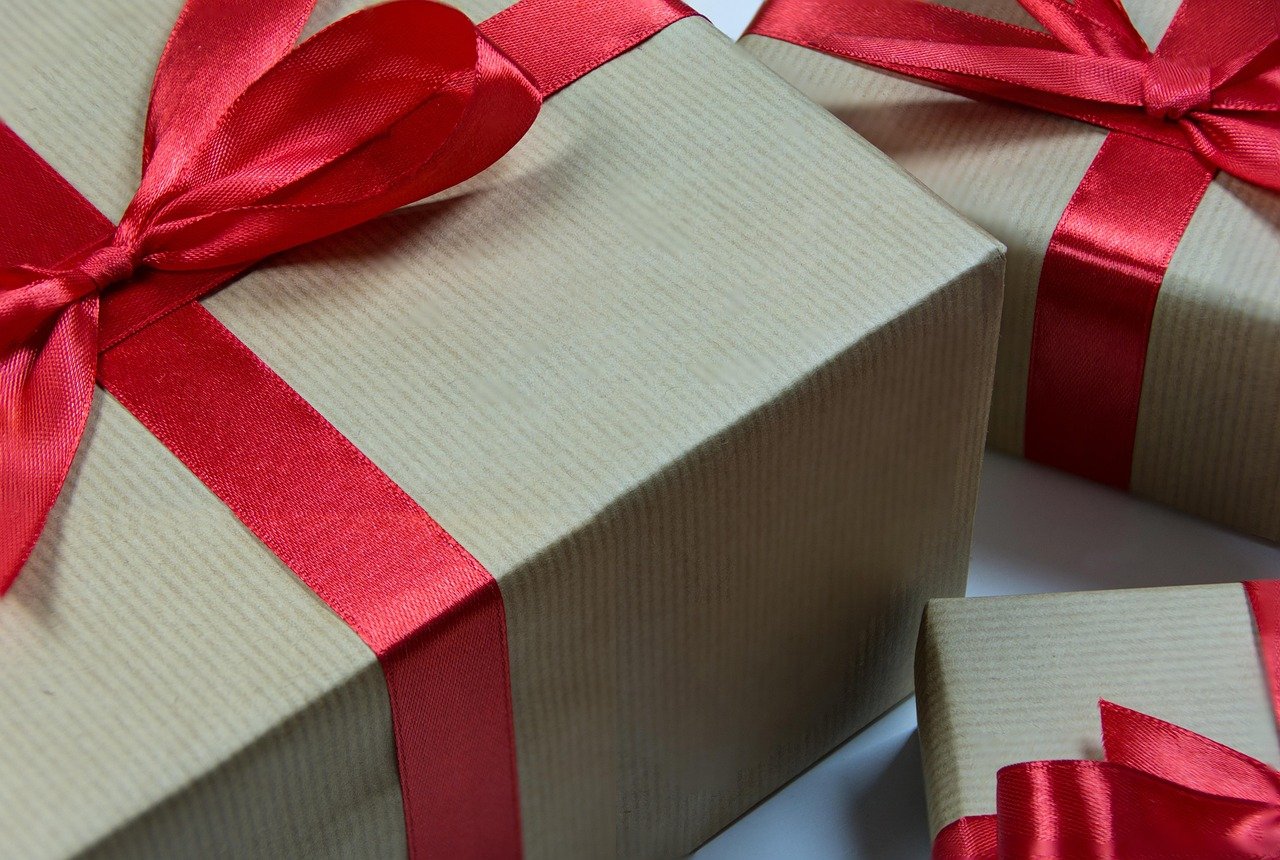
- Proper wrapping, done before the day, not in the car.
If you’re giving something consumable, add a second small item so there’s something to unwrap. A gift card alone feels thin; a gift card plus a related small object feels intentional. The same logic applies to money gifts, where a bit of folding turns cash into a keepsake. Ideas like a money cake that actually works show how far a little construction effort goes. (Money lei graduation gift that doubles as cash)
Gifts for the Guy Who Has Everything
This is the hardest brief and the most common one. When he genuinely doesn’t need anything, shift categories entirely.
Upgrade, don’t add. Replace his mediocre version of something with a better one. Same item, higher quality, no new clutter.
Consumables with a shelf life. Good coffee, a nice bottle, a box of something he’d never buy for himself.
Time. A weekend with no obligations, a day of childcare covered, or a project finished around the house. For a lot of men in their thirties and forties, that’s the scarcest resource on the list.
A shared experience. Dinner somewhere he’s mentioned, a concert, a match. The gift is the plan, not the object.
Something for a role he plays. A better travel bag for the guy who flies monthly. A good knife for the one who cooks. Gifts tied to competence tend to land well.
How to Shop Without Overthinking It
A short process beats a long browse:
- Write down three things he’s mentioned in the last two months.
- Cross off anything he’s already bought for himself.
- Pick the one you can afford and get to him on time.
- Add a note and a small extra.
- Stop shopping.
The last step is the one people skip. Once you’ve bought something that fits his life, additional browsing mostly produces doubt, not better gifts. If a money-based gift feels more thoughtful than an object, there are ways to make it feel personal rather than lazy, and those generally come down to presentation and specificity rather than the amount.
Conclusion
The best birthday gift for him is rarely the most expensive or the most surprising. It’s the one that shows someone was paying attention: the replacement for the thing he uses daily, the experience he’d never book himself, the upgrade he couldn’t justify, or the cash presented with enough care that it reads as thought rather than convenience. Start with his habits, set a number before you shop, personalize only what he’ll use weekly, and attach a plan to anything that needs one. Do that, and you’ll stop buying gifts he thanks you for and start buying gifts he actually uses.
Frequently Asked Questions
What is the best birthday gift for a man who says he wants nothing?
Shift from objects to upgrades or experiences. Replace something he uses daily with a better version, book an activity he’s mentioned, or give consumables he’d never buy himself. “Nothing” usually means “nothing I need,” not “nothing I’d enjoy.”
How much should you spend on a birthday gift for him?
There’s no universal number. Set a cap before browsing and include shipping, tax, and wrapping in the total. A smaller, well-chosen gift consistently outperforms a bigger, generic one, and spending beyond your budget creates stress that the gift can’t fix.
Are experience gifts better than physical gifts?
Research on experiential versus material purchases suggests experiences tend to produce more lasting satisfaction, largely because they become shared memories rather than objects that get compared to newer versions. That said, it depends on the person. A hobbyist may value a specific tool more than a day out.
Is cash or a gift card an acceptable birthday gift?
Yes, especially if he prefers it. Gift cards are consistently among the most-requested gift categories. The key is presentation: cash folded into something or paired with a small related item reads as thoughtful, while a bare envelope reads as an afterthought.
What should you avoid buying as a birthday gift for him?
Skip gag gifts as the main present, hobby equipment for hobbies he doesn’t have, cheap unbranded electronics, anything requiring assembly on the day, fragrance you picked without guidance, and clothing in a guessed size. Each of these tends to get thanked politely and never used.
How do you buy a gift for a man who already has everything?
Upgrade rather than add. Replace his mediocre version of something with a better one, give consumables with a shelf life, or give time and shared plans instead of objects. Gifts tied to a role he actually plays, like travel or cooking, tend to land better than general-purpose items.