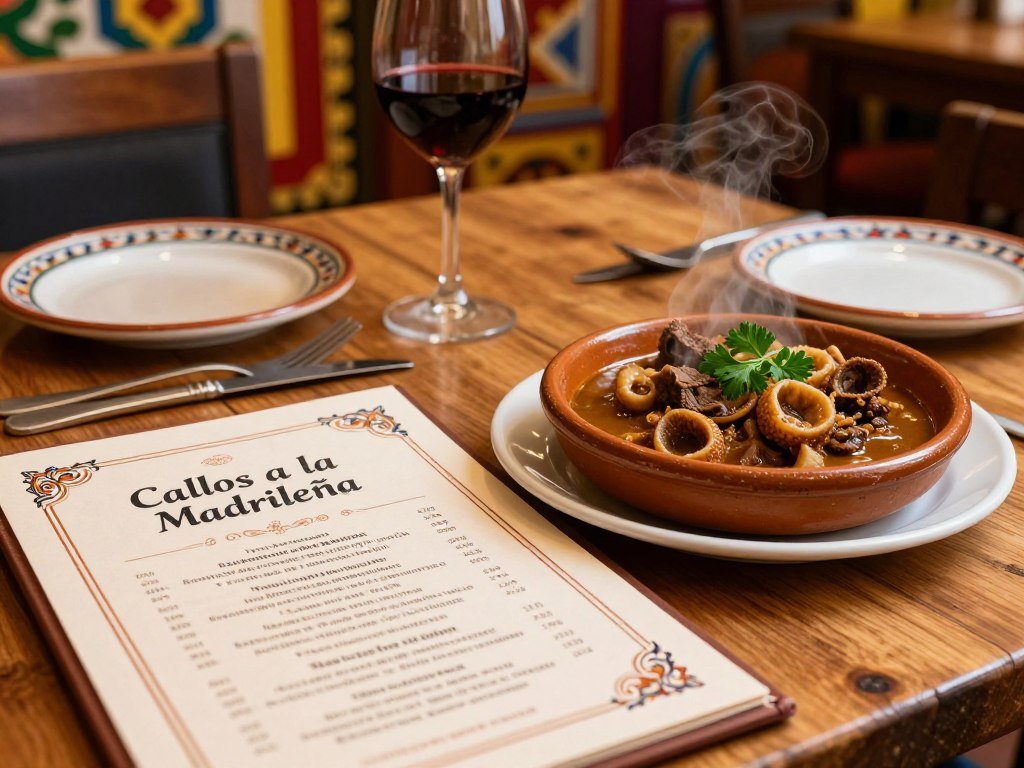
The most promising nearby option is the Spanish restaurant whose current menu names Callos a la Madrileña specifically. A broad “Spanish restaurant” label does not tell you whether the kitchen serves this dish. Exact menu wording is a better clue. Morcilla is Spanish blood sausage, traditionally served in some versions. Your best local restaurant picks depend on where you live, how far you want to travel, and what the restaurant serves today.
Spanish dining can make a nearby food search feel simple until you discover that menus use different names. A promising match should offer the dish you want, not just a similar stew. You can use a city or ZIP code to narrow the results, then confirm the menu before making a special trip. That small check can save you from crossing town for a meal that is not available.
A city or ZIP code makes a local search more useful than the phrase “near me” on its own.
Key Takeaways
- Look for a menu that names Callos a la Madrileña or callos.
- Use your city or ZIP code to find nearby options.
- Check the restaurant’s current menu and hours.
- Ask about ingredients, texture, and portion size before ordering.
- Keep a second nearby option in reserve.
Best Callos a la Madrilena Near Me: How to Choose a Local Pick
Start with the closest restaurant that actually names the dish on its menu, rather than the closest place labeled Spanish. An exact match gives you a stronger lead than a general cuisine label. A current menu listing matters because restaurants can change dishes or run out.
Choose a nearby Spanish restaurant with an exact menu match, then check that its listing is current. A ZIP code can narrow a U.S. restaurant search, while a city name helps when you are traveling. Search with Callos a la Madrileña and the spelling variant “callos madrileña.” Either wording may lead you to a useful menu.
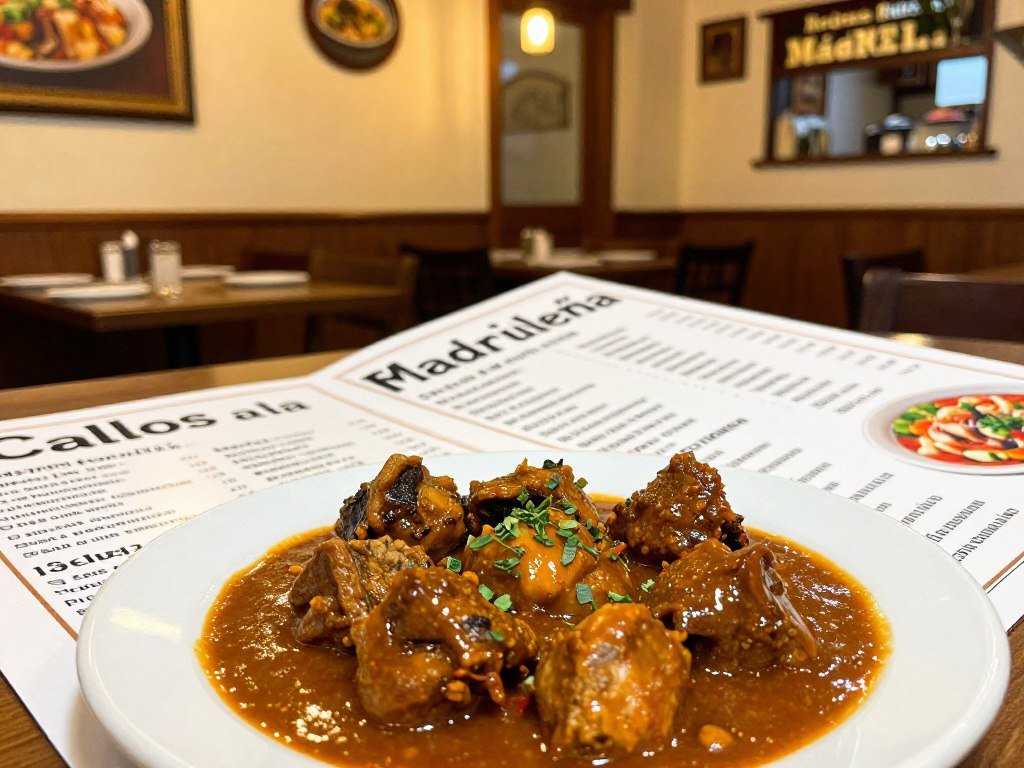
- Search the dish name with your city or ZIP code.
- Prioritize listings that show the exact dish on a menu.
- Check distance, travel time, parking, and other practical details.
- Keep a second nearby restaurant in reserve.
Save two exact-menu matches so a sold-out dish does not derail the meal.
A single restaurant cannot fit every U.S. search because “near me” changes with your location. A close match in one ZIP code may be hours from someone else. Use the map results to judge what counts as nearby for your own plans.
A menu may list callos only on a special menu or during certain service hours. A second choice gives you room to adjust if the first kitchen has sold out. Keep the restaurant’s name and address handy, especially when you are meeting friends or driving from outside the neighborhood.
Save two exact-menu matches so a sold-out dish does not derail the meal.
How Can You Verify a Restaurant Listing?
A high rating does not confirm that a restaurant serves Callos a la Madrileña today. Check the details that speak to the dish and your visit, not just the overall score. A listing can still help you build a useful shortlist.
Use a directory to find candidates, then confirm the dish through the restaurant’s own menu or phone line. Google Maps and Yelp can show restaurant locations, hours, and recent diner comments. Those details help you compare options, but ratings alone cannot prove that callos is available.
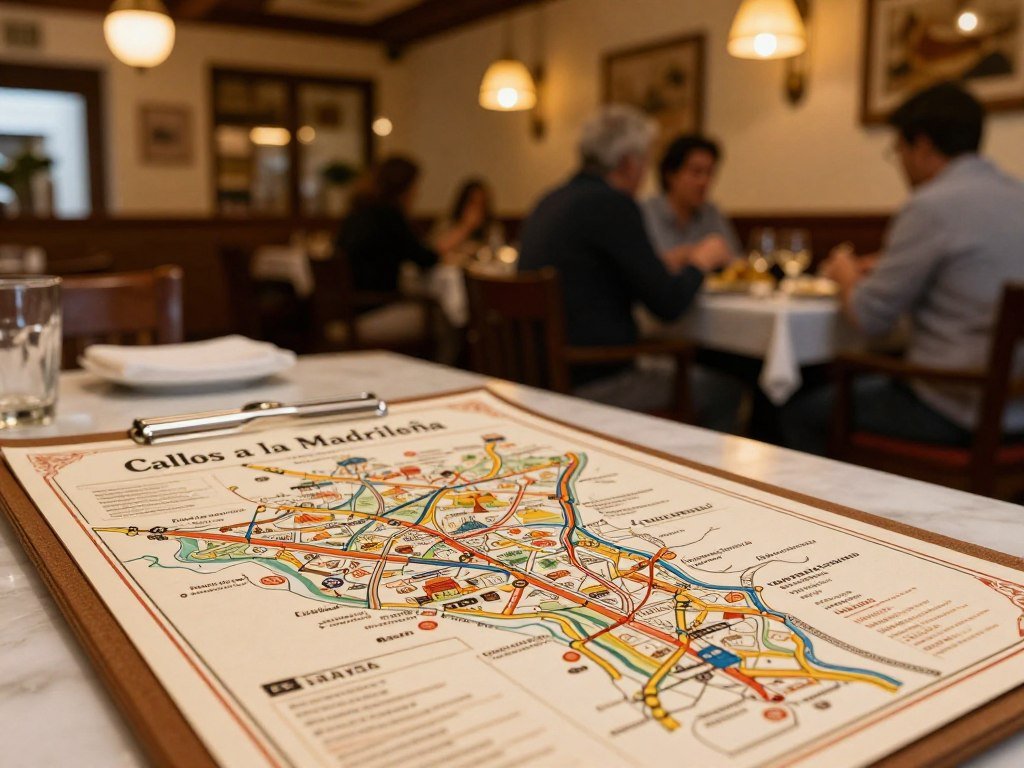
Use map listings to build a shortlist
Map listings make it easy to see which restaurant is close to your route. Compare posted hours and recent comments, especially if diners mention the menu. A review that praises the meal may still say nothing about whether the kitchen serves this particular stew.
Look for comments with a recent date and details about the dishes ordered. Older reviews can describe a menu that has since changed. Treat directory information as a starting point, rather than a promise about today’s service.
Check the restaurant’s own menu and contact details
The restaurant’s own menu is a more direct way to check its listed dishes. Look for the exact name or a clear tripe stew description. Check the restaurant’s contact details too, so you have a working way to reach staff.
Before you go, confirm these three details:
- The menu names the dish or describes callos clearly.
- The restaurant’s hours fit your planned visit.
- A working phone number or other contact method is listed.
Menus may be posted as web pages, downloadable files, or photos. If a menu image is hard to read, the restaurant’s phone line can settle the question faster. Give the restaurant a quick call if the menu listing is unclear or the trip would take significant time.
What Does Callos a la Madrileña Taste Like?
Expect a slow-cooked, savory stew whose tripe texture is as memorable as its bold flavor. The texture stands out as much as the seasoning. Beef tripe is the main feature, not a small garnish hidden in the bowl.
Callos is hearty and strongly flavored, with soft tripe that has a distinctive feel. Other traditional meats can add depth to the stew, while the sauce brings the ingredients together. The tripe remains easy to notice in each spoonful.
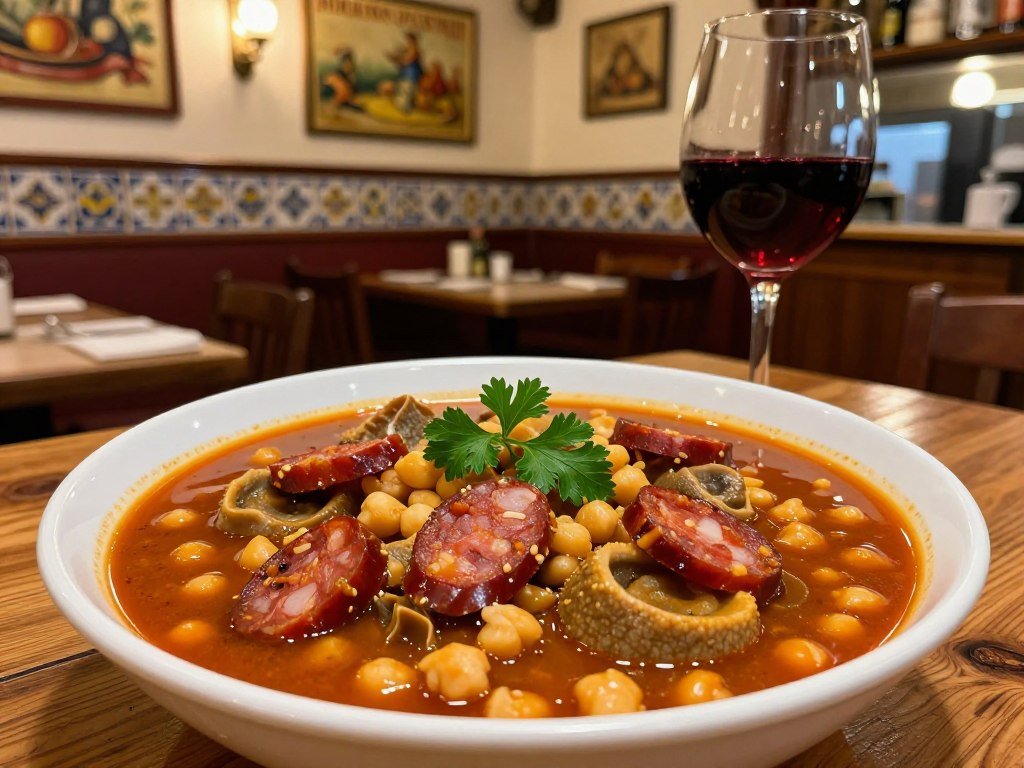
A rich, savory stew with a distinctive texture
Tripe is the lining of a cow’s stomach, prepared as food. In the stew, it becomes tender but keeps a soft, springy texture that some diners find unfamiliar. Its offal character is part of what defines the dish.
The taste is rich and savory, rather than mild or delicate. Seasoning and the other meats shape each restaurant’s version, so two bowls may not taste identical. If you already enjoy dishes made with offal, the texture may feel familiar; otherwise, it can be a surprise.
Offal means edible animal organs or other internal cuts. Diners who dislike offal may prefer another dish, and there is no need to treat that choice as a challenge. Asking about texture can help you decide before ordering.
A traditional Madrid food with a long history
Callos is closely tied to Madrid’s food traditions and is known as a hearty local stew. Records of the dish date to the late 1500s, though that does not establish one exact year of invention.
Its long place in Madrid cooking has not stopped cooks from adapting the recipe. Kitchens can adjust the meats and sauce while keeping tripe at the center. The name points to a Madrid style, not one fixed recipe used by every restaurant in the world.
A bowl can sound appealing on paper but feel different from what you expect once you taste the tripe. If you are unsure about offal, ask whether the restaurant can describe the texture before you order.
How Can You Tell the Dish Is Actually on the Menu?
A useful menu entry names tripe or callos, rather than promising only a generic Spanish stew. Specific wording helps you tell the dish apart from other soups and stews. Look for enough detail to know what the kitchen means.
A menu should identify tripe or use the name callos. The listing may say Callos a la Madrileña, callos, or plain-English “tripe stew.” A tomato-based sauce or a mention of sausage can add context, but those words alone do not confirm the dish.
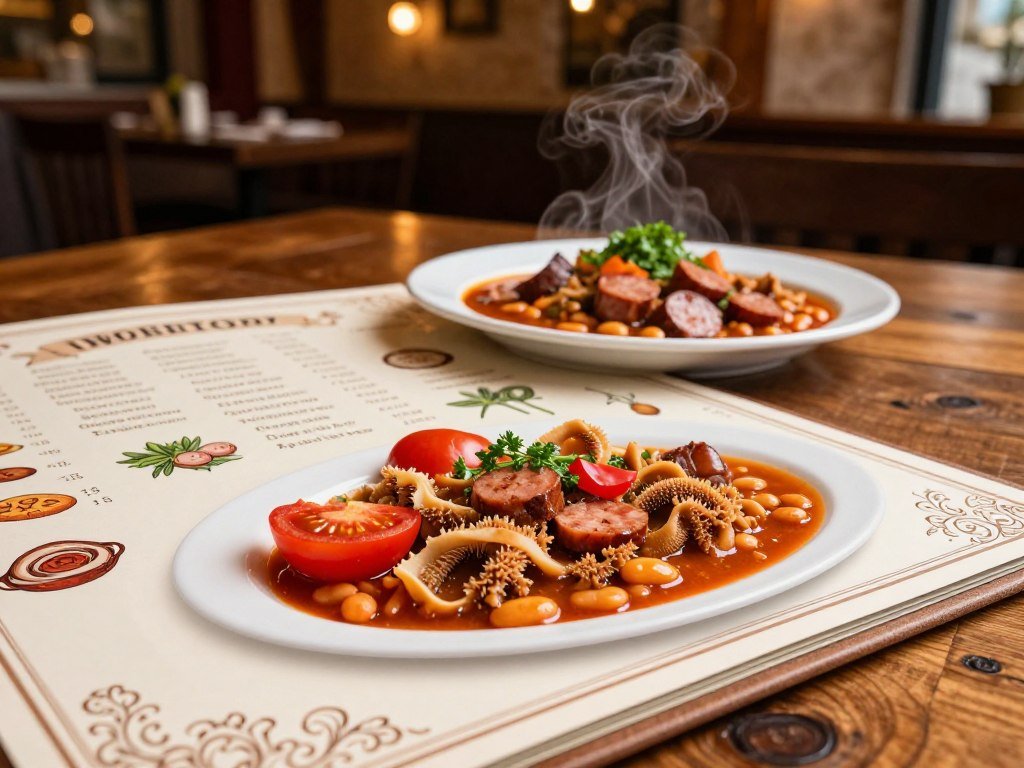
Check whether the menu names tripe and gives a detail that sets the dish apart from another stew. That detail might be a Madrid-style name, sausage, or garbanzo beans. A short label such as “Spanish stew” leaves too much room for guesswork.
One menu lists “Tripe stew with sausage and garbanzo beans” for $9.90. That wording is an example of a menu description, not a current or typical U.S. price. Prices and dishes vary among restaurants, so do not use that figure to judge what a local meal should cost.
Garbanzo beans, also called chickpeas, appear in some versions. Their presence does not by itself make the item a different dish. The sauce may also include tomato, but a tomato description alone is not enough to identify callos.
Be careful with the word sausage, since it can describe many types. Chorizo may point toward a Spanish stew, but the menu still needs to name tripe or callos to make the match clear. If the menu description is brief, ask whether the listed tripe stew is the Madrid-style dish.
What Ingredients Make It Madrid-Style?
The clearest traditional markers are tripe, slow cooking, and paprika in a rich stock-based sauce. Those features matter more than one exact recipe. Some details change from kitchen to kitchen.
Tripe and a slow-cooked meat base anchor the stew, while paprika gives it a familiar red color. A menu may name some ingredients without listing every part of the preparation. A thicker sauce can also look different from a version with more broth.
Tripe, meats, and the slow-cooked base
Beef tripe is the main ingredient. Traditional meats can include hooves, snouts, chorizo, and morcilla. Morcilla is Spanish blood sausage, and ham may appear in some recipes.
The meats cook slowly in beef stock, giving the stew its base. Olive oil may help cooks start the aromatic base, though the stock carries much of the cooking liquid. A restaurant might list tripe and chorizo but leave other ingredients off its menu.
Aromatics, paprika, and the finished sauce
Paprika adds red color and seasoning. Tomato and garlic can flavor the base, along with nutmeg, rosemary, and bay leaf. Each kitchen can choose a different mix of aromatics.
Some versions add gelatine near the end to thicken and bind the sauce. Other versions have a more liquid base, with broth that flows easily around the meat. Both styles can fit the range of Madrid-style callos.
| Ingredient or feature | Traditional role | What a diner may see on a menu |
|---|---|---|
| Tripe and other meats | Hearty main components | Tripe, chorizo, or morcilla named |
| Beef stock | Slow-cooked base | Rich broth or sauce |
| Paprika | Red color and seasoning | Paprika or Spanish paprika |
| Gelatine | Thickens and binds some versions | Thicker sauce, with versions also served more liquid |
A menu’s short ingredient list may not show whether the sauce is thick or loose. That difference can come from the recipe, not from a change in the dish’s name. A thinner broth can still fit the dish’s traditional range, since not every version is thickened.
How Much Time Does Traditional Callos Take to Make?
A home-style version takes substantial time: one recipe lists 30 minutes of prep and 4 hours of cooking. The long cook helps explain why a restaurant may prepare the stew ahead rather than start it after an order.
That recipe yields 6-8 servings, with four hours of cooking after preparation. Its ingredients include beef tripe, a pig trotter, pork stock, serrano ham, Spanish chorizo, morcilla, tomato paste, paprika, and chickpeas.
The recipe uses 2 pounds (1 kilogram) of tripe, preferably honeycomb, cut into spoon-sized pieces, and one halved pig trotter. It adds two yellow onions, one white onion, five garlic cloves, three bay leaves, and black peppercorns.
Its cooking liquid includes 2 liters of pork stock and enough water to cover the meat. The recipe also calls for 170 grams of chopped serrano ham, 250 grams each of Spanish chorizo and morcilla, and one drained 16-ounce can of chickpeas.
The cook blanches the tripe and trotter for five minutes, then drains and rinses them. Next, the meat braises uncovered for three hours. The assembled stew simmers for at least 20-30 minutes.
That recipe uses 1-2 tablespoons of tomato paste and 1-2 tablespoons of Spanish paprika. It lists one tablespoon of smoked paprika as optional. The onions, garlic, and bay leaves build the base, while the stock covers the meat during its long braise.
Tripe and similar cuts may be cleaned for 24 hours through repeated boiling and washing. That is a separate preparation description, not the same method as this recipe’s five-minute blanch. The two steps should not be treated as interchangeable claims about one recipe.
Cooking time can shape when a kitchen serves the stew, and a restaurant may prepare it in batches. A restaurant that slow-cooks the stew may not be able to serve it immediately after you order.
What Should First-Time Diners Ask Before Ordering?
Ask about the specific pot the kitchen serves, since family versions can vary in meat, broth, vegetables, and heat. One short conversation can clear up the details that matter to you.
Ask directly about the ingredients, spice level, broth, and portion size. A menu may not say whether a cook used peppers, saffron, or vinegar, or how much heat the sauce carries. Staff can tell you what is in the restaurant’s current batch.
- Does this version include morcilla or other offal?
- How spicy is the sauce?
- Is the broth thick or more liquid?
- What portion size does the kitchen serve?
Morcilla means Spanish blood sausage. Other offal can also affect whether the dish fits your preferences. Ask about a specific ingredient by name if you avoid it, rather than relying on a general description.
Ask about food allergies and cross-contact, which happens when allergens move between foods or surfaces. Tell restaurant staff about the allergy and ask how the kitchen handles it. The FDA explains allergen protections and cross-contact concerns in its food allergy information, though restaurant staff must answer questions about their own kitchen.
It can help to name the ingredient you need to avoid and ask whether the staff can check with the kitchen. Do not guess from a menu’s short list, especially when the dish contains a sauce or shared cooking liquid. If an allergy is involved, do not rely on a short menu description to settle the question.
What Should You Order Alongside Callos?
Crusty bread is the most practical accompaniment when you want to enjoy the stew’s sauce. A simple side lets you soak up the liquid without crowding the meal with extra dishes.
Choose bread when you want a useful match for a stew served with sauce. Country bread with tomato, garlic, and olive oil offers a plain option. A ham topping makes the side more filling.
One menu lists country bread with tomato, garlic, and olive oil for $7. The same menu lists a version with Jamón Serrano for $11.95. These are examples from one menu, not current local expectations or general U.S. prices.
The tomato-and-garlic topping gives the bread its own flavor, while olive oil adds richness. Jamón Serrano, a cured Spanish ham, makes the second version more substantial. You can order either one without adding several unrelated dishes.
Keep the meal simple if the stew is your main reason for visiting. A side of bread can be enough to round out the bowl, especially if you want to focus on the restaurant’s callos rather than sample a larger spread.
Think about how hungry you are and whether you want another rich item at the table. Choose the plain bread or the ham-topped option according to whether you want the meal to stay light or become more substantial.
Is Callos a Good Fit for Every Diner?
Callos is a strong choice for someone curious about offal, but it is not the safest blind order for a tripe skeptic. That difference is personal, not a test of how adventurous you are.
Diners who enjoy rich, slow-cooked food may like the bold taste, while tripe skeptics may prefer another dish. The soft texture and intense flavor can feel unfamiliar if you do not usually eat offal. Choosing something else is a fair call.
Callos can be a satisfying order when you want a hearty meal with a clear Madrid identity. The tripe is central to the dish, so picking out a few pieces will not turn it into a different stew. Consider whether you like that texture before choosing a full portion.
In Madrid, the stew is associated with hearty winter food. That seasonal link does not mean you can only eat it in cold weather. A restaurant may serve callos outside winter, and the meal can appeal whenever you want a filling dish.
Restaurants may offer many other dishes, so there is no need to order callos simply because it is new to you. If you are curious, sharing can make the first taste less of a commitment. If you are unsure, share one order with an adventurous diner before committing to a full portion.
How Do You Confirm the Visit?
Before setting out, confirm that the restaurant is serving callos on the day you plan to visit. A same-day check can spare you an unnecessary trip. Saved listings and old menu photos may not reflect the current service.
Check the dish, hours, and visit details before you leave. Opening times and dish availability can change, so use the restaurant’s own channels for the latest details. Keep the call focused and polite.
- Confirm the restaurant is serving the dish that day.
- Verify the opening hours for your planned visit.
- Check the address and any reservation requirements on the restaurant’s own channels.
A saved menu listing is a lead, not a promise that the kitchen has callos ready today.
You can ask staff to confirm the menu item and its service time without asking them to hold a portion. If the restaurant requires reservations, follow its stated process. Check the address against your route so you do not arrive at a different branch.
Keep the details together in your phone or notes, especially if another diner is meeting you there. A brief call can prevent a wasted trip if the menu or hours have changed.
Conclusion
A good first callos experience starts with an exact menu match and a quick confirmation. The right local choice is a nearby restaurant that names the dish and confirms it is serving it. A broad Spanish dining label alone is not enough.
Ask about texture and ingredients if this is your first taste, especially if offal is unfamiliar. The stew’s versions can differ, so a clear answer from staff can help you choose with confidence. Pick a restaurant that fits both your appetite and your route.
Search using your city or ZIP code, then call the restaurant that best fits your route and appetite.
FAQ
Is callos the same as menudo?
No, Callos a la Madrileña and menudo are different dishes, though both use tripe. The Madrid-style stew is linked to Spanish cooking and often includes Spanish cured meats and paprika. Menudo belongs to a different food tradition and has its own regional versions. Treat the names as different menu items, and ask the restaurant what its version contains.
Does Callos a la Madrileña always contain chickpeas?
No, chickpeas appear in some versions but are not required in every pot. A recipe may include them alongside the meat, while another kitchen may leave them out. Garbanzo beans is another name you may see on a menu. Their presence can help describe a version, but it does not define the dish on its own.
What is morcilla in a callos dish?
Morcilla is Spanish blood sausage, and some versions of callos include it. Its presence can change the dish’s ingredients and may matter if you avoid blood sausage or other offal. Menus do not always list every meat, so ask the restaurant whether its current version includes morcilla before ordering.
Is Callos a la Madrileña spicy?
It can be mildly seasoned or have more heat, depending on the recipe. Paprika gives the stew color and flavor, but it does not tell you exactly how hot the sauce will be. Restaurants may use different paprika or other seasonings. Ask staff how spicy their version is if heat affects your choice.
Can I order callos if I do not usually eat tripe?
Yes, you can, but the soft tripe texture and strong flavor may feel unfamiliar. Ask the restaurant how tender the tripe is, or share one order with someone who enjoys offal. That lets you taste the dish without committing to a full portion. You can also choose another menu item if the texture does not appeal.
How do I find callos on a U.S. restaurant menu?
Search for Callos a la Madrileña, callos, or the plain-English description “tripe stew.” The exact name is the clearest match, while a tripe stew listing may use a translation. Read the menu description to see what it includes. Confirm that the restaurant is serving the dish on the day you plan to visit.