
A dog that vomits, passes loose stool, or seems uncomfortable after meals can leave an owner unsure what to change first. The right food depends on your dog’s symptoms, life stage, and veterinary needs. Repeated digestive upset can have causes beyond food, so a new recipe may not solve the problem. This comparison offers practical options, not one universal winner. It also helps you tell routine foods from diets that need veterinary guidance. Keep a brief record of meals, treats, and symptoms before changing the feeding routine.
Key Takeaways
- Recurring digestive upset is a nonmedical shorthand, not a diagnosis.
- Ongoing or severe symptoms may need veterinary care before a food change.
- Match daily food to your dog’s life stage and known triggers.
- Veterinary diets and food allergy trials need veterinary guidance.
- Change foods gradually and keep a simple symptom record.
What Signs Suggest a Sensitive Stomach, and When Is It Urgent?
Repeated vomiting, loose stool, gas, or a poor appetite can all signal digestive upset, but they do not identify its cause. Sensitive stomach is a nonmedical shorthand for digestive upset that recurs or is easily triggered, not a diagnosis.
A dog food change cannot explain every symptom. Contact a veterinarian when gastrointestinal symptoms last longer than 48 hours. A dog with vomiting and diarrhea may need an assessment instead of a food experiment.

Common digestive signs
Digestive signs can range from mild gas to repeated vomiting. Notice when each sign begins and whether it follows a meal, treat, or other change.
- Vomiting, nausea, or a reduced appetite
- Diarrhea or loose stool
- Gas or a swollen-looking belly
- Constipation or straining to pass stool
These signs can appear alone or together. A short episode may pass, but repeated symptoms in dogs with sensitive stomachs deserve attention.
Symptoms that need prompt veterinary attention
Blood in vomit or stool needs immediate veterinary assessment. Lethargy, severe pain, repeated vomiting, or signs of dehydration also call for prompt care.
Seek urgent veterinary help for blood in vomit or stool, and watch puppies closely when vomiting or watery diarrhea persists.
Dry or sticky gums, weakness, and unusual sleepiness can signal dehydration. Puppies are more vulnerable to dehydration during persistent vomiting or watery diarrhea.
A dog that vomits and has diarrhea may worsen quickly, especially if it cannot keep water down. Call a veterinarian for guidance rather than waiting for a food change to work.
What Commonly Causes Ongoing Digestive Upset?
A sudden recipe change, scavenged scraps, stress, parasites, or illness can all produce digestive symptoms that look alike. Similar signs do not point to one cause, so a diet change alone may miss the problem.
Food can play a part, but other health issues can affect digestion. Ongoing symptoms need investigation beyond a new dog food.

Diet, stress, and parasites
A quick switch between recipes can upset a dog’s stomach. Table scraps, sudden access to rich foods, and scavenging outdoors can also trigger vomiting or loose stool.
Stress from travel, a new home, or changes in routine may affect appetite and bowel habits. Intestinal parasites can cause ongoing diarrhea, weight changes, or other signs, but only testing can identify them.
Track new treats and foods, including small bites from the table. A change that seems minor to you may be a new ingredient for your dog.
Infections and other medical conditions
Infections, pancreatitis, and chronic gastrointestinal disease can cause signs that resemble food sensitivity. Canine parvovirus can cause vomiting and bloody diarrhea, especially in vulnerable dogs.
Parvovirus signs generally develop in 5 to 7 days, with a range of 2 to 14 days. With appropriate treatment, 68%-92% of dogs survive, but that range does not apply without care.
Parvovirus survival with treatment depends on veterinary care and the dog’s condition. Bloody diarrhea in a puppy is never a routine food sensitivity, since parvovirus can be serious and needs veterinary care.
Different causes can require very different care. Do not treat bloody diarrhea in a puppy as a routine food sensitivity, since parvovirus can be serious and needs veterinary care.
How Do Everyday, Hydrolyzed, and Veterinary GI Diets Differ?
An everyday sensitive-digestion formula and a veterinary diet are not interchangeable just because both mention digestion. Their roles differ: one is a routine food, while others may support a guided food trial or diagnosed condition.
A package phrase cannot diagnose a dog or prove that a recipe suits that individual. The diet category matters more than reassuring wording.
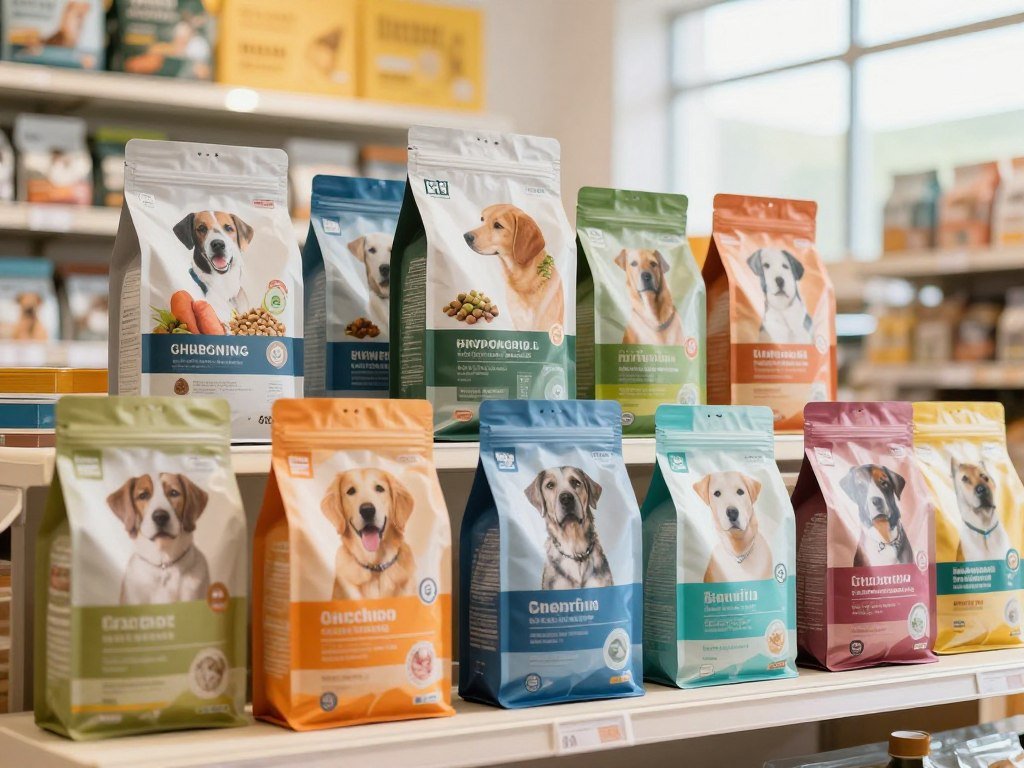
Everyday sensitive-digestion formulas
Everyday sensitive-digestion foods are marketed for routine feeding. They may suit some dogs, but the label does not show that a dog has a medical condition or food allergy.
| Category | General formulation approach | Typical role | Key limitation |
|---|---|---|---|
| Everyday sensitive-digestion formula | Routine recipe marketed for digestion | Daily feeding | Does not diagnose a cause |
| Limited-ingredient diet | Fewer listed ingredients | Routine feeding or ingredient review | May still contain several proteins |
| Novel-protein diet | Protein unfamiliar to the dog | Veterinarian-guided food trial | Over-the-counter recipes may vary |
| Veterinary gastrointestinal diet | Recipe designed for digestive-care needs | Care for a diagnosed problem | Use under veterinary direction |
Diets used for food trials or medical care
Hydrolyzed diets use proteins broken into smaller parts. Novel-protein diets use a protein source the dog has not eaten before, often under veterinary direction.
Veterinary gastrointestinal diets are designed for specific digestive-care needs. A veterinarian may choose one based on a dog’s diagnosis, symptoms, and nutrition needs.
These categories are not shortcuts to a diagnosis. Match a diet category to the problem it is meant to address, not to a reassuring phrase on the package.
Which Ingredients and Label Details Matter Most?
Start with the full ingredient list and compare it with what your dog has actually eaten before. Known history is more useful than guessing that one ingredient caused a symptom.
Check the named protein sources, carbohydrate sources, food history, and life-stage statement. Those details help you judge whether a recipe fits your dog.

Protein and carbohydrate sources
Look for named proteins such as chicken, beef, lamb, or duck. Compare them with past foods, treats, and chews, since a dog may have eaten the same protein in several forms.
Carbohydrates also vary. Rice, corn, wheat, and other grains appear in many recipes, while some grain-free foods use other carbohydrate sources.
In the United States, ingredients generally appear by common name and in descending order by weight. The FDA’s animal food labeling rules also explain why disease-treatment claims deserve care.
What grain-free and limited-ingredient labels mean
Grains are not automatically the cause of digestive symptoms. A grain-free label does not mean a diet is hypoallergenic or hydrolyzed.
Over-the-counter grain-free foods may contain multiple protein and carbohydrate sources. A limited-ingredient claim also does not guarantee that a recipe contains one protein or avoids every possible trigger.
- Identify every named protein source.
- Check the carbohydrate sources, including grains and substitutes.
- Compare ingredients with your dog’s known food history.
- Confirm that the formula suits your dog’s life stage.
Some package claims describe a recipe, while others suggest a health benefit. Treat “grain-free” as a description of ingredients, not as evidence that a food is hypoallergenic.
How to Choose the Best Dog Food for Sensitive Stomach
For an otherwise healthy adult dog, start with a complete-and-balanced food labeled for adult maintenance and a recipe that avoids known triggers. That is a sound starting point, not a promise that one food will fix symptoms.
A puppy needs a formula intended for growth, not simply the food with the most appealing package. In the United States, the Association of American Feed Control Officials nutritional adequacy statement identifies the life stage a formula supports.
A food labeled for growth is not automatically the right choice for an adult dog. For a puppy, choose food intended for growth, or for all life stages when appropriate to the dog.
For the best dog food choice, consider your dog’s known food history and how the recipe fits everyday feeding. A sensitive stomach does not automatically call for a veterinary diet.
Texture can matter to a dog that prefers wet food or struggles with dry kibble. Meal preference may affect whether your dog eats consistently, while your budget affects whether you can keep buying the same recipe.
When comparing dog food sensitive stomach options, judge the exact formula rather than a product line’s name. A food that suits one dog may contain a trigger for another.
Veterinary diets are veterinarian-directed choices when symptoms or a diagnosis call for one. They are not interchangeable with routine foods marketed for digestion.
Choose a daily food you can feed consistently and that meets your dog’s nutrition needs. Check that the nutritional adequacy statement matches your dog’s life stage before making a food your regular choice.
Which Seven Foods Match Different Dogs’ Needs?
For a routine daily food, Hill’s Sensitive Stomach and Sensitive Skin and Purina Pro Plan Sensitive Skin and Stomach are the clearest starting comparisons. Both are everyday options, not a diagnosis or a guarantee of symptom relief.
The best dry dog food for a sensitive stomach depends on known triggers and life stage. A small-breed dog may benefit from a size-specific recipe, while a suspected food allergy needs veterinary guidance.
Everyday dry, wet, and fresh-prepared options
Hill’s and Purina give you two practical starting points for an adult dog. Compare the exact protein and recipe, then consider wet or dry format and the dog’s size.
| Pick | Format or available varieties | Life-stage or size information | Best-fit situation |
|---|---|---|---|
| Hill’s Sensitive Stomach and Sensitive Skin | Multiple flavors | Adult, puppy, and senior options | Different life stages or food preferences |
| Purina Pro Plan Sensitive Skin and Stomach | Lamb and oatmeal; salmon and rice; turkey and oatmeal | Check the exact recipe label | Comparing named protein choices |
| Royal Canin Digestive Care | Wet and dry options | Small, medium, and large dog formulas | Choosing by format or size |
| JustFoodForDogs fresh-prepared diets | Chicken and rice; lamb and brown rice; turkey and whole wheat macaroni | Check the exact diet label | Owners seeking fresh-prepared food |
Hill’s Sensitive Stomach and Sensitive Skin comes in multiple flavors and options for adult, puppy, and senior life stages. Purina Pro Plan offers lamb and oatmeal, salmon and rice, and turkey and oatmeal varieties.
Royal Canin Digestive Care may suit owners who want wet or dry food, including choices for small, medium, or large dogs. Small-breed options can help narrow the fit, but they do not establish that a dog’s symptoms come from food.
JustFoodForDogs offers fresh-prepared chicken and rice, lamb and brown rice, and turkey with whole wheat macaroni diets. These diets are described as balanced with vitamins and minerals.
Veterinary and novel-protein options
Veterinary gastrointestinal diets and novel-protein diets serve different needs. Choose among them with a veterinarian when illness or a suspected food allergy calls for a guided plan.
| Pick | Format or available varieties | Life-stage or size information | Best-fit situation |
|---|---|---|---|
| Hill’s i/d Digestive Care | Highly digestible veterinary diet | Follow veterinary direction | Dogs with gastroenteritis |
| Royal Canin Gastrointestinal | Highly digestible veterinary diet | Follow veterinary direction | Dogs with gastroenteritis |
| Hill’s d/d or Royal Canin Selective Protein | Novel-protein diet options | Use in a veterinarian-guided trial | Food-allergy-related stomach upset |
Hill’s i/d Digestive Care and Royal Canin Gastrointestinal are commercially available, highly digestible veterinary diets for dogs with gastroenteritis. A veterinary diet is not a casual substitute for routine food.
Hill’s d/d and Royal Canin Selective Protein are novel-protein options for food-allergy-related stomach upset. Food trials need veterinary guidance, since the wrong recipe or extra treats can affect the result.
A sensitive skin formula may be a reasonable routine choice for some dogs with skin concerns. Suspected food allergy is different and calls for a veterinarian-guided food allergy trial.
Before buying a new formula, check the exact recipe and life-stage label rather than relying on the product-line name.
How Should You Transition to a New Food?
Mix the new food into the old one gradually rather than changing the bowl overnight. A slow change gives you a better chance to notice how your dog responds.
A gradual transition typically takes 7-10 days. Increase the new food while reducing the old food, and keep other parts of the routine steady.
PetMD recommends raising the share of new food over about a week to lower the chance of digestive upset. Puppies and dogs with health problems may need a veterinarian’s advice before a switch.
- Begin with a small amount of the new food mixed into the old food.
- Increase the new food gradually over 7-10 days.
- Keep treats and meal timing steady during the change.
- Record your dog’s stool, appetite, and energy each day.
A dog with a sensitive stomach may need a slower transition than the usual schedule. Your record can help you spot a change that follows each increase.
Repeated rapid switches make it hard to tell which food or other factor affects your dog. If vomiting, diarrhea, or refusal to eat occurs, contact your veterinarian.
If the change brings a sustained worsening in symptoms, pause further experimentation and contact your veterinarian.
What Can You Feed During a Short-Term Upset?
Plain boiled chicken and rice can be a temporary bland meal for a short-lived upset, not a permanent menu. Keep it brief, since this simple mix does not provide complete long-term nutrition.
A mild upset that clears quickly, usually within 48 hours, may be followed by a return to regular food. Persistent vomiting or diarrhea needs veterinary guidance.
When a dog asks for food, offer small portions rather than a large meal. These short-term options may be suitable when a veterinarian has not advised otherwise:
- Plain boiled chicken with rice
- A small amount of plain pumpkin
- A veterinarian-approved bland diet
Chicken and rice are bland foods, not a balanced diet for long-term use. A veterinarian can help you choose a complete food if digestive problems continue.
Dogs recovering from parvovirus who tolerate food are usually kept on a bland diet for 1 or 2 weeks before regular food returns gradually. That care plan is a specific exception, not a home rule for every upset.
A dog with vomiting or diarrhea lasting over 48 hours needs a veterinarian, not a longer homemade diet. Blood, severe weakness, or worsening symptoms call for prompt help.
Arrange veterinary guidance for ongoing digestive problems instead of extending a homemade chicken-and-rice diet.
Which Foods Are Unsafe for Dogs With Digestive Upset?
A dog with an upset stomach should not be offered a human food until you have checked that it is safe for dogs. Some foods are toxic, while others mainly cause digestive trouble.
Grapes, raisins, xylitol, and several common seasonings can cause serious harm. Keep these foods away from dogs, even if the dog seems well.
| Food group | Named examples | Main risk |
|---|---|---|
| Grapes and raisins | Fresh grapes, dried raisins | Kidney damage |
| Allium foods | Onion, garlic, chives | Gut irritation and red blood cell damage |
| Xylitol | Some sugar-free foods | Low blood sugar and possible liver damage |
| Yeast dough | Unbaked rising dough | Bloat and alcohol toxicity |
| Chocolate and caffeine | Chocolate, coffee, caffeinated foods | Heart, gut, and nervous system effects |
Xylitol can cause low blood sugar and possible liver damage within 12-24 hours. Chocolate, coffee, and caffeine can cause vomiting, diarrhea, panting, excessive thirst, hyperactivity, abnormal heart rhythm, tremors, seizures, or death.
Onion, garlic, and chives can irritate the gut and damage red blood cells, which may lead to anemia. Yeast dough can build gas, cause painful bloat, and create alcohol toxicity.
Raw meat and eggs can carry Salmonella and E. coli. Raw bones may injure or block the gut, while dairy may upset digestion because dogs have limited lactase.
Almonds, pecans, and walnuts can cause vomiting and diarrhea, and fatty nuts may trigger pancreatitis. Consumer Reports tested 58 dog foods and detected listeria in samples of two frozen raw dog foods.
That finding is a reason to discuss raw food handling and safety with a veterinarian, not proof that all raw diets are contaminated. There are no three meats every dog must avoid, but raw meat is a food-safety risk.
High-fat or seasoned scraps can upset some dogs. Never give scraps with onion or garlic, and contact a veterinarian or animal poison-control service promptly after a known toxin exposure.
What Does IBD Look Like in Dogs, and How Is It Diagnosed?
In dogs with intestinal IBD, chronic diarrhea is common, while stomach involvement can bring chronic vomiting. Some dogs have both, so one stool pattern cannot explain every case.
Canine inflammatory bowel disease is chronic gastrointestinal inflammation lasting more than three weeks. Symptoms can raise concern, but they do not confirm IBD on their own.
Symptoms depend on the affected part of the gut
Intestinal involvement may cause persistent diarrhea or loose stool. Stomach involvement may cause ongoing vomiting, and some dogs show signs from both areas.
Dogs with IBD lasting more than a few months commonly develop poor appetite and weight loss. Some dogs instead develop a very strong appetite.
Stool appearance can change from day to day. Chronic loose stool may fit intestinal disease, but appearance alone cannot tell you whether IBD is present.
How veterinarians investigate and confirm IBD
A veterinarian may start with a physical exam and tests that check for other causes. Workup may include blood work, urinalysis, fecal parasite testing, or a gastrointestinal panel.
Abdominal X-rays and ultrasound can help assess the gut and nearby organs. A Cornell veterinary guide on IBD diagnosis and diet explains the role of biopsy in confirming the disease.
Tissue biopsies are required for a conclusive diagnosis and require general anesthesia. Your veterinarian can explain why a biopsy may be needed and how its risks compare with other tests.
A symptom pattern can raise suspicion, but tissue biopsy is needed to confirm IBD conclusively.
Some other conditions can cause similar digestive signs, so a diagnosis needs more than a symptom checklist. A symptom pattern can raise suspicion, but tissue biopsy is needed to confirm IBD conclusively.
Which Breeds Have a Known IBD Predisposition?
No single breed can be labeled the most prone to every kind of stomach upset, but several breeds have a known IBD predisposition. That risk is specific to IBD, not a ranking of all digestive problems.
Basenjis, Soft-coated Wheaten Terriers, Boxers, French Bulldogs, Doberman Pinschers, Mastiffs, and Alaskan Malamutes have a known predisposition. An individual dog of any breed may still develop digestive symptoms.
These breeds are useful to mention in a veterinary conversation, especially when symptoms recur. A breed predisposition does not prove that an individual dog has IBD.
There is no established single breed with the most sensitive stomach. The listed breeds have an IBD-specific risk, but that fact does not show that they have the most general stomach sensitivity.
Gastrointestinal issues can affect any dog, regardless of breed or size. Breed history adds context, but it cannot replace an assessment of the dog’s own signs.
If your dog has ongoing digestive symptoms, describe them along with the dog’s age and breed. Use breed history as context for a veterinary conversation, not as a substitute for evaluating the dog’s symptoms.
How Does a Veterinarian Confirm a Food Allergy?
A veterinarian-confirmed food allergy is investigated with a strict diet trial, not a blood or skin allergy test. The trial must be exclusive to show whether a food change affects the dog.
A food allergy trial uses a hydrolyzed or novel-protein diet exclusively for 6-10 weeks, followed by a dietary rechallenge. Your veterinarian should guide the plan.
During the trial, other foods can interfere with the result. Treats, table scraps, chews, and flavored extras may contain proteins outside the planned diet.
Prescription hydrolyzed and novel-protein diets have stricter manufacturing quality controls than over-the-counter diets. Over-the-counter food can contain contaminant proteins that skew trial results.
Blood and skin allergy tests do not accurately identify food allergens in pets. A grain-free label also does not replace a hydrolyzed or novel-protein trial.
Keep every treat and edible medication consistent with the trial plan, and ask the veterinarian before changing anything.
Keep every treat and edible medication consistent with the trial plan, and ask the veterinarian before changing anything.
Conclusion
A suitable daily food should fit both your dog’s nutritional needs and the symptoms you are trying to manage. The right choice depends on life stage, known triggers, and veterinary needs.
Persistent or severe digestive signs need veterinary evaluation, not a string of rapid food changes. A written record can help your veterinarian see what changed and when.
Write down your dog’s current food, treats, symptoms, and their timing before discussing a change. Bring a short food-and-symptom record to your veterinarian before making another major diet change.
FAQ
What food do vets recommend for dogs with sensitive stomachs?
Veterinarians do not recommend one formula for every dog with recurring digestive upset. Choose a complete-and-balanced food that fits your dog’s life stage and avoids known triggers. A puppy needs food intended for growth, while an adult generally needs adult maintenance food. Persistent symptoms or a diagnosed condition may call for veterinary testing or a veterinary diet.
What kind of dog food is best for dogs with sensitive skin?
A routine sensitive-skin formula may suit some dogs, but it cannot confirm or treat a food allergy. Skin problems may have causes beyond food, so watch for recurring signs and discuss them with your veterinarian. When a food allergy is suspected, a veterinarian-guided elimination trial is more useful than choosing a recipe based only on marketing terms.
What foods will calm a dog’s stomach?
Plain boiled chicken and rice may serve as a short-term bland meal for a mild upset. The mix is not nutritionally complete, so it should not become your dog’s regular diet. A veterinarian-approved bland diet may be another option. Contact a veterinarian if vomiting or diarrhea lasts longer than 48 hours, or sooner if symptoms are severe.
What dog breed has the most sensitive stomach?
No single breed is established as having the most sensitive stomach overall. Basenjis, Soft-coated Wheaten Terriers, Boxers, French Bulldogs, Doberman Pinschers, Mastiffs, and Alaskan Malamutes have an IBD predisposition. That is a disease-specific risk, not proof that an individual dog has IBD or a ranking of general stomach sensitivity. Any breed can develop digestive symptoms.
What three meats should dogs avoid?
No universal list of three meats applies to every dog. Raw meat may carry Salmonella or E. coli, while fatty scraps can upset digestion or contribute to pancreatitis. Seasoned scraps may contain onion or garlic, which are unsafe for dogs. Avoid raw bones as well, since they can injure or obstruct the digestive tract.
Which dog breeds are most prone to gastrointestinal issues?
For IBD specifically, breeds with a known predisposition include Basenjis, Soft-coated Wheaten Terriers, Boxers, French Bulldogs, Doberman Pinschers, Mastiffs, and Alaskan Malamutes. This list does not rank breeds for every gastrointestinal condition. Breed history can help frame a veterinary discussion, but a dog’s symptoms and exam matter more than breed alone.
What are the common causes of a dog’s sensitive stomach?
Common possibilities include abrupt diet changes, table scraps, scavenging, stress, parasites, infection, and underlying disease. Pancreatitis and chronic gastrointestinal conditions can also cause digestive signs. Similar symptoms can have different causes, so recurring upset should not automatically be blamed on food. A veterinarian can help assess the dog and decide whether testing or a diet change makes sense.
What does IBD poop look like in dogs?
Dogs with intestinal IBD may have chronic diarrhea or loose stool, but there is no stool appearance that confirms IBD by itself. Stomach involvement can cause chronic vomiting, and some dogs have both signs. Other health problems can look similar. Veterinarians use an exam and diagnostic tests, with tissue biopsy needed for conclusive confirmation.