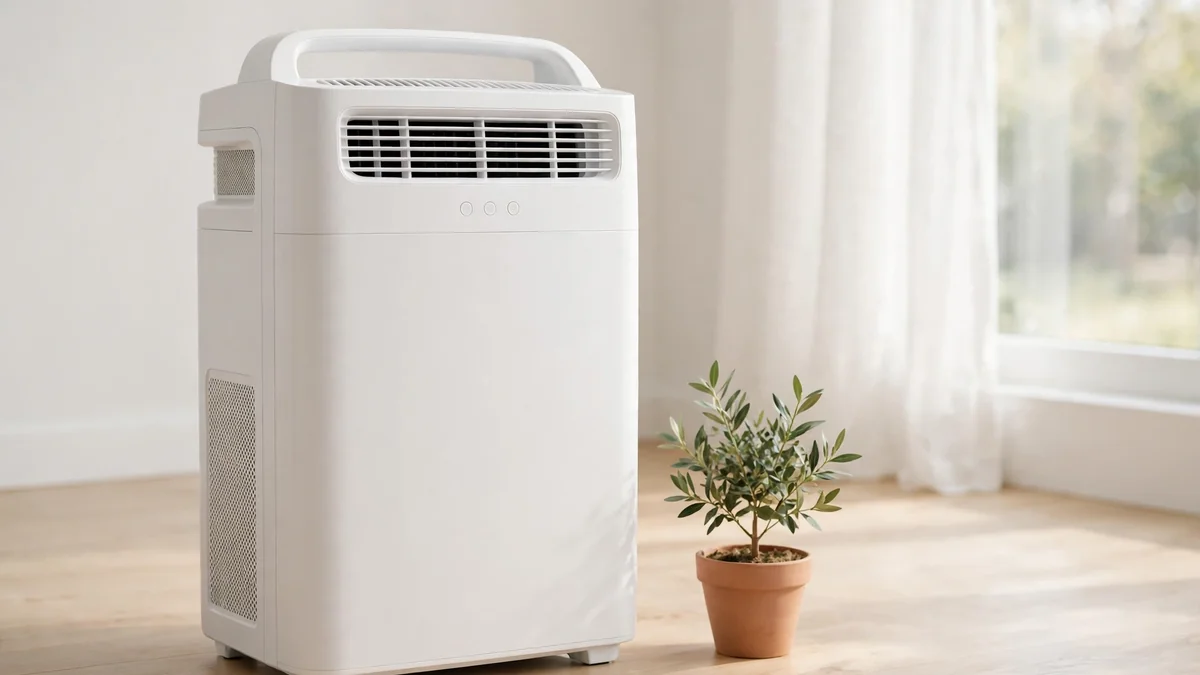
A damp basement, a musty bedroom, or a bathroom that never quite dries out all point to the same problem: too much moisture in the air. The best dehumidifiers in 2027 pull that excess water out quietly and steadily, protecting walls, furniture, and stored belongings from mold, mildew, and musty smells. They also make a room feel cooler and more comfortable, even when the temperature has not changed.
Choosing the right model comes down to three numbers: how many pints of water it removes per day, how large a space it covers, and how much noise it makes. A unit that is too small will run constantly and still lose the fight, while one that is too large for a small room wastes money and cycles on and off.
Our shortlist covers basements, bedrooms, laundry rooms, and whole-home setups, with starting prices from about $200 to about $350. Every pick below is a 2026 or 2027 model from a brand with a real service network, and every price is an approximate starting price, so check current pricing before you buy.
Key takeaways
- Frigidaire 50-pint is the best overall dehumidifier for most homes, with strong moisture removal and a built-in pump.
- hOmeLabs 50-pint is the best value pick, offering the same capacity for less money with a simpler control panel.
- LG PuriCare is the best smart dehumidifier, with Wi-Fi controls and a quiet mode for bedrooms.
- Match capacity to room size: 30 pints for small rooms, 50 pints for basements up to 4,500 square feet.
- A drain hose or built-in pump matters more than extra features if the unit will run in a basement.
At a glance: the shortlist
| Product | Best for | Starting price | Standout limit |
|---|---|---|---|
| Frigidaire 50-Pint | Best overall | About $280 | Bucket fills in very damp rooms |
| hOmeLabs 50-Pint | Best value | About $240 | No built-in pump |
| LG PuriCare 50-Pint | Best smart controls | About $350 | Premium price |
| Midea 35-Pint | Small to mid-size rooms | About $230 | Not for large basements |
| GE 50-Pint | Basements with a drain | About $280 | Louder on high fan |
| Danby 30-Pint | Bedrooms and small flats | About $200 | 30-pint capacity only |
| Honeywell TP70WKN | Quiet operation | About $300 | Heavier to move |
Frigidaire 50-Pint — Best overall
The Frigidaire 50-pint dehumidifier is the safest pick for most homes because it does the core job well and handles the practical details. It removes up to 50 pints of water a day, covers spaces up to 4,500 square feet, and includes a built-in pump that pushes collected water up and out through a hose, so you never have to empty a bucket in a basement setup.

The controls are simple: set a target humidity, pick a fan speed, and let the humidistat do the rest. The washable filter slides out for a quick rinse, and the unit restarts itself after a power cut. Noise sits in the mid-40s on low, so it is fine in a living space.
Frigidaire has sold dehumidifiers for years, and parts and support are easy to find. If you only buy one dehumidifier, this is the one to buy. A home that stays damp in summer often benefits from a humidifier guide for the dry winter months, since the two seasons need opposite fixes.
Pros: Built-in pump, 50-pint capacity, auto restart, washable filter.
Cons: Bucket fills fast without the pump, noticeable on high fan.
hOmeLabs 50-Pint — Best value
The hOmeLabs 50-pint model matches the Frigidaire on raw capacity for roughly $40 less, which makes it the best value in this roundup. It covers the same 4,500 square feet, removes 50 pints a day, and runs a straightforward digital panel with a timer, fan speeds, and a humidity readout.
What you give up is the built-in pump. You can still attach a drain hose for gravity drainage, but the unit needs to sit above the drain. If your floor drain is nearby and lower than the unit, that limitation barely matters.
Build quality is solid for the price, with caster wheels that make moving it between rooms easy. It is a good choice for a renter or a first dehumidifier on a budget.
Pros: Lowest price for 50 pints, simple controls, easy to move.
Cons: No built-in pump, basic display, shorter warranty than premium brands.
LG PuriCare 50-Pint — Best smart controls
LG brings its appliance polish to the PuriCare 50-pint, and the result is the most pleasant dehumidifier to live with. Wi-Fi connects it to the LG ThinQ app, so you can check humidity, change settings, and get a full-bucket alert from your phone. A quiet mode drops the fan to a level you can sleep through.
Capacity matches the class leaders at 50 pints a day, and coverage reaches 4,500 square feet. The front bucket slides out smoothly, a filter indicator tells you when to clean it, and Energy Star certification keeps running costs in check.
The premium price is the only real drawback. If you want app control and quiet nights, it is worth it.
Pros: Wi-Fi app control, quiet mode, clean design, Energy Star rated.
Cons: Highest price here, app setup takes a few minutes.
Midea 35-Pint — Best for small to mid-size rooms
Not every damp room is a basement. The Midea 35-pint fits bedrooms, home offices, and laundry rooms up to about 3,000 square feet. It removes 35 pints a day, which is plenty for a room that feels sticky in summer.
Midea adds useful touches at this price: a reusable filter, a 24-hour timer, and a continuous-drain option. The unit is lighter than the 50-pint models, and auto-defrost keeps it working in cooler rooms down to about 41 degrees Fahrenheit.
Do not buy this one for a large unfinished basement. For a flat or a single problem room, it is the right size at the right price.
Pros: Compact and light, good for rooms to 3,000 square feet, auto-defrost.
Cons: Too small for large basements, bucket is smaller.
GE 50-Pint — Best for basements with a drain
GE designed its 50-pint dehumidifier for the basement, and it shows. The unit includes a drain hose connection and a smart dry mode that adjusts fan speed to hit your target humidity faster. Coverage is 4,500 square feet.
The humidistat is accurate: a unit that overshoots dries the air too far and wastes electricity, while one that undershoots leaves the musty smell behind. GE also includes a clean-filter reminder and a delay-start timer.
On high fan it is louder than the LG or the Honeywell, so keep it out of a bedroom. In a basement or garage, that noise is irrelevant.
Pros: Strong basement performance, accurate humidistat, drain hose included.
Cons: Loud on high, plain looks.
Danby 30-Pint — Best for bedrooms and small flats
The Danby 30-pint is the smallest model here, and that is its strength. It suits a bedroom, a small flat, or a bathroom that steams up, covering up to 2,000 square feet. It is quieter than the big units, lighter to carry, and cheaper to run.
Features are basic but complete: a digital humidity display, a timer, a washable filter, and an auto shut-off when the bucket fills. The two fan speeds give you a quiet night mode and a stronger daytime mode. Like the Midea, it has auto-defrost for cool rooms.
The limit is obvious: 30 pints a day will not dry a wet basement. But for a single room, buying more capacity than you need is wasted money.
Pros: Quiet, light, low price, good for small rooms.
Cons: Only 30 pints, no pump, not for basements.
Honeywell TP70WKN — Best for quiet operation
Honeywell built the TP70WKN around low noise, and it is the quietest 50-pint dehumidifier in this guide. That makes it the pick for an open-plan flat or a home office where a humming machine would be a daily annoyance. It still removes 50 pints a day and covers 4,500 square feet.
The controls include a humidity display, a timer, and a continuous-drain outlet. The washable filter is easy to reach, and the unit handles low temperatures well. It is heavier than the hOmeLabs, so plan where it will live before you buy.
Air quality is part of the same home-comfort picture. If you are also thinking about dust and allergens, our guide to the best air purifiers covers the models that pair well with a dehumidifier.
Pros: Quietest 50-pint here, strong capacity, good low-temperature performance.
Cons: Heavy, premium price, plain design.
How to choose
Start with room size. Under 2,000 square feet, a 30-pint unit is enough. From 2,000 to 4,500 square feet, or any basement, buy 50 pints. Check the pints-per-day rating carefully, since brands measure at different humidity levels.
Next, decide how the water leaves the machine. A bucket is fine if you will empty it daily, but a drain hose or a built-in pump turns it into a set-and-forget appliance. For a basement, a pump is worth paying for.
Finally, check the running cost. Energy Star models use noticeably less electricity over a season, and a washable filter saves the cost of replacements. For a broader look at the devices that manage the air in your home, see our air quality tech guide for 2027.
Checklist: before you buy
- Measure the room and match pints per day to its square footage.
- Check whether a floor drain sits below the unit for gravity drainage.
- Confirm the noise level if the unit will run in a bedroom.
- Look for Energy Star certification to keep running costs down.
- Make sure the filter is washable rather than disposable.
- Check the warranty and whether the brand has service in your area.
Frequently asked questions
What size dehumidifier do I need for a basement?
A basement up to 4,500 square feet needs a 50-pint model. Smaller basements under 2,000 square feet can use a 30-pint unit, but a 50-pint model dries the space faster and cycles less in very damp conditions.
What humidity level should I set?
Set 45 to 50 percent relative humidity. Below 30 percent the air feels dry and wood can crack, while above 60 percent mold and dust mites thrive. Most experts treat 45 percent as the sweet spot.
Do dehumidifiers use a lot of electricity?
A 50-pint Energy Star model typically uses 300 to 500 watts while running, similar to a small window air conditioner. Running costs depend on hours per day, but an efficient model with a humidistat costs far less than one that runs non-stop.
Can I leave a dehumidifier running all the time?
Yes, if it has a drain hose or a pump so the bucket never fills. Units with a humidistat will cycle on and off automatically once the target humidity is reached, so they do not run at full power all day.
Does a dehumidifier cool a room?
It makes a room feel cooler because dry air lets sweat evaporate, but the machine itself adds a small amount of heat. It is not a substitute for air conditioning in hot weather.
How often should I clean the filter?
Clean the washable filter every two to four weeks during heavy use. A clogged filter reduces airflow, raises noise, and forces the compressor to work harder, which shortens the life of the machine.
The bottom line
For most homes, the Frigidaire 50-pint is the best dehumidifier in 2027: strong capacity, a built-in pump, and a fair price. If budget is the priority, the hOmeLabs 50-pint dries just as well for less. Bedroom buyers should look at the LG PuriCare or the Honeywell TP70WKN for quiet operation, and small-room buyers can save money with the Danby 30-pint.
Whatever you choose, size it to the room, plan the drainage before the first run, and set the humidistat to 45 percent. Prices shift with the season, so check current pricing before you buy, and expect new models with smarter sensors to arrive through 2027.