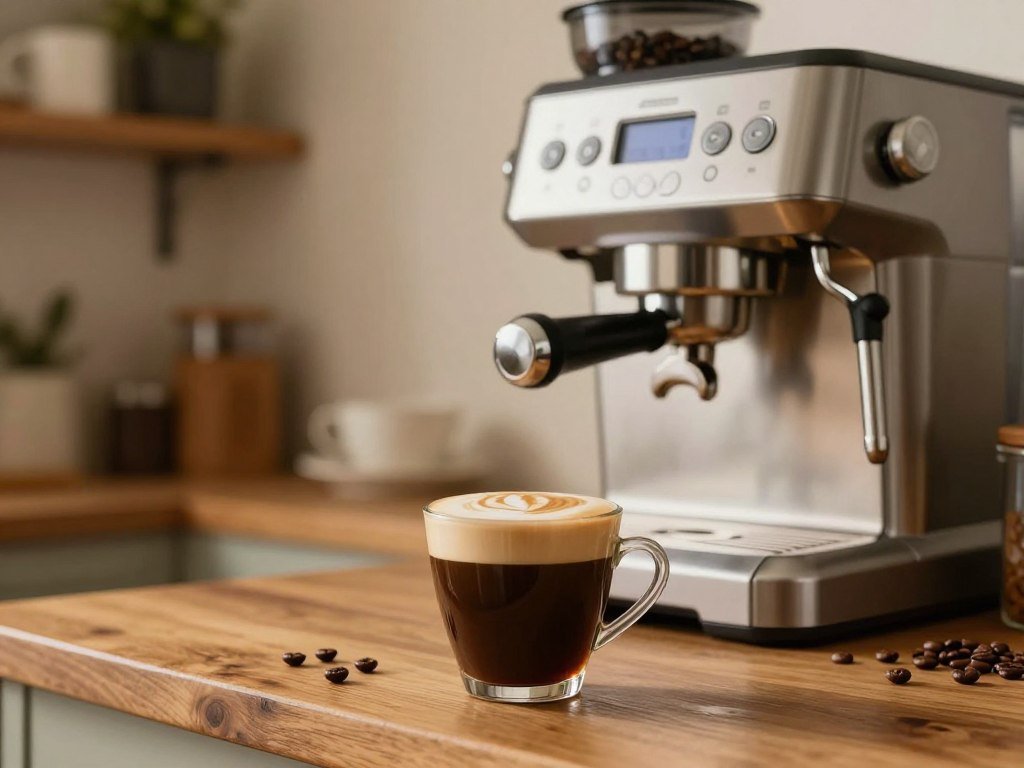
A fresh medium-roast blend is a reliable starting point for many home espresso machines. The best flavor depends on whether you drink shots straight or add milk. Crema is the reddish-gold foam that forms on an espresso shot during pressurized extraction.
For your cup, the roast date, intended drink, and a workable grind matter more than an “espresso” label. This guide compares real options and offers practical ways to choose, brew, and store your coffee. Small choices can change how a shot tastes.
Key Takeaways
- Start with a fresh medium roast if you want a flexible first bag.
- Pick flavor notes that suit the drinks you make at home.
- Choose chocolate and nut notes for a fuller taste with milk.
- Check the roast date and buy a bag you can finish.
- Use a fine grind and adjust one brewing variable at a time.
Think first about the drinks you make most often, then choose a roast and flavor profile to suit them.
Which Are the Best Espresso Beans for Home Brewing?
Counter Culture Big Trouble is a strong everyday pick for home baristas who want caramel and nut notes in both lattes and espresso shots. Its low acidity makes it easy to pair with milk or enjoy on its own. For many people, it is the best starting bag for daily use.
Big Trouble is one of several useful espresso beans, not a universal winner. A caramel and nut profile can suit many cups, while sharper fruit or darker chocolate may fit your taste better.
Choose the bag for the drink and flavor you enjoy, rather than looking for one coffee that wins for everyone.
Intelligentsia Black Cat Classic suits straight-shot drinkers, with dark chocolate, caramel, ripe fruit, and subtle citrus. Milk-drink fans can start with Blue Bottle Hayes Valley Espresso or Onyx Coffee Lab Southern Weather.
Hayes Valley brings baking chocolate, orange zest, and brown sugar. Southern Weather pairs milk chocolate, plum, candied walnut, and a citrus finish; both work in milk drinks or straight espresso.
| Coffee | Flavor notes | Best fit |
|---|---|---|
| Big Trouble | Caramel, nuts, low acidity | Lattes and everyday shots |
| Hayes Valley Espresso | Baking chocolate, orange zest, brown sugar | Milk drinks or straight shots |
| Southern Weather | Milk chocolate, plum, candied walnut, citrus finish | Milk drinks or straight shots |
| Hair Bender | Dark chocolate, citrus, raisin | Daily espresso |
| Black Cat Classic | Dark chocolate, caramel, ripe fruit, subtle citrus | Straight shots |
Stumptown Hair Bender adds dark chocolate, citrus, and raisin to daily espresso. Verve Streetlevel is another all-rounder, with honeyed citrus, red apple, and chocolate notes.
Lavazza Super Crema is a medium-roast Arabica-Robusta blend with brown sugar and hazelnut notes. The best espresso coffee brand for you depends on whether you want a daily blend, a straight-shot profile, or an easy milk pairing.
The best espresso beans in the world are the ones that suit your cup. For the best espresso beans in 2026, these same current-use choices offer clear options without naming a year-specific winner.
Before buying, check these four details:
- Desired drink
- Preferred flavor notes
- Roast date
- Bag size
If you mainly drink straight shots, start with Black Cat Classic; if milk is usually in the cup, start with Hayes Valley or Southern Weather.
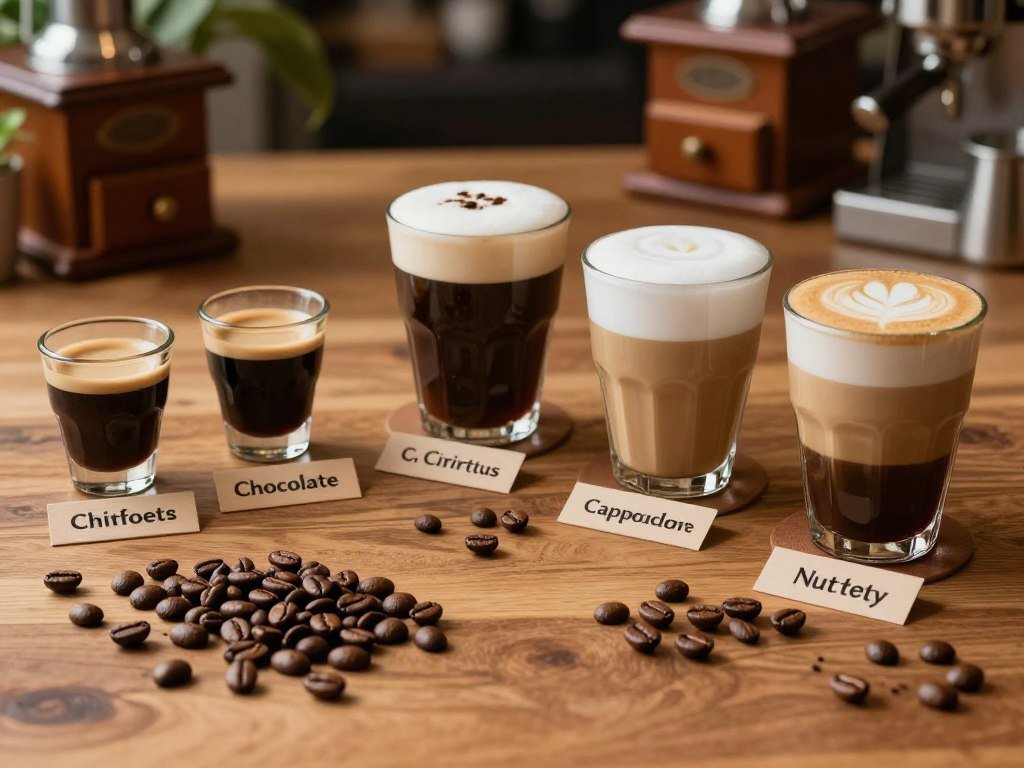
Which Roast Level Fits Your Taste?
A bag labeled “espresso” is not required, because any coffee beans can be brewed as espresso if the grind and recipe are adjusted. Roast level shapes sweetness, body, and acidity, so use it as a starting point. Medium roasts offer a forgiving balance for many home machines.
Light, medium, and dark are the three broad roast categories. Medium-roast blends are a common café espresso choice because they bring body and sweetness without losing all acidity.
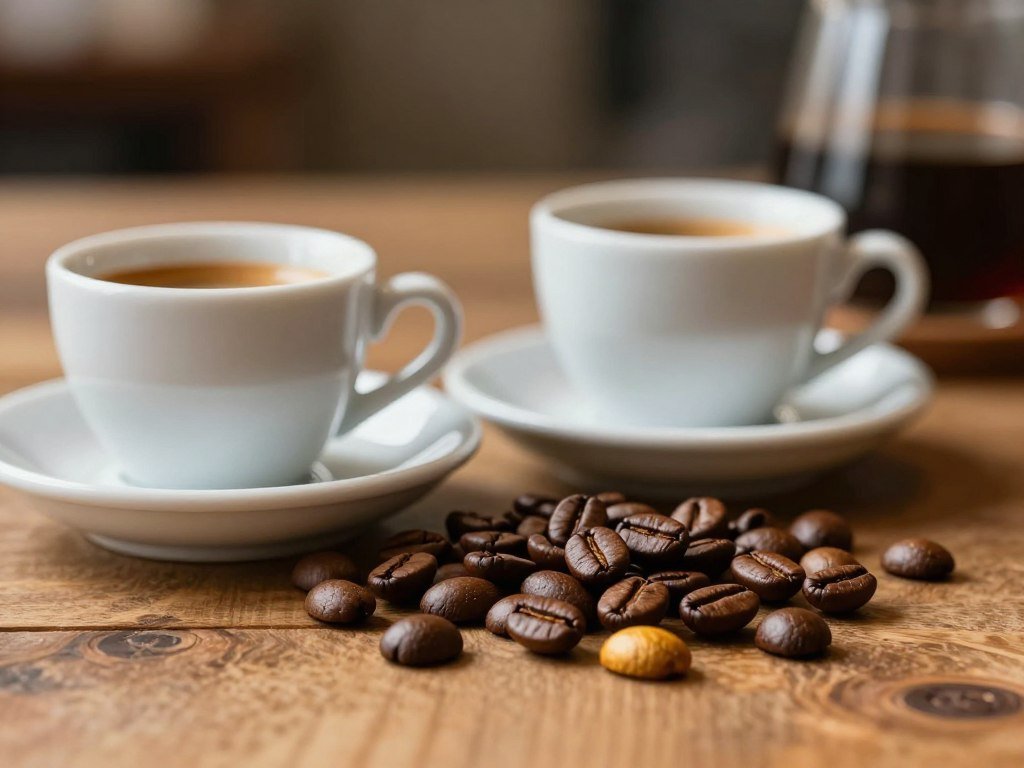
Medium roasts balance sweetness and body
A medium roast often gives you a rounded flavor with enough acidity to keep the cup lively. The coffee may show chocolate, caramel, or fruit, depending on its origin and blend.
Many medium blends are easier to brew consistently than very light roasts. Their balance makes them a sensible first choice when you are learning your espresso machine.
Light and dark roasts create brighter or bolder shots
A light roast tends to show brighter fruit or floral character. It can need more precise temperature and grind adjustment to bring out those notes without tasting sharp or thin.
A dark roast usually has heavier body and roast-forward notes. Darker roasts are a common pick for traditional, chocolate-forward espresso, though a strong roasted taste can cover subtler flavors.
Roast labels can guide you, but they do not set a strict brewing rule. If you are new to dialing in shots, begin with a medium roast before trying profiles that need more careful adjustment.
What Beans Work Best for Each Espresso Drink?
A medium-dark roast with chocolate or nut notes is a dependable fit when most of your espresso becomes a latte or cappuccino. Those flavors hold up behind milk. Choose medium or light roasts with balanced acidity for mostly straight espresso.
A flexible medium roast can cover a mix of shots and milk drinks. Medium roasts also work well in an Americano because they retain flavor after hot water dilutes the espresso.
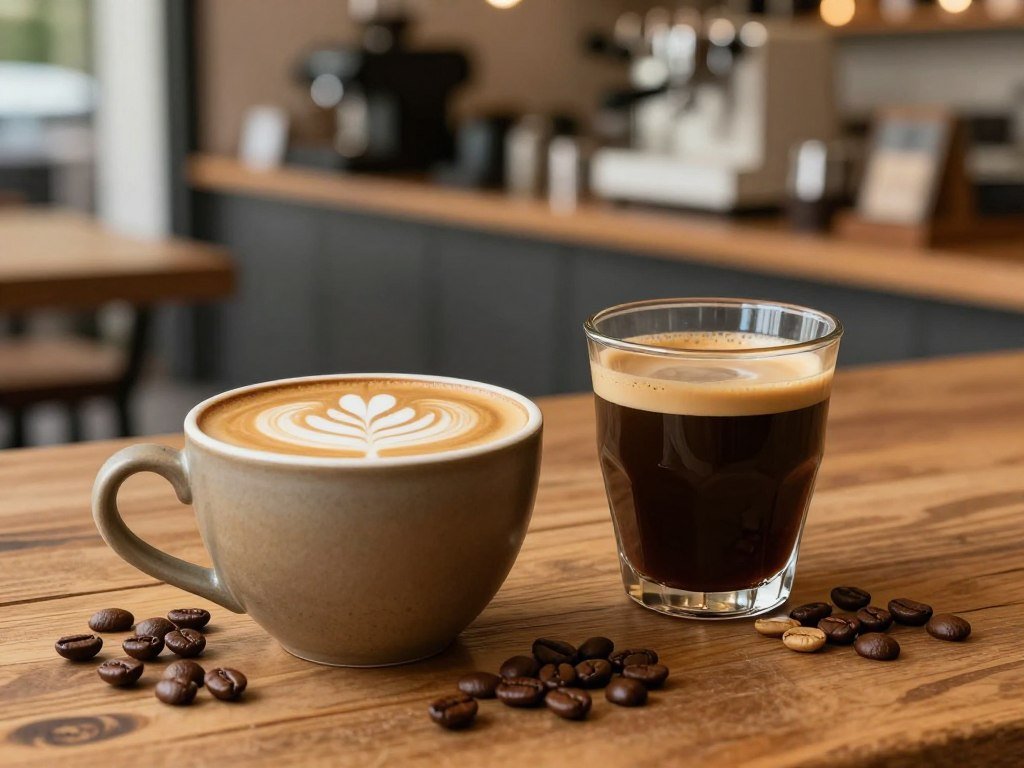
Milk drinks and Americanos need different kinds of balance
About 2 ounces of espresso with 10 ounces of steamed milk makes a latte; a cappuccino uses about 6 ounces. A cortado pairs 2 ounces of espresso with about 3 ounces of steamed milk.
A flat white uses about 2 ounces of espresso and 6 ounces of steamed milk, with less foam than a cappuccino. A cappuccino generally has less milk than a latte, though café recipes can vary.
Onyx Coffee Lab Monarch has dark-chocolate and molasses notes in a medium-dark roast. Cuvée Coffee Stella Cometa brings caramel and molasses, making both examples a good match for steamed milk.
For an Americano, a common starting point is about 2 ounces of espresso with 8 ounces of hot water. A guide to coffee flavor profiles can help you compare other drink-ready options.
Straight shots showcase the bean’s character
Verve Swara AB is a light-roast Kenyan single-origin coffee with tropical-fruit and honey notes. Ethiopian Yirgacheffe brings bright acidity, floral notes, and citrus, while both offer a more distinctive shot.
Intelligentsia Black Cat Espresso is a medium roast with dark-chocolate and stone-fruit notes. Herkimer Coffee Espresso Blend has a complex, full-bodied profile; Blue Bottle Espresso is a dark roast with chocolate and brown-sugar notes.
Colombian Supremo suits a full-bodied, chocolate-and-nut preference. Sumatran Mandheling offers earthy notes, syrupy body, and low acidity. For an Americano, choose a medium roast with enough body to stay present after hot water is added.
How Fresh Should Espresso Beans Be?
Check the roast date first, because it gives a clearer freshness signal than an expiration date. Roast date tells you when the coffee was roasted, while a best-by date can cover a much wider period. Buy whole beans within a few weeks of roasting.
Specialty roasters often describe peak flavor as roughly 4-14 days after roasting. That window is a useful guide, not a deadline: taste can decline meaningfully after three or four weeks, while your preferred timing may differ.
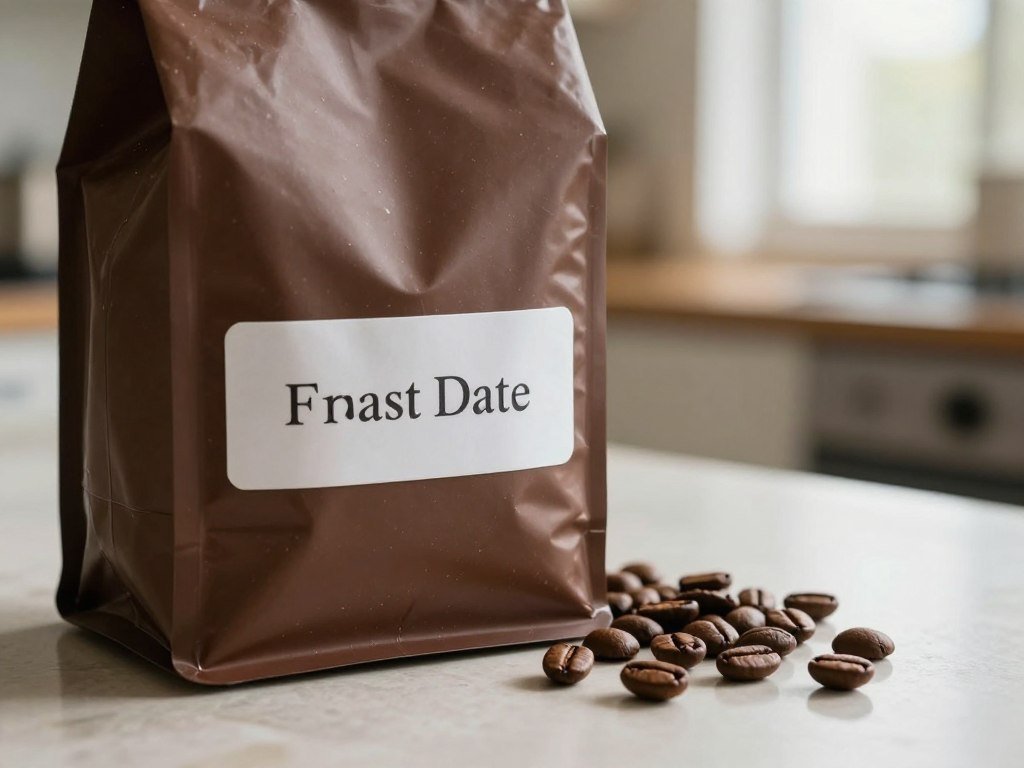
A small bag of around 250-350 grams helps you use fresh beans before their flavor fades. For many home users, buying enough for about two weeks is a practical target.
Choose roasters that print roast dates and ship quickly. Keep the bag sealed, or move the beans to an airtight container in a cool, dark place away from light and heat.
Use this quick storage checklist:
- Check the roast date.
- Buy around 250-350 grams.
- Seal the bag or container.
- Store it away from light and heat.
Buy only the quantity you can finish while the beans still fit your preferred post-roast window.
A typical 4-14-day peak-flavor window gives you a useful frame for planning a small coffee buy.
How Do You Dial In Beans on a Home Espresso Machine?
Start with 18 g of coffee in and aim for 36 g of espresso out, then judge the shot by taste. This 1:2 ratio gives you a repeatable first recipe. A common starting time is about 28 seconds.
Espresso needs a fine grind and a machine and grinder that can manage it. A burr grinder produces a more consistent fine grind than a basic blade grinder.
- Weigh 18 g of beans.
- Grind them fine with a burr grinder.
- Aim for 36 g of espresso out in about 28 seconds.
- Taste the shot and adjust one variable at a time.
Grind size controls how quickly water flows through the coffee. If the shot runs too quickly, try a finer grind; if it stalls, try a coarser grind.
Espresso grinders and machines must handle finer grounds than typical drip brewing. A home espresso machine guide can help you assess whether your setup can make those small grind changes.
Coffee age, roast, and humidity can affect how beans grind, so taste each test shot before changing your settings. CoffeeGeek’s espresso dialing advice also stresses making controlled adjustments between shots.
Crema can change in color and amount as you adjust a recipe, but taste should guide your next move. Change only one variable between test shots so you can tell which adjustment improved the cup.
Which Grocery-Store Espresso Coffees Are Worth Trying?
For an easy-to-find medium-roast option, compare La Colombe Nizza with Lavazza Oro; for a ground, budget-friendly choice, consider Café Bustelo. These formats make it easier to shop by roast or convenience. Death Wish is a poor fit if you dislike very dark, bitter coffee.
La Colombe Nizza blends East African and Latin American beans. Lavazza Oro is a medium-roast blend of South and Central American beans, while Starbucks Espresso Roast comes pre-ground and sits at five out of six on Starbucks’ roast scale.
Café Bustelo is a budget-friendly ground espresso coffee with deep, rich flavor and a fairly thick texture. In a 2025 grocery-store espresso test, Death Wish ranked last and was described as the darkest roast tested.
| Coffee | Roast or format | Useful detail |
|---|---|---|
| La Colombe Nizza | Medium-roast blend | East African and Latin American beans |
| Lavazza Oro | Medium-roast blend | South and Central American beans |
| Starbucks Espresso Roast | Pre-ground | Five out of six on Starbucks’ roast scale |
| Café Bustelo | Ground espresso coffee | Deep, rich flavor and fairly thick texture |
| Death Wish | Darkest roast in the 2025 test | Ranked last, predominantly roasty and bitter |
Other bags offer different flavor paths. Lavazza Espresso Barista Gran Crema has an intensity rating of 7/10 and mocha-like notes; Downeast Supreme Crema brings chocolate, nuts, and low perceived acidity.
San Francisco Bay Espresso Roast is a mid-dark Central American Arabica with mocha and citrus notes. Peet’s Espresso Forte has earthy notes with hazelnut in the background.
Black Rifle AK Espresso is a medium-roast Colombian-Brazilian blend with orange and floral notes. Allegro Organic Espresso Sierra has caramelized-sugar notes, while Thelmita’s is a Honduran single-origin dark roast with malty notes.
The 2025 grocery-store taste test found Death Wish predominantly roasty and bitter. If bitterness is a concern, avoid choosing a coffee solely because its label promises an especially dark roast.
Should You Choose a Blend or Single-Origin Coffee?
Choose single-origin coffee when you want to explore a region’s character, and choose a blend when a balanced, repeatable profile matters more. Origin can shape the flavors in your cup. Blends often make it easier to brew a consistent espresso.
Single-origin coffee comes from one farm or region, so it can highlight local growing and processing traits. Those distinct flavors can also make espresso more variable from one coffee to another.
Single-origin coffee highlights place and processing
A single-origin coffee can bring clear fruit, floral, or earthy notes to a straight shot. It is a good choice when you want to notice how place and processing affect flavor.
Specialty-grade coffee scores 80 or higher on the Specialty Coffee Association’s 100-point cupping scale. That score classifies measured quality, but it cannot guarantee that you will enjoy a bag.
Espresso blends aim for balance and consistency
A blend combines beans from multiple origins to create a more rounded profile. Roasters can build a balance of sweetness, body, and acidity that stays more consistent across bags.
Arabica makes up about 60% of the world’s coffee supply. Robusta carries roughly twice the caffeine, about 2.2% compared with Arabica’s 1.1%, but caffeine alone does not determine quality.
Let the drink and flavor you want decide whether a blend or single origin belongs in your basket.
The best espresso coffee in the world is the one that fits your taste and drink. A balanced blend may suit repeatable milk drinks, while a distinctive single-origin coffee can make straight shots more exploratory.
Let flavor and the drink you make guide the choice, rather than treating origin or species as a quality ranking.
Conclusion
A fresh medium roast is a practical first bag if you want a flexible starting point for home espresso. It can work across different drinks, while your best choice still depends on whether your cup is mostly straight or milk-based.
Choose a bag with a printed roast date and a size you can finish. Record your starting dose and yield, then taste the shot before changing the recipe.
Choose one bag that suits your usual drink, record your first recipe, and adjust one variable after tasting.
FAQ
Can you use pre-ground coffee in an espresso machine?
Yes, you can use pre-ground coffee if the grounds are fine enough for espresso. A grind made for drip coffee may let water pass too quickly and produce a weak shot. Whole beans ground just before brewing generally retain more aroma. If you use a pre-ground bag, choose one labeled for espresso and follow your machine’s directions.
How long should espresso beans rest after roasting?
Espresso beans often reach peak flavor roughly 4-14 days after roasting, though preferred timing varies with the coffee and your taste. Very fresh beans can release more gas during brewing, which may affect how the shot flows. Try the coffee across several days after roasting and keep the timing that gives you the cup you like.
Can light-roast beans work in a latte?
Yes, light-roast beans can work in a latte, though their brighter acidity and fruitier notes may stand out. Steamed milk can soften those flavors and make the drink taste rounder. A finer grind or a recipe change may help if the shot tastes too sharp, but adjust one setting at a time and taste again.
Why does crema look different from one coffee to another?
Crema can look different because freshness and roast level affect its color and amount. Fresh beans may produce more foam, while darker roasts can create a different-looking layer. Crema is one visual cue, not proof of flavor quality. Judge the shot by its taste and balance, rather than by foam alone.
Is a single-origin coffee always better than a blend for espresso?
No, single-origin coffee is not always better than a blend for espresso. A single origin can highlight a farm or region’s character, while a blend often aims for a balanced and consistent profile. Your drink matters too: a steady milk-drink base may favor a blend, while a straight shot can let distinctive origin notes shine.
Does a medium roast work for an Americano?
Yes, a medium roast can work well for an Americano because it can retain body and flavor after hot water is added. A common example uses about 2 ounces of espresso with 8 ounces of hot water. You can change the water amount to suit your preferred strength, then taste the result before adjusting the coffee recipe.



