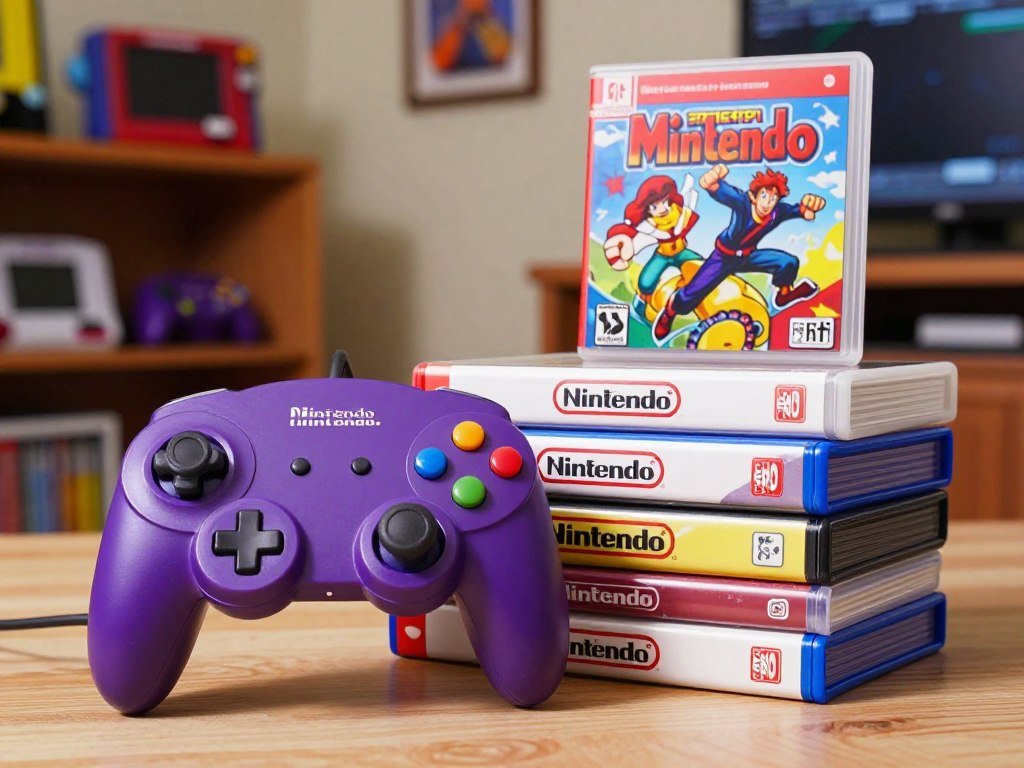
The GameCube may not have led its generation in sales, but its library gave Nintendo fans plenty to remember. The console launched in 2001, and its games still offer memorable worlds, clever ideas, and strong play with friends.
Commercial success was uneven: all but 11 GameCube titles failed to pass two million sales. Still, players often value a standout game more than its sales rank. By June 30, 2024, people had bought 208.58 million GameCube game copies.
An ESRB rating is a U.S. age-and-content classification that helps players and families decide whether a game’s content is appropriate for them. These 25 picks cover adventure, horror, role-playing, racing, and multiplayer, with options for different moods and skill levels.
Key Takeaways
- Start with Metroid Prime for solo exploration.
- Choose Super Smash Bros. Melee for competitive matches.
- Compare Zelda adventures by mood and setting.
- Try different genres instead of following sales alone.
- Check ratings and regional versions before playing.
Treat this list as a set of starting points, then choose by the kind of play you want most.
Which Best GameCube Games Should You Play First?
For a first solo adventure, start with Metroid Prime; for fast, competitive matches, choose Super Smash Bros. Melee. Those two give you very different ways into the library.
Metroid Prime suits atmospheric exploration, while Melee rewards quick decisions and practice. Metroid Prime holds a 97 Metascore on GameCube and a 9.1 Nintendo Life score.
The table compares four Metascores and ESRB ratings, not every measure of quality. Scores can help you narrow choices, but they cannot tell you which characters or series you will enjoy.
| Game | GameCube Metascore | ESRB rating |
|---|---|---|
| Metroid Prime | 97 | T |
| Resident Evil 4 (2005) | 96 | M |
| The Legend of Zelda: Twilight Princess | 96 | T |
| The Legend of Zelda: The Wind Waker | 96 | E |
Super Smash Bros. Melee sold just over 7.4 million units worldwide, making it the console’s best-selling game. Its roster brings Nintendo characters together for fast fights that stay lively with friends.
Mario Kart: Double Dash!! sold 6.88 million units, while Super Mario Sunshine sold 5.91 million. Their sales rank shows broad appeal, not that every player will prefer them.
| Game | Worldwide sales | GameCube sales rank |
|---|---|---|
| Super Smash Bros. Melee | Just over 7.4 million | 1 |
| Mario Kart: Double Dash!! | 6.88 million | 2 |
| Super Mario Sunshine | 5.91 million | 3 |
Sales and review scores measure different things. One reflects how many copies people bought; the other reflects critics’ views of a game.
Use scores as a filter, not a verdict. A game that fits your taste can matter more than its rank.
A solo player who likes searching rooms and piecing together a world has a strong first pick. Someone who wants repeated matches can begin with Melee instead.
Use the scores as a useful filter, not as a substitute for choosing the genre you actually enjoy.
Which Zelda Adventure Fits Your Style?
Choose The Wind Waker for the broad ocean and bright visual style, or Twilight Princess for a darker journey through Hyrule. The mood matters as much as the setting.
The Wind Waker favors sea travel and expressive animation; Twilight Princess offers a more somber world and wolf form. They are distinct adventures, not slight variations.
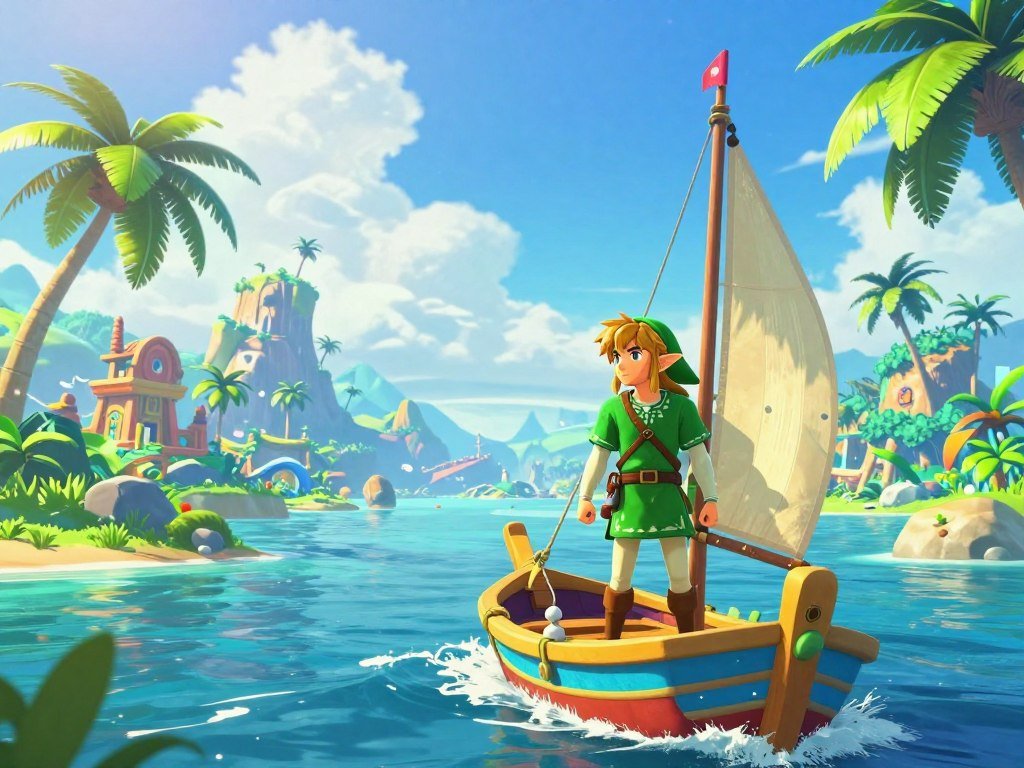
The Wind Waker released for GameCube on March 24, 2003. It turns the sea into a wide route between islands, where discoveries and lively characters keep travel engaging.
Its cel-shaded style gives Link and the world clear expressions. Choose it if you like open-sea exploration and want each island to feel like a new stop.
Twilight Princess came to GameCube on December 11, 2006. Its darker Hyrule, wolf transformation, and Midna create a different kind of adventure.
Horseback combat adds a forceful change of pace. Link’s wolf form also shifts how you explore and interact with the world.
| Game | GameCube release date | Signature adventure focus |
|---|---|---|
| The Legend of Zelda: The Wind Waker | March 24, 2003 | Ocean travel and island discoveries |
| The Legend of Zelda: Twilight Princess | December 11, 2006 | Wolf form and darker Hyrule |
| The Legend of Zelda Collector’s Edition | Release date not listed here | Four earlier games and a demo |
The Wind Waker has a 9.1 Nintendo Life score, while Twilight Princess scores 8.8. That small gap does not settle which world will suit you.
A player expecting the same tone from both can be surprised by their contrast. The bright sea adventure has a playful spirit, while the later release leans into shadow and conflict.
Older Zelda titles such as Ocarina of Time also shape how players view Link’s changing adventures. You can compare those classics with other Nintendo 64 game picks when choosing a familiar series entry.
Pick the version of Hyrule whose atmosphere you would rather spend hours exploring.
Which GameCube Horror Games Still Get Under Your Skin?
For psychological unease, Eternal Darkness: Sanity’s Requiem is the clearest pick; for more action-driven horror, choose Resident Evil 4. Each fright works in a different way.
Eternal Darkness uses doubt and strange effects, while Resident Evil 4 puts more weight on combat. The original Resident Evil favors tense, careful survival.
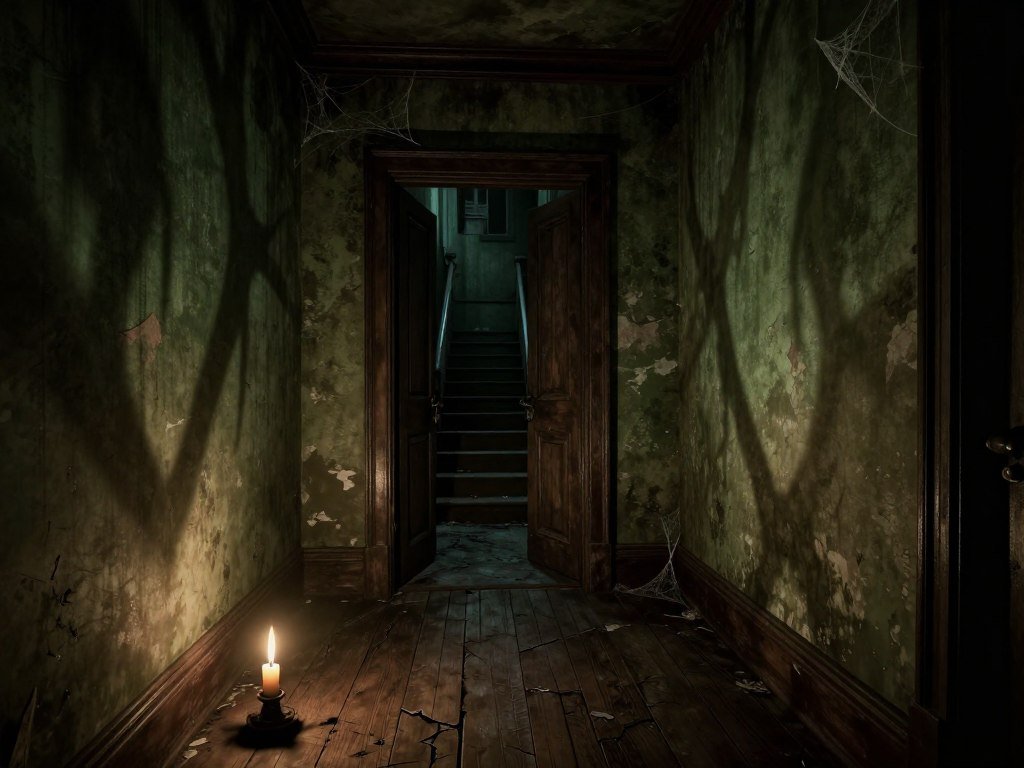
Eternal Darkness follows Alexandra Roivas as she investigates her grandfather’s murder. Its story crosses several eras, so the mystery grows beyond one character’s immediate danger.
The game’s sanity effects can disrupt audio or create visual anomalies. These moments make you question what you saw, rather than simply placing more enemies in your path.
The game released for GameCube on June 24, 2002, and has a 92 Metascore. IGN placed it 25th among its best GameCube games.
| Game | GameCube release date | Horror or action emphasis |
|---|---|---|
| Eternal Darkness: Sanity’s Requiem | June 24, 2002 | Psychological horror and sanity effects |
| Resident Evil | March 22, 2002 | Survival horror and careful resource use |
| Resident Evil 4 (2005) | January 11, 2005 | Action-driven horror and combat |
Resident Evil 4 shifts the balance toward fighting, with more direct action against its enemies. It suits players who want horror but prefer a stronger combat focus.
The original Resident Evil moves at a slower pace, with fixed cameras and limited supplies. Its older combat conventions may feel dated if you expect modern controls.
That contrast helps you choose by what creates tension for you: uncertainty, scarce resources, or the pressure of a fight. None of the three offers the same kind of scare.
Give Eternal Darkness a try when you want the game itself to make uncertainty part of the scare.
Which Action Games Reward Precision and Experimentation?
Metal Gear Solid: Twin Snakes is the clearest exclusive pick here, while Viewtiful Joe suits players who want action built around timing tricks. Both reward close attention.
Twin Snakes is a GameCube-exclusive remake, not proof that every action pick is exclusive. It adapts the original Metal Gear Solid for Nintendo’s console.
The remake adds more elaborate cutscenes and mechanics inspired by Metal Gear Solid 2. Those changes can divide fans who prefer the original’s style and pacing.
IGN ranks Twin Snakes 18th among its best GameCube games. It released on March 9, 2004, and suits players who enjoy stealth plans and careful movement.
Viewtiful Joe builds its fights around control of time and scale. Slow-motion and zoom modes let you alter the pace, dodge attacks, and land well-timed hits.
Its side-scrolling action asks you to read enemy moves, then use each trick at the right moment. The game received a 93 Metascore and released on October 7, 2003.
SoulCalibur II offers another kind of action through weapon-based duels. Its GameCube version includes Link, making it a natural choice for players who want focused one-on-one fights.
- Stealth and a remake: Metal Gear Solid: Twin Snakes.
- Timing-based side-scrolling: Viewtiful Joe.
- Weapon-based duels: SoulCalibur II.
These picks suit different habits: planning, precise timing, or reading an opponent. A player who enjoys one style may not want the same pace from another.
Twin Snakes stands out as an exclusive remake, while Viewtiful Joe and SoulCalibur II offer their own action ideas. Each asks for a different kind of focus.
Choose Twin Snakes when you welcome a remake that changes the feel of its original rather than reproducing it exactly.
Which Story-Driven Adventures Pull You Into Their Worlds?
Pick Luigi’s Mansion for a compact, atmospheric ghost hunt, or Beyond Good & Evil for a wider story built around Jade’s investigations. One is intimate; the other opens onto a larger mystery.
Luigi’s Mansion offers clear room-by-room goals, while Beyond Good & Evil mixes investigation, action, and adventure. Your choice depends on how much story you want around the play.
Luigi’s Mansion
Luigi explores a ghost-filled mansion with the Poltergust 3000, a vacuum-like tool that helps him capture ghosts. His flashlight reveals threats and gives each room a small moment of suspense.
His expressive fear gives the adventure much of its charm. Luigi looks nervous even when he presses on, so his reactions make the mansion feel personal rather than grand.
IGN ranks Luigi’s Mansion 23rd among its best GameCube games. It released on November 18, 2001, and its linked rooms encourage steady exploration.
The main caveat is its length: this is a compact experience, not a long campaign. That makes it a good fit when you want a complete, focused adventure.
Beyond Good & Evil
Beyond Good & Evil follows Jade, a reporter who investigates a conspiracy. Her search for answers drives the story and gives ordinary places a reason to explore.
Action and adventure share the work. Jade can move through scenes, deal with danger, and look for clues that help her understand the larger threat.
The game came out on December 10, 2003, and IGN ranks it 22nd among its best GameCube games. Its appeal rests on Jade’s curiosity as much as its action.
Luigi’s Mansion is easier to follow in short visits, while Jade’s investigation builds a wider story. For a first playthrough with a younger or less experienced player beside you, Luigi’s Mansion’s clear room-by-room goals make it the easier starting point.
Which GameCube RPGs Offer the Best Long-Term Stories?
Choose Fire Emblem: Path of Radiance for careful turn-based tactics, or Skies of Arcadia Legends for a sweeping adventure across the skies. Both need time and attention.
Path of Radiance is the tactical choice; Skies of Arcadia Legends fits players seeking a broad adventure. These RPGs build their appeal in different ways.
Fire Emblem: Path of Radiance
Path of Radiance centers on turn-based tactical battles, where each move can shape the next fight. Its large cast gives you many characters to follow and develop.
The story unfolds in Tellius amid conflict between beorc and laguz. That clash gives the battles a wider meaning and ties the world to the characters’ choices.
The game has an 8.3 Nintendo Life score. Its careful pace suits players who enjoy planning a move before committing to it.
Character relationships matter alongside tactics, so the story rewards attention between battles. It is a stronger fit when you want both strategic play and a cast with room to grow.
Skies of Arcadia Legends
Skies of Arcadia Legends follows an airship-led adventure across a broad world. Exploration and discovery drive the appeal, with new places giving the story a sense of scale.
The game released on GameCube on January 27, 2003. IGN ranks it 21st among its best GameCube games.
Its skyfaring focus makes it a good match for players who want a long adventure rather than a tightly contained story. The setting keeps exploration at the center.
Its sequel context can leave some character arcs feeling unfinished. That is worth knowing if you want every thread tied off in one game.
Choose between tactical control and broad exploration, not just between two fantasy settings. Commit to Path of Radiance when you are ready to invest attention in both its battles and its character relationships.
Which Sci-Fi Games Change the Rules?
Metroid Prime 2: Echoes is the pick for a tougher return to Samus’s world, while Killer7 offers a stranger, more experimental action experience. One builds on familiarity; the other takes unusual turns.
Echoes asks you to handle two versions of Aether, while Killer7 reshapes movement and combat. Neither follows the most familiar action-game pattern.
Metroid Prime 2: Echoes
Echoes sets its exploration across light and dark versions of Aether. Moving between the two worlds changes the feel of familiar spaces and how you approach their threats.
New weapons add options in combat, and the game also includes four-player competitive modes. Those modes offer a different way to spend time with the series.
It released on November 15, 2004, and has an 8.5 Nintendo Life score. Its added challenge can make it less welcoming than the first Prime.
Choose it if you want a demanding return to Samus’s world, not a gentle repeat of the earlier adventure.
Killer7
Killer7 arrived on GameCube on July 5, 2005, and IGN ranks it 20th among its best GameCube games. Its striking visual style sets it apart immediately.
Its movement and combat structure feel unusual beside standard action games. You move through carefully shaped scenes and face combat in a distinct, deliberate way.
That design can feel less direct than a familiar shooter. The reward is a game with its own visual language and a very different rhythm.
- Dual worlds: explore the light and dark sides of Aether.
- Multiplayer: compete in Echoes’ four-player modes.
- Visual style: experience Killer7’s distinctive presentation.
These features make the two games easy to tell apart. Echoes asks for patience with its tougher exploration, while Killer7 is the bolder change in style.
Choose Echoes when learning a harsher version of familiar exploration sounds more appealing than starting an entirely unfamiliar style.
Which Games Make Local Competition a Highlight?
For a group match, Mario Kart: Double Dash!! is the easiest recommendation; choose Melee for a higher competitive skill ceiling. Each brings a different kind of local play.
Double Dash!! is built around shared kart racing, while Melee rewards precise, practiced fighting. SoulCalibur II offers a more traditional weapon-based duel.
| Game | Review outlet and score | Signature multiplayer or fighting feature |
|---|---|---|
| Mario Kart: Double Dash!! | Nintendo Life: 8.5 | Two riders share each kart |
| SoulCalibur II | Metascore: 93 | GameCube version features Link |
| Super Smash Bros. Melee | Nintendo Life: 8.8 | Competitive play rewards precision |
Double Dash!! gives each kart two riders. You can switch drivers and the items they hold, so teamwork becomes part of each race.
SoulCalibur II has seven gameplay modes, including Versus, Survival, Team Battle, and Weapon Master. Its GameCube version features Link, a platform-specific addition to the fighter.
Melee’s competitive play asks for precise movement and quick choices. Its high skill ceiling gives experienced players reasons to keep practicing.
These games are best presented as local-play classics. A modern player seeking online matchmaking may prefer a newer title built around that feature.
Pick Double Dash!! when shared local play matters more than having the newest roster or online features.
Which Platformers Turn Exploration Into the Main Event?
Choose Super Mario Sunshine for tropical platforming with FLUDD, or Pikmin 2 for exploration that depends on directing a small squad. Movement or planning sets the pace.
Sunshine centers on direct platforming, while Pikmin 2 asks you to manage helpers and time. Each makes exploring a space the main activity.
Super Mario Sunshine
Super Mario Sunshine takes Mario to Isle Delfino, where he uses FLUDD to clean up messes and move through platforming challenges. The cleanup task gives the island a clear purpose.
FLUDD changes familiar Mario movement. You can use its water jets to adjust jumps and reach places in ways that differ from a standard platforming run.
The game released on August 26, 2002. Its appeal comes from handling Mario directly, then learning how FLUDD changes each challenge.
Pick Sunshine if you enjoy practicing jumps and exploring a colorful island. The controls and movement are the main attraction, rather than managing a team.
Pikmin 2
Pikmin 2 follows Captain Olimar as he searches for treasure and commands different Pikmin. These small helpers can collect objects, cross obstacles, and face enemies.
The game has unlimited in-game time, new Pikmin types, and two-player cooperative play. Its 8.3 Nintendo Life score reflects a game built around planning as well as exploration.
Assigning the right Pikmin to a task matters. You guide the group through spaces and decide how to use its different strengths.
Sunshine is the better choice for direct movement challenges, while Pikmin 2 suits players who enjoy planning. If you want more platformer options beyond Mario, browse these platformer recommendations.
Try Pikmin 2 when a flexible schedule and cooperative option matter more than a pure platforming challenge.
Which Games Make Strategy and Story Feel Fresh?
Pick Paper Mario: The Thousand-Year Door for a funny, story-rich RPG, or Pikmin for a smaller-scale strategy challenge. One tells a tale; the other puts you in charge.
Paper Mario is the story-first option, while Pikmin is more focused on managing a group. Both reward thought without feeling like the same kind of game.
Paper Mario: The Thousand-Year Door
This role-playing adventure pairs turn-based battles with timing-based actions. Pressing a button at the right moment can make an attack or defense more effective.
Its humor and paper-craft presentation give the world a playful look. Characters and conversations carry as much charm as the battles do.
The game released in 2004 and has a 9.1 Nintendo Life score. Its paper style is more than decoration; it shapes the way the world looks and moves.
A player expecting a conventional 3D Super Mario platformer may be surprised by the RPG format. The focus is on conversations, choices in combat, and exploration.
Pikmin
Pikmin puts Captain Olimar in charge of plantlike helpers. He directs different Pikmin to gather objects, cross obstacles, and deal with enemies.
The strategy comes from choosing which helpers suit each task. You guide a small group through a space rather than moving through it alone.
This makes Pikmin the more management-focused choice. Paper Mario gives more room to its story and characters, while Pikmin asks you to plan each action.
Choose Paper Mario when you want conversations and combat choices to matter as much as exploration.
Which Racing and Sports Games Bring Arcade Energy?
Choose F-Zero GX for intense speed and demanding control, or Mario Superstar Baseball for a more playful sports match. Both reward practice in their own way.
F-Zero GX is the faster, less forgiving choice; Mario Superstar Baseball keeps its sports action light. Double Dash!! adds shared kart racing to the mix.
F-Zero GX asks you to control a racing craft at high speed and make precise moves. A small mistake can cost time, so steady hands matter.
Nintendo Life gives F-Zero GX an 8.3 score. Eurogamer’s F-Zero GX review awards it 9 out of 10 and highlights its demanding racing.
Players who want a forgiving learning curve may find F-Zero GX frustrating. Its speed is part of the appeal, but it leaves little room for sloppy control.
Mario Superstar Baseball, released in 2005, features Mario characters in arcade-style matches. Its batting is accessible, while timing and positioning still reward attention.
The sport feels playful rather than simulation-heavy. You can enjoy the cast and quick match flow without treating every play like a serious league game.
- High-speed racing: F-Zero GX.
- Playful sports matches: Mario Superstar Baseball.
- Shared kart racing: Mario Kart: Double Dash!!.
For more racing ideas, including games built around drifting, see these drifting game picks. They offer a different kind of challenge from F-Zero’s futuristic tracks.
Start with Mario Superstar Baseball if you want the sports format to feel lighthearted rather than simulation-heavy.
Which Zelda Collection Suits Younger Players?
The Legend of Zelda Collector’s Edition is the clearest family-friendly starting point here, with an E rating and several different Zelda adventures. That variety lets a child sample different eras.
The collection includes four earlier Zelda games and a playable demo of The Wind Waker. The E rating is a helpful starting point for families.
The disc includes The Legend of Zelda, Zelda II: The Adventure of Link, The Legend of Zelda: Ocarina of Time, and The Legend of Zelda: Majora’s Mask.
It also includes a playable demo of The Wind Waker. A child can sample different styles, from older 2D play to later three-dimensional adventures.
The collection has a 95 Metascore and an 8.7 Nintendo Life score. Among these picks, it offers a broad starting point for families who want several Zelda games.
For kids, check the ESRB label and consider how comfortable the child feels with older controls and challenge. An age label does not tell you whether the play style will feel easy.
- Confirm the ESRB rating.
- Consider the child’s experience with older games.
- Choose one title at a time, not the whole disc as one long adventure.
The older games can vary in pace and difficulty. Let the child try one included game first, since older controls can be a bigger hurdle than the collection’s age label.
Does Resident Evil’s GameCube Remake Still Belong on a Must-Play List?
Yes, Resident Evil’s GameCube remake belongs on the list if you enjoy deliberate survival horror and a memorable mansion setting. Its careful pace sets it apart from action-first horror.
Choose Resident Evil for resource management, a carefully staged mansion, and slow-building tension. It remains a strong pick for players who like survival horror.
The GameCube version updates the presentation of the original Resident Evil. You can play as Jill Valentine or Chris Redfield, members of S.T.A.R.S.
Each character gives you a different lead through the mansion. Careful movement and limited resources make the setting feel dangerous, even when no enemy is close.
The remake has a 91 Metascore, and IGN ranks Resident Evil 19th among its best GameCube games. It released on March 22, 2002.
Fixed-camera navigation can be a stumbling block if you are used to modern over-the-shoulder controls. The camera shifts as you move between rooms, changing what you see.
That design supports the mansion’s suspense, but it asks you to adjust your sense of direction. The game favors planning over rushing into each encounter.
Choose it when you want tension built from limited resources and careful movement, not constant action.
What Should You Try After These 25 Picks?
A 100-game list is useful when you want to move past headline franchises and discover more unusual GameCube releases. It widens your choices beyond familiar series.
Use a longer list as a discovery tool, not a universal ranking. GameCube games include first-party Nintendo releases and titles from other publishers.
Infinity Retro’s 100-game GameCube list gives you more room to find unfamiliar genres and regional releases. A longer list can surface games that rarely lead a conversation.
Kururin Squash! is one example: it was not released outside Japan. Regional releases can make a title harder to find in some versions of a system library.
Animal Crossing offers a different pace through relaxed life simulation. It sold 1.68 million units in the United States, showing that a quieter game can find a large audience.
Do not treat a list of 100 games as a final ranking for every player. Use it to spot a style or title you might otherwise miss.
- Browse by genre to find a new kind of play.
- Check whether a game had a regional release.
- Look for unusual licensed or experimental titles.
First-party releases are only part of the library. Games from other publishers can bring different genres, art styles, and ideas to the console.
A longer list helps you discover games, but its order cannot decide what you will enjoy. Start with a genre or idea that catches your eye.
Before tracking down an unfamiliar title, check its region and language so you know what version you can actually play.
Conclusion
The GameCube’s strongest legacy is its variety, from quiet exploration to fast, competitive matches. The best GameCube games depend on whether you want a story, a challenge, horror, or a game with friends.
Choose one title by genre before you start browsing. Then check the game’s available version and region, since those details can shape what you can play.
A classic does not need to fit every player to earn a place in your collection. Pick the genre that sounds most fun, then check the game’s region and available version before you start.
FAQ
What is the best-selling GameCube game?
Super Smash Bros. Melee is the best-selling GameCube game, with just over 7.4 million units sold worldwide. Its fast fights and large Nintendo character roster helped it appeal to players beyond fighting-game fans. Sales do not tell you whether it suits your taste, though. If you want a solo adventure or a racing game, another title may be a better fit.
Can I play GameCube games on a modern Nintendo system?
Some GameCube games are available through modern rereleases or a select Nintendo Switch 2 subscription library, but availability depends on the specific game. The original GameCube disc is not a universal way to play on a modern Nintendo system. Check the title you want and the system’s current game catalog. A rerelease may also differ from the original version.
Which GameCube games are best for two players?
Mario Kart: Double Dash!! is a strong pick for shared kart racing, Super Smash Bros. Melee suits competitive fighting, and Pikmin 2 offers cooperative play. Double Dash!! lets two riders share a kart, while Melee rewards practice and precise moves. Pikmin 2 gives two players a cooperative option. Choose based on whether you want a race, a duel, or teamwork.
Are all of the best GameCube games exclusive to Nintendo’s console?
No, not all of the best GameCube games are exclusive to Nintendo’s console. Some titles later received rereleases or remasters on other systems. Metal Gear Solid: Twin Snakes, by contrast, was a GameCube-exclusive remake of the original Metal Gear Solid. Check each game’s version history if you care about playing the original release or a later edition.
Is The Legend of Zelda Collector’s Edition suitable for kids?
The Legend of Zelda Collector’s Edition has an E rating, which makes it a useful starting point for families. Still, consider whether the child is comfortable with older controls and the challenge of earlier games. The disc includes several distinct adventures, so a child can try one at a time. A short first session can show whether the play style feels right.
Why is Super Smash Bros. Melee still popular with competitive players?
Super Smash Bros. Melee remains popular with competitive players because its precise techniques and high skill ceiling reward practice. Players can keep improving movement, timing, and decisions through repeated matches. Its local competitive play also remains a central draw. The game is less welcoming if you want an easy first match, but learning its systems gives experienced players room to grow.



