The iPhone 17 is the best starting point for most buyers, while a tighter budget or a specific camera or design priority can point to another model. Your 2026 buying decision depends on your personal budget, daily habits, and plans for long-term use. One phone cannot suit every buyer, so this guide matches models to the features you will use.
Look to the iPhone 17e or iPhone 16 for lower prices, the iPhone 18 Pro for camera controls, and the iPhone Air for a slim design. A used iPhone can also make sense if you check its condition and software support. Prices here are for the United States, and new and used devices are treated separately. Set a firm spending limit before comparing features, since it is easy to pay for capabilities you may never use.
Key Takeaways
- Choose the iPhone 17 for a strong all-around fit.
- Consider the iPhone 17e when $699 is your new-phone limit.
- Pick a Pro iPhone if you will use its camera controls.
- Choose the iPhone Air for a slim, light design.
- Check software support and condition before buying used.
How should you narrow the iPhone choices?
The most useful first filter is your maximum spend, followed by the two features you will notice every day. Start with a real spending cap, then weigh screen size, battery life, camera needs, and how long you plan to keep the phone. The standard iPhone 17 is the best value for many buyers who want current features without Pro pricing.
A discounted iPhone 16 or the iPhone 17e may fit better when your budget is tighter. If you want more help comparing phone priorities, see this phone buying guide for 2026.
| Model | Starting price | Strongest fit | Useful distinction |
|---|---|---|---|
| iPhone 17 | $929, or $899 with carrier activation | Best all-around fit | 256GB base storage |
| iPhone 17e | $699 | Entry price | 256GB base storage |
| iPhone 16 | $699 | Lower-cost standard option | 128GB base storage |
| iPhone 18 Pro | $1,199 | Advanced camera features | Variable aperture |
| iPhone 18 Pro Max | $1,299 | Larger screen and premium camera features | 249g weight |
Use these checks to narrow the options before comparing small feature differences:
- Spending cap: Set the total you can pay.
- Preferred size: Decide how large a screen feels comfortable.
- Camera and zoom needs: Think about the photos you take most.
- Storage needs: Account for apps, photos, and videos.
- Expected ownership period: Choose support and features for your plans.
Compare the final price after activation requirements, because the iPhone 17’s lower listed price requires carrier activation.
For the best iPhone to buy in 2027, do not assume this year’s lineup or support will predict next year’s. Choose a model with the features and support you need when you buy.

Best iPhone to Buy for Most People
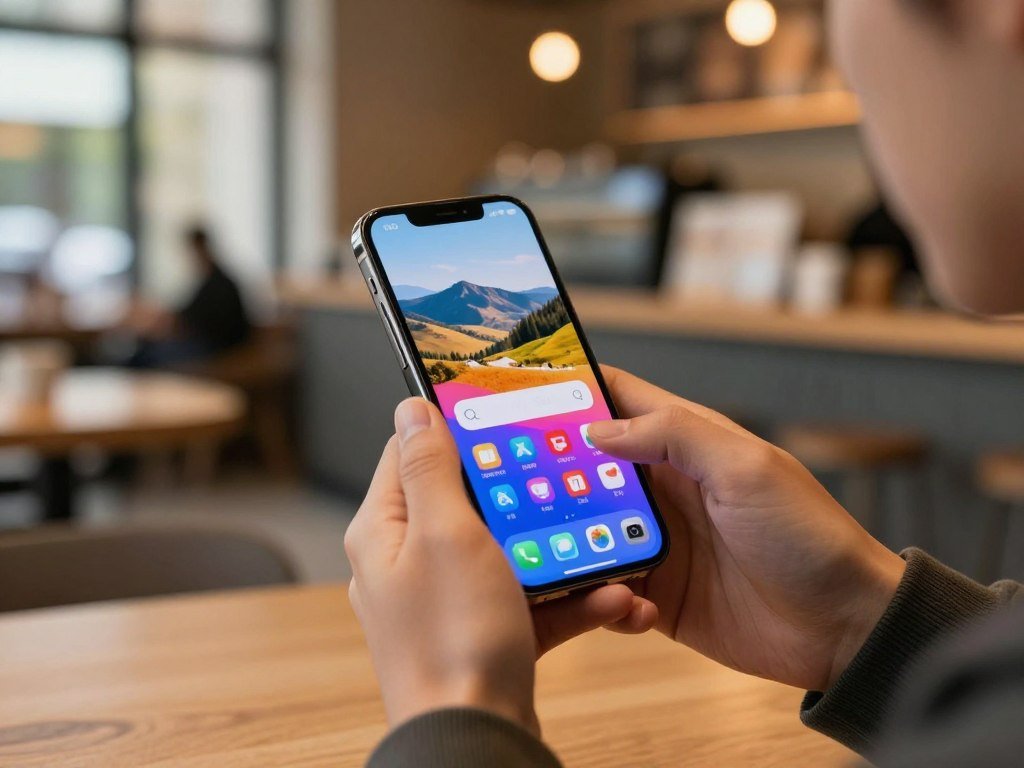
For most people, the iPhone 17 is the best balance of screen quality, storage, camera capability, and endurance without the Pro price. Its everyday strengths matter more than a long list of features you may rarely use. The standard model starts at $929 in 2026, or $899 with carrier activation.
Choose the iPhone 17 if you want a current phone that covers common needs without paying for Pro-only camera tools. Buyers who need more hands-on control can look at an iPhone Pro instead.
What the iPhone 17 gets right
The display supports a 1-120Hz variable refresh rate and an always-on display. Variable refresh rate is a display feature that changes its refresh rate to suit what is on screen, helping scrolling look smoother while adapting to less demanding content.
The screen can show smoother motion when you scroll, then adjust for content that needs less. The always-on display keeps key information visible without fully waking the screen.
The ultrawide camera has a 48-megapixel sensor, up from 12 megapixels on the iPhone 16. That gives you more detail to work with when you use the wider view for group shots or landscapes.
Starting storage is 256GB, which gives you more room for apps, photos, and video before you need to manage files. That larger base capacity can matter over several years of daily use.
Battery life is another strong point. In a three-hour streaming test, the battery fell from 100% to 89%, compared with 86% for the iPhone 16.
That result came from one test, so it does not promise the same battery percentage in your routine. CNET ranked it second for battery life among 35 phones tested.
Where its camera and charging fall short
The standard model does not include the variable aperture or dedicated zoom camera found on Pro models. Those features help when you want more control over light or distant subjects.
If you mostly take casual snapshots, that difference may not change your photos enough to justify a higher price. The iPhone 17 already has a capable camera system for everyday scenes.
Wired charging supports up to 40 watts, while wireless charging supports up to 25 watts. Those rates give you flexible ways to top up, but buyers seeking the fastest charge should compare the exact charging setup.
The standard model’s screen, storage, and battery make it a strong fit for many daily habits. Choose a Pro model only if its camera controls or zoom features solve a real need for you.
Which iPhone works best on a tight budget?
If $699 is your ceiling for a new iPhone, the iPhone 17e is the clearest budget recommendation. It keeps the basics useful with 256GB of starting storage, MagSafe, and a 48-megapixel main camera. It is a good budget choice if you want a new iPhone and accept its display and camera-control compromises.
The 6.1-inch display has a 60Hz refresh rate and no always-on display. It also lacks a Camera Control button, so buyers who often adjust camera settings from the phone’s side may miss it.

Students should look beyond the sticker price. Storage, battery longevity, repairability, and the total cost of the device can matter more than a premium camera they rarely use.
Before choosing among budget options, check these details:
- Compare the final price with a discounted iPhone 16.
- Check whether 256GB is enough for your files and apps.
- Decide whether a 60Hz display is acceptable to you.
- Confirm the camera features you need are present.
A buyer searching for the best iPhone to buy on a budget in 2026 can start with the 17e, then compare discounts on other models. It can also suit students who want a new phone and do not need advanced camera tools.
If you’re considering a different phone for a tight budget, compare the iPhone with these budget phones under $500. Skip the 17e if a smoother 120Hz screen or a dedicated Camera Control button is a must-have.
Is the iPhone 16 still a good value?
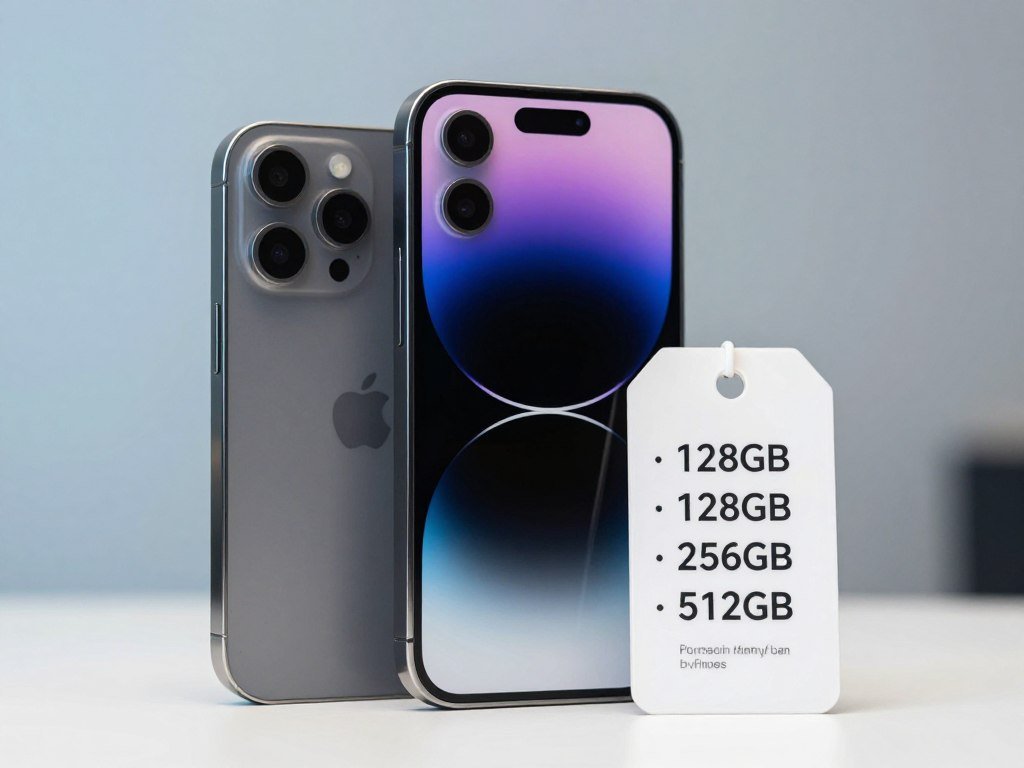
The iPhone 16 is a strong value when its $699 starting price fits your budget and 128GB is enough. The discount is the key: it makes sense when the price gap from the iPhone 17 is meaningful. Buy it when its lower starting storage still meets your needs.
The iPhone 16 lineup launched in September 2024, and the iPhone 16e launched in February 2025. The iPhone 16 starts at $699, while the iPhone 16 Pro and iPhone 16 Pro Max started at $999.
What the iPhone 16 still offers
The A18 chip gives the iPhone 16 solid performance for common tasks. Its larger battery, ultrawide camera, and Apple Intelligence support also help it stay relevant.
Those features cover messaging, web use, photos, and many apps. For buyers moving from a much older phone, the iPhone 16 can still feel like a useful upgrade.
Its starting price is the main draw, but check the actual offer rather than assuming every listing is a bargain. The $699 starting price also applies to the iPhone 17e, which starts with more storage.
What you give up compared with iPhone 17
The iPhone 16 starts with 128GB, compared with 256GB on the iPhone 17. That difference can be important if you keep a large photo library or download videos for travel.
The iPhone 17 adds a 120Hz display and a higher-resolution ultrawide camera. If you notice smoother scrolling or often use the wide lens, the higher price may be easier to justify.
For everyday value, the iPhone 16 works best when you can buy it meaningfully below the iPhone 17 and its storage fits your routine. Check the storage tier before buying, since the base iPhone 16 offers half the starting capacity of the iPhone 17.
Which iPhone has the best camera?
The iPhone 18 Pro is the camera pick for photographers who will use its extra controls, while the Pro Max adds a larger screen and heavier body. Camera control matters most when you actively adjust settings or shoot subjects that move. Both premium models start above the standard iPhone’s price.
Choose the iPhone 18 Pro for versatile camera tools, then pay more for the Pro Max only if its size suits you. Casual users may not see better photos from extra camera hardware alone.

Pro camera controls for hands-on photographers
The iPhone 18 Pro and Pro Max have variable-aperture cameras, manual controls, and focus tracking. Variable aperture lets you change how much light reaches the camera sensor.
Manual controls help you adjust a shot instead of relying on automatic settings. Focus tracking can keep attention on a moving subject, such as a child running across a field.
These tools are most useful when you enjoy shaping a photo before you take it. If you mainly point, tap, and share, the camera hardware alone does not guarantee better pictures.
For more detail on camera choices, compare this guide to the best iPhone camera options by shooting style and budget.
Choosing between the 18 Pro and 18 Pro Max
The Pro Max gives you a larger display and more weight to carry. Both models include the same variable-aperture camera and manual controls.
| Attribute | iPhone 18 Pro | iPhone 18 Pro Max |
|---|---|---|
| Starting price | $1,199 | $1,299 |
| Display size | 6.3 inches | 6.9 inches |
| Weight | 211 grams | 249 grams |
| Variable-aperture camera and manual controls | Included | Included |
The larger body may suit you if you frame shots on screen or want a bigger display for editing. Its weight can feel like a drawback during long days of carrying the phone.
In testing, the Pro Max gained 77% charge in 30 minutes. That is a model-specific result, not a promise for every charger or battery condition.
Both are capable cameras, so let your grip and budget guide the size choice. Choose the Pro Max for its size and battery headroom, not because its camera controls are exclusive to that model.
Is the iPhone Air worth choosing for its design?
The iPhone Air is the design-led choice for someone who wants a very thin phone without giving up a large 120Hz screen. Its slim shape is the main draw, with a 5.6mm body and a weight of 165 grams. The 6.5-inch display brings plenty of screen space without the heft of a larger premium phone.
Choose the Air for its feel and screen, not for camera versatility. It has a single 48-megapixel rear camera, rather than separate ultrawide or telephoto lenses.
That single camera can handle everyday photos, but it limits the ways you can frame a shot. If you regularly capture wide landscapes or zoom in on distant subjects, a phone with more camera lenses may suit you better.
A slim design is a poor value if you give up a camera feature you use every week. The phone’s light weight can be appealing for a long commute or one-handed use, while its large display still leaves room for reading and video.
Design can be hard to judge from measurements alone. Hold a slim phone in person if possible, because weight and grip are easier to judge than a spec sheet.
Is a used iPhone 14 Pro Max a smart buy?
A used iPhone 14 Pro Max typically sells for $393-$444, with storage and condition affecting the particular listing. Use those figures as a starting point, not a promise for every sale. As of October 28, 2026, the average used price was about $432.
Consider this used iPhone only when its condition and price justify accepting an older model. It launched on September 16, 2022, with a 128GB launch price of $1,099, which is historical context rather than a current value guide.
What its used price and specifications look like
Recent pre-owned average sold prices differ by storage tier. As of October 28, 2026, the averages were:
| Storage | Average sold price |
|---|---|
| 128GB | $359.99 |
| 256GB | $363.82 |
| 512GB | $424.84 |
| 1TB | $416.13 |
How to judge a particular used device
The phone has a 6.7-inch display with 2796-by-1290-pixel resolution, an always-on feature, and a 120Hz refresh rate. Its A16 Bionic chip and 48-megapixel main camera remain useful for many everyday tasks.
At 240 grams, it is a heavy phone to carry. Check battery condition, activation lock, carrier compatibility, physical condition, and the seller’s return terms before paying.
Inspect the screen and camera in person when you can, and compare the exact storage tier. Compare the exact storage tier and inspect the device in person or use a seller with a clear return policy.
Which older iPhones should you avoid?
Avoid the iPhone XS, XS Max, and XR if receiving current iOS updates is important to you. Software support matters for years, not just on the day you buy. These models do not receive iOS 27, while the iPhone 17 supports it.
A low price does not make an unsupported phone a good long-term buy. Devices without current updates can lose security updates and may become less compatible with newer apps.
Before buying an older phone, check Apple’s security release list and confirm which models receive updates. A phone that works today may not meet your needs for several more years.
Use this short check before paying for an older model:
- Confirm current iOS eligibility for the exact model.
- Inspect battery condition.
- Test the camera and display.
- Compare total price with a newer supported option.
The best choice depends on how long you plan to keep the device and which apps you need. Verify the exact model’s software eligibility before handing over money, rather than relying on a seller’s general claim that it still works.
What should you know about SIM cards and charging ports?
Check SIM and cable compatibility before buying, especially when switching from an older iPhone or Android phone. Small setup details can slow a switch if your carrier or accessories do not match the device. Confirm your carrier can activate the exact model before committing to a used or imported device.
eSIM setup in the United States
US iPhone 14 and newer models use eSIM rather than a physical SIM tray. Check your carrier’s eSIM support before moving from Android or a phone with a physical SIM.
US iPhone 14 Pro Max models have no physical SIM tray and support two active eSIMs. That setup can suit two lines, but your carrier must support activation.
USB-C and older Lightning accessories
USB-C began with iPhone 15, while the iPhone 14 Pro Max retains Lightning. USB-C data speeds vary by model and port standard: listed USB 2.0 models reach 480Mbps, while listed USB 3.0 models reach 10Gbps.
Check these points before you move your devices and accessories:
- Check carrier eSIM support.
- Confirm the cable and charger connection.
- Check your data-transfer needs.
- Account for Lightning accessories when moving from iPhone 14 Pro Max.
The connector affects more than charging if you often move large files. Confirm your carrier can activate the exact model before committing to a used or imported device.
Should you replace the battery or buy a new iPhone?
If your current iPhone still meets your needs, replacing its battery may cost less than replacing the whole device. A repair can buy more useful time when performance, support, and camera features still suit your routine. Upgrade when the battery is only one of several problems.
Older iPhone battery replacements cost $89, while newer-model replacements cost $99 or $119. Those are stated price ranges, and the exact cost depends on the model and repair provider.
The iPhone 16, iPhone 16 Plus, and iPhone 16e have easier-to-replace batteries. That design can make a repair a more appealing way to extend the life of those phones.
A new device makes more sense when slow performance, limited software support, or missing camera features also push you to replace the phone. A battery swap cannot fix those other limits.
Get a model-specific repair quote before deciding whether to replace the battery or upgrade.
Compare the repair price with the total cost of a replacement, then weigh the features you would gain. A repair can be the practical choice when the rest of the phone still works for you.
Conclusion
For most US buyers, the iPhone 17 is the safest all-around choice, while the 17e is the straightforward pick when price matters most. The iPhone 18 Pro suits buyers who will use its camera controls, and a used iPhone 14 Pro Max is worth considering only after checking condition and software needs.
Choose by the features you will use, not by a spec you may forget after checkout. Set your budget, choose the feature you value most, and compare the exact model and storage option before checking out.
FAQ
What are the best deals for iPhone 16?
The iPhone 16 starts at $699, and a strong deal costs less than that starting price. Carrier offers and retailer discounts change, so compare the final amount after any activation rules. Check the price beside the iPhone 17, too. A small gap may make the newer phone’s larger starting storage worth the extra cost.
Is the iPhone 13 or 14 better?
The iPhone 14 is the newer generation, but both models are older choices in 2026. Favor the 14 when prices are close, since it gives you a newer model year. The iPhone 13 can be a better buy when it costs much less and its battery condition and software support fit your plans. Check the exact model and condition before paying.
Does Apple still sell older iPhones?
Apple sells current models directly, while older devices may remain available through third-party retailers. The iPhone 16 starts at $699, but stock and price can differ by store. A retailer may sell older new-in-box or used devices that Apple no longer offers directly. Check the seller, condition, storage, and return rules for each listing.
Is it worth buying an iPhone 14 in 2026?
An iPhone 14 can suit a tight budget if its price, battery condition, and software-support needs fit your plans. The standard iPhone 14 is not the same device as the iPhone 14 Pro Max, so do not use Pro Max resale prices to judge it. Check the exact model, storage, and support window before deciding.
How much should a used iPhone 14 Pro Max cost?
As of October 28, 2026, a used iPhone 14 Pro Max typically sells for $393-$444. Average sold prices by storage range from $359.99 for 128GB to $424.84 for 512GB. The 256GB average was $363.82, and the 1TB average was $416.13. Condition and repair history can shift the price of an individual phone.
How much should I pay for my iPhone 14 Pro Max?
As of October 28, 2026, a typical used iPhone 14 Pro Max sells for $393-$444. Compare your phone’s storage tier with recent averages, which range from $359.99 to $424.84. The screen, battery condition, and repair history affect what a buyer may pay. A clean device with clear repair records can support a stronger asking price.
What is the price of the iPhone 14 on Amazon?
The Amazon listing price depends on storage, condition, and seller, so check the current listing for the standard iPhone 14. Do not treat the used iPhone 14 Pro Max range of $393-$444 as the price of the standard model. Compare the seller’s return terms and device condition, since listings can include new, renewed, and used phones.