What if the reason you keep re-reading the same paragraph isn’t willpower, but the room you’re sitting in? Most people blame themselves for losing focus. Yet the space around you is doing a lot of quiet work, for better or worse. Noise, light, temperature, and even the sight of other people concentrating can push your attention up or drag it down. The good news is that the best places to study are not a mystery. They follow patterns you can learn, test, and copy. (APA: Mindfulness meditation and attention)
Why the Room Matters More Than Willpower
Researchers who study indoor environments keep landing on the same point: mental performance is sensitive to surroundings. Background noise, especially other people’s conversations, tends to interfere with reading and memory tasks. Very dim light can make sustained attention harder. Rooms that get too warm tend to slow complex thinking. None of this means you need perfect conditions. It means the environment is a lever you can actually pull.
There is a practical flip side. Because these effects are real, small changes are worth testing. Moving from a busy table to a quieter corner, or from a dark bedroom to a bright desk, often does more than another cup of coffee. The best study spot is the one that removes friction, not the one that looks best on social media.
The Quiet Library: Still the Benchmark
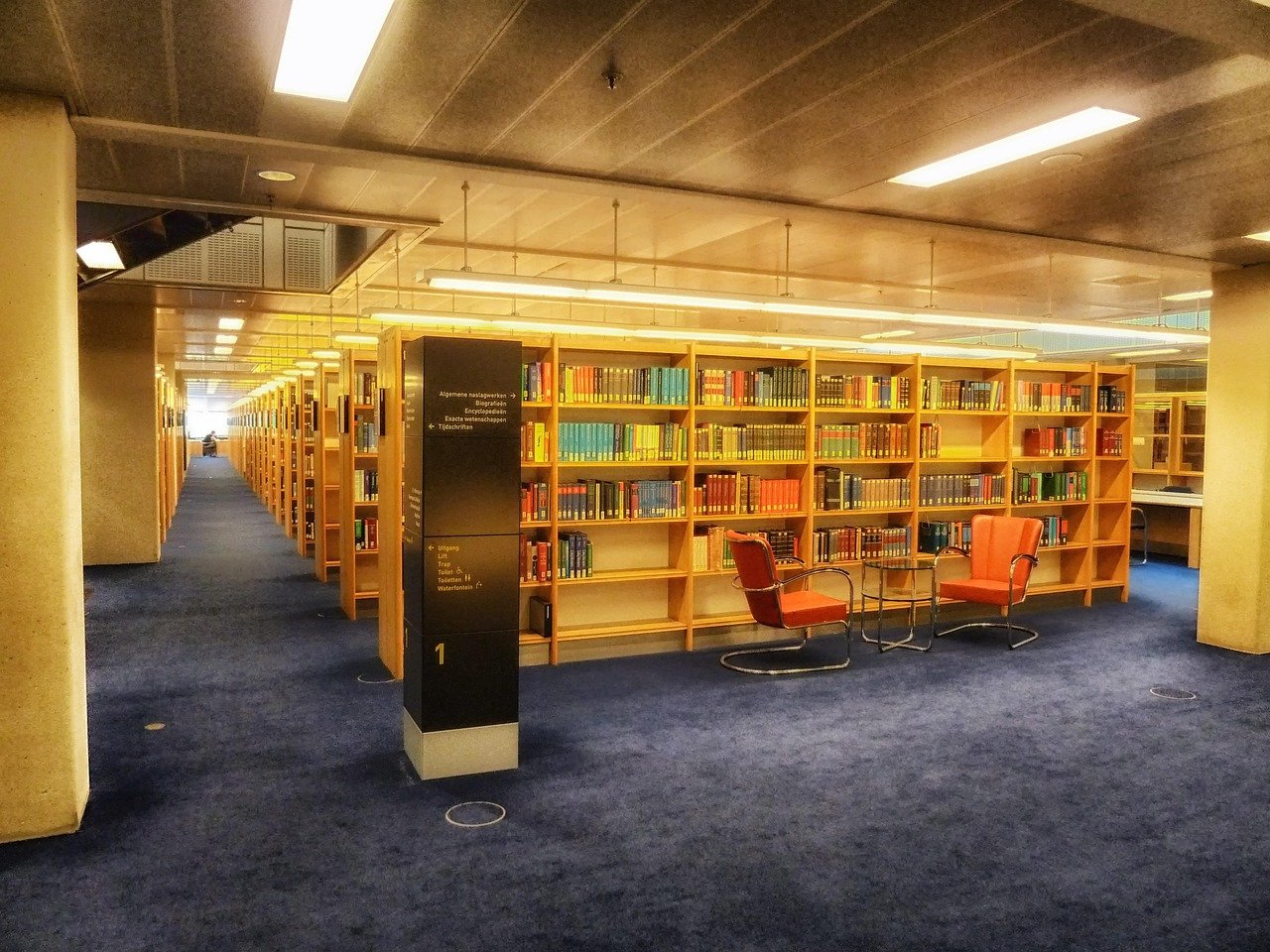
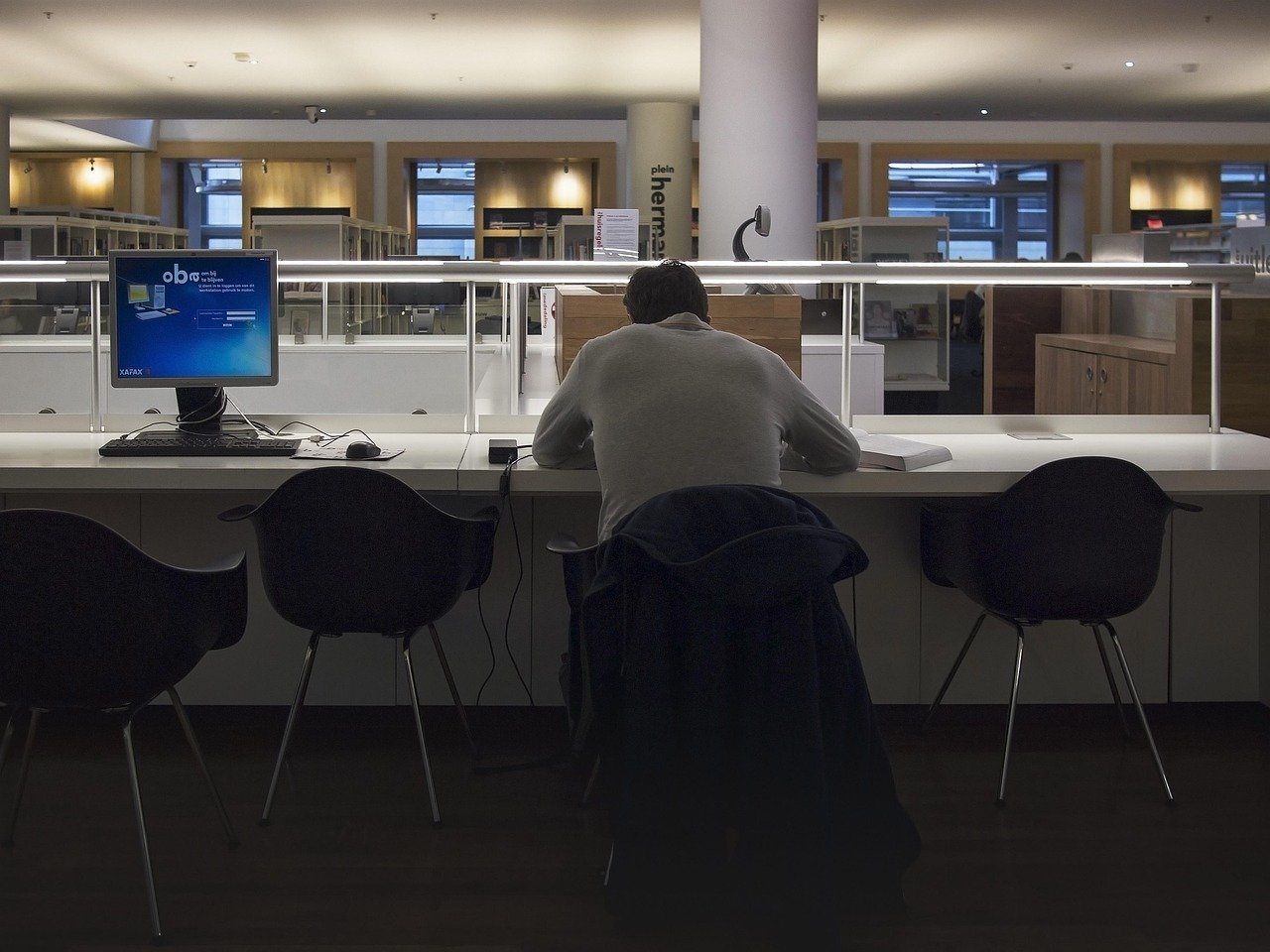
Libraries remain the default answer for a reason. They combine several things that help at once: low background noise, good lighting, a desk at the right height, and social pressure to stay on task. When everyone around you is working, slacking off feels odd. That quiet accountability is hard to fake at home.
How to use a library well
- Pick a floor or zone that matches your task. Group discussion rooms for teamwork, silent floors for reading and problem sets.
- Sit away from entrances, printers, and elevators. Foot traffic is the main noise source in most libraries.
- Claim a spot near a window if daylight is available, but avoid sitting in direct glare that makes screens hard to read.
- Book a private room only when you genuinely need to talk. Otherwise, the open reading room keeps you honest.
A common mistake is treating the library as a single place. It isn’t. A university library at 9 a.m. and the same building at 4 p.m. can feel completely different. If you want more ideas on where to settle in, there are plenty of good options in this guide to the best places to study.
Cafés: Useful for Some Tasks, Costly for Others
Cafés get a reputation as cozy study spots, and for lighter tasks they can work. A steady hum of background chatter and coffee-shop noise is less disruptive than a single loud conversation nearby. Many people find that mild ambient sound helps them get started on low-effort work like organizing notes or answering emails.
The catch is the task type. When you need to read dense material, follow an argument, or memorize terms, café noise becomes a tax on your attention. You will finish, but it takes longer and you will remember less. A few practical rules help:
- Use cafés for planning, brainstorming, or light review, not deep reading.
- Sit facing a wall or corner rather than the door or the counter.
- Bring headphones, but don’t rely on music to mask a genuinely loud room.
- Buy something and don’t overstay. Being a good customer keeps the seat available for the next person.
If food is part of your study routine, it helps to know where to land. This list of the best places to eat near me can save you from wasting a break on a bad meal.
Home Study Spaces: Control Without the Commute
Studying at home wins on convenience and loses on boundaries. The same room where you sleep, scroll, and relax is now supposed to signal deep work. That conflict is the real problem, not the furniture.
What actually works at home is a dedicated cue. A specific desk, a specific lamp, a specific chair, used only for study. Over a couple of weeks, that setup becomes a trigger. You sit down and your brain shifts gears. Practical tips that hold up:
- Put the desk where daylight reaches it, ideally from the side rather than directly behind or in front of the screen.
- Keep the surface clear except for the current task. Clutter competes for attention.
- Use one pair of headphones only for study, so the cue stays strong.
- Leave your phone in another room during focused blocks. Proximity alone tends to pull attention.
The biggest mistake people make at home is studying on the bed. It blurs the line between rest and work, and it usually ends in a nap. The second biggest mistake is a chair that looks stylish but ruins your back after an hour.
Coworking Spaces and Study Rooms
Coworking spaces, campus study rooms, and public reading rooms sit between the library and the café. They offer quiet plus a desk plus other people working. For students who find libraries too silent or too crowded, these are often the sweet spot.
| Space | Best for | Watch out for |
|---|---|---|
| Library silent floor | Deep reading, memorization | Fills up fast in exam season |
| Café | Planning, light review | Unpredictable noise, table turnover |
| Home desk | Early mornings, short sessions | Distractions, weak boundaries |
| Coworking or study room | Long focused blocks | Booking rules, cost |
| Outdoors or park bench | Reading, brainstorming | Weather, glare, comfort |
If you are studying away from home, the same logic travels with you. This guide to the best places to study abroad covers how to find quiet, reliable spots in an unfamiliar city.
Light, Temperature, and Air: The Invisible Factors
Most people judge a study spot by how it looks. The factors that matter most are often invisible.
Light is the first. Daylight and brighter indoor lighting are generally linked to better alertness and mood. A dim corner may feel cozy, but it makes sustained attention harder and encourages drowsiness. Position yourself so light falls on your work without reflecting off the screen.
Temperature is the second. Cognitive performance on complex tasks tends to drop when a room gets too warm. A slightly cool room with a light layer you can add or remove is usually more comfortable for focused work than a warm, stuffy one.
Air is the third. Stale, stuffy rooms make people sluggish. A window that opens, or a seat near ventilation, often does more for your focus than a new notebook.
None of these require special equipment. They require noticing. If you feel foggy after thirty minutes in a spot, check the light and the air before blaming your discipline.
Breaks, Movement, and the Attention Reset
No study spot fixes fatigue. Attention fades with sustained use, and short breaks help restore it. The pattern that works in practice is simple: work in focused blocks, then step away properly.
A real break means leaving the desk, moving, and looking at something far away. Scrolling on your phone is not a break. It uses the same attention system you are trying to rest. A short walk, a stretch, or a few minutes outside tends to reset focus better than another screen.
This is where location matters again. A study spot near a park, a courtyard, or even a window with a view makes proper breaks easier. If your only option is a windowless room, at least stand up and walk the hallway. Movement counts.
Study Apps and Tools That Support the Space
A good environment handles the physical side. Tools handle the structure. Timers, task lists, and focus apps help you decide what to do and for how long, which reduces the mental overhead of deciding in the moment.
The trick is to keep tools simple. One timer, one task list, one place for notes. Stacking five apps usually creates more switching than it prevents. If you want options, this roundup of the best study apps for college students covers the practical ones.
There is also a bigger shift worth knowing about. As AI tools spread through workplaces and classrooms, the nature of work and study is changing, and some research suggests these tools can create new coordination work rather than simply removing it. That is one reason structured study habits matter more, not less. You can read more about the AI creating more work study from Uber, ChatGPT and Anthropic in 2026 if you want the context. (Study skills)
Matching the Place to the Task
The single most useful habit is to stop asking “what is the best place to study” and start asking “best for what.” Different tasks need different conditions.
| Task | Ideal conditions | Avoid |
|---|---|---|
| Memorizing terms | Quiet, bright, no conversation | Cafés, busy rooms |
| Problem sets | Desk space, moderate quiet | Soft chairs, beds |
| Reading dense text | Silent floor, good light | Open-plan spaces |
| Brainstorming | Mild background noise | Total silence, if it feels stifling |
| Group project | Bookable room, whiteboard | Libraries’ silent zones |
| Light review | Anywhere comfortable | Nowhere, really |
This is why the “best” spot changes by the hour and by the assignment. A student who studies everything in one place usually gets mediocre results everywhere. A student who matches the room to the task gets more done in less time.
Common Mistakes That Undermine Good Spots
Even a great location fails if you bring the wrong habits into it. The most common ones:
- Choosing comfort over alertness. Soft sofas feel good and put people to sleep.
- Sitting in the path of traffic. Doors, stairs, and printers destroy concentration.
- Ignoring the phone. A visible phone reduces focus even when it is silent.
- Studying in one long block. Attention drops; breaks restore it.
- Chasing the perfect spot. Waiting for ideal conditions is its own form of procrastination.
The fix is not more searching. It is a short experiment. Try one spot for a week, note how much you actually finish, and keep what works.
Building a Personal Study Map
The people who study well usually have a small map in their heads: a quiet place for hard work, a social place for collaboration, and a fallback for bad days. Building that map takes about a week.
Start by listing three or four candidate spots near you. Test each one on the same kind of task, at the same time of day, for about forty-five minutes. Note noise, light, temperature, comfort, and how much you finished. The results are often surprising. The spot that looked best is rarely the one that performed best.
Then lock in a routine. Same place, same time, same first task. Routine removes decisions, and fewer decisions means more energy for the work itself. If you travel or study in different cities, the same testing method works anywhere, whether you are near a campus or somewhere more unusual, like the best places for hot springs on a rest day.
Conclusion
The best places to study are not the prettiest or the most popular. They are the ones that quietly remove obstacles: low distracting noise, decent light, a comfortable temperature, a clear desk, and a reason to stay on task. Libraries still set the standard for deep work, cafés have a narrow but real role, and a well-designed home desk can match both if you protect its boundaries. What matters most is matching the space to the task and testing rather than guessing. Pick a spot this week, measure what you actually finish, and let the results decide. Your attention is worth more than any study aesthetic.
What is the single best place to study?
For most people, a quiet library or a dedicated study room works best for demanding tasks. These spaces combine low noise, good lighting, and social pressure to stay on task. That said, “best” depends on the assignment. Light review or planning can work fine in a café, while deep reading and memorization usually need silence.
Is it bad to study in bed?
Yes, for most people. Studying in bed blurs the line between rest and work, which weakens your ability to focus there and can make it harder to sleep. If your only option is your room, use a desk or a small table and keep the bed for rest.
Does background noise help or hurt studying?
It depends on the task and the person. A steady, mild hum is often less disruptive than a single nearby conversation. But for reading dense material or memorizing, background speech tends to interfere with attention and memory. If a room is loud, move rather than trying to power through.
How long should a study session be?
Most people focus well for roughly 25 to 50 minutes before attention fades. The exact number varies, so use a timer and notice when you start re-reading the same line. Then take a real break: stand up, move, and look at something far away rather than reaching for your phone.
Why do I focus better in some rooms than others?
Light, temperature, air quality, noise, and the sight of other people working all affect attention. Bright, cool, well-ventilated rooms with low distracting noise generally support focus. Dim, warm, stuffy rooms tend to make people sluggish. Small changes to a room often beat trying harder.
How do I choose a study spot when I travel?
Use the same test you would at home. Try a candidate spot for about 45 minutes on a real task, then note noise, light, comfort, and how much you finished. University libraries, public reading rooms, and quiet hotel corners usually work. Avoid choosing based on looks alone.