A primer can make foundation sit more smoothly, but the right formula depends on what your skin needs from its base. Skin can feel dry, look oily or dull, or show texture at any age. The best choice depends on your main concern and the finish you like.
This roundup covers seven picks for hydration, glow, oil control, texture, a lower-cost option, and SPF. Some formulas focus on comfort, while others help makeup grip or soften the look of uneven areas. A primer can change how foundation looks and feels, but it cannot remove fine lines. Choose for your current skin concerns rather than assuming every mature complexion needs the same finish.
Key Takeaways
- Choose a primer based on your skin’s main concern and preferred finish.
- Hourglass Illusion Priming Moisturizer is a broad hydration-focused option.
- Danessa Myricks Yummy Skin Blurring Balm Powder suits oily skin.
- e.l.f. Cosmetics Power Grip Primer is the drugstore pick.
- Apply sunscreen beneath an SPF primer.
- Test a primer with your usual foundation before wearing it all day.
How to Choose the Best Primer for Mature Skin
For a broadly hydrating, smoothing base, Hourglass Illusion Priming Moisturizer is the strongest all-around fit, while oily skin may call for a more mattifying formula. Start with hydration if tightness or flaky patches affect your makeup. Bobbi Brown feels creamier, while Danessa Myricks suits people managing oil.
Match the formula to dryness, oiliness, and texture, not age alone. The best primer for mature skin over 40 depends more on those needs than on a birthday. Primers mature skin may suit can feel light or rich, so consider how your base feels by midday.

Hydration and fine-line comfort
Glycerin, betaine, and hyaluronic acid are humectants, ingredients that draw water into the outer layer of skin. They can help a primer feel more comfortable on dry skin. A 2021 study compared how glycerine and other humectants held water in solutions, not finished primers or skin care products. Read the PubMed humectant study for that distinction.
Flexible silicone elastomers can cling to skin and scatter light, which may make fine lines look softer. That effect changes the look of the surface; it does not erase lines. The best primers mature skin can use are those that feel comfortable and leave the finish you want.
Finish, texture, and makeup hold
Choose a dewy finish when your face looks dull, or a more matte finish when shine tends to break through. A smoothing formula can help foundation sit evenly, while a gripping formula can help makeup stay in place. Neither finish has to feel heavy.
Age alone does not tell you which primer will work; dryness, oil, and texture are better guides.
Consider the makeup you plan to wear, too. A rich, hydrating base may feel best under a light foundation, while an oily T-zone may need more control. Match the finish to the skin you have that day, since dehydration and shine can change how foundation sits.
Which Primers Fit Dry, Dull, Oily, and Textured Skin?
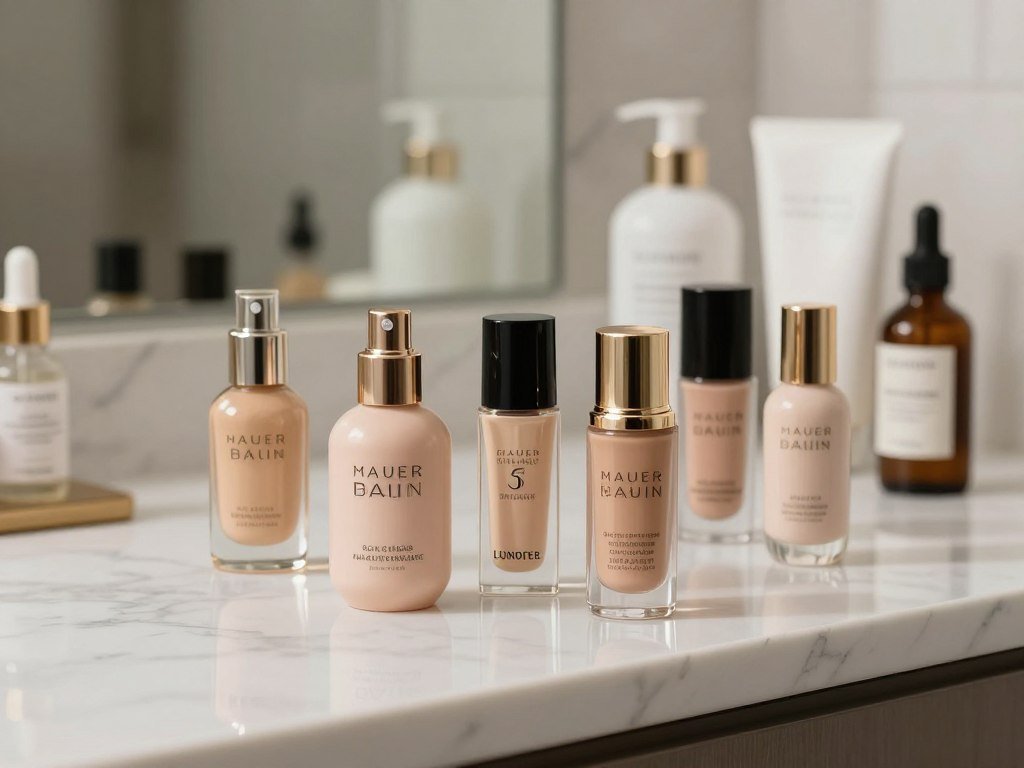
Readers who want a hydrating base can start with Hourglass or Bobbi Brown, while oily skin has a distinct option in Danessa Myricks. Each pick has a different strength, from a richer feel to a glow finish or oil control. The top picks below compare products by concern, ingredients, and useful differences.
The drugstore choice is e.l.f. Cosmetics Power Grip Primer. It is a lightweight gel with hydrating and skin-conditioning ingredients. For best primer for mature skin at the drugstore, this is the pick in this group.
| Pick | Best fit | Formula details | Useful distinction |
|---|---|---|---|
| Hourglass Illusion Priming Moisturizer | Dry skin and fine lines | Squalane, ceramides, sweet almond oil, hyaluronic acid, niacinamide, adenosine | Hydration-focused |
| Bobbi Brown Vitamin Enriched Face Base | Dry skin | Shea butter, squalane, hyaluronic acid, vitamin C | Moisturizer-primer hybrid |
| Chanel La Base Illuminatrice Glowing Makeup Primer | Dull skin | Hyaluronic acid, blue micro-algae, red algae | Described as lasting up to 12 hours |
| Danessa Myricks Yummy Skin Blurring Balm Powder | Oily skin | Upsalite, kaolin clay, hyaluronic acid, squalane | Comes in 22 shades |
| e.l.f. Cosmetics Power Grip Primer | Drugstore pick | Hyaluronic acid, glycerin, niacinamide | Lightweight gel |
Hourglass pairs squalane and sweet almond oil with ceramides and other skin-care ingredients. That blend makes it a hydration-focused option for dry skin and fine lines. Bobbi Brown Vitamin Enriched Face Base feels creamier and combines the roles of moisturizer and primer, which may suit you if you like a richer base.
Chanel La Base Illuminatrice Glowing Makeup Primer is aimed at dull skin and includes hyaluronic acid, blue micro-algae, and red algae. Its described wear time is up to 12 hours. Danessa Myricks uses upsalite and kaolin clay to control excess oil, with hyaluronic acid and squalane in the formula. Its 22 shades offer more choice across skin tones.
Embryolisse Mattifying Moisturizer is a texture-focused moisturizer that can also serve as a makeup base. It combines plant-based powder with glycerin, squalane, and turmeric extract. For rough or uneven areas, choose the texture-focused Embryolisse option only if its mattifying finish suits your skin.
How Should You Apply Moisturizer, Primer, and Foundation?
Start with moisturizer, because primer prepares the surface for makeup rather than taking the place of skin hydration. Give each layer room to settle before adding the next one. This makeup application order can help reduce pilling and uneven foundation.
Moisturizer hydrates; primer smooths the surface and prepares it for foundation. A hydrating primer is still a makeup product, so it does not replace daily moisturizer. Use this simple sequence when keeping skin comfortable and makeup in place.
- Apply moisturizer first.
- Wait for the moisturizer to absorb before adding primer.
- Smooth on a pea-sized amount of primer.
- Let primer dry for at least 30 seconds, or until it is no longer tacky, before foundation and concealer.
Use a small amount of primer across the face, then add more only where your makeup needs help. A thick layer can feel slick beneath foundation. The goal is a thin, even base, not a mask.
Letting moisturizer absorb can matter when products start to ball up or slide. Some formulas need more time than others, so check how the skin feels before applying the next layer. When the surface feels wet or slippery, give it longer.
Foundation and concealer go on after primer has dried. This gives the layers a better chance to sit smoothly, rather than mixing into a tacky surface. If foundation pills, give moisturizer more time to absorb before applying primer.
The right makeup place for primer is between moisturizer and foundation, not in place of skin care. A hydrating primer may make the base feel softer, but daily moisturizer still has its own job. Good layering helps makeup last without asking one product to do everything.
Which Primer Formula Helps With Pores, Texture, and Oil?
A primer can soften the look of pores, but the best result depends on matching its base to the makeup layered over it. Look for a soft blur that works with your foundation, rather than choosing a product only for its mature-skin label. This matters most when large pores or uneven texture show through makeup.
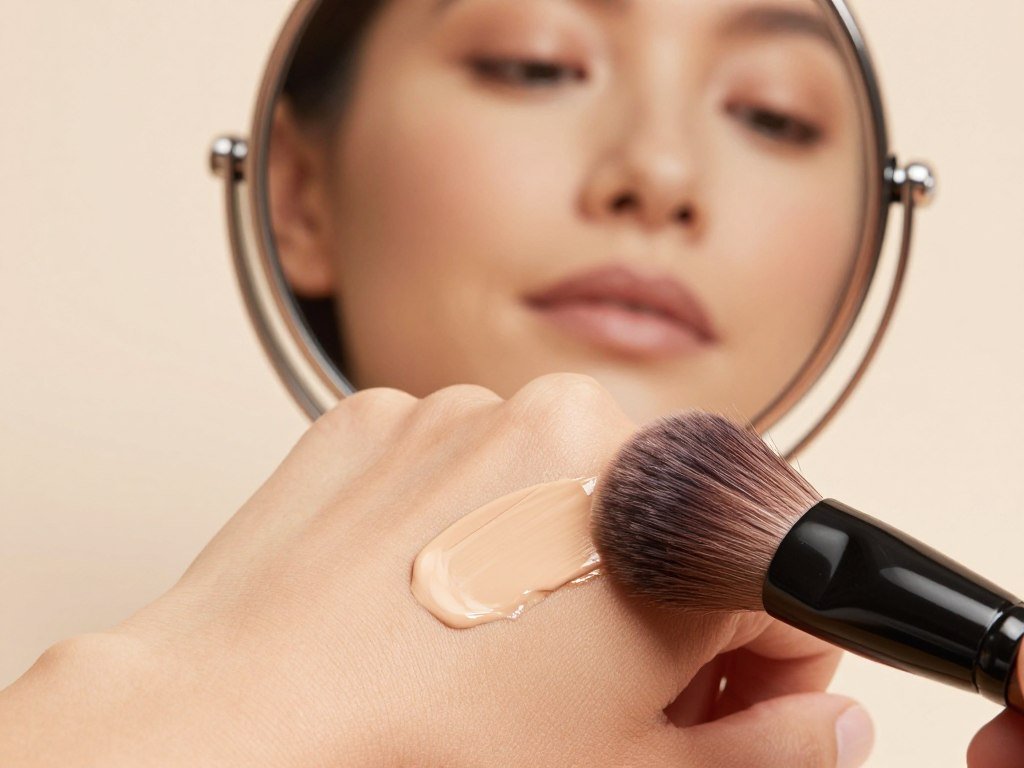
Water-based primers pair better with water-based makeup, and silicone-based primers pair better with silicone-based makeup. A mismatch can lead to slipping, patchiness, or pilling. Check the formula type on both products before building your canvas.
Water-based and silicone-based pairings
Water-based makeup tends to work well with a water-based face primer. Silicone-based makeup tends to work well with a silicone-based primer. The ingredient list can help you spot a formula, though the feel and wear of the full product matter, too.
Flexible silicone elastomers can cling to skin and scatter light. That can create a softer look across uneven areas without filling or removing pores. A soft-focus finish can also help foundation look less stark where texture changes.
Blurring pores without over-mattifying
Mattifying powders such as silica and non-pearlescent mica can help control shine. They may suit oily skin, especially where makeup tends to look slick. A little shine control can help foundation stay more even through the day.
Too much matte can make dry patches stand out. If the surrounding skin looks flat or tight, a very dry-feeling primer may not be the right choice. The best primer for mature skin to minimize pores gives a soft-focus look without dulling every area.
Try the formula with your usual foundation, not just on the back of your hand. A combination that looks smooth on one small area may behave differently across your whole face. Test the primer with your own foundation on one area of the face before wearing the combination all day.
Can an SPF Primer Replace Sunscreen?
No, an SPF primer does not replace daily sunscreen, because makeup is usually applied too thinly to achieve its labeled SPF. Think of primer as an extra layer, not your main sun protection. Sunscreen needs to sit beneath makeup as the core step.
Choose an SPF primer with SPF 30 or higher, then apply it over sunscreen. SPF 15 or SPF 20 primer is unlikely to provide enough protection by itself and should go over sunscreen with SPF 50 or higher. Charlotte Tilbury Invisible UV Flawless Primer SPF 50 is an option that combines priming, pore-blurring, and SPF.
| Product layer | Role | Application | Protection limit |
|---|---|---|---|
| Daily sunscreen | UV protection | Apply beneath makeup | Core sun-protection step |
| SPF primer | Makeup preparation plus added SPF | Apply over sunscreen | Thin makeup may fall short of labeled SPF |
| Sunscreen plus SPF primer | Layered protection | Sunscreen underneath, primer above | Reapply sunscreen during the day |
The FDA explains that SPF testing measures protection from sunburn, while the Broad Spectrum test checks protection across UVA and UVB rays. Products need a critical wavelength of at least 370 nm to use the Broad Spectrum label. See the FDA sunscreen labeling guide for those test terms.
An SPF primer can be useful when you want makeup prep and added sun protection in one layer. The label alone cannot ensure you apply enough product to reach its stated SPF. Daily sunscreen remains the main protection step, even when your base includes primer SPF.
Reapply sunscreen even when makeup includes SPF, since sweat, oil, UV exposure, and touching your face can reduce protection. A sunscreen stick or other makeup-friendly method may help with touch-ups, though the core rule stays the same. Keep your sun protection separate from your makeup routine’s priming step.
Which Formula Suits Sensitive or Combination Mature Skin?
For sensitive mature skin, begin with a fragrance-free, soothing formula; for combination skin, try a lightweight gel or serum texture. Let comfort lead if your skin reacts easily. A lighter formula may feel more at ease where some areas get oily and others feel dry.
The best primer for mature skin over 50, over 60, or over 70 still depends on sensitivity, dryness, oiliness, and preferred finish, not age alone. Age-related changes do not give every person the same skin needs. A makeup artist may also adjust the base for the makeup look and the way skin feels that day.
When choosing among makeup primers, start with the formula’s feel and how it works with the products you already use. A fragrance-free option can be a sensible first step for sensitive skin. Combination skin may prefer a lighter gel or serum over a rich cream.
A comfortable primer should support the finish you want without making sensitive areas feel worse.
Use this checklist to narrow your options before trying a new product:
- Check for fragrance-free wording and soothing features.
- Decide whether your skin is dry, oily, or combination.
- Test the formula with the foundation it will sit under.
Pay attention to how your skin feels after applying the product, not only how it looks at first. Redness, stinging, or discomfort are signs to stop using it. Patch-test a new formula before making it part of a regular makeup routine.
Conclusion
The most useful primer is the one that suits your skin’s current needs and works with the foundation you already wear. Hydration, texture, oil control, sensitivity, or SPF can guide your choice. Those concerns matter more than age alone.
Pick one concern to address first, then try a formula made for it. Your usual foundation can show whether the primer gives the base the finish and feel you want. Test your chosen formula on a small area with your usual foundation before committing to a full-face application.
FAQ
What is the best primer for a 50 year old woman?
Hourglass Illusion Priming Moisturizer is a strong all-around choice for a 50-year-old woman who wants hydration and smoothing. The best fit still depends on your skin: Danessa Myricks Yummy Skin Blurring Balm Powder is made for oil control, while Charlotte Tilbury Invisible UV Flawless Primer SPF 50 adds SPF. Neither age nor one product name can settle every concern.
What is the difference between primer and moisturizer?
Moisturizer hydrates skin, while primer smooths the surface and prepares it for foundation. A hydrating primer can make a makeup base feel more comfortable, but it remains a makeup product. Keep daily moisturizer in your routine, then use primer when you want foundation to sit more evenly or hold its finish.
Which brand of primer is best?
Hourglass suits a hydration-focused base, Danessa Myricks offers an option for oily skin, and Charlotte Tilbury makes an SPF-focused primer. No single brand suits every concern or finish. Think about whether your skin feels dry, gets shiny, or needs added SPF, then compare formulas that match that need.
What is a good smoothing primer?
A good smoothing primer softens the look of texture and pairs well with your foundation’s base. Flexible silicone elastomers can scatter light, which may help fine lines look less sharp. They do not remove lines or pores. Try the primer with the makeup you plan to wear, since the two formulas can affect how smoothly they layer.
What is the best makeup primer in 2026?
Hourglass Illusion Priming Moisturizer is a strong all-around pick for hydration and smoothing. Dry skin may also like Bobbi Brown Vitamin Enriched Face Base, while oily skin has Danessa Myricks Yummy Skin Blurring Balm Powder. For SPF, Charlotte Tilbury Invisible UV Flawless Primer SPF 50 adds protection, but it does not replace sunscreen.