
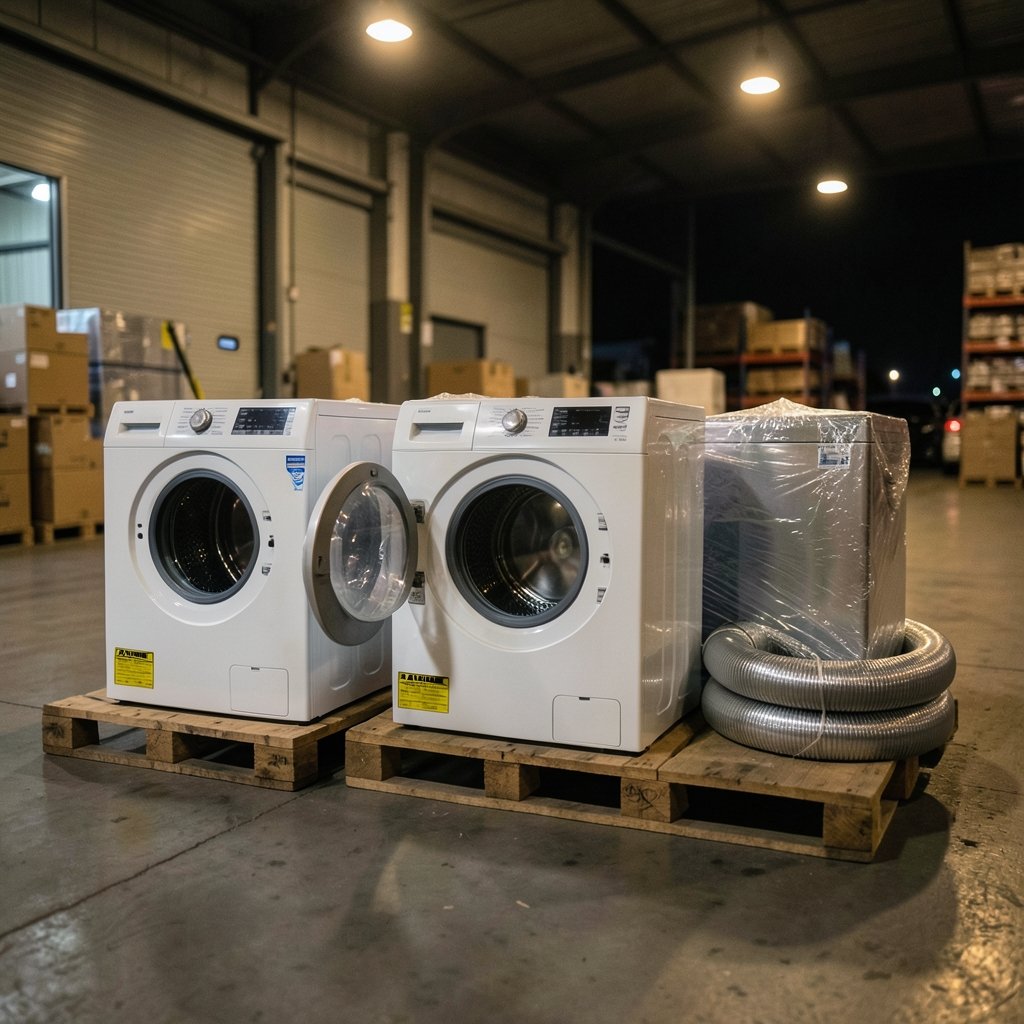
Which electric dryer deserves the top spot? Ask five different sources and you may get five different answers. One lab crowns a plain vented model, a retailer’s star average favors a different brand, and a heat-pump unit quietly wins on energy use while losing on speed. That gap is not a flaw in the data. It is the whole story of buying a dryer in 2026.
This guide unpacks what “best rated” actually measures, where ratings disagree, and how to translate somebody else’s winner into your own laundry room. No hype, no single-model worship, just the trade-offs that decide whether you love the machine in year five.
Why “Best Rated” Is Not One List
Ratings come from three very different places, and they measure different things.
Lab testing runs standardized loads through controlled conditions and scores drying time, energy use, and noise. Owner surveys and retailer star averages capture long-term satisfaction, which includes reliability, service experience, and whether the door seal held up after three years. Efficiency certifications grade only energy performance, not drying quality.
A dryer can ace lab tests and still disappoint owners, or earn glowing reviews while using far more electricity than necessary. Neither result is wrong. They answer different questions. The practical move is to decide which question matters most to you before you read a single ranking.
One more wrinkle: retailer star averages are self-selected. Happy buyers review more often than quietly satisfied ones, and averages are not comparable across sites because incentives and moderation differ. Treat them as a mood indicator, not a measurement.
The Main Types of Electric Dryer
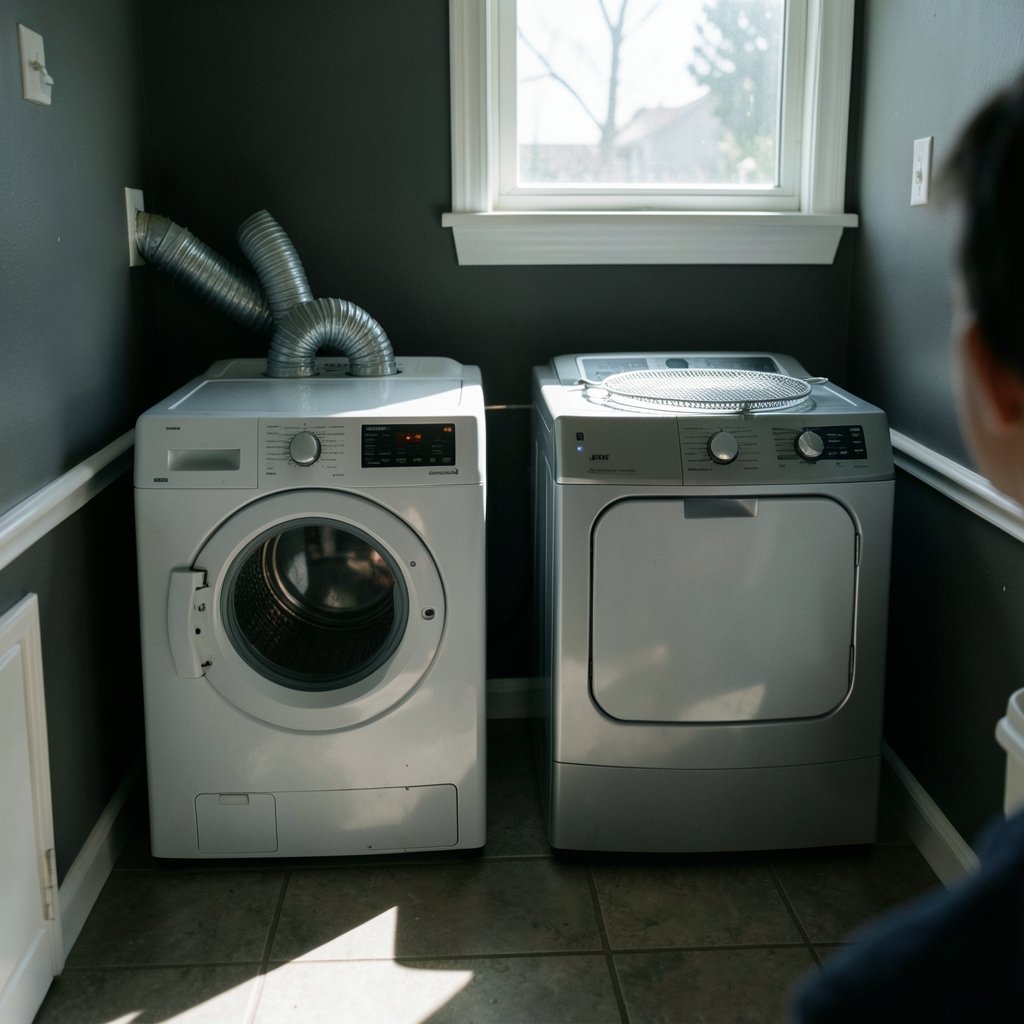
Almost every “best rated” list splits along the same fault line: how the machine makes heat.
| Type | How it works | Strengths | Weaknesses |
|---|---|---|---|
| Vented electric | Heats air, pushes moist air outside through a duct | Fast cycles, lower upfront price, simple repairs | Uses the most energy, needs a clean vent |
| Ventless condenser | Condenses moisture into a tank or drain | No duct needed, flexible placement | Slower, needs water handling |
| Heat pump | Recycles heat through a closed loop | Lowest energy use, gentler on fabric | Higher price, longer cycles |
| Hybrid | Switches between heat-pump and resistance heat | Faster than pure heat pump, efficient | More complex, mid-to-high price |
For most households with an existing duct, a vented electric model with a good moisture sensor remains the value pick. For anyone chasing the lowest running cost or dealing with a ductless apartment, heat-pump and condenser designs earn their premium over time.
Where the Ratings Disagree
Here is where things get interesting. Lab scores and owner surveys frequently rank brands in different orders. A brand that tops drying-time tests may sit mid-pack in reliability surveys, and vice versa. Sample sizes in repair-rate data are often small, which means a single bad batch can swing a brand’s position.
Efficiency labels add another layer. A certification means a model met a defined energy threshold. It does not mean the dryer dries best, dries fastest, or lasts longest. Reading a certification as a quality crown is one of the most common buying mistakes.
The takeaway is not that ratings are useless. It is that a rating is a tool with a narrow job. Match the tool to your priority: speed, energy, reliability, or price.
What Actually Matters in Daily Use
After the spec sheets fade, a handful of features decide whether a dryer feels smart or infuriating.
Moisture sensors beat timers
Sensor drying stops the cycle when clothes are actually dry. Timed drying keeps heating until the clock runs out, which overcooks light loads and wastes energy. A dryer with a good sensor and a “damp dry” or “less dry” setting gives you control that a timer never will. If a model’s sensor is poorly calibrated, though, you will be babysitting it. Owner reviews mentioning “clothes still damp at the end” are a red flag worth heeding.
Capacity is marketed loosely
Drum volume figures are often generous and measured differently across brands. Real usable capacity depends on drum shape and how you load. A family of five and a single apartment dweller need very different drums, and paying for cubic feet you never fill is wasted money. Bring a mental picture of your biggest weekly load, like bedding or towels, and check whether the drum handles it without cramming.
Cycle options and dryness levels
Steam refresh, sanitize cycles, and wrinkle care sound like luxuries until you use them. Steam is genuinely handy for shirts and curtains. Sanitize cycles matter in households with allergies or illness. Just remember that every extra feature is another part that can fail, so buy the ones you will actually press.
Noise and placement
If the dryer lives near a bedroom or open kitchen, noise deserves more weight than a spec sheet suggests. Heat-pump models tend to run quieter than vented ones, but compressor hum is a different sound than airflow roar. Nobody can tell you which bothers you more.
Installation and Venting: The Hidden Rating Killer
A top-rated dryer hooked to a crushed, lint-packed duct performs like a mediocre one. Long runs, too many elbows, and flexible foil duct all cut airflow, which stretches drying time and raises fire risk. Lint buildup in ducts and behind the drum is a well-documented cause of home dryer fires, and it is entirely preventable.
The practical routine: clean the lint filter every load, check the outdoor vent flap monthly, and clear the full duct at least once a year. A step-by-step approach to cleaning a dryer vent safely covers the tools and the warning signs, like clothes taking two cycles to dry or the machine feeling hot to the touch. If your vent run is long or awkward, factor professional cleaning into the cost of ownership before you buy anything.
Ventless and heat-pump models sidestep duct problems entirely, which is part of their appeal in apartments and closets. They trade duct maintenance for water-tank emptying or drain hookups.
Matching the Dryer to Your Household
The best-rated dryer for a busy family is rarely the best-rated dryer for one person in a small flat. A few household profiles make the decision clearer.
Large families with a utility room and a short duct: a vented electric model with strong sensor drying and a big drum. Speed and capacity win. Pair it with a washer that matches the drum size so loads transfer cleanly; if you are shopping both, this guide to the best washer-dryer brand combinations helps you avoid mismatched pairs.
Apartments and ductless spaces: a condenser or heat-pump unit. Slower cycles, but no duct, no exterior wall penetration, and lower energy bills.
Energy-focused households: heat pump, full stop. The upfront premium is real, and so is the savings over years of regular use.
Tight budgets: a mid-range vented model with a moisture sensor. Skip steam and app connectivity; put the money into build quality instead.
If you are also outfitting the rest of the home, the same logic of matching tools to real tasks applies to outdoor gear, as this breakdown of choosing electric pressure washers for real household work shows. Buy for the job you actually do, not the one in the brochure.
Common Buying Mistakes
A few traps catch almost everyone at some point.
- Trusting a single “best” list. Cross-check a lab ranking against owner feedback before committing.
- Ignoring the vent run. Measure your duct before buying. A great dryer on a bad duct underperforms a decent dryer on a good one.
- Overpaying for smart features. App control and Wi-Fi add cost and complexity. Most people set a cycle and walk away.
- Skipping the delivery and haul-away details. Measure doorways and stair turns. A dryer that will not fit through the basement door is not a bargain.
- Forgetting the matching pedestal or stacking kit. These add real money and are sometimes discontinued early.
- Assuming all certifications mean quality. Efficiency labels measure energy, not durability or drying performance.
Practical Tips That Actually Work in Practice
A few habits separate happy dryer owners from frustrated ones.
Run full loads, not half loads, since most of the energy goes into heating the drum and the load together. Shake out clothes before loading so sensors read moisture more evenly. Use the sensor setting as your default and the timer only for touch-ups. Clean the lint filter before every cycle, not after. And check the outside vent flap a few times a year, especially after storms or if you notice the laundry room feeling humid.
When a dryer starts taking noticeably longer, resist the urge to blame the machine first. Nine times out of ten, restricted airflow is the culprit. Clear the vent, then reassess.
How to Read a Rating Like a Pro
When you open a ratings page, ask four questions in order. What did the source test, and how? How old is the data? Does the ranking match owner complaints about reliability? And does the winning model fit your duct, space, and budget?
If a source will not say how it tested, treat its ranking as entertainment. If the data is several years old, check whether the model is still sold and whether the platform changed. If owner reviews mention the same failure repeatedly, believe the pattern over the star average. A 4.6-star average with twenty “control board died at 14 months” reviews is a warning, not a recommendation.
This same skepticism pays off across every appliance category. It is the same discipline behind choosing conversion rate optimization for startups, where testing method matters more than a headline number, and behind learning how to detect AI-generated images so you can tell real evidence from polished noise.
The Bottom Line on Electric Dryer Ratings
There is no single best-rated electric dryer, and anyone who claims otherwise is selling something. There are, instead, well-tested dryers that fit specific homes: vented models for speed and value, heat pumps for efficiency, condensers for ductless spaces. The winning strategy is to decide your priority first, verify the rating’s method second, and protect the machine’s performance with clean venting and sensible habits third.
Buy the dryer that matches your laundry, not the one that tops someone else’s list. That is the only rating that matters in year five.
FAQ
What does “best rated” mean for an electric dryer?
It means a model scored highly on a particular source’s measure, whether lab testing, owner surveys, or efficiency certification. Those measures often disagree, so a “best rated” label is only meaningful when you know which source produced it and what it tested.
Are heat pump dryers worth the higher price?
For households that run many loads per week and care about energy bills, yes. Heat pump dryers use substantially less energy than conventional electric models, but they cost more upfront and take longer per cycle. For occasional use, the savings take much longer to pay back.
How often should I clean my dryer vent?
Clean the lint filter every load, check the outdoor vent flap monthly, and clear the full duct at least once a year. Clean it sooner if clothes take two cycles to dry, the dryer feels unusually hot, or you notice a burning smell.
Do moisture sensors really save energy?
Yes. Sensor drying stops the cycle when clothes reach the chosen dryness level instead of running a fixed timer, which avoids overheating already-dry loads. The savings depend on how well the sensor is calibrated, so check owner feedback for complaints about damp clothes.
Is a vented or ventless dryer better?
Vented dryers dry faster and usually cost less, but they need a clean, short duct. Ventless condenser and heat-pump models need no duct and suit apartments, at the cost of slower cycles and, for heat pumps, a higher purchase price.
How long should an electric dryer last?
Most electric dryers last roughly a decade with regular vent cleaning and filter maintenance. Restricted airflow and lint buildup are the leading causes of early failure and of dryer-related home fires, so maintenance matters more than brand for long-term reliability.



