
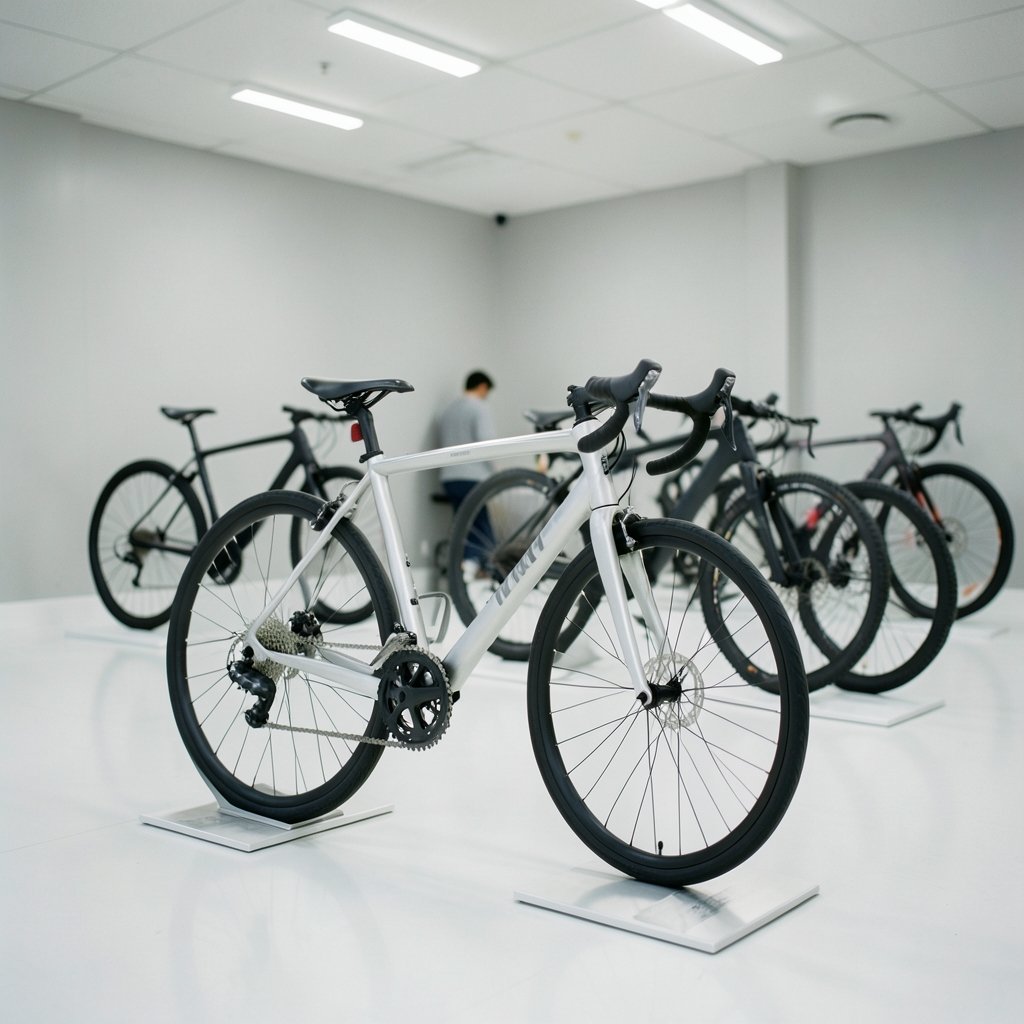
What if the biggest mistake in buying a road bike isn’t picking the wrong brand, but picking the wrong category? Every year, thousands of riders walk into a shop, fall for a glossy aero frame, and ride away on a machine that fights them on every climb. The best road bikes 2025 has to offer aren’t the ones with the loudest marketing. They’re the ones that match your body, your roads, and your actual riding habits. (Road bicycle)
This guide breaks down what changed in the 2025 model year, where your money goes at each price point, and how to avoid the traps that catch even experienced buyers.
What Actually Defines a “Best” Road Bike in 2025?
The 2025 model year arrived with a launch cycle that mostly happened in late 2024. That matters because many “2025 best-of” lists floating around reflect announcements from that window, not hands-on long-term testing. By now, some of those bikes have already been superseded. So the smart approach is to understand categories and specifications rather than memorize model names.
Three things separate a good road bike from a great one for a specific rider:
Frame geometry is the single most important spec, and it’s the one buyers ignore most. Stack (vertical height from bottom bracket to the top of the head tube) and reach (horizontal distance) determine whether you sit upright or stretched out. A race bike with a low stack and long reach will feel brilliant to a flexible 25-year-old and miserable to a rider with a stiff lower back.
Frame material still drives the feel. Carbon fiber is light and tunable, aluminum is stiff and affordable, steel is durable and compliant, and titanium sits at the premium end for riders who want a forever frame.
Component spec determines what you’ll want to upgrade in year two. A great frame with a mediocre groupset is usually a better buy than a mediocre frame with a great groupset, because frames are expensive to change and groupsets are not.
The Four Road Bike Categories and Who Each One Suits
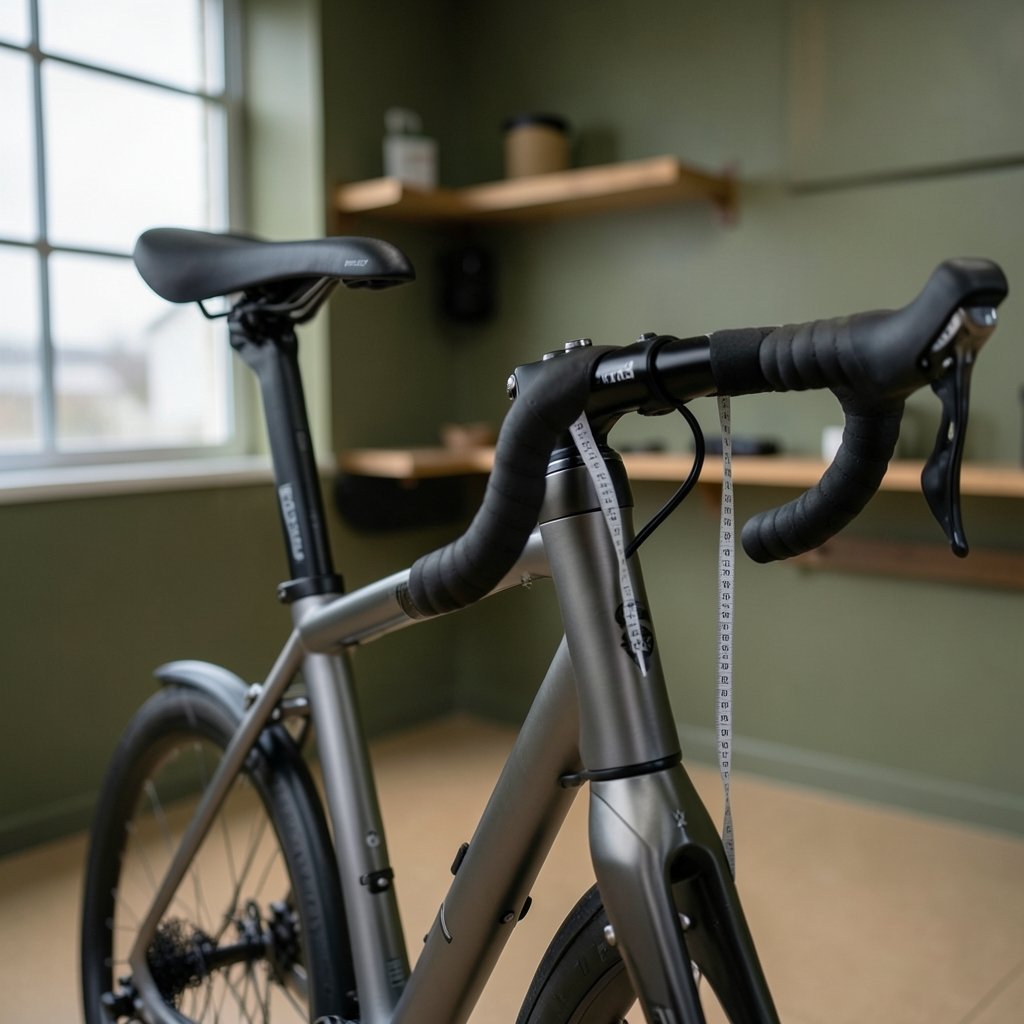
Most road bikes fall into four practical buckets. Getting this decision right matters more than any badge on the downtube.
| Category | Geometry | Best For | Trade-off |
|---|---|---|---|
| Endurance | Taller stack, shorter reach | Long days, rough roads, newer riders | Slightly slower handling |
| Race | Low stack, long reach, sharp steering | Fast group rides, criteriums | Demanding fit, less comfort |
| Aero | Optimized tube shapes, deep sections | Flat, fast terrain, solo efforts | Heavier, pricier, harsher ride |
| All-road | Clearance for wider tires (35mm+) | Mixed surfaces, commuting, adventure | Not the fastest on smooth tarmac |
Endurance bikes are the safest recommendation for most riders. They forgive imperfect flexibility, absorb road buzz, and remain comfortable at hour four. Race bikes reward fitness and good bike-fit work. Aero bikes make sense if your local terrain is flat and your average speed is high, because aerodynamic gains scale with speed. All-road bikes have quietly become the most versatile option for riders who want one bike to do everything.
Practical tip: before you compare models, get a professional bike fit or at least measure your current setup. Shops will happily sell you a bike that doesn’t fit, and a poor fit is the number one reason people stop riding.
Drivetrain and Brakes: Where the Real Spec Differences Live
Disc brakes are now essentially universal on performance road bikes. The UCI permitted them in road racing from 2018 after a trial period, and the market followed quickly. Rim brakes survive only on budget and retro builds.
Through-axles replaced quick-releases on disc-brake road bikes as the de facto design convention, typically 12mm front and 142mm rear. This isn’t a regulated standard, just an industry-wide habit, which is why you should check axle specs before buying aftermarket wheels.
Electronic groupsets dominate the high end. Shimano Di2, SRAM eTap AXS, and Campagnolo EPS all offer crisp, self-trimming shifting. Mechanical groupsets remain excellent at lower price points and are easier to service yourself. For most riders spending under a certain threshold, a well-tuned mechanical groupset is the smarter buy.
Tubeless tires are now common on mid-range and premium bikes, and hookless rims have become widespread. That shift has drawn real scrutiny over tire and rim compatibility safety. If you’re buying hookless, verify that your chosen tire is explicitly approved for that rim by the manufacturer. This is not a place to improvise.
Gearing deserves more attention than it gets. A compact crankset with a wide cassette will get you up steep climbs far more comfortably than a semi-compact with a narrow range. Riders who buy for flat-land speed often regret it the first time they hit a real hill.
Wheels, Tires, and the Details That Change How a Bike Feels
Wheels are the highest-value upgrade on any road bike, and they’re often the first thing manufacturers cut costs on. A bike with a great frame and heavy wheels feels dead. A bike with a modest frame and light, stiff wheels feels alive.
700c remains the universal road wheel size, so tire and wheel availability is never a problem. What varies is width. Wider tires (28mm to 32mm) roll faster on real-world road surfaces than narrow ones at the same pressure, and they’re more comfortable. The old belief that 23mm was fastest has been thoroughly overturned.
Tire and rim dimensions are governed by ETRTO standards, and bicycle safety requirements are covered by ISO 4210. Neither is glamorous reading, but both matter when you’re mixing components from different brands.
Common mistakes worth avoiding:
- Buying deep-section aero wheels for hilly terrain, where the weight penalty outweighs the aero gain.
- Running tubeless tires at pressures copied from a friend’s setup instead of calculating for your weight and tire width.
- Upgrading wheels before confirming axle and brake-mount compatibility.
- Ignoring tire clearance, which limits you to narrow rubber forever.
Budget Reality: What You Get at Each Price Point
Price bands matter more than brand loyalty. Here’s a realistic breakdown of what changes as you spend more.
| Price Band | Frame | Groupset | Wheels | Realistic Verdict |
|---|---|---|---|---|
| Entry | Aluminum | Mechanical, 8-10 speed | Basic alloy | Solid starter, upgrade wheels first |
| Mid | Carbon or premium alloy | Mechanical or entry electronic | Alloy, tubeless-ready | Best value sweet spot |
| Upper-mid | Carbon | Electronic | Entry carbon | Diminishing returns begin |
| Premium | High-modulus carbon | Top electronic | Carbon | Marginal gains, big spend |
The honest truth is that the mid band delivers most of the performance. Above a certain point, you’re paying for grams, branding, and marginal aerodynamic gains that most riders can’t measure outside a wind tunnel.
If you’re budgeting across multiple purchases, it helps to see how subscription and software costs stack up against hardware. A practical breakdown of the Xbox game pass cost in 2025 and whether it’s worth it shows the same logic applies to bikes: recurring or incremental costs add up fast, and value depends entirely on how much you use the thing.
Many riders also pair their training with indoor sessions. If you’re setting up a pain cave alongside your new bike, comparing the best board games for 2025 for rest-day entertainment is a surprisingly practical way to plan a balanced training week.
Buying Strategy: New, Used, or Last Year’s Model
The single best money-saving move in cycling is buying last year’s model. Frame designs change slowly. A 2024 bike at a discount is usually a better purchase than a 2025 bike at full price, because the differences are often paint and spec, not engineering.
Buying used carries real risk, but it’s manageable. Check for frame cracks around the bottom bracket and head tube, inspect the dropout alignment, verify the serial number isn’t reported stolen, and factor in the cost of a new chain, cassette, and cables. A used bike that needs a full drivetrain replacement is rarely the bargain it appears to be.
For online purchases, confirm the return policy and whether the bike arrives assembled. Boxed bikes often need brake adjustment and derailleur tuning out of the box, which is either a shop visit or an evening with tools.
One more consideration many buyers overlook: security. A new bike is a theft target, and how you protect your accounts and purchase records matters too. Understanding what multi-factor authentication really costs in 2025 is worth five minutes if you’re buying online and storing receipts and warranty details in cloud accounts.
Fit, Position, and the Setup Work Most Buyers Skip
A bike that fits poorly will never feel fast, no matter how much it cost. The most common fit errors are saddle height set too high, handlebars too wide, and cranks too long for the rider’s leg length.
Start with saddle height. A rough starting point is your inseam multiplied by 0.883, measured from the center of the bottom bracket to the top of the saddle along the seat tube. Adjust from there based on knee discomfort, not aesthetics.
Handlebar width should roughly match shoulder width. Most bikes ship with bars that are too wide, which stretches the shoulders and strains the neck. Swapping to a narrower bar is one of the cheapest comfort upgrades available.
Crank length is the newest frontier in fit discussion. Shorter cranks are increasingly common because they open the hip angle, which helps riders with shorter legs or aggressive positions. If you’re between sizes, shorter cranks are usually the friendlier choice.
Finally, budget for a professional fit. It costs less than a wheelset and improves every ride you take on the bike.
Conclusion
The best road bikes 2025 has to offer aren’t defined by a single model or brand. They’re defined by fit, category match, and honest budgeting. Get the geometry right, choose the category that matches your terrain and body, spend in the mid band where value peaks, and put the savings toward wheels and a proper bike fit. Do that, and you’ll ride a bike that feels fast because it fits you, not because the marketing said so. Skip it, and you’ll join the long line of riders with expensive bikes gathering dust in garages.
Frequently Asked Questions
Is carbon fiber always better than aluminum for road bikes?
No. Modern aluminum frames are stiff, light, and excellent value, especially at entry and mid price points. Carbon allows more shaping and vibration tuning, which matters at the high end, but a well-built aluminum frame with good wheels will outperform a cheap carbon frame with heavy components. Material matters less than frame quality and overall build.
How much should a beginner spend on a first road bike?
Most beginners are best served by the entry to mid range, where you get a reliable frame, dependable brakes, and room to upgrade. Spending more early rarely pays off because your preferences aren’t formed yet. Ride for a season, learn what terrain you actually enjoy, then upgrade with real knowledge instead of guesses.
Do I really need disc brakes?
For most riders, yes. Disc brakes perform better in wet conditions, allow wider tires, and are now standard across the market. Rim brakes still work fine on dry roads and remain common on budget and vintage bikes, but they limit tire clearance and future upgrade options.
Are electronic groupsets worth the extra money?
They shift precisely and require less maintenance, but they’re not faster in any meaningful sense for most riders. A well-adjusted mechanical groupset delivers excellent performance at a fraction of the cost. Buy electronic if convenience and self-trimming appeal to you, not because you think it will make you quicker.
What tire width is fastest on real roads?
Wider is generally faster on real-world surfaces. Tires in the 28mm to 32mm range roll efficiently, absorb vibration, and reduce fatigue compared with narrower options. The key is matching pressure to your weight and tire width rather than defaulting to high pressures.
How often should I replace a road bike?
Frames last many years if undamaged. Most riders replace bikes because their needs change, not because the bike wore out. Wear items like chains, cassettes, brake pads, and tires need regular replacement, but a well-maintained frame can serve a decade or more. Upgrade components before considering a whole new bike.



