Silk & Snow Egyptian Cotton is the strongest first choice for shoppers who want a balanced, long-staple cotton set, while Saatva suits value-minded buyers and Nectar suits people who sleep hot. Your sleep temperature, preferred feel, and mattress setup all affect which set will work best. A sheet that feels cozy to one sleeper may feel too warm or heavy to another.
This roundup compares 10 picks for comfort, fit, and price, so you can start with the kind of night you want. Nectar Serenity is a useful cooling choice, while Saatva Essential Luxury Sheets offer a lower-cost way to explore a smooth cotton feel. A high thread count alone does not guarantee quality; the fiber and construction matter, too.
Consider how the fabric feels against your skin, whether you tend to overheat, and how often you plan to wash the set. Then compare the product details that affect everyday use, not just the label or the brand name. A comfortable set should suit the sleeper and the bed.
Choose first by the feel you want against your skin, then check that the fitted sheet can cover your mattress and topper.
Key Takeaways
- Silk & Snow is a strong first choice for balanced cotton comfort.
- Saatva Essential Luxury Sheets suit shoppers focused on value.
- Nectar Serenity is a cooling pick for people who sleep hot.
- Fiber, weave, and fit matter alongside thread count.
- Compare the set’s included pieces and care needs before ordering.
Best Sheets for Different Sleep Styles
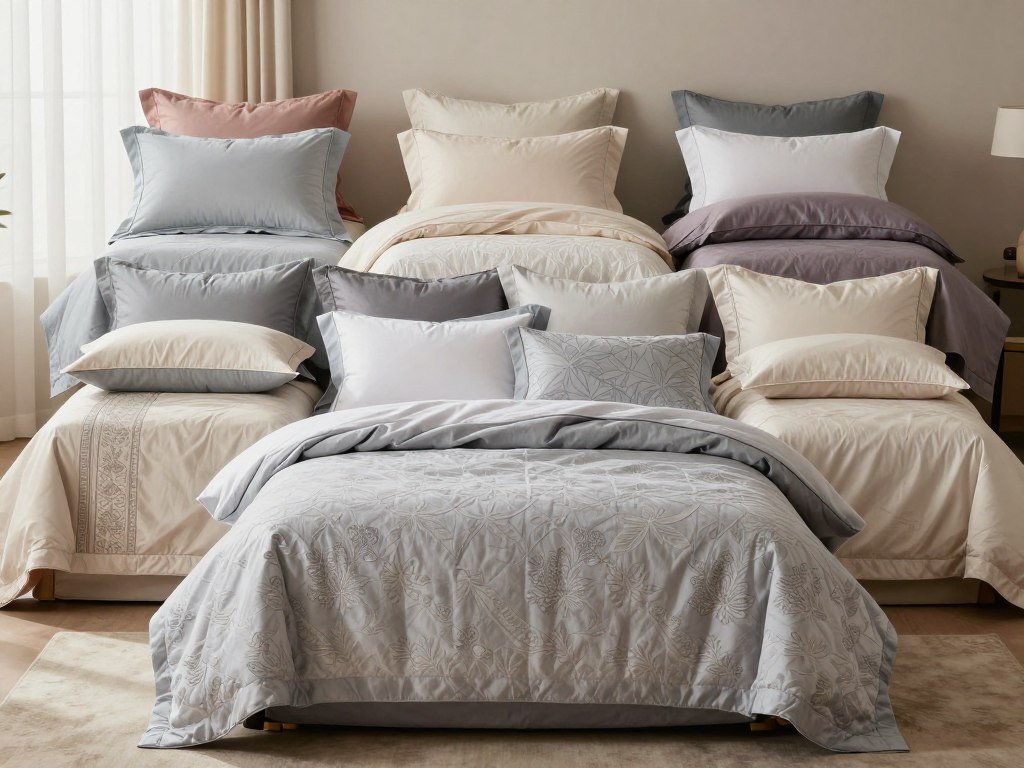
Silk & Snow is the broadest starting choice, Saatva is the value pick, and Nectar is the cooling pick. Thread count means the number of horizontal and vertical threads woven into one square inch of fabric. The ratings below help you build a shortlist, but they use different scales and testing approaches.
Do not read the scores as one head-to-head scale. Four picks have ratings out of 10, while Good Housekeeping gave Brooklinen a Lab Rating out of 5. Their scores reflect different comparisons or methods, so the number alone cannot show which set would suit you best.
| Pick | Rating | Best fit |
|---|---|---|
| Silk & Snow Egyptian Cotton Sheet Set | 9.7/10 | Overall |
| Nectar Serenity Bamboo Sheet Set | 9.2/10 | Cooling |
| Saatva Essential Luxury Sheets | 9.9/10 | Value |
| Brooklinen Luxe Sateen Core Sheet Set | 4.4/5 | Luxury |
| Bear Tencel Sheet Set | 9.1/10 | Fitted-sheet fit |
For cotton, Silk & Snow is a good place to begin if you want a smooth, balanced feel. Nectar is the cooling option in this group, while Saatva suits shoppers seeking value. Brooklinen is 100% cotton sateen, a choice for a smooth finish.
Bear earns a place for its fitted-sheet fit, which can matter as much as the surface feel. A sheet set’s score cannot tell you whether its fabric will feel crisp or drapey on your bed. Use the pick labels to narrow your options, then check the details that match your preferences.
Ratings use different scales and testing approaches, so compare each set’s stated strengths rather than ranking the scores as one contest.
Treat the table as a shortlist, then choose based on the details that matter most to your sleep and mattress.
Which Cotton Sheets Hold Up for Everyday Use?
California Design Den is the cotton-sateen pick to consider for pill resistance, while L.L.Bean gives percale fans a cotton alternative. Target Threshold adds a lower-cost cotton sateen option. These cotton sheets differ in finish and construction, so “cotton” alone cannot tell you how a set will feel.
Choose by the finish you prefer, not by treating cotton as one uniform fabric. Good Housekeeping gave California Design Den a Lab Rating of 4.4 out of 5, and its set received a perfect pill-resistance rating. That result may appeal if you want a smooth surface that can handle regular use.
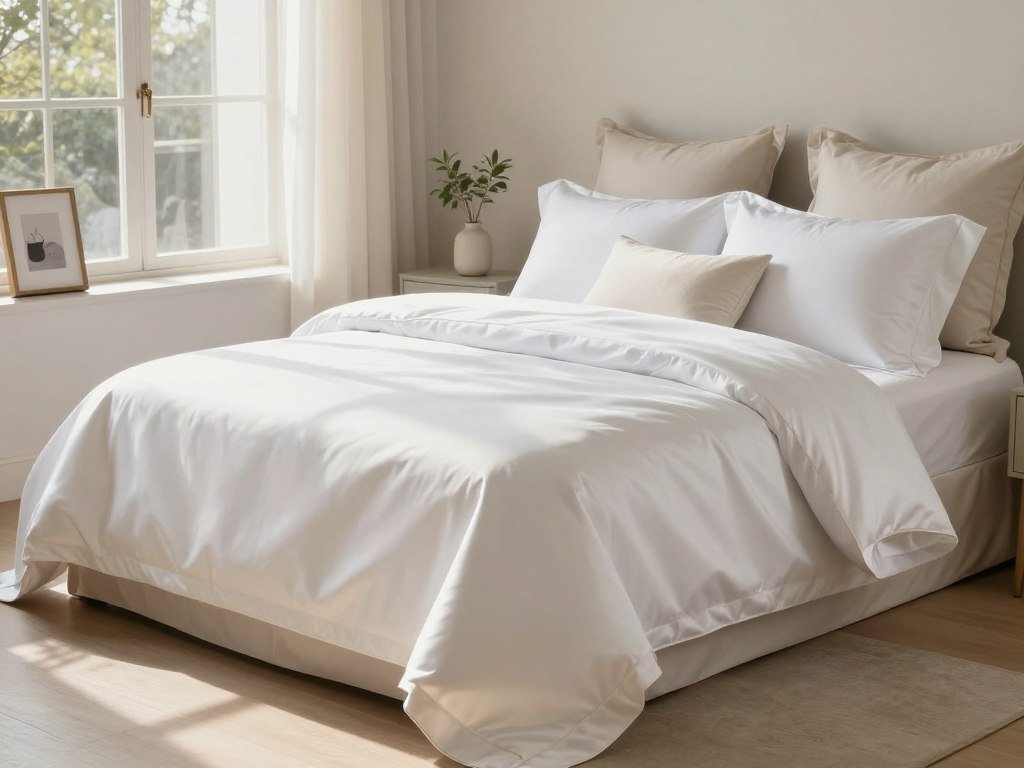
California Design Den 400 Thread Count Sateen Sheet Set
This set is a practical sateen option for shoppers who value a tested result against pilling. Its 400 thread count gives a useful label detail, but the set’s feel and care needs still matter. Read the product care directions before adding it to your laundry routine.
L.L.Bean Pima Cotton Percale Sheet Set
L.L.Bean is the cotton percale choice in this group. It is made of 100% cotton, and Good Housekeeping gave it a Lab Rating of 4.6 out of 5. If you want cotton sheets, this set suits shoppers who prefer the percale finish rather than a smoother sateen surface.
The choice between these two cotton sets comes down to the finish you want on the bed. One tested well for pill resistance, while the other gives percale fans a cotton option. Consider those distinctions instead of assuming every cotton sheet set feels alike.
Target Threshold Performance Sheet Set
Threshold is a Target option for shoppers seeking 100% cotton sateen. WIRED lists the set at $55, making it a clear price example among these everyday picks. That listed price can help frame a budget, though prices may change.
For the search “best sheets at Target,” Threshold is the listed $55 cotton-sateen option. For the search “best sheets for cotton,” match the set to your preferred finish instead of picking cotton as if it had one standard feel. A comfortable fit and care routine still count.
If buying from Target, confirm the set size and included pieces before checkout.
Which Cotton Sets Add Softness or a Secure Fit?
The Company Store Legends Hotel is the softness-focused choice, while Tempur-Pedic is a highly rated cotton option. Softness-first shoppers have a clear reason to shortlist The Company Store: it earned the top softness result among cotton sheets in a comparison.
Good Housekeeping gave the Tempur-Pedic Classic Cotton Sheet Set a 9.6 out of 10 Lab Rating. That score makes it a strong option to compare with The Company Store, though a high rating cannot tell you whether its surface feel matches your taste.

The Company Store Legends Hotel Wrinkle-Free Sheets
The Company Store set earned a 4.5 out of 5 Lab Rating from Good Housekeeping. Its standout quality was softness, where it rated highest among the cotton sheets in a comparison. If a softer touch is your main priority, that result gives you a concrete reason to consider it.
Wrinkle-free in the product name does not mean every sleeper will prefer its feel. Think about how the fabric feels to you and whether the care directions suit your habits. A softer surface can still be the wrong choice if you prefer a crisp bed.
Tempur-Pedic Classic Cotton Sheet Set
Tempur-Pedic offers another cotton pick, with a 9.6 out of 10 Lab Rating from Good Housekeeping. It gives cotton shoppers a highly rated set to compare against the softness-focused Company Store option. Neither set needs to suit every sleeper to earn a place on your shortlist.
Check the product details for the size and options you need before choosing. If softness is your deciding factor, use the Company Store result as a reason to shortlist it, then check its size and pocket options.
Which Sheets Suit Hot Sleepers?
Hot sleepers can start with Nectar’s cool, smooth feel or compare lighter-feeling options such as Saatva. Cooling can feel different from one fabric to another: some sleepers like a smooth surface, while others prefer a lighter drape.
A “cooling” label cannot promise the same result for every sleeper. Your room temperature and other bedding layers affect how cool the whole bed feels. The feel of the sheet is one part of the night, not the only one.
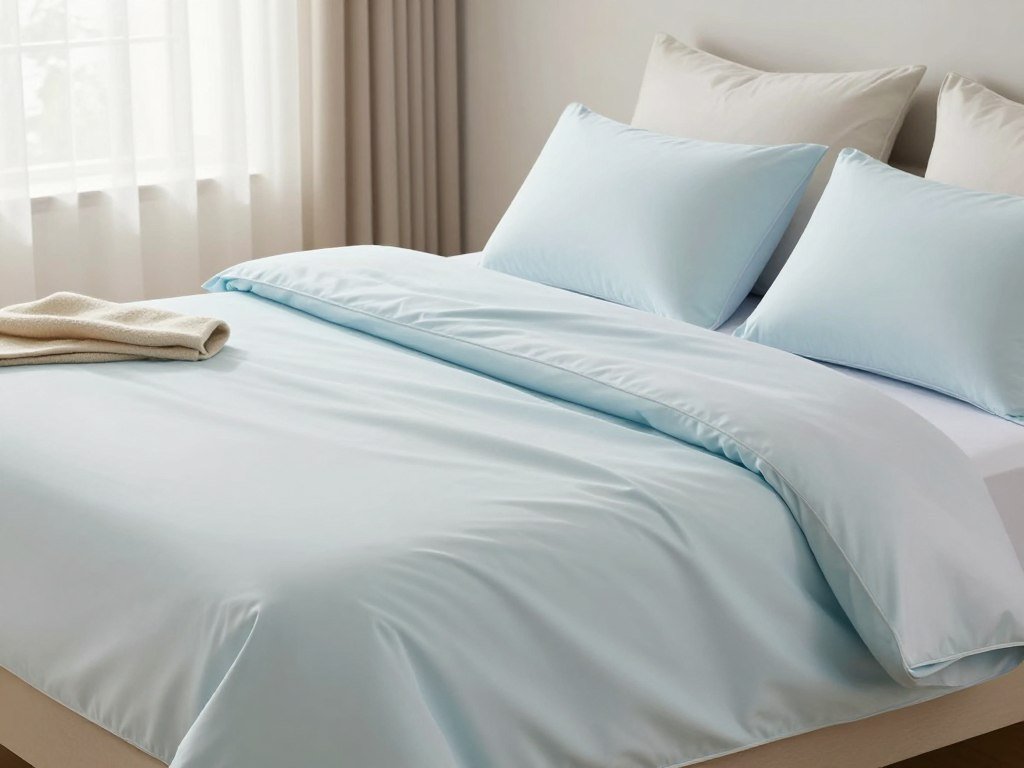
Smooth, fluid-feel options
Nectar Serenity testers praised its smooth, cool feel, and the set earned a top cooling result. Bear Tencel testers also described their set as soft and cool. Those notes may help if you want a surface that feels gentle rather than crisp.
Silk & Snow Egyptian Cotton stood out for long-term comfort and material quality, with NCOA testers giving it 5 out of 5 in both areas. The sheets did not trap heat during testing. For the question “best sheets made from Egyptian cotton,” Silk & Snow is a strong starting pick for long-term comfort and material quality.
A smooth fabric can drape closer to the body, which some sleepers enjoy and others find too warm. Notice whether you like that close feel before choosing a set for hot nights. The bedding around it can also change your comfort.
Lightweight, breathable options
Saatva testers described their sheets as cool and lightweight. That lighter feel may suit you if you dislike a heavy drape across your body. It offers a different path from choosing a very smooth sheet.
Try to think about the whole bed, including blankets and the room’s temperature. A sheet can feel cool in one setup and less so under heavier bedding. If you tend to overheat, avoid assuming that the word “cooling” guarantees the same result for every body or bedroom.
What Is the Difference Between Percale and Sateen?
Choose percale for a crisp, breathable feel, and sateen for a smoother surface that can feel warmer. The weave changes the feel even when both fabrics use cotton. That difference can help you narrow your options before choosing a set.
Percale uses a one-over, one-under weave; sateen uses a denser weave. Percale feels crisp and breathable, while sateen feels smoother and somewhat warmer. Neither finish is right for every bed or sleeper.
Use these simple at-home checks to compare fabric samples or sets you already own:
- Notice the first touch: does the fabric feel crisp or smooth?
- Consider how much the fabric drapes over your hand or body.
- Assess comfort under your usual bedding layers.
Try each fabric on a night when your regular bedding is in place. A sheet that feels airy by itself may feel different beneath a thick comforter. Your own sense of comfort matters more than a weave name alone.
If you are unsure, try one set in the weave you like most before replacing every set on the bed.
What Thread Count Is Best for Sheets?
For cotton sheets, 300-500 is a useful range to consider, not a guarantee of quality. Thread count is one clue about a fabric, but the number cannot describe every part of how a set feels or wears.
Cotton sheets with a 300-500 thread count performed especially well overall in testing of 400 bed-sheet sets. Weigh that range alongside the fiber and construction, rather than paying more for a larger number alone.
Use this checklist when a label makes the count seem like the main selling point:
- Check the fiber listed on the label.
- Identify the weave, such as percale or sateen.
- Look for single-ply or multi-ply wording.
- Read the care directions before buying.
Those details give the number useful context. A thread count can help you compare similar fabrics, but it does not replace clear fiber and construction details. Care directions also tell you whether the set fits your routine.
Compare the material and weave before paying extra for a larger thread-count number.
How Deep Should a Fitted Sheet Pocket Be?
Measure your mattress together with its topper and protector, then compare that total height with the fitted-sheet depth. The full stack matters because a sheet must cover the whole mattress setup, not just the mattress alone.
Allow enough depth for the mattress, topper, and protector together. A pocket that comes up short may slip or bunch, even if the fitted sheet fits the mattress by itself.
| Set | Stated mattress fit |
|---|---|
| California Design Den | 8-16 inches |
| The Company Store deep-pocket option | Up to 20 inches |
| Silk & Snow | Up to 15 inches |
| Bear | Adjustable for 10-15 inches |
| Tempur-Pedic | Up to 13 inches |
Other listed limits include Nectar Serenity, which fits mattresses up to 15 inches tall, and Saatva Essential Luxury Sheets, which fit mattresses up to 16 inches tall. These details can help you check the full height against the product’s stated range.
Measure with the topper and protector already in place, then compare the total with the stated limit. A pocket rating that only just matches the mattress can still be a snug fit once the topper is on.
How Can You Judge Sheet Durability?
A durable sheet set should retain its strength and shape, not just feel soft on its first night. Repeated washing matters because a fitted sheet can shrink or lose coverage after regular laundering.
Strength, shrinkage, and pilling are useful durability checks. Consumer Reports tests sheets for strength and shrinkage, among other measures. A deep-pocket label does not ensure that a fitted sheet will keep covering the mattress after repeated washing and drying.
Consumer Reports found that several queen-size cotton sheet sets advertised with deep pockets failed to cover a 10-inch mattress after less than a year of washing and drying. That makes lasting coverage worth checking, not just the fit on the first night.
Good Housekeeping tested 400 bed-sheet sets. Brooklinen Luxe Sateen fabric was strong, resisted pilling, and held up well to repeated laundering. L.L.Bean Pima Cotton Percale fabric held up in strength, shrinkage, and pilling evaluations.
Use this checklist to judge wear beyond a new set’s first impression:
- Strength after regular use.
- Shrinkage after washing and drying.
- Pilling on the fabric surface.
- Fitted-sheet coverage after laundering.
Check that the fitted sheet still covers the mattress after laundering, especially if secure coverage is already a problem.
Which Sheet Materials Match Your Sleep Preferences?
Start with the fiber if you care most about a particular feel, then use weave and construction to refine the choice. Fiber guides the feel, while care needs can differ between materials, even when the finished fabric looks similar.
Read the fiber name and any blend details before choosing a sheet. Cotton, plant-based cellulosic fibers, linen, flannel, and microfiber each suit different preferences for softness, breathability, or warmth.
Cotton and plant-based cellulosic fibers
Cotton can feel crisp or smooth depending on its weave and construction. Bamboo rayon begins with bamboo, then undergoes processing to become rayon fiber. The finished fabric should not be treated as an unprocessed natural fiber.
Tencel is a brand name for lyocell, a type of rayon. Bamboo rayon and lyocell are cellulosic fibers, but their feel and care needs can vary by fabric and finish. Check the care label instead of assuming all plant-based fabrics wash alike.
Linen, flannel, and synthetic fibers
Linen comes from flax and has a textured feel that can suit shoppers who like a less-smooth surface. Flannel gets its warm feel from a brushed surface and can be made from wool, cotton, or synthetic blends.
Microfiber is usually made from polyester and sometimes nylon. That synthetic construction may appeal to shoppers seeking lower-cost care, though the hand feel varies by fabric. Compare the fiber details with the texture you want against your skin.
Read the fiber label closely, since a blend can feel and perform differently from a single-fiber fabric.
What Price and Return Terms Should You Compare?
Compare the set’s total price with its return window and the details that matter to your bed, rather than price alone. Trial terms are separate from the price, and a return window can affect how comfortable you feel testing a set.
Prices and return policies can change, so treat these as listed examples. Compare the full set details, including fiber, pocket features, and the return or trial period, rather than using thread count as a shortcut for value.
| Set | Listed price | Return or trial detail | Distinguishing detail |
|---|---|---|---|
| Parachute Sateen | $129-$169 | 60-day trial | Egyptian-cotton sateen pick |
| Snowe Home Percale | $225-$275 | Two-week returns | 500 thread count |
| Parachute Percale | $109-$149 | 60-day trial | Percale |
| Pure Parima Yalda | $195-$260 | 100-day return policy | 400 thread count; 18-inch pockets |
Other listed price examples include Buffy Supima Cotton Percale Sheets at $195 and Aeptom Bamboo Sateen Bed Sheet Set at $152. Aeptom has OEKO-TEX and Forest Stewardship Council certifications. These are extra price examples, not additional picks in the 10-set roundup.
Brooklinen Luxe Sateen Core Sheet Set comes in 19 colors and sizes from Twin through California King. That range may matter if you want a particular color or need a less common bed size.
Confirm the current terms with the seller before making a purchase, since prices and policies can change.
What Should You Check Before Ordering?
Before ordering, confirm both the mattress size and exactly what the set includes. Set contents can vary by size, so check the listed pieces rather than assuming every package has the same pillowcase count.
A typical sheet set includes one flat sheet, one fitted sheet, and two pillowcases. Some Twin and Twin XL sets include one pillowcase. Neutral selection criteria are more useful than assuming one brand or review suits every bed.
Use this short pre-order checklist to catch a mismatch before checkout:
- Confirm the bed size.
- Verify the included pieces and pillowcase count.
- Check the care label against your laundry routine.
- Choose a color that works with existing bedding.
A color that fits your current bedding can make the set easier to use with the rest of your room. The care label also helps you decide whether the fabric fits your usual wash routine. Check the full product details before opening the package.
Confirm the bed size, included pieces, care needs, and color before ordering. Set contents can change by size, including the number of pillowcases.
Keep the care label and return terms in mind before removing packaging or washing a set you may need to send back.
Conclusion
A comfortable set is the one that matches both your preferred feel and the full height of your bed. Fiber and weave shape the feel alongside thread count, while an accurate fitted-sheet depth helps keep the sheet in place.
You do not need to choose by a single label or number. Focus on the texture you enjoy, then make sure the set’s fit and care needs work for your bed and routine.
Measure your mattress with its topper, choose the texture you enjoy, and check the fitted-sheet depth before placing an order.
FAQ
What thread count is a good starting point for cotton sheets?
A thread count of 300-500 is a good starting range for cotton sheets. Cotton sets in that range performed especially well overall in testing of 400 bed-sheet sets. Still, the number is only one quality clue. Check the fiber, weave, construction, and care label too, since those details shape how the fabric feels and holds up.
Can a higher thread count make sheets feel warmer?
A higher thread count can be part of a denser fabric, which may feel warmer, but the number alone does not decide comfort. Weave and material also affect warmth and drape. Your other bedding layers and room temperature matter as well. Compare the fabric’s construction and feel instead of treating a larger number as a promise of softness or heat.
Do bamboo sheets always sleep cooler than cotton sheets?
No, bamboo sheets do not always sleep cooler than cotton sheets. Cooling depends on the fabric construction, the bedding layers above it, room conditions, and your own preference. A smooth bamboo rayon fabric may feel cool to one sleeper, while another prefers a lighter or crisper cotton sheet. Consider the whole bed, not just the fiber name.
How should I measure my mattress for fitted sheets?
Measure the mattress height with the topper and protector in place, then compare the full height with the fitted sheet’s stated pocket depth. Measure from the bottom edge to the highest point of the full stack. A sheet that fits the bare mattress may not cover a thick topper, so include every layer that stays on the bed.
How often should bed sheets be washed?
Washing bed sheets once a week is a practical rule of thumb. Wash them more often if they become soiled or if you prefer a fresher bed. Follow the care label for water temperature and drying instructions, since some fabrics need gentler care. Regular washing also gives you a chance to notice wear, loose elastic, or changes in fit.
Are Egyptian cotton sheets worth paying more for?
Egyptian cotton sheets may be worth the extra cost if the fiber quality and construction match what you want. Long-staple cotton can support a smooth, lasting fabric, but a luxury-sounding name alone does not prove the content. Check that the label clearly identifies Egyptian cotton, then compare the weave, care needs, and fitted-sheet details with other sets.
What should I do if a fitted sheet keeps popping off?
Check the full mattress-and-topper height, the elastic condition, and whether the pocket depth leaves room for a secure fit. A protector or topper adds height, while worn elastic can make even a well-sized sheet slip. If the sheet only barely reaches the mattress corners, choose a pocket range that allows more room around the full stack.