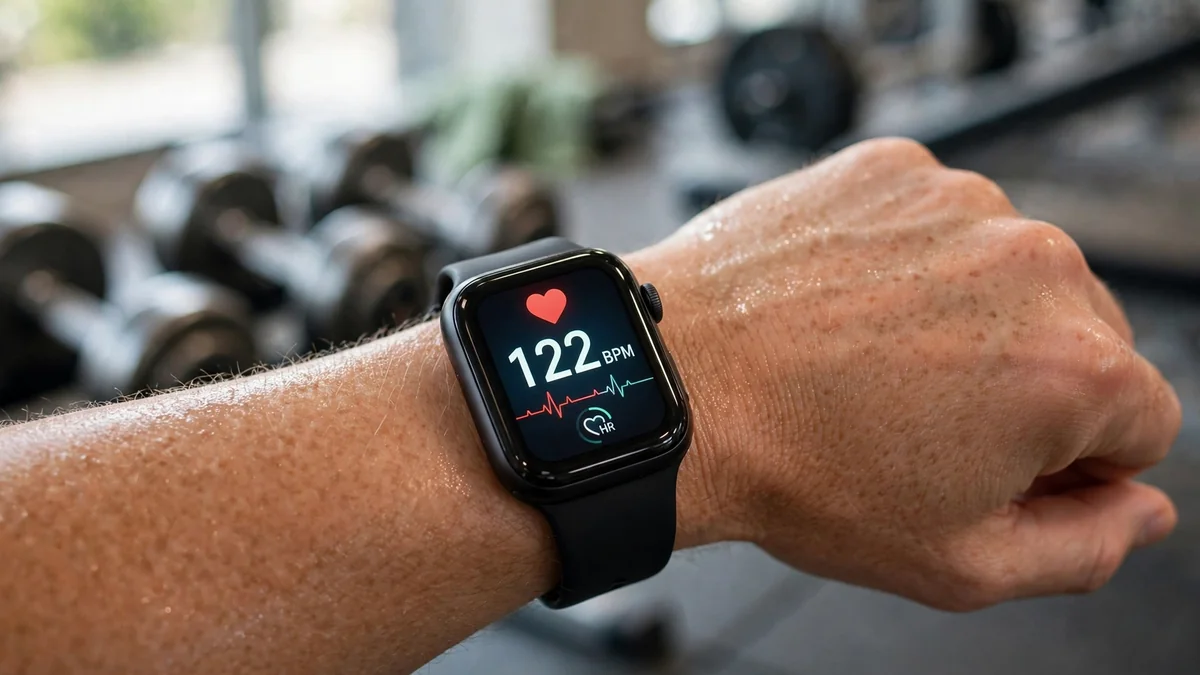
The best smart watches for fitness in 2027 do far more than count steps. The leading models now track heart rate, sleep, recovery, blood oxygen and training load around the clock, turning that data into guidance about when to push and when to rest.
Choosing one is harder than it looks, because headline features sound similar across brands. The real differences sit in sensor accuracy, battery life, workout modes and subscription costs.
This guide compares seven of the strongest fitness smart watches for 2027, from the Apple Watch Series 11 and Garmin Venu 4 to the Fitbit Charge 7 and Coros Pace Pro. Prices below are approximate starting prices.
Key takeaways
- Apple Watch Series 11 is the best overall fitness watch for iPhone owners, with the strongest app ecosystem and the most polished health sensors.
- Garmin Venu 4 is the best for serious training data, with deep recovery and training load metrics and no subscription paywall.
- Fitbit Charge 7 is the best budget pick, covering the fitness essentials for around $159.
- Battery life ranges from about 18 hours to 14 days, so match the watch to how often you are willing to charge it.
- Check the subscription cost before buying, because some watches lock their best insights behind a monthly fee.
At a glance: the shortlist
| Watch | Best for | Starting price | Standout limit |
|---|---|---|---|
| Apple Watch Series 11 | Best overall for iPhone | From $399 | About 24 hours of battery |
| Garmin Venu 4 | Serious training data | From $499 | Smaller third-party app store |
| Samsung Galaxy Watch 8 | Android users | From $349 | Best features need a Samsung phone |
| Fitbit Charge 7 | Budget fitness tracking | From $159 | No onboard GPS maps |
| Amazfit Balance 2 | Battery life and value | From $299 | Less polished companion app |
| Coros Pace Pro | Endurance athletes | From $349 | Basic smartwatch features |
| Polar Vantage M3 | Heart rate accuracy | From $399 | Plain design, fewer apps |
Apple Watch Series 11 — Best overall
The Apple Watch Series 11 remains the default choice for iPhone owners who want a fitness watch that also works brilliantly as a smartwatch. Its optical heart rate sensor, ECG app, blood oxygen tracking and sleep staging are among the most accurate in a mainstream watch, and watchOS turns the raw numbers into readable trends for resting heart rate, heart rate variability and sleep. The display is bright in direct sunlight, and the watch is water resistant to 50 metres.
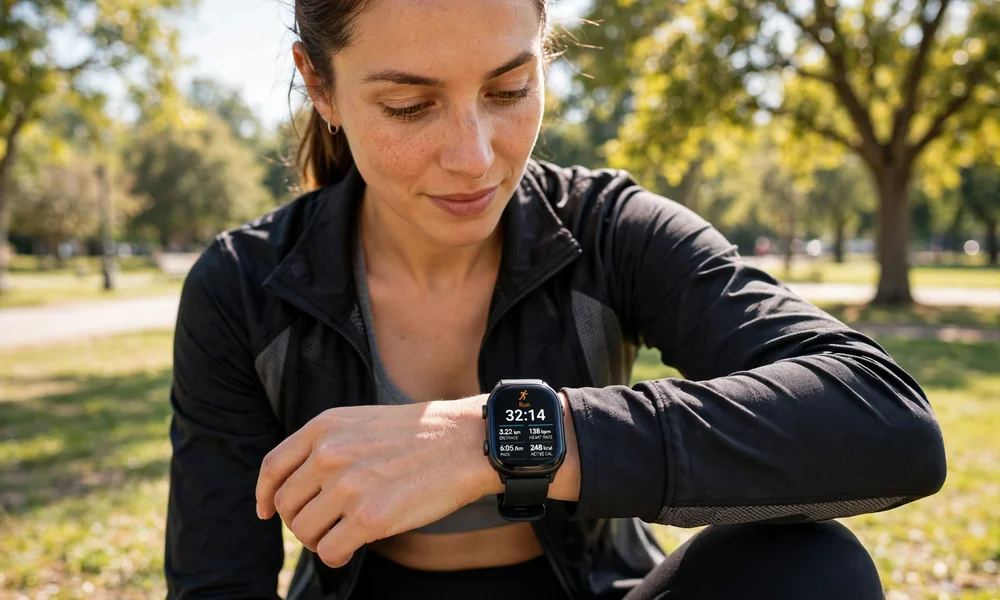
For training, the Series 11 covers running, cycling, swimming, strength work, HIIT and dozens of other modes, with automatic workout detection.
Pros: Excellent sensor accuracy, the best app ecosystem, bright always-on display, strong sleep and recovery insights.
Cons: About 24 hours of battery life with heavy use, needs daily charging, and several advanced health features require an iPhone.
Garmin Venu 4 — Best for serious training data
The Garmin Venu 4 is the pick for people who train with structure and want their watch to explain what the numbers mean. Its morning report combines sleep, recovery, heart rate variability and training readiness into one score, while training load, VO2 max estimates and suggested workouts help you plan the week. Garmin charges no subscription for these insights, which makes the higher upfront price easier to justify over two or three years.
Battery life is a major advantage, with around 14 days in smartwatch mode and roughly 25 hours of continuous GPS tracking. The watch supports offline music and Garmin Pay. Our guide to the best sleep trackers of 2027 explains how the Venu 4 compares with dedicated sleep devices.
Pros: Outstanding battery life, deep training and recovery metrics, no subscription required, accurate GPS.
Cons: Fewer third-party apps than Apple or Samsung, and the interface takes a few days to learn.
Samsung Galaxy Watch 8 — Best for Android users
The Samsung Galaxy Watch 8 is the strongest fitness watch for Android owners, particularly those with a Samsung phone. It tracks heart rate, ECG, blood pressure, body composition and sleep, and its running coach and energy score give practical daily guidance. The bright Super AMOLED display and slim case make it comfortable for all-day and overnight wear.
Workout tracking covers more than 90 exercise modes, with automatic detection for running, walking, cycling and swimming. Battery life of around 30 to 40 hours beats Apple but still means charging every other day for heavy users.
Pros: Strong sensor set for Android, excellent display, good sleep coaching, full Wear OS app support.
Cons: ECG and blood pressure features work best with Samsung phones, and battery life is only moderate.
Fitbit Charge 7 — Best budget pick
The Fitbit Charge 7 proves that a good fitness tracker does not need to cost $400. For around $159 it delivers continuous heart rate monitoring, sleep stages, stress tracking, built-in GPS and more than 40 exercise modes in a slim, comfortable band. The companion app remains one of the clearest for spotting trends, and the community features and challenges help many people stay consistent.
The trade-offs are honest ones. There are no onboard maps, the display is small for reading detailed stats mid-run, and the best insights, including the daily readiness score, sit behind a Fitbit Premium subscription. Even so, the free tracking covers the essentials, and seven days of battery covers a full week of workouts and sleep.
Pros: Very affordable, light and comfortable, a week of battery, clear and friendly app.
Cons: Readiness insights need a subscription, small screen, no offline maps or app store.
Amazfit Balance 2 — Best battery life and value
The Amazfit Balance 2 is the value surprise of this list, pairing a bright AMOLED display with up to 14 days of battery life and a price of around $299. It tracks heart rate, sleep, stress, blood oxygen and body composition, and its dual-band GPS is accurate enough for serious runners. Offline maps and music storage cover the features most people actually use on a run.
The companion app presents training load, recovery and sleep data in a clean dashboard, though it feels less polished than Garmin Connect or Apple Health. For buyers who want long battery life and strong hardware without a subscription, the Balance 2 undercuts most rivals by a wide margin.
Pros: Excellent battery life, accurate dual-band GPS, offline maps included, no subscription for core insights.
Cons: Companion app is less refined than Garmin or Apple, and third-party app support is limited.
Coros Pace Pro — Best for endurance athletes
The Coros Pace Pro is built for runners, cyclists and triathletes who want accurate data and a watch that lasts through very long sessions. Its dual-frequency GPS locks on quickly and holds a signal well under tree cover and in cities, while 38 hours of continuous GPS tracking suits ultramarathons and long training weekends. The training hub covers structured workouts, race predictions and recovery guidance, with no subscription.
As a daily smartwatch it is more basic than Apple or Samsung, with fewer apps and no cellular option. Its maps, breadcrumb navigation and climb data make it a strong choice for trail runners too. If your priority is endurance sport rather than notifications, it belongs on your shortlist.
Pros: Superb GPS accuracy, very long GPS battery life, light and comfortable, no subscription.
Cons: Basic smartwatch features, small app ecosystem, no cellular model.
Polar Vantage M3 — Best for heart rate accuracy
Polar has built its reputation on heart rate accuracy, and the Vantage M3 continues that tradition with a refined optical sensor and chest strap support. Its training load, recovery and sleep analysis are among the most detailed available, and the watch gives clear guidance on whether today is a hard day, an easy day or a rest day. The AMOLED display is a welcome upgrade over older Polar models, and it is comfortable enough to wear overnight.
Battery life runs to about seven days in normal use, with around 30 hours of GPS training time. The design is functional rather than flashy, but for data-driven athletes the Vantage M3 is a dependable training tool.
Pros: Excellent heart rate accuracy, detailed recovery and training load analysis, solid battery life.
Cons: Plain design, limited third-party apps, and the best analysis takes time to learn.
How to choose
Start with your phone. iPhone owners get the most from the Apple Watch, Samsung owners from the Galaxy Watch 8, and everyone else should look at Garmin, Coros or Amazfit, which work well on both platforms. Next, be honest about battery life: if nightly charging sounds like a chore, a Garmin, Amazfit or Coros watch with a week or more of battery will fit your life far better.
Then check the subscription. Some watches include their best recovery and readiness scores for free, while others charge monthly, and that cost adds up over the life of the watch. Finally, think about the workouts you actually do. Runners need accurate GPS and pace alerts, swimmers need 50-metre water resistance and stroke detection, and gym users benefit from rep counting and strength modes. Our roundup of the best wireless earbuds for running in 2027 covers the models that stay secure at full effort.
Checklist: before you buy
- Confirm the watch works fully with your phone model and operating system.
- Check whether recovery insights need a paid subscription.
- Compare real battery life in GPS mode, not just the headline smartwatch figure.
- Make sure your main sports are covered, including swimming or strength training.
- Try the strap size and weight, since a watch you wear overnight must be comfortable.
- Check the water resistance rating and whether the screen is readable in sunlight.
Frequently asked questions
Do I need a subscription for a fitness smartwatch?
Garmin, Coros, Amazfit and Polar include their core training and recovery insights for free, while Fitbit reserves its readiness score for a paid plan, so check before you buy.
How accurate are wrist heart rate sensors?
Modern optical sensors are accurate for steady-state exercise and all-day tracking, usually within a few beats per minute of a chest strap. For interval training or very high intensity work, a chest strap paired to the watch is still the most precise option.
Can a fitness watch replace a dedicated GPS watch?
For most people, yes. The best fitness watches now offer dual-band GPS, offline maps and long GPS battery life, though dedicated GPS watches still lead for ultramarathons and multi-day adventures.
Should I wear my fitness watch to sleep?
Yes, if recovery data matters to you. Sleep tracking feeds the readiness and recovery scores on most watches, and wearing the watch overnight is the only way to get a complete picture.
How long does a fitness smartwatch last?
Most quality watches receive software updates for three to five years. Battery capacity slowly declines with age, so a watch with a large margin on day one ages more gracefully.
What is the best fitness watch for beginners?
The Fitbit Charge 7 is the easiest starting point, thanks to its low price, simple app and week-long battery. The Apple Watch Series 11 is the most beginner-friendly premium option for iPhone owners, and the best wireless earbuds in 2027 pair well with any watch here for music during workouts.
The bottom line
For most people, the Apple Watch Series 11 is the best fitness smartwatch in 2027, thanks to its accuracy, apps and polish, provided you own an iPhone and do not mind daily charging. Android users should buy the Samsung Galaxy Watch 8, and serious trainers who want deep data without a subscription should choose the Garmin Venu 4.
On a budget, the Fitbit Charge 7 covers the essentials for a fraction of the price, and the Amazfit Balance 2 is the value pick for two weeks of battery. Whichever you choose, wear it every day for at least two weeks before judging it, because trends matter far more than any single day of data.