A new phone should fit the way you use it, not just lead a spec sheet. The right pick depends on whether you prefer iOS or Android, how much you want to spend, and what size feels comfortable. Your camera needs and how long you plan to keep the phone matter, too.
A refresh rate is the number of times a display updates each second. Faster refresh rates can make scrolling look smoother, while other features may matter more for your daily routine. These picks cover premium, midrange, budget, and foldable phones, so you can weigh the price against the features you will use.
Key Takeaways
- Match the operating system to the devices and services you already use.
- Set a price range before comparing premium and budget models.
- Choose a screen size you can handle comfortably every day.
- Consider camera reach, battery life, storage, and software support.
- Foldables suit people who will use the larger screen often.
Start by deciding which two things matter most to you, such as camera flexibility and a manageable price.
Which Best Smartphones 2026 Picks Match Your Needs?
A useful shortlist starts with the phone that best matches your priorities, not with the most expensive model. For a quick decision, these five picks cover common needs across Android and iOS.
Choose by category first, then compare price and features. A top-five shortlist helps you move quickly, while the ten-model range here also includes the Pixel 10a, Galaxy S25 FE, Oppo Find X9 Ultra, Galaxy S26, and Pixel 11 Pro models.
| Category | Recommended model | Best fit | Main reason to consider it |
|---|---|---|---|
| All-round Android flagship | Samsung Galaxy S26 Ultra | Premium Android shoppers | Broad feature set |
| Android for most people | Google Pixel 11 | Everyday Android use | Mainstream choice |
| iPhone for most people | iPhone 17 | Most iPhone buyers | Balanced standard model |
| Affordable Samsung | Samsung Galaxy A17 5G | Shoppers on a tight budget | Low listed price |
| Foldable | Samsung Galaxy Z Fold 8 | Multitasking on a large screen | Opens into a wider display |
“A top 10 best phones in the world in 2026 list compares different types, not ten interchangeable choices.”
The same rule applies to the top 10 Android phones in 2026: a useful list must span premium, everyday, budget, and foldable choices. To compare more options by price and use, see these phone picks for every budget.
Use the category that fits your budget as a starting point, then check the relevant model details before choosing.
Which Samsung Flagship Is the Strongest All-Around Choice?
For buyers who want Samsung’s most complete Android package, the Galaxy S26 Ultra is the clearest all-round pick. Its broad toolkit suits work, photos, and demanding apps.
The Galaxy S26 Ultra starts at $1,299.99 before trade-in in the US. Its 6.9-inch display gives you room for documents and split-screen tasks, while its built-in Privacy Display can help shield on-screen details in public.
The phone has a 200MP wide camera, a 50MP telephoto camera, and a 5,000mAh battery. Its 214g weight and 7.9mm thickness make it a large phone to carry and hold.
Samsung says the processor is 19% faster, graphics processing is 24% faster, and the NPU is 39% faster than on the Galaxy S25 Ultra. Those gains may help with demanding apps and AI tasks, but your results depend on what you run.
Samsung says the phone can reach 75% charge in around 30 minutes. That is a company claim, not a guaranteed result for every charger, cable, or charging condition.
The Galaxy S26 Ultra’s listed battery capacity and fast charging can help on busy days, though the phone’s size remains part of the deal. Its consistently strong cameras and long-lasting battery earned a 9.3 score.
- Use Privacy Display for sensitive messages on public transit.
- Take stylus-based notes when a larger screen helps your work.
- Run demanding apps that benefit from more processing power.
- Keep the phone ready for frequent camera use.
The best Samsung pick is the Galaxy S26 Ultra if you want an all-round premium Android phone. The base Galaxy S26 costs less and suits buyers who prefer a standard model.
If its weight or starting price would make you hesitate, choose a smaller or less expensive model rather than paying for features you will rarely use.
Which Android Phone Suits Most People?
For an Android buyer who wants a dependable everyday choice without moving to an Ultra-tier price, the Google Pixel 11 is the straightforward pick. Its mainstream focus makes it a sensible option for daily use.
CNET names the Pixel 11 its best Android phone for most people and gives it a 9.0 score. CNET lists it at $899 at Best Buy, a price tied to that retailer’s listing.
The appeal is simple: you get a standard Android phone aimed at a wide range of users, without paying for an Ultra-tier model. That can make it a better fit if you want a familiar daily phone rather than a specialized device.
Think about how you use your phone before stepping up to a Pro model. A larger flagship may suit you if you often work on a big screen, but it can be unnecessary if calls, messages, apps, and everyday photos are your main tasks.
Price alone does not decide which phone is right for you. The Pixel 11 is the direct pick for most Android buyers, while a Pro model may suit people who want a larger flagship experience.
Compare the listed $899 price with your budget before deciding whether a Pro model’s extra scale is worth paying for.
Which iPhone Offers the Best Balance for Most Buyers?
The iPhone 17 makes the most sense for buyers who want a current iPhone without stepping up to a Pro model. For many people, it balances useful upgrades with a standard-model design.
The iPhone 17 starts with 256GB of storage and has a 1-120Hz variable-refresh-rate display. The display can shift its refresh rate to support smoother motion, while the starting storage gives you more room for apps and files.
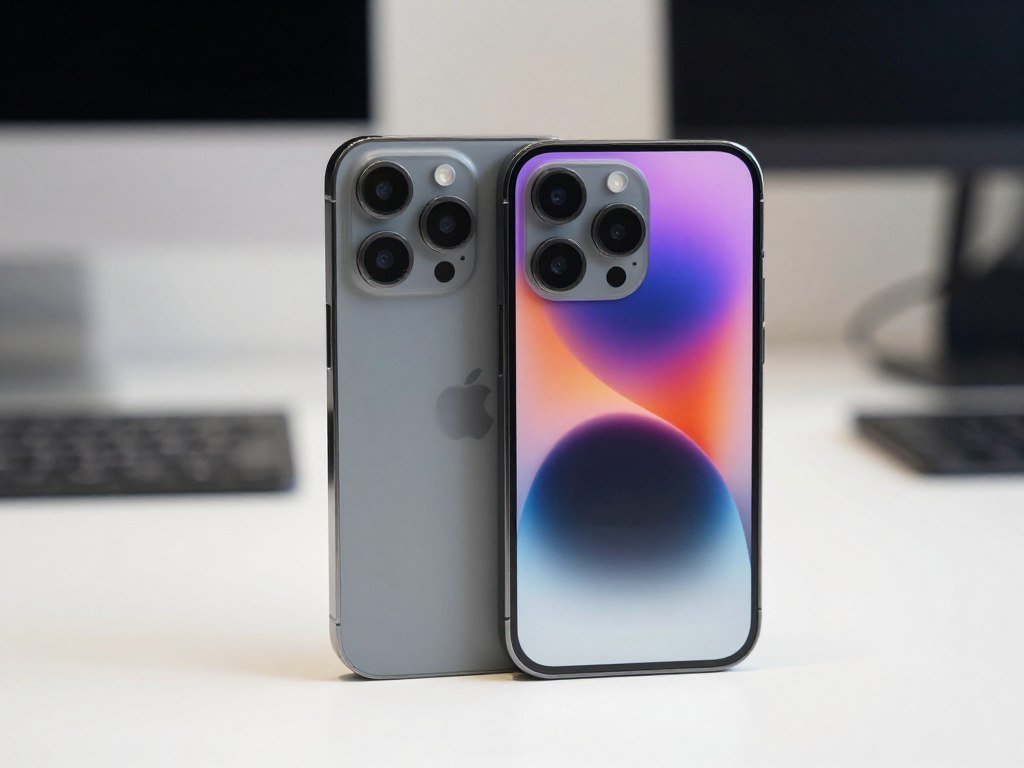
Apple says the Ceramic Shield 2 display has three times better scratch resistance than the prior generation’s display. Its 48MP ultrawide camera also offers more resolution than the iPhone 16’s 12MP ultrawide camera.
Apple says the iPhone 17 offers up to eight more hours of video playback than the iPhone 16. In CNET’s three-hour streaming test, the iPhone 17 fell from 100% to 89%, while the iPhone 16 fell to 86%.
Those results describe one test, not the battery life every owner will see. Screen brightness, signal strength, apps, and daily habits can change how long a phone lasts.
CNET names the iPhone 17 its best iPhone and lists it at $899 when activated through a carrier. It is the most balanced standard iPhone choice if you do not need Pro-model zoom.
For more detail on the camera options, see this guide to iPhone cameras for different budgets. Check the carrier-activation condition before treating the listed $899 as your purchase price.
What Is the Best Budget Smartphone Under $500?
If the lowest listed price is the priority, the Samsung Galaxy A17 5G is the budget pick; if camera emphasis matters more, consider the Google Pixel 10a. Both fit under $500, but they serve different needs.
The best budget smartphone in 2026 depends on whether you value a low listed price or a more camera-focused pick. Retailer, plan, and model details affect the price you see.
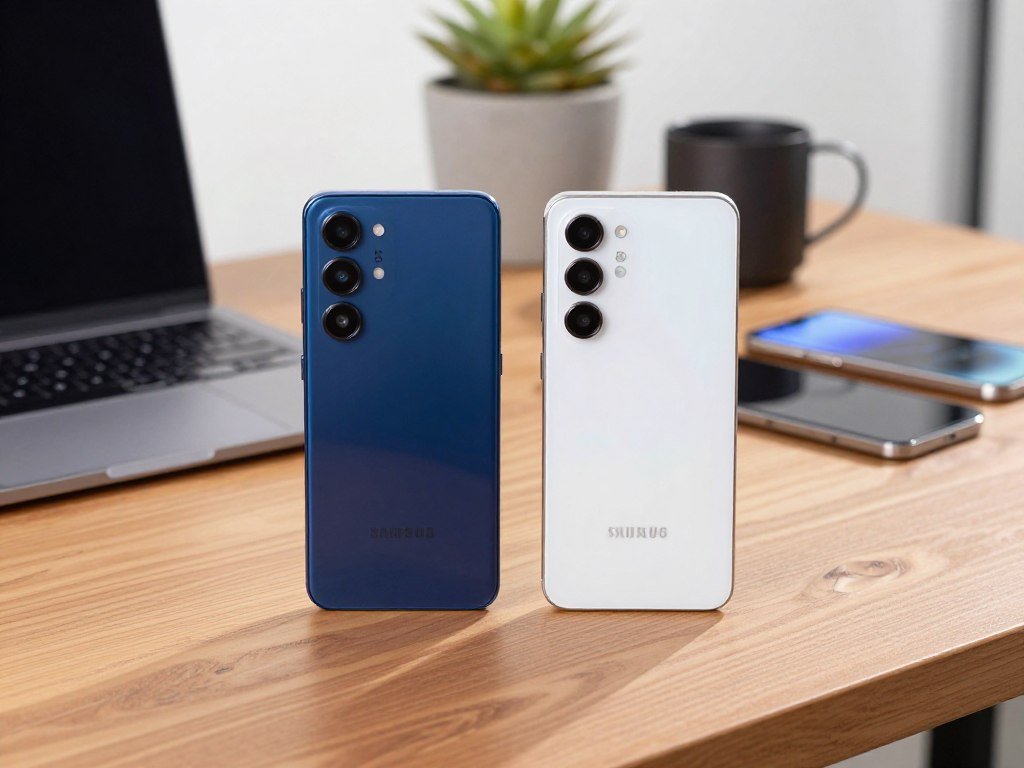
Spend less on the Samsung Galaxy A17 5G
PCMag names the Galaxy A17 5G its top affordable-phone pick and lists it at $199.99 at T-Mobile. CNET lists it at $250 at Samsung and names it the best budget Samsung phone.
The A17 5G has a 6.7-inch 90Hz display, a 50MP main camera with optical image stabilization, and an IP54 splash-resistance rating. The stabilization helps reduce blur from small hand movements, while IP54 means the phone has limited protection from splashes.
PCMag measured 15 hours and 45 minutes of battery life. Samsung promises six years of OS and security updates, and CNET also lists six years of software and security updates.
Choose the Google Pixel 10a for a camera-first budget pick
CNET names the Pixel 10a its best cheaper Android phone and lists it at $499 at Best Buy. Trusted Reviews also names it a budget camera-phone pick.
The Pixel 10a fits buyers who put camera results ahead of the lowest listed price. Its price sits near the top of this budget range, so it makes sense only if that camera focus matters to you.
Compare the two models by the store listing and support term you actually plan to use. For more choices in this price band, see these budget phones under $500.
Check the exact retailer and update promise before comparing these two prices.
Which Phone Is the Better Midrange Fit?
A buyer willing to spend up to $700 on a midrange phone should put the Samsung Galaxy S25 FE on the shortlist. At the top of midrange, it gives you an option beyond entry-level models.
The stated upper price point for this recommendation is $700. Treat that as the range for this pick, not as a confirmed price at a specific store.
Samsung promises seven years of updates, a useful term if you expect to keep your phone for several years. Longer software support can also help you avoid replacing a device simply because updates have ended.
The S25 FE supports 45W charging. That gives buyers a faster charging option to weigh alongside software support, especially if they often plug in between errands or work sessions.
This pick suits someone who wants a more premium-feeling phone without moving to the highest flagship tier. It is not a proven fit for every demanding task, so match its strengths to your own use.
Buyers who need the best supporting cameras or demanding-gaming performance should compare other models rather than assume a midrange phone will meet those needs.
Choose it for its balance of software support and charging, not for a camera or gaming advantage that is not established here.
Which Phone Has the Best Mobile Phone Camera in 2026?
For long-range zoom, the Oppo Find X9 Ultra has the most specialized camera setup among these picks. Its two periscope cameras are built for reaching distant subjects.
Pick a camera phone by the photos you take, not megapixels alone. Long zoom, a flexible set of lenses, or a lower price can matter more than one large sensor number.
| Model | Camera hardware detail | Best photographic fit |
|---|---|---|
| Oppo Find X9 Ultra | 200MP Sony Lytia 901 main, 200MP 3x and 50MP 10x periscope | Long-range photography |
| Samsung Galaxy S26 Ultra | 200MP main, 50MP ultrawide, 50MP and 10MP telephoto | Versatile focal lengths |
| Google Pixel 10a | 48MP main and 13MP ultrawide | Budget camera phone |
Choose the Oppo Find X9 Ultra for long-range photography
Trusted Reviews names the Oppo Find X9 Ultra its top camera-phone pick. Its 200MP 3x periscope camera and 50MP 10x periscope camera give you two ways to frame distant subjects.
The dual periscope setup makes the Oppo the specialist choice for faraway details, such as signs or performers on a stage. It is less important if most of your shots are close family photos or everyday scenes.
Pick the Galaxy S26 Ultra for a versatile US flagship
Trusted Reviews names the Galaxy S26 Ultra its all-round flagship camera-phone pick. Its four rear cameras cover a main, ultrawide, and two telephoto views.
The Pixel 10a offers a budget path with a main and ultrawide camera. For more iPhone-specific comparisons, read this iPhone camera buying guide.
Match the lens setup to the photos you actually take, since a long-zoom camera is of little use if you rarely zoom.
Which Smartphones Last Longest Between Charges?
For buyers who want fewer charging stops, the OnePlus 15 is the clearest endurance-oriented choice in this group. Its large battery and fast wired charging suit long days.
The OnePlus 15 has a 7,300mAh battery, 80W wired charging, and a stated two-day real-world-use capability. That description is a helpful guide, not a promise that every owner will get two full days.
Battery capacity is only one part of endurance. A Notebookcheck test reported more than 30 hours in a Wi-Fi test and 36 hours and 31 minutes in a video test.
Samsung says the Galaxy S26 Ultra can reach 75% charge in around 30 minutes. That is a charging claim, while the Galaxy A17 5G’s 15 hours and 45 minutes came from a measured battery-life test.
Those figures come from different methods, so they do not form a direct ranking. A CNET battery comparison covered 35 phones and included a three-hour Wi-Fi video-streaming test.
Daily habits can help you keep more charge for the moments you need it:
- Reduce screen brightness when practical.
- Limit background activity you do not need.
- Use battery-saving mode when needed.
- Carry a compatible charging cable on long days.
Treat battery estimates as a guide to compare phones, not a guarantee of the same runtime across different routines.
Which Foldable Phone Fits a Tablet-Style Workflow?
The Galaxy Z Fold 8 is the foldable choice for people who will regularly use its wider inner screen for multitasking. That open display can give apps more room than a standard phone screen.
CNET names the Galaxy Z Fold 8 its best Android foldable, with an 8.6 score and a $1,900 Samsung starting price. Its 4:3 main-display aspect ratio gives the inner screen a broad shape suited to tablet-style apps.
The larger screen can help when you keep two apps visible, read documents, or watch video while checking another task. The design only helps if you open the phone often enough to use that space.
A foldable is not automatically better for work or media. Some apps may feel more useful on a wide screen, while other tasks take only a few seconds and work fine on a standard phone.
People who mostly text, call, and take quick photos will likely find a conventional phone more practical. It avoids paying for a large inner screen that may stay closed most of the day.
Before paying $1,900, decide how many times in a typical day you would actually open the device.
Which Samsung Galaxy Is Easiest to Carry?
For someone who wants a Samsung phone without choosing the Ultra, the Galaxy S26 is the standard-model alternative to consider. Its simpler role makes it a clear choice for shoppers seeking a smaller-family option.
CNET gives the Galaxy S26 an 8.3 score and lists it at $700 at Amazon. CNET also reports 25W wired charging, a practical detail if you often charge with a cable.
The standard model may be easier to handle than the Ultra, but comfort depends on your hand and how you hold a phone. A number on a product page cannot tell you whether reaching across the display feels natural.
Pay attention to the shape as well as the screen. A phone that feels secure in one hand can be more pleasant to use than a larger model with features you rarely need.
If one-handed comfort is decisive, handle the Galaxy S26 in person before buying. Confirm the current Amazon listing and test the fit in your hand before deciding.
Is the Pixel 11 Pro the Better Large-Screen Android Choice?
Choose a Pixel 11 Pro model if everyday flagship Android use and Google’s software experience matter more than Samsung’s specialist features. The Pro XL suits buyers who want a larger-format phone.
CNET names the Pixel 11 Pro and Pixel 11 Pro XL its best everyday-use flagship Android phones. CNET lists them at $1,299 at Best Buy, and both have seven years of OS updates from launch.
The Pixel 11 Pro XL may suit you if you want a large display and the option of two-day battery life. That battery life is described as possible, not a fixed result for every routine.
Compare the Pro models with Samsung’s premium phone by deciding which features you will use most. A large screen can help with reading and multitasking, while software support matters when you plan to keep a phone for years.
Use these points to make the choice:
- You prefer Google’s software experience.
- You value long-term OS updates.
- You want a larger-format flagship.
Pick the Pro XL only if its larger form fits comfortably and you will make use of its extra screen space.
Is the iPhone 18 Pro Max a Better Choice for Video?
Video-first iPhone buyers should consider the iPhone 18 Pro Max, provided its size and weight suit them. Its video focus gives creators a reason to compare it with the smaller Pro.
The iPhone 18 Pro Max weighs 249g and gained 77% battery charge in 30 minutes in CNET’s reported fast-charging result. The charging figure is a test result, not a promise for every setup.
| Model | CNET score | Listed starting price | Distinguishing reason to consider it |
|---|---|---|---|
| iPhone 18 Pro | 9.3 | $1,199 | Smaller Pro option |
| iPhone 18 Pro Max | 9.3 | $1,299 | Trusted Reviews video pick |
| Samsung Galaxy S26 Ultra | 9.3 | $1,299.99 | All-round Android flagship |
Trusted Reviews names the iPhone 18 Pro Max its pick for video capture. A hands-on review also describes features such as variable aperture and 4K HDR time-lapse recording.
The Pro Max gives you the larger phone, but the 249g weight can feel tiring during long recording sessions. Choose it if you will use its video tools often, not just for occasional clips.
The smaller iPhone 18 Pro starts at $1,199 and shares the same 9.3 CNET score. If 249g sounds burdensome, compare the smaller iPhone 18 Pro before paying for the Max.
Where Are the Best Mobile Phone Deals in 2026?
The largest advertised discount is not automatically the best deal if it requires a plan or trade-in that does not suit you. Compare the full cost, not just the headline savings.
iPhone 18 Pro promotions at Verizon and AT&T offer up to $1,200 off, subject to qualifying conditions. The Galaxy Z Fold 8 offers at Samsung also vary by trade-in status.
| Phone or series | Seller or carrier | Advertised maximum saving | Main condition |
|---|---|---|---|
| iPhone 18 Pro | Verizon | Up to $1,200 | Qualifying conditions apply |
| iPhone 18 Pro | AT&T | Up to $1,200 | Qualifying conditions apply |
| Galaxy Z Fold 8 | Samsung with trade-in | Up to $1,200 | Eligible device required |
| Galaxy Z Fold 8 | Samsung without trade-in | $200 | No trade-in required |
Mint Mobile lists a Pixel 11 series promotion of up to $450 off. Applicable offer terms and qualifying conditions can affect the final savings.
A large discount may depend on a plan, a trade-in, or bill credits spread over time. Compare the final bill, plan requirement, and trade-in value rather than the headline amount alone.
Check the full cost over the time you expect to keep the line, not just the first bill. Verify the offer’s eligibility and final payment terms with the carrier or retailer before placing an order.
Should You Choose iOS or Android?
Choose the platform that works with the devices and services you already rely on. Your current setup can make one choice easier to live with each day.
iPhones run iOS, while phones from many manufacturers run Android. Android offers more makers, phone shapes, and price points, while iOS is tied to Apple phones.
Pick iOS for an Apple-centered setup
An iPhone can be the more convenient fit if you already use Apple devices and services. Familiar apps and a shared setup can make it easier to move between your phone and other products.
Consider what you use now, not just what a new phone can do. A platform that fits your existing habits may save time when you share files, photos, or messages.
Pick Android for more hardware and price options
Android phones come from more manufacturers and cover more price points and form factors. That range includes standard phones, budget models, and foldables with flexible displays.
Android can suit you if you want more choice in hardware shape or more room to adjust settings. The best fit still depends on the apps and services you rely on.
Use these four points to compare platforms:
- Devices you already own.
- Preferred apps and services.
- Hardware shape you want.
- How much customization matters to you.
Before switching, check that your essential apps, photos, and account access will transfer smoothly.
What Should You Check Before Buying a Phone?
A good final check is whether the phone will still suit your storage, comfort, and software needs after the first few months. Small choices now can affect how long you enjoy using it.
Choose storage based on what you keep on the phone, and check software support before buying. A low price matters less if you quickly run short of space or lose updates sooner than planned.
Match storage to your photos, video and apps
Storage needs depend on how many photos, videos, and apps you keep locally. Common capacities range from 128GB to 512GB, and some phones offer 1TB.
The iPhone 17 starts with 256GB of storage. That amount suits many people, while frequent high-resolution video recording or a large offline photo library can call for more.
Think about what you can remove or move elsewhere before choosing a smaller capacity. Photos and video can take up space faster than apps you rarely open.
Check size, support and the value of last year’s model
Check a phone’s weight and screen size in person if comfort matters. Read its OS and security update commitment, too, so you know how support fits your ownership plans.
A 2025 phone can still be a sensible purchase if its actual price is meaningfully lower than a current equivalent. Its remaining software support should also cover how long you plan to keep it.
Do not treat an older model as a deal just because it has a lower sticker price. Compare the actual price and remaining support for an older model against the current phone before deciding that a discount makes it better value.
Conclusion
The right pick is the phone that fits your budget and the way you actually use it. Start with your main need, such as a camera, battery life, or a comfortable size.
Do not pay for a feature you are unlikely to use. Check the exact listing and its terms, then weigh the phone against your planned ownership and everyday tasks.
Shortlist one model, check its current price and terms, and make sure its size feels comfortable before you buy.
FAQ
Is 256GB enough storage for a smartphone?
Yes, 256GB suits many everyday users who mainly keep apps, messages, and a reasonable photo library on their phones. Frequent high-resolution video recording can fill that space faster, especially if you keep old clips. A large photo library stored offline also uses a lot of room. If you rarely delete files, a higher capacity can save you from moving content later.
Is a 120Hz phone display noticeably smoother?
Yes, a 120Hz display can make scrolling and screen animations look smoother than a slower display. You may notice the difference most when moving through long pages or menus. The benefit depends on how you use your phone and whether its apps support higher refresh rates. A faster refresh rate can use more battery, so some phones adjust it as needed.
How long should I keep a smartphone before upgrading?
Keep a smartphone as long as its battery, software support, and daily performance still meet your needs. A battery that drains too quickly may make a replacement or repair worthwhile. Software support matters for security and access to updates. If your apps, calls, and daily tasks still work well, there is no need to replace the phone just because a newer model has arrived.
Are carrier phone discounts really free phones?
No, a carrier discount does not always mean the phone costs nothing overall. The deal may require a qualifying plan, an eligible trade-in, or bill credits spread across many months. Leaving early can affect whether you receive all credits. Compare the full plan cost and trade-in value with the phone’s price elsewhere before you decide the offer saves money.
Is an optical telephoto camera better than digital zoom?
An optical telephoto camera can capture distant subjects with more detail because it uses lens reach rather than relying only on a crop. Digital zoom enlarges part of the image, which can reduce detail. Still, lighting, focus, sensor quality, and image processing all affect the final photo. A telephoto lens helps most when you often photograph subjects that are far away.
Should I buy a foldable as my only phone?
Yes, a foldable can work as your only phone if you will regularly use its larger inner screen. It can help with multitasking, reading, and apps that benefit from more display space. A conventional phone is simpler for buyers who mostly call, text, and take quick photos. Consider how often you would open the device before paying extra for its larger screen.



