A bottle for a slow pour after dinner may be the wrong choice for a margarita pitcher or a round of shots. The best tequila for you depends on how you plan to serve it, what flavors you enjoy, and what you want to spend. A bright, agave-led pour can suit one drinker, while another prefers oak, vanilla, or caramel.
Bottle design and celebrity marketing can catch your eye, but neither tells you whether a spirit fits your plans. This article offers practical picks for different occasions, styles, and budgets, rather than naming one winner for every glass. Your taste matters, so use the recommendations as a starting point, not a rulebook. Start with the way you plan to drink it, then choose the flavor and price point that fit.
Key Takeaways
- Choose a bottle for sipping, cocktails, shots, or a gift.
- Flavor preference and budget matter more than bottle design.
- Blanco usually highlights agave, while barrel age adds oak notes.
- Compare the intended use before paying more for a bottle.
- Award winners can be useful, but your palate makes the final call.
Which Bottle Is the #1 Tequila in 2026?
El Jefe Luis Extra Añejo is the #1 tequila by the 2026 World Tequila Awards’ overall title, while Tequila Ocho offers category winners for drinkers who want a different style. The award-winning spirit costs about $300-$325, making it a special-occasion bottle rather than a default choice. Its extra añejo style suits a slow pour more than a casual mixed drink.
The award title and use-based picks answer different shopping needs. Tequila Ocho earned 2026 category honors for blanco, reposado, and añejo. Fortaleza Blanco also offers a more practical alternative for cocktails or sipping, at about $65 U.S. street price.
| Use | Bottle | Style | Best fit |
|---|---|---|---|
| Overall award winner | El Jefe Luis Extra Añejo | Extra añejo | Collectors and special occasions |
| Blanco pick | Tequila Ocho Plata | Blanco | Agave-forward sipping and cocktails |
| Reposado pick | Tequila Ocho Reposado | Reposado | Oak-balanced sipping and cocktails |
| Añejo pick | Tequila Ocho Añejo | Añejo | Slower sipping |
| Value-style alternative | Fortaleza Blanco | Blanco | Cocktails and sipping |
An award can point you toward a bottle worth exploring, but it cannot predict your favorite flavor. The overall winner may feel too rich or costly for everyday drinks. A blanco can be a better match when you want brighter agave notes, or a cocktail-friendly pour.
Treat an award as a useful starting point, then match the bottle’s age and intended use to your own glass.
Tequila Ocho’s category honors give shoppers options within several age styles, while the overall award highlights one standout bottle. Use matters: the right spirit for a neat pour may not be the right one for a party pitcher.
What Should You Check Before Buying Tequila?
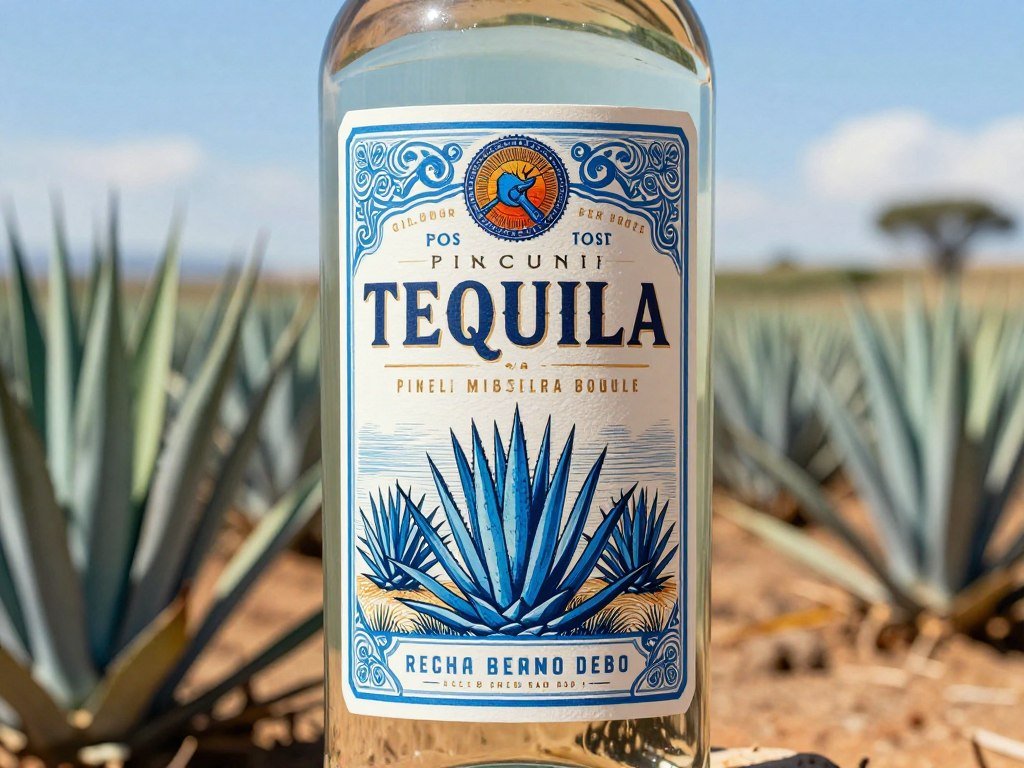
Before comparing bottle shapes or brand names, check whether the label says 100% agave. That wording is a useful quality clue because it identifies tequila made from blue Weber agave sugars. A bottle labeled only tequila can be a mixto, with at least 51% of fermentable sugars from agave.
A mixto may use up to 49% sugars from other permitted sources. Tequila rules also allow some additives that may not appear on the label. The allowed amount can reach 1% of the total liquid weight, so a 100% agave label does not tell you every production detail.
Look for 100% agave on the label
Look for “100% agave” or “100% Blue Weber agave” on the bottle. That phrase points to the agave sugar source, not a promise that every flavor profile will suit you. A tequila additive limit permits undisclosed additives up to 1% of total liquid weight.
Some producers make a verifiable additive-free claim. It can help you compare production choices, but additive-free status alone does not prove a bottle will suit your palate. Your preferred expression may be bright, earthy, or marked by barrel notes.
Use the NOM and production details as clues
NOM is the four-digit number that identifies the distillery where a tequila was produced. It points to the production location, not a quality score. Production choices, such as cooking, fermentation, and distilling, can shape the spirit’s character and flavor.
Use this short checklist before choosing a bottle:
- Look for 100% agave wording.
- Note the NOM, the four-digit distillery identifier.
- Choose the intended age style.
- Check whether the producer makes a verifiable additive-free claim.
Those details help you compare bottles without treating one label as a full tasting note. A NOM can connect bottles to a distillery, but it cannot tell you how each expression tastes. Use the NOM to identify the distillery, not as a shortcut for judging the flavor in your glass.
How Do Blanco, Reposado, Añejo, and Extra Añejo Differ?
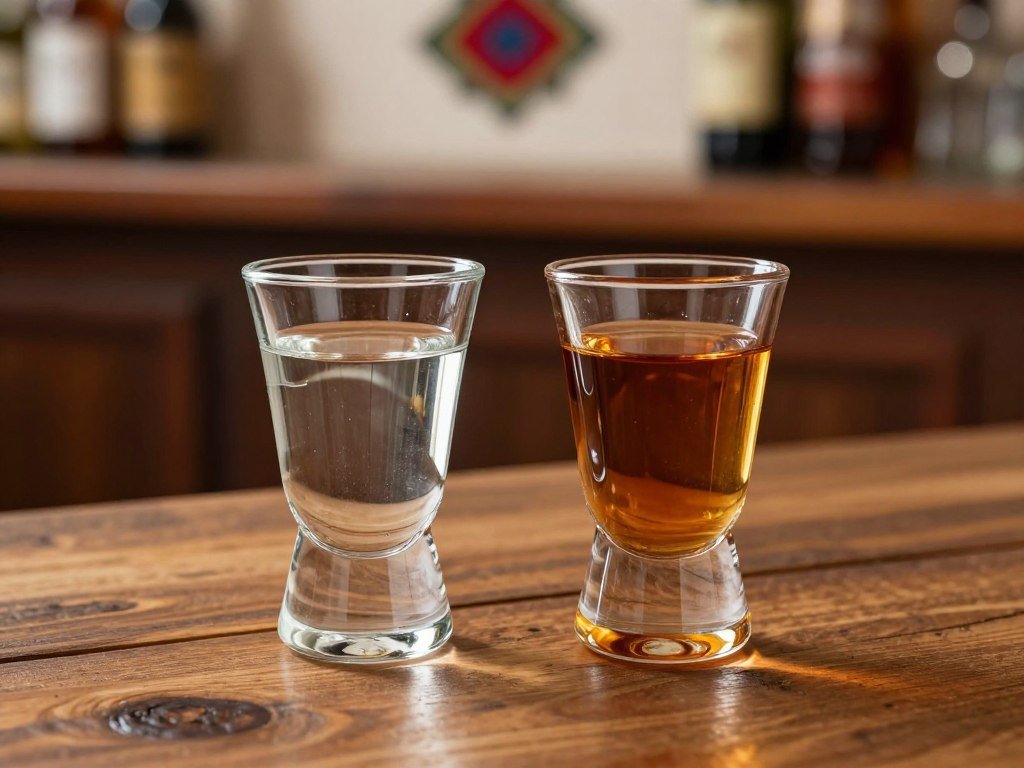
Blanco keeps the focus on agave, while time in oak adds more vanilla, caramel, and wood notes to aged styles. Each category offers a different flavor direction, though the same style can taste different from one brand to another. Aged tequila can still show cooked agave, pepper, or herbs.
Age does not automatically mean better quality. Choose a style for the balance you like, not for the number of years on the label. A well-made aged tequila should still show agave character alongside barrel notes.
| Style | Aging | Typical flavor direction | Common use |
|---|---|---|---|
| Blanco | Unaged or aged for weeks | Agave-forward, pepper, herbs, or citrus | Cocktails or sipping |
| Reposado | 2-12 months | Agave with oak, caramel, or vanilla | Sipping or cocktails |
| Añejo | 1-3 years | Oak and vanilla | Sipping |
| Extra añejo | 3 years or more | More time for barrel influence | Slow sipping |
Blanco tequila is unaged or rested for a short time, so its profile often highlights agave, pepper, herbs, and citrus. It can work in a cocktail or in a glass by itself. Some blancos taste crisp, while others show more earth or sweetness.
Reposado rests in barrels for 2-12 months. That time can add oak, caramel, and vanilla without hiding all the agave flavor. Añejo ages for 1-3 years and often brings more oak and vanilla, making it a common choice for sipping.
Extra añejo spends at least three years aging. The longer barrel stay brings more wood influence, though the flavor depends on the tequila and its barrel time. Keep an eye on the agave notes, not just the oak.
Cristalino starts as aged tequila, then gets filtered clear after maturation. It is a commercial style, not one of NOM-006’s five official classes. A clear color therefore does not always mean the spirit was never aged.
Think of these categories as broad guides, not strict flavor promises. One reposado may have gentle vanilla, while another may lean toward pepper and cooked agave. Choose by the flavor direction you want, not by the assumption that older always means better.
Best Tequila to Drink Straight
For an agave-forward neat pour, start with a blanco; for more barrel character, reach for an añejo. Tequila Ocho Plata is a strong blanco choice for drinkers who want cooked agave, pepper, and bright aromas. It won Best Blanco/Joven at the 2026 World Tequila Awards.
El Tesoro Añejo is a richer sipping pick at about $65 U.S. street price. The right bottle depends on whether you want a direct agave expression or oak, vanilla, and spice. Neither style has to taste smooth to be enjoyable.
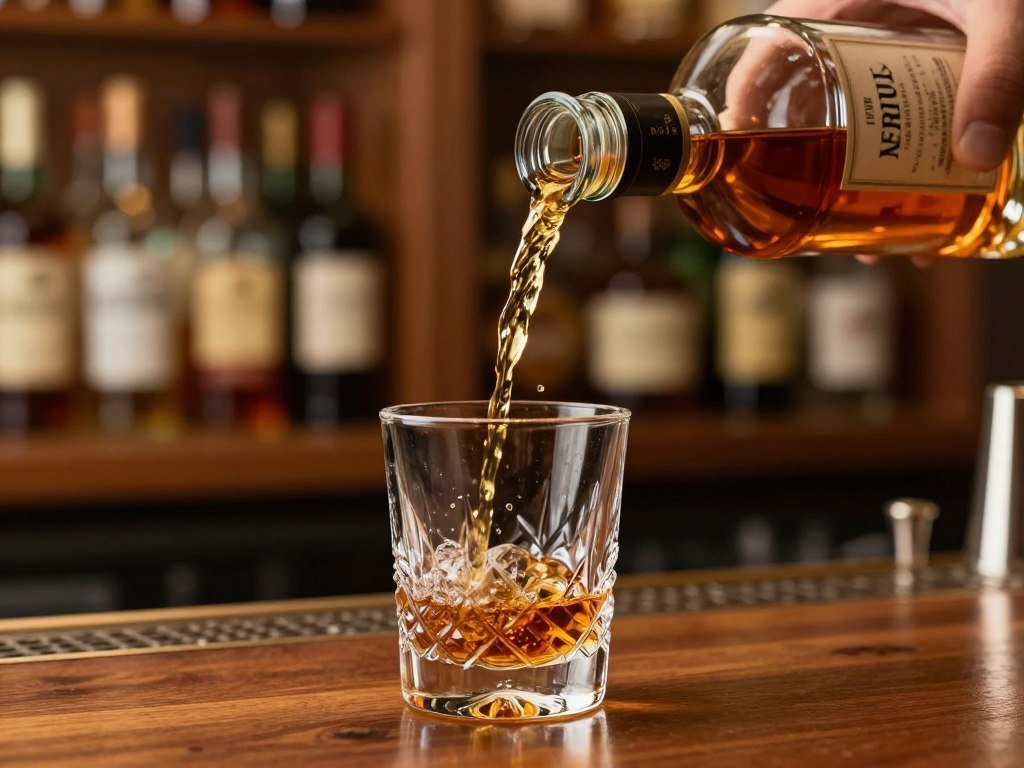
Choose blanco for a bright, agave-forward pour
Tequila Ocho Plata gives the nose a chance to pick up cooked agave, pepper, or herbal notes. Take a small sip and notice how the flavor changes across your palate. The finish may stay bright, or leave a gentle warm note.
Flavor words are personal, and two drinkers may describe the same pour differently. One person may find the pepper lively; another may notice the citrus first. Your aroma, flavor, and finish all help describe what you enjoy.
Choose añejo for a rounder, oak-influenced sip
El Tesoro Añejo is a good option when you want barrel character with tequila still at the center. Its approximate U.S. street price is $65. A slower sip can bring out vanilla, oak, and cooked agave notes.
Use a small pour to compare the nose with the flavor on your tongue. Some drinkers prefer an añejo’s rounder feel, while others find a blanco more vivid. Pour a small amount first, since a short taste is enough to decide whether the agave or oak direction suits you.
Best Tequila for Margaritas and Cocktails
A clean, agave-forward blanco is the easiest starting point for a margarita with fresh lime. Blanco tequila brings agave, pepper, herbs, and citrus notes that can stand up to a bright mixer. Fortaleza Blanco is a top blanco option, at about $65 U.S. street price.
You do not need a costly sipping bottle for every mixed drink. Fresh lime and other mixers can change how strongly the tequila flavor comes through. A cocktail with little mixer lets the spirit’s character remain more noticeable.
Pick a blanco for bright, citrus-led drinks
Blanco’s clear, agave-forward profile makes it a common choice for margaritas. Fortaleza Blanco is a bottle to consider when you want the tequila to remain clear beside citrus. You can also pick a less costly blanco when mixing for a group.
Different recipes shift the balance between tequila and fruit, sweeteners, or other spirits. Fresh citrus can make pepper and agave seem sharper, while stronger mixers may cover subtle notes. Choose a bottle that fits the drink rather than its shelf status.
Use a more distinctive bottle when the spirit leads
Cascahuín Blanco is a newer name to try at about $55 U.S. street price. Tanteo Blanco offers another cocktail-oriented choice and won the 2025 IWSC Tequila Trophy. Both can add distinct agave character where tequila takes the lead.
Match the style to the drink:
- Classic margarita: blanco.
- An oakier or spirit-forward cocktail: reposado.
- A drink where aged richness should stand out: añejo.
Strong mixers can soften a spirit’s aroma, while a simple drink gives its flavor more room. That difference can help you decide whether a distinctive bottle belongs in the recipe. Save a pricey aged pour for a drink where its barrel character will remain noticeable.
Best Tequila for Shots
G4 Blanco is the strongest all-around shot pick, while Arette Blanco and Cimarrón Blanco are lower-priced options. G4 costs about $35-$47, while Arette runs around $25-$30. These blanco picks put agave first without paying for long barrel aging.
The guide’s shot-price sweet spot is $25-$50. All 12 picks are 40% ABV, and a 100% agave blanco usually makes more sense than spending heavily on aged tequila meant for a quick pour.
| Bottle | Use case | Style | Approximate U.S. price |
|---|---|---|---|
| G4 Blanco | Best all-around | Blanco | $35-$47 |
| Arette Blanco | Budget pick | Blanco | $25-$30 |
| Cimarrón Blanco | Party bottle | Blanco | $20-$25 |
| Olmeca Altos Plata | Widely available budget option | Blanco | $22-$26 |
| Tequila Ocho Plata | Premium shot | Blanco | $45-$55 |
Flavor-forward blanco options outside the core picks
LALO Blanco suits people who think they dislike tequila, while Tapatío Blanco is a pick for a bigger flavor. Cascahuín Blanco is an enthusiast option, and El Tesoro Blanco is a traditional-production choice. Each bottle offers a different way to explore agave notes.
Espolòn Blanco is a liquor-store workhorse for easy shopping. Its listed prices conflict, so no price is given here; Cascahuín Blanco also has no price for that reason. The bottles may still be useful to compare by taste and availability.
The shot-guide price range shows why many shoppers may find a good fit without buying a luxury bottle. A quick pour gives less time to notice subtle barrel character, so spending more does not always add much.
When a premium or reposado shot makes sense
Patrón Silver is an easy-to-find premium option when you want familiar brand recognition. El Tequileño Gran Reserva Reposado is the reposado shot pick, at about $40-$55. Oak can make the style rounder, though a blanco remains the common practical choice.
Pick based on the group, your budget, and how much flavor you want in a quick pour. A distinctive blanco can be more satisfying than a costly aged pour taken too quickly. For a quick pour, keep the budget focused on a well-made 100% agave blanco rather than barrel age.
Best Tequila for the Money Under $50
Espolòn Blanco is the clearest low-cost value pick, while Volcan de Mi Tierra Blanco offers another option near the upper end of a $50 budget. Espolòn costs about $20 U.S. street price, and Volcan runs about $35-$50. Both are blanco choices with direct agave flavor.
A lower price does not prove a bottle is the better flavor match. Value depends on the drink you plan to make, your preference for agave or oak, and the shelf price near you. A bottle’s use matters as much as its cost.
Espolòn Blanco is a practical pick if you want a bottle around $20 for cocktails or casual pours. Volcan de Mi Tierra Blanco costs more, but it earned Best Overall and Best Blanco/Joven at the 2025 Top Shelf Awards. The awards add context, not a promise that every palate will agree.
Consider whether the bottle will go into a margarita, a simple mixed drink, or a neat glass. A clear agave taste may be your priority, or you may prefer wood and vanilla from an aged style. These two choices are blanco, so they keep the focus on agave.
Local shelf prices can shift the value comparison. One bottle may cost less in one store, while another is on sale nearby. Compare the bottle’s likely use and the price on your local shelf, not the label design alone.
Best Tequila Reposado for Sipping and Cocktails
Siete Leguas Reposado is the lead pick for a reader who wants a rested tequila for sipping. It costs about $53 U.S. street price and offers gentle oak alongside agave. The added barrel notes can bring caramel or vanilla without requiring a heavily aged profile.
Reposado can feel rounded while still letting agave show through. It suits a slow sip, but it can also work in mixed drinks when you want more oak than a blanco provides.
These three bottles offer different reasons to consider a reposado:
- Siete Leguas Reposado for sipping.
- El Tesoro Reposado, with 93 points and Gold at the 2025 Bartender Spirits Awards.
- El Tequileño Gran Reserva Reposado for a shot or mixed-use pour, about $40-$55.
Gentle oak can add caramel or vanilla notes without making the tequila taste like a barrel first. If you enjoy cooked agave and pepper, a light oak note may add interest rather than cover them. Your preferred balance matters more than a strong wood flavor.
El Tesoro’s award offers one point of comparison, while Siete Leguas is the lead pick for a relaxed sip. El Tequileño gives you a reposado option across quick pours and mixed drinks. Pick a reposado when a little oak roundness sounds appealing but you still want agave to show through.
Which Añejo Tequila Is Worth Sipping?
Tequila Ocho Añejo is the clearest category pick for a reader who wants an award-winning aged pour. It won Best Añejo at the 2026 World Tequila Awards and suits a drinker who wants barrel character without losing tequila’s agave identity.
1800 Milenio is an extra añejo choice for a special occasion. It won Best Extra Añejo at the 2025 World Tequila Awards. Its age style offers a slower, richer experience than a bright blanco.
Pick añejo for a richer, slower pour
Tequila Ocho Añejo is a useful place to start if you want oak and agave in the same glass. A slower sip gives the aroma time to show vanilla, spice, or cooked agave. The balance will depend on your palate and the pour.
Añejo does not have to taste like a dessert or a heavy barrel. Some drinkers enjoy subtle vanilla and oak, while others want more pepper or agave. Choose a bottle that lets the notes you like remain clear.
Reserve extra añejo for a special occasion
1800 Milenio earned its award in the extra añejo category, which is suited to slow sipping. That recognition can help narrow a choice when you enjoy mature barrel notes. It cannot make an aged spirit taste right to every drinker.
Award recognition does not make either bottle the right pick for someone who prefers bright blanco or a low-cost cocktail pour. You may enjoy the category more than one specific brand, or prefer a lighter style entirely. Sip aged tequila slowly enough to notice whether the oak complements the agave or overwhelms it.
Which Tequila Is Best for Beginners?
A beginner can start with a blanco that tastes clean and balanced rather than jumping straight to a heavily aged or high-proof bottle. Blanco makes a direct first style to explore, with agave notes that can include pepper, citrus, herbs, or sweetness.
LALO Blanco is a choice for people who think they dislike tequila. Teremana, a celebrity-backed brand, costs about $30 U.S. street price. A blind tasting of 16 blanco tequilas included LALO, but one tasting cannot name a universal beginner winner.
Try these cues when you choose your first pour:
- Start with a small pour.
- Choose agave-forward or oak-led based on your preference.
- Do not assume every blanco tastes alike.
Aroma can hint at what you may taste, but the nose and palate do not always agree. One blanco may feel peppery, while another seems softer or sweeter. That variety is why a small taste can teach you more than a label alone.
The 16-blanco blind tasting included LALO among the bottles assessed. That detail gives the brand a point of comparison, not a score for every new drinker. Try a small pour before buying a second bottle in the same style.
Which Tequila Brands Lead the 2026 Blind Ranking?
Cascahuín led the Summer 2026 blind ranking, followed by G4, Fortaleza, Lágrimas del Valle, and Tapatío. The result gives you names to explore, rather than a sales chart or a rule for choosing a flavor.
The ranking used scores from 15 reviewers who assessed more than 350 brands. At least seven reviewers had to taste a brand for it to qualify. Each brand’s highest and lowest reviewer scores were removed before the remaining scores were averaged.
The five brands at the top of the ranking
| Rank | Brand | Ranking position |
|---|---|---|
| 1 | Cascahuín | First |
| 2 | G4 | Second |
| 3 | Fortaleza | Third |
| 4 | Lágrimas del Valle | Fourth |
| 5 | Tapatío | Fifth |
The Summer 2026 ranking drew on individual blind scores, not brand popularity at stores. Its method asked multiple reviewers to assess each qualifying brand, then removed the highest and lowest scores. That can reduce the effect of one unusually high or low rating.
Five more brands to consider across styles
Tequila Ocho, Espolòn, Siete Leguas, El Tesoro, and LALO add a useful shortlist across styles. These names are not ranks six through ten; they are more brands to compare for different uses and flavor preferences.
The ranking page describes its Summer 2026 brand ranking and its reviewer method. A blind result can help you make a shortlist, but it does not tell you which style belongs in your glass. Use the ranking as a list of bottles to explore, not as a substitute for choosing the style you enjoy.
What Do Tequila Ratings Actually Measure?
A tequila score is a judgment of sensory qualities, not a promise that the bottle is the best value for your budget. The rating dimensions are aroma, flavor, finish, and character, giving sensory notes more weight than shelf price.
In the first half of 2026, 87 bottles scored 90 points or above across more than 200 reviews. That count shows how many bottles reached a high score, not which one will suit your preferred flavor profile.
Read the score as a sensory judgment
Aroma refers to what you smell, while flavor describes what reaches the palate. Finish covers the taste and feel after swallowing, and character captures the spirit’s overall impression. These qualities can help you compare bottles within a similar style.
A separate blind tasting assessed 29 popular blanco brands by aroma and taste, while setting aside price and marketing. That method can focus attention on the spirit, but it does not show how much value each bottle offers.
Separate a high score from a good price
About 30% of reviews were rated Excellent at 91 points or higher. About 60% were Good at 81-90, and 10% were Pass at 80 or below.
As of June 2026, scores ranged from 57 to 98 points. Those ratings assess aroma, flavor, finish, and character, not value or price. A high score alone cannot show whether the bottle suits your budget or planned drink.
Ratings can make a broad comparison easier, but the same score may mean different things across styles. A peppery blanco and a vanilla-led añejo offer different experiences, even if their points match. Compare a rating with the flavor style you want and the price you are willing to pay.
What Do Tequila Labels and Alcohol Proof Mean?
A bottle’s ABV tells you how much alcohol it contains, while its agave wording tells you whether other permitted sugars may be part of the fermentable mix. ABV means alcohol by volume, and proof is another way to state strength. These label details answer different questions.
Tequila sold in the United States is generally at least 40% ABV, or 80 proof. That common U.S. level differs from Mexico’s permitted bottling range of 35%-55% ABV.
Read the alcohol number
ABV gives the percentage of a drink that is alcohol by volume. Proof is twice the ABV number, so 40% ABV equals 80 proof. A higher number means a stronger concentration of alcohol in the same amount of liquid.
Most tequila sold in the United States is at least 40% ABV. Mexico’s standard allows bottling from 35%-55% ABV. The permitted range and the common U.S. level are not the same rule.
Check the agave sugar wording
A bottle labeled only “tequila” must get at least 51% of its fermentable sugars from blue Weber agave. Up to 49% may come from other permitted sugars. This category is called mixto.
A “100% agave” label means the fermentable sugars come from blue Weber agave. That wording helps distinguish it from a mixto, but it does not tell you whether you will like the flavor. Check both the ABV and the 100% agave wording before comparing two bottles.
Where Can Tequila Be Made, and What Shapes Its Flavor?
Tequila can be made in designated parts of five Mexican states, with all of Jalisco included. Production is permitted throughout Jalisco and in specified municipalities in Guanajuato, Michoacán, Nayarit, and Tamaulipas. That place of origin gives context, not a simple quality ranking.
Agave-growing place and production choices can shape different flavor profiles. They may affect aroma, cooked agave notes, and other parts of the spirit’s character. No one region guarantees that every bottle will taste alike.
Production is limited to designated Mexican regions
Jalisco is the only state where production is allowed across the entire state. The other permitted states have specific municipalities where tequila production may take place. The geography links the spirit to defined growing and production areas.
Within those regions, makers can use different ways to cook, ferment, and distill agave. Those choices can lead to different notes in the glass. Origin helps explain a bottle’s background, but it cannot predict every flavor detail.
Agave supply and market demand affect the industry
Blue Weber agave prices had fallen to low single-digit pesos per kilo by 2024, after reaching about 32 pesos per kilo at the 2021 peak. The sharp change shows how supply and demand can shift across the industry.
Tequila had become the second most valuable spirit in the United States, surpassing American whiskey. That position makes agave supply and demand worth understanding, especially as interest in tequila grows. It is context about the industry, not a forecast of future prices.
The place where agave grows and the choices made at the distillery can both affect the flavor in your glass. Some bottles may show more cooked agave or spice, while others highlight different notes. Treat origin as context for flavor, not as a guarantee that every bottle from a region will taste alike.
How Should You Taste Tequila at Home?
A small tulip-shaped glass and a room-temperature pour make it easier to notice aroma before alcohol fumes dominate. A Glencairn is a tulip-shaped spirit-tasting glass, though a small glass with a narrower opening works too. Room temperature helps you notice flavor without ice muting it.
A small primer sip can help your palate adjust before more tasting. You do not need specialist tools or a large pour to compare aroma, flavor, and finish.
Use these four steps to taste a pour:
- Pour a small amount into a Glencairn or small glass with a narrow opening.
- Smell gently with your mouth slightly open.
- Take a small first sip, then a few more sips to identify flavor.
- Notice the finish after swallowing.
Keep the glass at room temperature, since ice can mute flavor. If you do not have a Glencairn, a standard small glass is adequate. A narrow opening helps gather aroma without making special glassware a requirement.
A 2026 blind tasting compared 16 blanco tequilas priced from $21.99 to $54.99. That range describes the bottles in that tasting, not a current market price guide. Compare scents and flavors at your own pace instead of trying to name every note.
Take notes on aroma, flavor, and finish separately so the next bottle is easier to compare.
Write down a few words after each sip, such as pepper, citrus, or vanilla. Separate the first smell from the taste and the finish that follows. Over time, your notes can help you spot the profile you prefer.
Conclusion
The most useful first choice is the bottle that fits the way you actually plan to drink it. Your preferred balance of agave and oak matters more than a high price or a famous name. A cocktail, neat pour, or gift can call for different styles.
Choose one bottle that fits your budget and intended use. Pick one style, pour a small taste, and note what you enjoy before choosing your next bottle.
FAQ
Which is the smoothest tequila?
Smoothness depends on your palate, though Patrón Silver was described as gentle and velvety in a blind tasting. A reposado can feel rounder because oak adds a softer edge to its flavor. Some drinkers still prefer the brighter, sharper character of blanco. Try a small pour and notice whether the finish feels warm, peppery, or easygoing to you.
What are the top 5 selling tequilas?
A top-five sales list needs a defined year and a measure, such as sales value or bottle volume. Blind-tasting rankings do not establish which brands sell the most. Sales can also vary by store, state, and time period. A tasting result can help you explore flavor, but it cannot stand in for a sales ranking.
What are the top 20 tequilas?
A practical mixed-use shortlist includes Fortaleza Blanco, Espolòn Blanco, Siete Leguas Reposado, El Tesoro Añejo, Teremana, Cascahuín Blanco, G4 Blanco, Arette Blanco, Cimarrón Blanco, LALO Blanco, Tapatío Blanco, Tequila Ocho Plata, Olmeca Altos Plata, El Tesoro Blanco, Patrón Silver, El Tequileño Gran Reserva Reposado, Volcan de Mi Tierra Blanco, Tanteo Blanco, Herradura Reposado, and 1800 Milenio. It is not a universal ranking; styles and uses differ.
What are the 5 best tequilas?
Useful category picks are Fortaleza Blanco for blanco, Tequila Ocho Plata for agave-forward sipping, Siete Leguas Reposado for reposado, El Tesoro Añejo for sipping, and Espolòn Blanco for value. These bottles cover different jobs rather than claiming one shared flavor profile. The best fit depends on whether you want a neat pour, a cocktail, or an affordable everyday bottle.
What is a top shelf tequila?
“Top shelf” is a retail term, not an official tequila class. A thoughtful choice has 100% agave, clear production details, and a balanced flavor that suits the drinker. A high price or decorative bottle does not prove quality. Compare what is inside the bottle with the way you plan to serve it.
What is the highest quality tequila?
A strong practical quality check is 100% Blue Weber agave, a clear NOM, and a flavor profile that suits you. A NOM identifies the distillery, but does not rate its tequila. Awards can point toward bottles to try, while age changes flavor rather than guaranteeing quality. Your own preference matters when choosing between agave-led and oak-led styles.
What is the #1 tequila?
El Jefe Luis Extra Añejo holds the 2026 World Tequila Awards’ World’s Best Tequila title. Its approximate price is $300-$325, and its extra añejo style makes it a costly special-occasion choice. That award does not make it the best bottle for every use. A blanco or reposado may fit cocktails or everyday sipping better.



