
What if you need to pay rent, send cash to a relative, or settle a bill, and the person on the other end won’t take a personal check? That’s usually the moment people start hunting for a money order near them. And since CVS is on almost every corner, the natural question follows: can you actually buy a CVS money order at the register, and what does it cost you?
The short answer is yes, but the details are where people get tripped up. Fees, limits, payment methods, and the paperwork you need to keep all matter more than most shoppers expect. Here’s a practical walk-through of how CVS money orders work, where they fit among alternatives, and the mistakes that cost people time and money.
What a CVS Money Order Actually Is
A money order is a prepaid payment instrument. You hand over cash (plus a fee), and in return you get a paper document that works much like a check. The recipient deposits or cashes it, and the money clears through the issuing institution rather than your personal bank account.
That structure is exactly why money orders are popular. They don’t require a bank account, they don’t expose your account number to a stranger, and they’re widely accepted for rent, utilities, and small transactions. CVS sells them in-store at the customer service desk or front register, which makes them convenient for people who already shop there.
One thing worth understanding up front: CVS is a retailer, not a bank. The money orders it sells are issued through a third-party money transfer provider. That distinction matters enormously if something goes wrong, because a lost or stolen money order claim goes through that provider, not through CVS corporate.
Money Orders Are Regulated Financial Instruments
It helps to know that money orders aren’t just fancy receipts. Under U.S. federal rules, they’re classified as monetary instruments, which means issuers and sellers carry recordkeeping and reporting obligations. The relevant framework sits in the Bank Secrecy Act regulations, and the electronic Code of Federal Regulations lays out the FinCEN rules on monetary instruments in detail if you want to see how the government defines and tracks them.
For you as a buyer, the practical takeaway is simple: expect to show ID for larger purchases, expect some transactions to be logged, and don’t be surprised if a store declines an unusual request. Those aren’t personal slights. They’re compliance.
What to Expect at the Counter
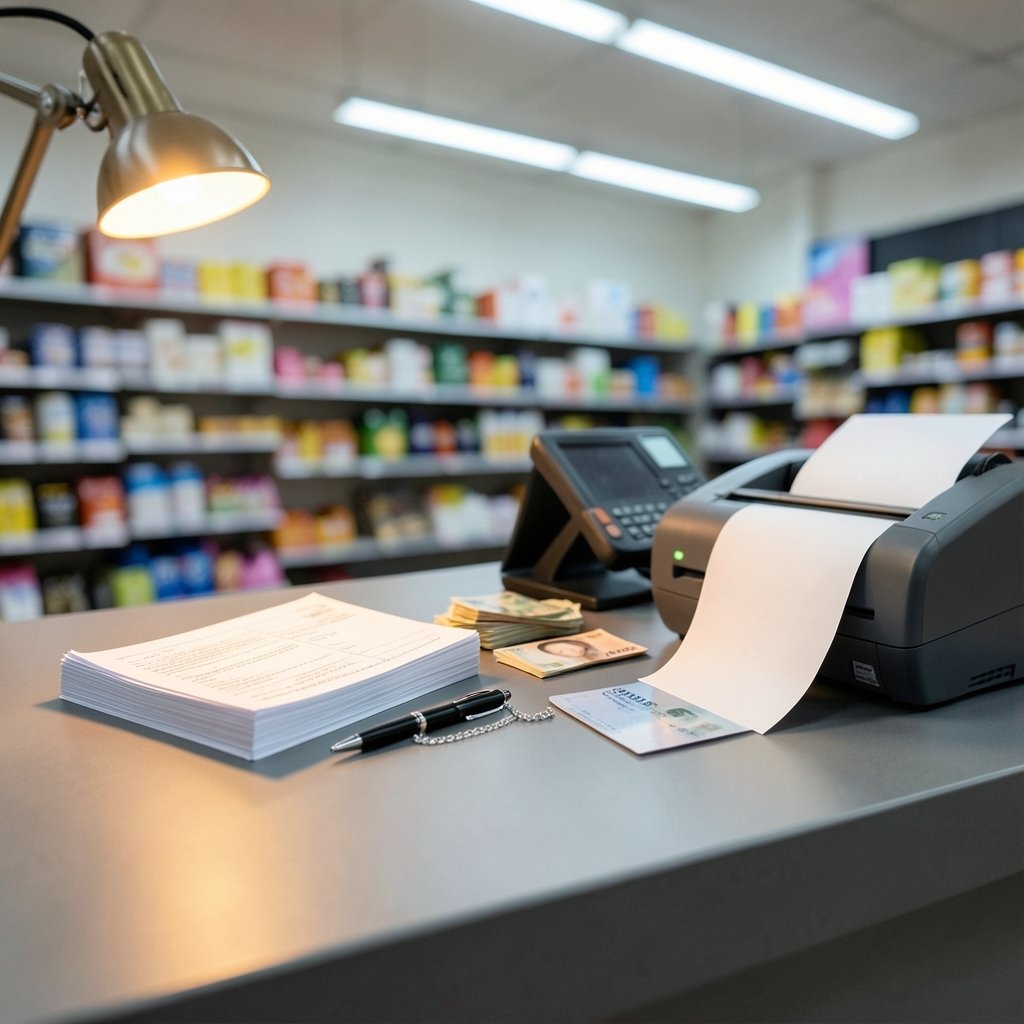
Buying a CVS money order is a short, mostly painless process, but knowing the sequence saves you a second trip.
- Bring cash. Money orders are overwhelmingly a cash product at retail. Some locations may accept debit, but credit cards are almost never allowed, because a credit card purchase of a money order is essentially a cash advance with extra fraud risk.
- Go to the customer service desk or ask at the front register where money orders are handled. Not every employee at every store handles them, and some locations route all money services to one counter.
- Bring a photo ID. For anything above a modest amount, identification is standard practice across the industry.
- Know the payee name. You’ll fill in the recipient’s name and often your own address. Spelling errors are a real problem, so slow down here.
- Pay the fee and keep the receipt. The receipt is your proof of purchase and your lifeline if the money order is lost.
Limits and Fees: Verify Before You Rely on a Number
Here’s where honesty matters more than a tidy answer. CVS money order fees and per-order limits vary by location and change over time. Retail money orders in the U.S. commonly cap around $500 per instrument, and per-order fees at large retailers have historically landed in the low single digits. But you should confirm the current figure at your specific store or on CVS’s own services information before you build a plan around it.
If you need to send more than the per-order cap, you’ll buy multiple money orders, and you’ll pay the fee each time. That math is worth doing before you commit. Three money orders at a few dollars each is a very different cost than one.
CVS Money Orders vs. the Alternatives
CVS isn’t the only game in town, and for some situations it isn’t the best one. Here’s how the main options stack up.
| Option | Typical per-item limit | Where to get it | Best for |
|---|---|---|---|
| CVS money order | Commonly around $500 (verify locally) | In-store, customer service desk | Quick, local payments with cash |
| USPS money order | $1,000 domestic | Post office | Larger amounts, strong consumer protections |
| Bank cashier’s check | No fixed retail cap | Your bank | Large payments, home purchases |
| Bank money order | Varies | Your bank | Customers who want a paper trail at their institution |
| Check-cashing or wire service | Varies | Storefronts, apps | Speed, but often higher cost |
The USPS money order deserves special mention. The Postal Service publishes its own fee schedule and domestic limit, and its money orders are backed by a federal agency with a well-documented claims process for lost or stolen items. For a payment of several hundred dollars, that structure can be worth the extra trip. You can read the Postal Service’s own money order terms, limits, and replacement procedures for the current details.
Banks remain the right choice for large sums. A cashier’s check for a security deposit or a down payment is cheaper than stacking ten money orders, and the recipient’s bank will treat it with more confidence.
The Cost Nobody Talks About: Fraud
Money orders are a favorite tool of scammers, and this is the part of the conversation that saves people the most money. The classic pattern works like this: someone sends you a money order for more than they owe, asks you to deposit it and wire back the difference, and the money order turns out to be counterfeit. By the time your bank reverses the deposit, your wire is gone. (Money transfers and remittances)
The same logic shows up in gift card scams, where victims are told to pay a debt or a fine with gift cards and read the codes aloud. Recovery in those cases is rare, and the money usually moves too fast to claw back. If a stranger insists on a money order or gift card as the only payment method, treat that as a warning sign rather than a convenience.
The Federal Trade Commission publishes consumer guidance on money order scams and how payment fraud typically unfolds, and it’s worth ten minutes of reading before you send money to anyone you haven’t met in person. A few habits that genuinely work:
- Never accept a money order from someone you don’t know and deposit it before the funds clear.
- Never send back “overpayment” by wire, gift card, or cash app.
- Keep the receipt and the stub for every money order you buy.
- Photograph the completed money order before you hand it over.
- Verify the payee name character by character.
If Your Money Order Is Lost or Stolen
This is where the third-party issuer matters. A lost or stolen money order requires a claim with the issuing provider, usually with the receipt, the serial number, and sometimes a fee for replacement or a stop payment. Processing can take weeks. Without the receipt, the process gets much harder, and in some cases impossible.
The practical rule: treat the receipt like cash. Fold it into your wallet, photograph it, and don’t toss it until you’ve confirmed the recipient cashed the money order. If you’re the kind of person who loses receipts, buy money orders somewhere that can look up the transaction by your ID and date.
Practical Tips That Save Time and Trouble
A few habits separate a smooth money order errand from a frustrating one.
Call ahead. Store services vary. A location that sold money orders last year may have changed providers, and the employee answering the phone can tell you whether the desk is open and what payment methods it takes.
Go early in the day. Money order inventory can run out, and customer service desks get busy around lunch and after work. A morning trip is usually faster.
Buy the exact number you need. Each money order carries its own fee, so splitting a $480 payment into two $240 orders just doubles your cost for no benefit.
Fill it out carefully and in pen. No pencil, no corrections, no scribbles. A money order with a crossed-out payee can be refused by the depositing bank.
Keep your own record. Write down the serial number, date, amount, and payee. If a dispute arises, that note is worth more than your memory.
If you’re managing money carefully and looking at broader options for handling payments and side income, it helps to understand where small costs accumulate. The same discipline that makes a money order purchase cheap, meaning knowing the fee before you commit, applies to bigger financial decisions too, whether that’s evaluating how identity threat detection really costs and where the money goes or thinking through how to make money with AI without falling for inflated promises.
Where Money Orders Fit in a Bigger Financial Picture
Money orders are a bridge product. They serve people without bank accounts, people who need to pay a landlord who won’t take checks, and people sending small sums to family. They’re not a savings tool and not an investment, and the fees add up if you use them monthly.
For anyone thinking about the future of payments, it’s worth knowing that central banks are exploring digital alternatives. A CBDC, or central bank digital currency, is government-issued money going digital, and if such systems arrive, the paper money order could look increasingly old-fashioned. For now, though, the paper instrument still works, and it still clears.
One more practical note for households watching expenses: the same “know the fee before you commit” principle applies to event planning, travel, and big purchases. Couples planning a wedding, for example, can choose a wedding venue with a practical guide that saves money and stress by asking about deposit methods and cancellation terms up front, which is exactly the kind of question a money order buyer should ask at the counter.
Common Mistakes People Make
The errors repeat, and they’re all avoidable.
- Assuming the fee is the same everywhere. It isn’t, and it changes.
- Trying to pay with a credit card. Expect to be turned away.
- Losing the receipt. This is the single biggest cause of failed claims.
- Spelling the payee’s name wrong. Banks can reject a mismatched name.
- Sending a money order to a stranger who “overpaid.” This is fraud, nearly every time.
- Not checking whether the recipient can actually cash it. Some landlords and agencies only accept certain instruments.
Conclusion
A CVS money order is a genuinely useful tool: fast, cash-based, and available at a store most people pass weekly. But it’s a tool with sharp edges. The fee is real, the per-order limit means large payments require multiple instruments, and the receipt you’re tempted to toss is the only thing standing between you and a lost claim.
The smart approach is unglamorous. Confirm the current fee and limit at your specific store, bring cash and ID, fill out the payee name carefully, and keep the receipt until you know the money landed. If the amount is large, compare against a USPS money order or a bank cashier’s check before you commit. And if anyone you don’t know insists on a money order as payment, slow down and ask why. That single habit prevents more losses than any other.
FAQ
How much does a CVS money order cost?
Fees vary by location and change over time, so the only reliable answer comes from your specific store or CVS’s current services information. Retail money order fees at large U.S. chains have historically fallen in the low single digits per order, but treat any specific number you hear secondhand as unverified until you confirm it at the counter.
What is the maximum amount for a CVS money order?
CVS money orders are commonly capped around $500 per instrument, consistent with standard retail limits, though the exact figure can vary by store. If you need to send more, you’ll purchase multiple money orders and pay the fee on each one, which is why comparing against a USPS money order or bank cashier’s check makes sense for larger sums.
Can I buy a CVS money order with a credit card?
Generally no. Money orders at retail are a cash product, and some locations may accept debit cards. Credit cards are almost never accepted because a credit card purchase of a money order functions like a cash advance and carries elevated fraud risk. Bring cash to avoid a wasted trip.
Do I need ID to buy a money order at CVS?
Expect to show a photo ID, especially for larger amounts. Money orders are classified as monetary instruments under federal anti-money-laundering rules, which means sellers have recordkeeping obligations and may log transactions. Bringing ID as a matter of habit keeps the process moving.
What happens if I lose my CVS money order receipt?
It gets much harder. Because CVS money orders are issued through a third-party provider, a lost or stolen claim goes through that provider, and the receipt plus serial number are usually essential. Without them, the claim may be delayed or denied. Photograph the receipt and the completed money order before you hand it over.
Is it safe to accept a money order from a stranger?
Treat it with suspicion. Counterfeit money orders are a common fraud tool, and the “overpayment” version, where someone sends too much and asks for the difference back by wire or gift card, is a classic scam with very low recovery rates. Wait for funds to clear through your own bank before releasing anything of value.



