
What if the refrigerator that could save you $800 upfront ends up costing you $400 a year in electricity? That math is exactly why the used appliance market in Orlando deserves more than a quick glance at a price tag. Central Florida has a steady supply of secondhand refrigerators, washers, dryers, and stoves flowing through independent shops, warehouse outlets, and online listings. The deals can be genuinely good. They can also be a headache wrapped in stainless steel.
This guide walks through how the local market actually works, what to inspect in person, where the legal and tax details matter, and how to avoid the listings that look too good to be true. No hype, no scare tactics, just the practical stuff that separates a smart purchase from an expensive lesson.
Why Orlando Has a Deep Used Appliance Market
Orlando is a transient city. Hospitality and theme-park workers relocate often, students cycle through every semester, and renters move between apartments more frequently than homeowners in slower markets. Every move creates turnover in household goods, and appliances are bulky enough that people often sell rather than haul them.
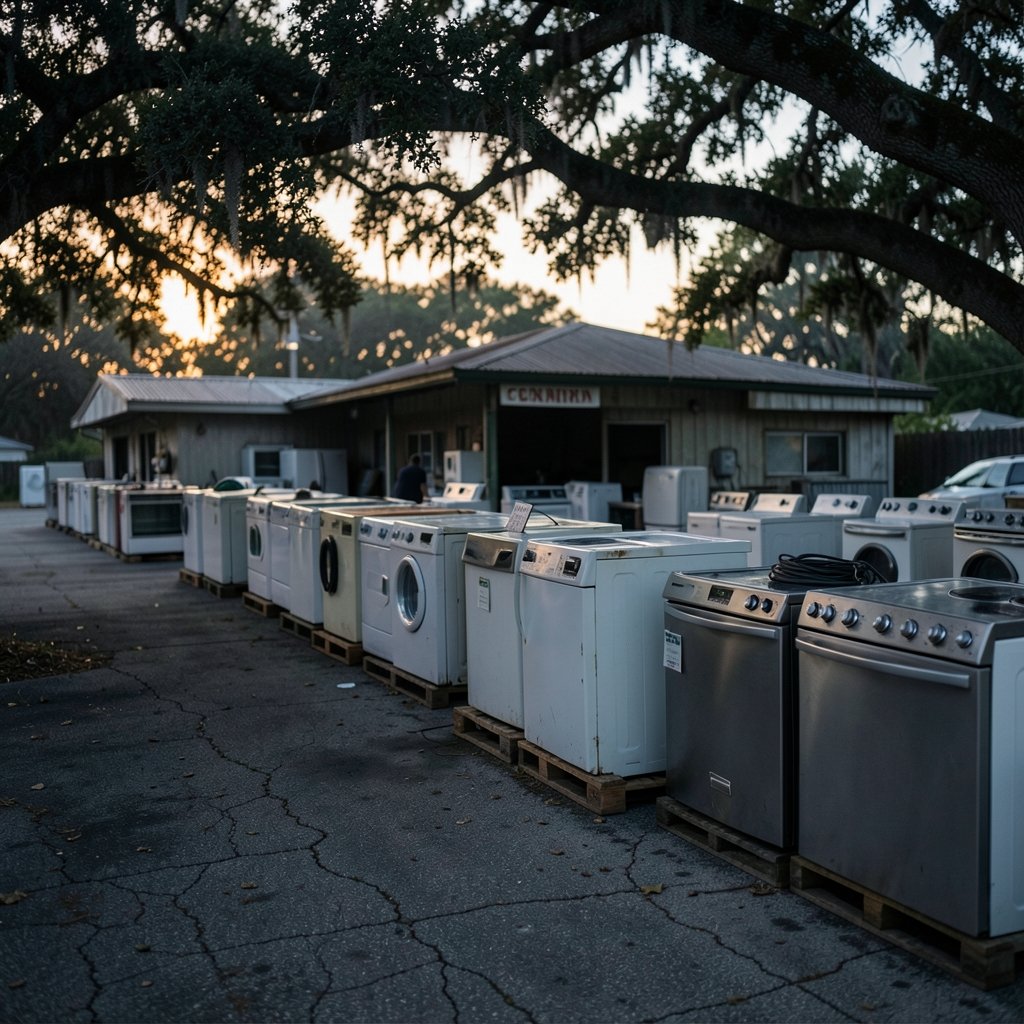
That churn feeds a fragmented market. Buyers will not find a national chain dominating used appliance sales here. Instead, the landscape is made up of independent shops, warehouse-style outlets, repair businesses that resell refurbished units, and peer-to-peer listings. That fragmentation cuts both ways. Competition keeps prices reasonable, but quality control varies wildly from one seller to the next. A shop that tests every unit before it leaves the door and one that sells “as seen” from a loading dock can sit two miles apart.
The practical takeaway: in Orlando, the seller matters as much as the appliance. Buyers who treat every purchase as a seller-vetting exercise do better than those who chase the lowest sticker price.
New vs. Used: Running the Real Numbers
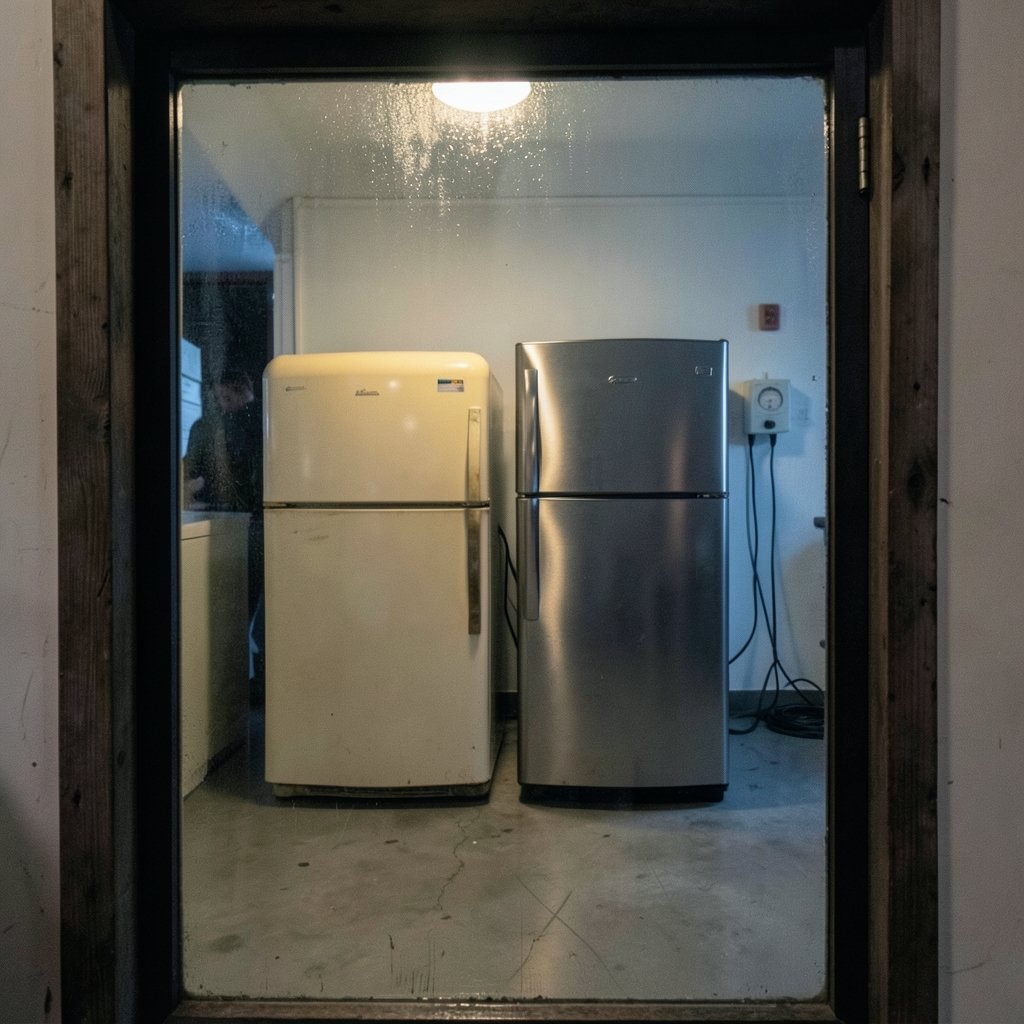
The upfront savings on used appliances are obvious. The long-term costs are where people get surprised. Older refrigerators in particular can consume meaningfully more electricity than modern efficient models, and that gap shows up every month on the utility bill. A unit priced $300 below a newer one can erase that discount within a couple of years if it runs inefficiently.
| Factor | New Appliance | Used Appliance |
|---|---|---|
| Upfront cost | Highest | 30–60% lower, typically |
| Warranty | Full manufacturer coverage | Often 30–90 days at dealer discretion, or none |
| Energy use | Meets current efficiency standards | Varies widely by age and model |
| Delivery and installation | Usually included or discounted | Often billed separately |
| Repair risk | Low in early years | Higher, especially past 8–10 years |
| Haul-away of old unit | Commonly included | Sometimes offered, not guaranteed |
The honest framing is that used appliances make the most sense for renters, landlords furnishing units, short-term rental operators, and anyone who needs a working appliance now without financing a new one. They make less sense for a household planning to stay put for a decade and wanting predictable energy bills.
What to Inspect Before Money Changes Hands
A showroom test is not the same as a real-world test. Sellers know this, and the good ones will let buyers dig in. Anyone who rushes the inspection is telling you something.
- Power it on and let it run. For refrigerators, confirm the compressor kicks in and the interior actually cools. A unit that feels cold because it sat in air conditioning proves nothing. Give it ten minutes.
- Check every function, including secondary ones. Ice makers, water dispensers, all burner settings, oven broilers, dryer heat cycles, and every wash cycle on a washer. Partial testing is how people end up with a stove that only works on two burners.
- Inspect door seals closely. Run a hand around the gasket on a refrigerator or freezer. Gaps or stiffness mean cold air escapes and the compressor works harder. Gaskets are replaceable, but factor the cost in.
- Listen for the compressor and motor. A steady hum is normal. Rattling, knocking, or a compressor that cycles on and off rapidly are warning signs.
- Look for rust, water stains, and prior repairs. Rust around the bottom of a washer or along a refrigerator’s door frame hints at leaks. Mismatched parts suggest a unit was rebuilt from pieces.
- Confirm the model and serial plate. Photograph it. The serial number tells you the manufacturing date, which drives both repair parts availability and energy expectations.
- Get the warranty and return policy in writing. Verbal promises are hard to enforce. If a dealer offers a 60-day warranty, the terms should be on the receipt.
People shopping for larger vehicles often use a similar discipline. The same mindset behind a careful used Subaru Ascent check before you buy one applies here: verify condition first, negotiate second. (Why are gpus used for ai)
The Legal and Tax Details Buyers Overlook
Florida’s sales tax applies to retail sales of tangible personal property, and that includes used appliances sold by dealers. The state rate is 6%, with county surtax added on top. Orange County’s current surtax rate should be confirmed before budgeting, since rates change. Private peer-to-peer sales generally do not carry the same collection obligation, which is part of why online listings can look cheaper than they really are once delivery is added.
Warranty protection is the murkier area. Florida’s implied warranty of merchantability applies to sales by dealers, but the protection is weaker for used goods than new ones, and “as-is” language can limit remedies. There is no confirmed statewide mandate requiring a minimum warranty period on used appliances. That means the written terms on the receipt are doing most of the work. Buyers who ask “what happens if this dies in three weeks?” before paying get a clearer answer than those who ask after.
One more detail with real teeth: appliances containing older refrigerants such as R-22 fall under federal recovery and disposal rules. Servicing or reselling certain older units can carry restrictions, and the rules have shifted over time. A dealer who cannot explain the refrigerant situation in an older refrigerator is a dealer worth skipping.
Pricing, Delivery, and the Costs That Sneak Up
Sticker price is only part of the total. In the Orlando market, delivery and installation are typically separate charges, and haul-away of the old unit is often offered but not guaranteed. A $250 washer with $90 delivery and no haul-away can cost more than a $320 unit from a shop that includes both.
Smart buyers ask three questions before agreeing to anything: Does the price include delivery to my address, does it include hookup, and will you take the old unit away? Getting those answers in writing prevents the classic surprise where the truck arrives and the total jumps by a third.
There is also a seasonal angle. Demand spikes when students arrive and when rental turnover peaks, which can push prices up and inventory quality down. Shopping in quieter stretches tends to produce better selection and more negotiating room.
Spotting Scams and “Too Good to Be True” Listings
Consumer protection agencies regularly flag used-goods scams, and appliances are a common vehicle. The patterns repeat:
- Payment before inspection. Requests for deposits via payment apps before the buyer sees the unit are the single biggest red flag.
- Stock photos instead of the actual unit. Ask for a photo of the model plate next to a piece of paper with today’s date.
- Prices far below market. A working stainless refrigerator listed at a quarter of typical price is bait until proven otherwise.
- Pressure tactics. “Three other people are coming today” is a sales script, not a fact.
- No physical address. Warehouse sellers should have one. A seller who only communicates through a messaging app and meets in parking lots is a risk.
The same skepticism that helps people avoid bad deals in other consumer categories applies here. Anyone who has sorted through used car deals knows the rhythm: verify the seller, verify the item, and never let urgency override judgment.
Refurbished vs. Used: Know the Difference
These two words get used interchangeably, and they should not be. A used appliance is simply a previously owned unit, sold in whatever condition it arrived. A refurbished appliance has been inspected, cleaned, and had failed components repaired or replaced before resale. Refurbished units usually cost more and usually come with a short written warranty.
For buyers, the distinction matters because it changes what to ask. With a used unit, the question is “what did you check?” With a refurbished unit, the question is “what did you replace, and what warranty covers it?” A dealer who can answer specifically, naming parts and timeframes, is running a real refurbishment operation. One who says “we looked it over” is not.
Matching the Appliance to the Space
Orlando’s housing stock ranges from older bungalows with tight kitchen layouts to new-build apartments with standard cabinet openings. Measuring before buying sounds obvious and gets skipped constantly. Door swing clearance, depth with the door open, and whether the unit fits through the entry path all matter. A great deal on a refrigerator that will not clear the doorway is not a deal.
For rentals and short-term units, durability and simple repairs matter more than features. Mechanical controls outlast digital boards in many cases, and parts for common brands are easier to source. Landlords furnishing multiple units often standardize on one or two brands for exactly this reason.
Conclusion
Used appliances in Orlando offer real value, but only to buyers who treat the purchase as an inspection project rather than a bargain hunt. The market rewards preparation: knowing the seller, testing every function, confirming the model plate, getting warranty terms in writing, and pricing delivery and haul-away into the total. Energy costs and refrigerant rules are the two details most people miss, and both can quietly change the math on an otherwise attractive deal. Do the checks, ask the uncomfortable questions, and the savings are genuine. Skip them, and the cheap refrigerator becomes the most expensive thing in the kitchen.
Frequently Asked Questions
How much can buyers typically save on used appliances in Orlando?
Savings commonly run 30–60% below new retail, depending on age, condition, and brand. The real comparison should include delivery, installation, haul-away, and expected energy costs, since those extras can shrink the gap considerably.
Do used appliances from Orlando dealers come with a warranty?
Sometimes. Many dealers offer limited coverage, often in the 30–90 day range, but this is at the dealer’s discretion rather than a statewide requirement. Florida’s implied warranty of merchantability applies to dealer sales, yet “as-is” language can limit remedies, so the written terms on the receipt are what actually protect the buyer.
Is sales tax charged on used appliances in Florida?
Yes, when a dealer sells them. Florida applies a 6% state sales tax to retail sales of tangible personal property, plus any applicable county surtax. Orange County’s current surtax rate should be confirmed before budgeting, since rates are subject to change.
What is the biggest red flag in a used appliance listing?
Requests for payment or deposits before an in-person inspection. Other strong warning signs include stock photos instead of pictures of the actual unit, prices far below market, pressure tactics about other buyers, and sellers with no physical address.
Should buyers choose refurbished over used?
Refurbished units have been inspected and had failed parts repaired or replaced, and they usually carry a short written warranty, which justifies a higher price. Used units are sold as-is in whatever condition they arrived. Buyers should ask specifically what was replaced and what the warranty covers.
How long should a used refrigerator or washer be expected to last?
It depends heavily on age at purchase and prior use. Most major appliances have a service life in the range of 10 to 15 years, so a unit already eight years old has limited runway left. Checking the serial plate for the manufacturing date is the fastest way to judge remaining life and parts availability.



