

What do you actually need to know before you touch a Chilean banknote? Maybe you are planning a trip to Santiago, maybe you are getting paid in pesos for freelance work, or maybe you just noticed that the numbers on Chilean price tags look alarmingly large. All three situations lead to the same set of practical questions about Chilean money: what the peso is, how it behaves, how you pay with it, and where the traps are. (Chilean peso)
Chile’s currency is the Chilean peso, written CLP under the ISO 4217 standard that assigns three-letter codes to every national currency. One peso divides into 100 centavos, though centavo coins have not circulated for years. In daily life, prices are quoted in whole pesos, and nobody expects you to pay in fractions of one.
A Currency With a Short Memory and a Long History
The peso has carried Chile’s prices since 1975, when it replaced the escudo at a rate of 1 peso to 1,000 escudos. That was not the country’s first peso. An earlier peso circulated from 1817 until 1960, when the escudo took over. The pattern of reissuing currency under a familiar name is common in Latin America, and it usually signals a past bout of high inflation. Chile’s currency history is a story of resetting the scale rather than inventing a new idea.
Today the Banco Central de Chile issues the country’s banknotes and coins. The central bank was created in 1925 and gained its current autonomy through a constitutional reform in 1989 that took effect in 1990. That autonomy matters more than it sounds. It means the bank sets interest rates to control inflation without direct political instruction, which is one reason Chile’s monetary framework is often cited as among the more disciplined in the region.
The current banknote family covers 1,000, 2,000, 5,000, 10,000 and 20,000 pesos, rolled out in stages from 2009 through 2017. The 20,000-peso note, the newest and largest, arrived in 2017. Depending on the denomination, notes are printed on polymer or cotton-paper substrates, and each one carries portraits of Chilean figures along with security features such as tactile marks and color-shifting elements.
Coins come in 10, 50, 100 and 500 pesos. The 500-peso coin is bimetallic, with a different metal in the center and the ring. The 1- and 5-peso coins remain legal tender but are so rarely used that many Chileans treat them as clutter rather than money. If you are counting coins at a shop counter, do not be surprised if the cashier waves away the smallest ones. (Banknotes and Coins)
What a Peso Is Actually Worth
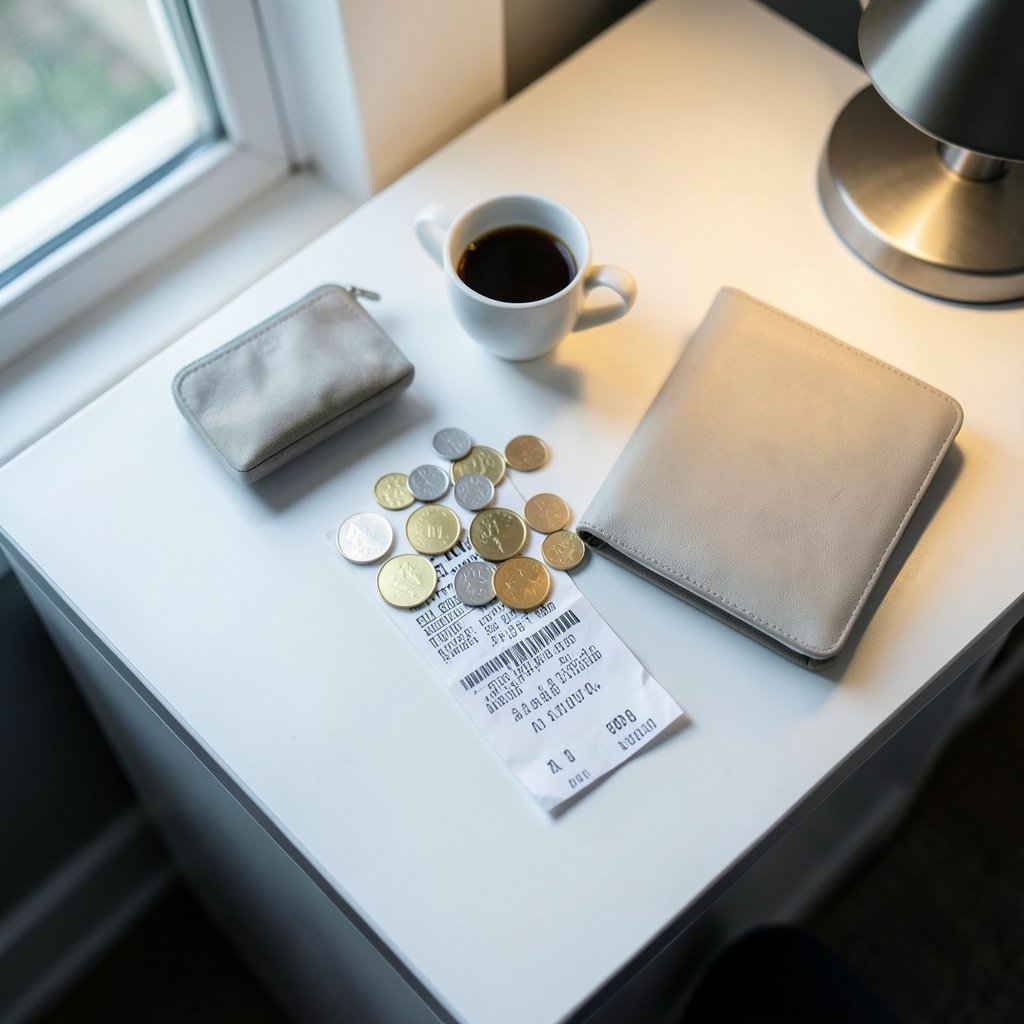
Here is the part that trips up visitors. The peso is a low-value unit, so everyday prices run into the thousands. A coffee might cost 3,000 pesos. A restaurant dinner for two can easily pass 40,000. That does not mean Chile is expensive; it means the unit is small. The mental shortcut most travelers adopt is to drop three zeros and treat the result as a rough dollar figure, then adjust for the actual rate.
That rate floats. Chile abandoned its crawling exchange-rate band in 1999 and has operated a floating exchange rate since, with the central bank intervening only in exceptional circumstances, as it did with programs in 2008 and 2020. Over the past two decades the rate has ranged broadly, roughly between 500 and 1,000 pesos per dollar, which is a wide enough band that a stale conversion figure can mislead you badly.
For an official reference point, the International Monetary Fund publishes monthly representative exchange rates that central banks and statisticians use as a neutral benchmark. Checking a live rate before you exchange money, rather than trusting a number you remember from last year, is the single most useful habit for anyone handling pesos.
Since 2000 the central bank has targeted inflation of 3% a year, with a tolerance band of plus or minus one percentage point. The policy rate, known as the TPM, is set by the bank’s board at monetary policy meetings held roughly once a month. That rate moves with economic conditions, so anyone budgeting in pesos over months rather than days should look up the current figure rather than rely on an old one.
| Feature | Detail |
|---|---|
| Currency name | Chilean peso |
| ISO code | CLP |
| Subunit | 100 centavos (not in circulation) |
| Issuer | Banco Central de Chile |
| Banknotes | 1,000, 2,000, 5,000, 10,000, 20,000 pesos |
| Coins | 10, 50, 100, 500 pesos (1 and 5 legal but rare) |
| Exchange-rate regime | Floating since 1999 |
| Inflation target | 3%, plus or minus 1 point, since 2000 |
Paying in Chile: Cards, Cash and the Small Print
Chile is one of the more card-friendly countries in Latin America. Supermarkets, pharmacies, restaurants and even many taxis accept debit and credit cards, and contactless payment is widespread in cities. That said, cash still matters in markets, small towns, tips and anywhere the card machine is “down,” which happens.
A few practical points that experienced travelers repeat:
- Carry small notes. A 20,000-peso note can be hard to break early in the day. Keep a stock of 1,000s, 2,000s and 5,000s for buses, kiosks and tips.
- Expect a question at checkout. Cashiers routinely ask whether you have the odd amount to make change easier. It is not a scam, just arithmetic.
- Watch the card terminal. Some merchants offer to charge you in your home currency instead of pesos. That conversion usually carries a markup, so paying in pesos is normally cheaper.
- Withdraw from bank ATMs, not standalone machines. Fees and limits vary, so take out larger amounts less often.
- Keep receipts for larger purchases. Refunds and disputes are easier with proof of payment.
The card-terminal trick is a small example of a bigger principle: whenever someone offers to handle a currency conversion for you, they are usually charging for the convenience. That logic applies far beyond travel. The same dynamic shows up in the gift card scam, where victims rarely get their money back once the codes are handed over, and in the way identity threat detection really costs, where the expense lands in places most people never budget for.
The Digital Layer: What Comes Next for the Peso
Chile has been an active tester of financial technology. The central bank has explored a digital version of its currency, part of a global wave of research into central bank digital currencies. If you want the background on how that differs from the money in your bank account, a plain explanation of CBDC digital currency and central bank money going digital covers the basics without the hype.
For most people, though, the practical question is simpler: will the peso lose zeros? There has been public debate about redenominating the currency, and proposals surface from time to time. As of now, no redenomination has been enacted. Treat any claim that Chile is about to drop three zeros as unverified until the central bank says so officially. Currency rumors travel fast and are almost always wrong.
Earning and Spending in Pesos
If your income arrives in pesos, the exchange rate is not an abstraction. It decides how far your salary stretches when you travel or buy imported goods. Freelancers and remote workers who invoice in dollars but live in Chile face the reverse problem: a strong peso shrinks their local spending power, while a weak one flatters it. The sensible approach is to budget in the currency you actually spend and treat the other one as a variable, not a fixed assumption.
Businesses face a similar discipline. Automation and AI tools can cut costs, but only if they are deployed where the savings are real. A practical guide to using AI business automation without wasting money makes the point that tooling is cheap compared with the cost of automating the wrong process. The same logic applies to security spending, where threat intelligence actually costs more than the subscription price once you count staff time and integration work.
For anyone curious about the broader economics of technology companies, how AI companies make money is a useful companion read, and so is the question of how to make money with AI in ways that survive contact with a real market. None of this is specific to Chile, but it explains why peso-denominated tech salaries and dollar-denominated software prices interact the way they do.
Common Mistakes With Chilean Money
Most problems people have with pesos are avoidable. The first is rounding confusion: because prices are large, a misplaced zero can turn a 15,000-peso lunch into a 150,000-peso mistake. Count the digits, not the commas.
The second is assuming the smallest coins are worthless. They are legal tender, and shops will accept them, even if they sigh. The third is exchanging money at airports or hotels without comparing, where spreads are typically widest. The fourth is trusting an outdated rate. A rate you memorized two years ago may now be off by 30% or more, which is enough to wreck a budget.
The fifth, and the one that costs the most over time, is not checking what a service actually charges. Wedding planning is a good example, because venue contracts often hide fees that dwarf the headline price, and a guide to choosing a wedding venue that saves money and stress shows how much of the real cost sits in the details. Currency conversion works the same way: the visible number is rarely the whole bill. (Gift card scam works victims rarely get their money back)
How to Handle Pesos Confidently
The workable routine is short. Check a current rate from an official source before you exchange. Withdraw from bank ATMs in larger amounts. Keep a mix of note sizes. Pay in the local currency when a terminal offers you a choice. And when a price looks strange, pause and count the zeros.
For visitors, that is usually enough. For residents and freelancers, add one more habit: review the policy rate and inflation figures occasionally, because they shape savings rates, mortgage costs and the real value of a peso salary over a year. Chile’s monetary framework is stable by regional standards, but stable is not the same as static.
Conclusion
Chilean money is simpler than it first appears. The Chilean peso is a floating currency with a disciplined central bank, a 3% inflation target, a modern family of banknotes and a payment culture that leans heavily on cards. The confusion almost always comes from the scale of the numbers, not from any hidden complexity. Learn to read the zeros, check a live rate, keep small notes on hand, and refuse currency conversions you did not ask for. Do that, and the peso stops being intimidating and starts being just another tool for getting through the day.
What is the currency of Chile called?
It is the Chilean peso, and its international code is CLP. One peso is divided into 100 centavos, but centavo coins no longer circulate, so all everyday prices are in whole pesos.
Why do Chilean prices have so many zeros?
Because the peso is a low-value unit, small purchases run into the thousands and larger ones into the tens of thousands. The zeros reflect the size of the unit, not unusually high prices. A common shortcut is to drop three zeros for a rough dollar estimate, then adjust for the current rate.
Is Chile’s exchange rate fixed or floating?
It has floated since 1999, when Chile abandoned its crawling band. The central bank intervenes only in exceptional circumstances, such as the programs it ran in 2008 and 2020. That means the peso’s value against the dollar changes constantly.
What banknotes and coins are in use?
Banknotes come in 1,000, 2,000, 5,000, 10,000 and 20,000 pesos, issued in stages between 2009 and 2017. Coins come in 10, 50, 100 and 500 pesos, with the 500-peso coin being bimetallic. The 1- and 5-peso coins are still legal tender but rarely seen.
Who issues Chile’s money?
The Banco Central de Chile issues banknotes and coins. It was created in 1925 and became autonomous under a constitutional reform in 1989, effective in 1990. It also sets the policy rate at meetings held roughly once a month and targets inflation of 3%, plus or minus one percentage point.
Is Chile planning to cut zeros off the peso?
There has been public discussion about redenominating the currency, but no such change has been enacted. Any claim that Chile is about to drop zeros should be treated as unverified until the central bank announces it officially.



