
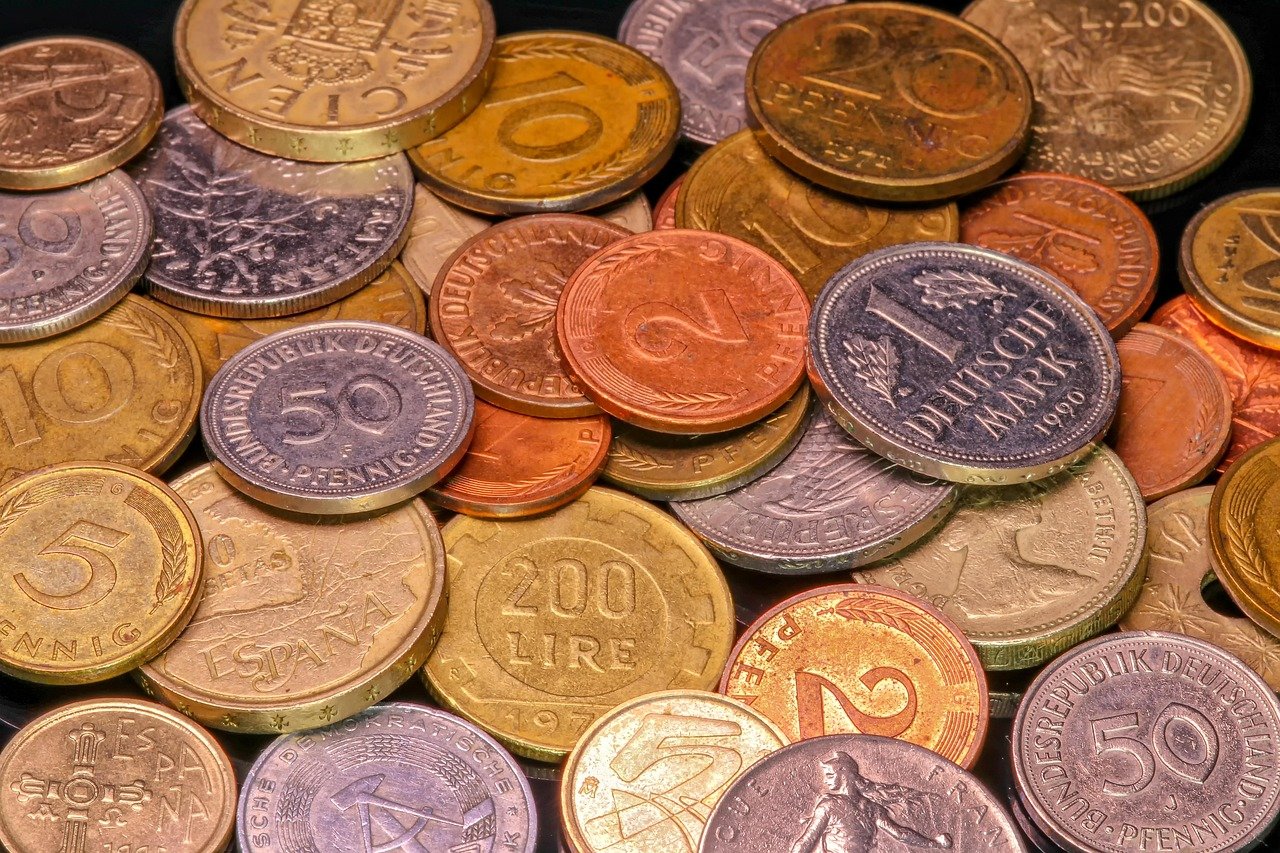
Ever cleaned out a jar of old coins and wondered if one of them could pay for a nice dinner? Most of the time, the answer is no. But every so often, a small piece of metal in a drawer turns out to be worth hundreds or thousands of dollars. The gap between a coin worth face value and one worth a fortune comes down to a handful of factors that collectors care about deeply. (Ynab vs monarch money zero based budgeting vs net worth)
This guide walks through what makes coins valuable, which categories tend to hold real money, and how to avoid the traps that catch beginners. It also covers the honest truth about those viral “rare coin” lists that show up in social feeds.
Face Value and Collector Value Are Two Different Things
A quarter is worth 25 cents when you spend it. To a collector, that same quarter might be worth a dollar, twenty dollars, or nothing at all beyond its face value. The difference is collector value, which has almost nothing to do with the number stamped on the coin. (Xbox game pass cost 2025 real prices whether its worth)
Three forces set collector value: rarity, condition, and demand. Rarity means how few examples exist. Condition means how well the coin survived circulation. Demand means how many people want it. A coin can be rare but unwanted, and it can be common but wildly popular. The best performers score high on all three. (Coin)
The U.S. Mint’s consumer guidance on collecting basics separates circulating coins from collectible products, which is a useful starting point for understanding why a coin made for pocket change behaves differently from one made for collectors. That distinction matters because many people assume any old coin is automatically valuable. Age helps, but it is rarely the deciding factor. (Currency and Coin FAQ)
Condition Is Where Most of the Money Hides

Two identical coins from the same year can differ in price by a factor of ten or more, purely because of wear. A coin that circulated for thirty years has lost detail. A coin that sat in a drawer since the day it was struck looks nearly new.
Collectors measure this with a standardized grading system. The 70-point Sheldon scale runs from 1 (barely identifiable) to 70 (perfect, as struck). Coins in mint state, roughly 60 and above, command the biggest premiums. The American Numismatic Association’s explanation of coin grading walks through how graders evaluate strike, surface, and luster, and why small differences near the top of the scale translate into large price jumps.
Here is a rough sense of how grade changes price for a single desirable coin:
| Grade | Description | Typical market position |
|---|---|---|
| Good (G-4) | Heavy wear, major detail gone | Lowest tier, often a few dollars |
| Very Fine (VF-20) | Moderate wear, main details clear | Mid tier, several times the low grade |
| Extremely Fine (EF-40) | Light wear, sharp details | Upper mid tier |
| Mint State (MS-60) | No circulation wear | Strong premium |
| Mint State (MS-65) | Full luster, few marks | Several times MS-60 |
| Mint State (MS-67) | Nearly flawless | Often many times MS-65 |
The practical lesson: do not clean coins. Ever. Rubbing a coin to make it shiny strips the original surface and can cut its value by half or more. Dealers can spot a cleaned coin instantly, and the market punishes it. Handle coins by the edges and store them in inert holders.
Key Dates: The Classic “Worth Money” Coins
Some coins are valuable because very few were made in a particular year. Collectors call these key dates, and they anchor most serious collections.
A few widely cited examples show how this works. The 1909-S VDB Lincoln cent carries the designer’s initials and was produced in small numbers before the initials were removed, making it the coin that launched a thousand childhood collections. The 1916-D Mercury dime had a low mintage from the Denver mint and is the key to that entire series. The 1943 copper cent is a famous error, since nearly all 1943 cents were struck in zinc-coated steel to save copper for the war effort.
Notice the pattern. Each of these coins is valuable because of a specific combination: a low mintage, a single mint, or a production mistake. A coin being old is not enough. Millions of old wheat pennies exist, and most are worth a few cents.
If you inherit a collection and want to understand what you have, resist the urge to guess from a quick search. Cross-check any candidate against a recognized catalog before getting excited. The numismatic standard references, such as the Red Book and the Cherrypickers’ Guide, list known varieties and their relative rarity, which is exactly what viral lists tend to skip.
Error Coins and Varieties: Small Mistakes, Big Premiums
Minting is a manufacturing process, and manufacturing processes produce mistakes. Most errors are minor and worthless. A few are dramatic enough that collectors pay handsomely.
The main error categories include:
- Doubled dies, where the die was hubbed twice and the design shows doubling.
- Off-center strikes, where the coin was struck outside the collar and part of the design is missing.
- Wrong planchet errors, where a coin is struck on the wrong metal or blank size.
- Repunched mintmarks, where a mintmark was punched more than once.
- Clipped planchets, where a blank was cut incorrectly before striking.
The catch is that many error coins are misidentified. A coin with machine doubling, which is common and adds little value, gets sold online as a rare doubled die. The difference requires magnification and a reference guide. Before paying a premium for an error coin, compare it side by side with a known example from a catalog.
Silver and Gold Content Set a Floor Under Price
Some coins are worth money for a simpler reason: the metal inside them. This is called melt value, and it acts as a floor beneath the collector premium.
U.S. dimes, quarters, half dollars, and dollar coins minted in 1965 and later are copper-nickel clad. Pre-1965 dimes, quarters, and half dollars are 90 percent silver. That is why “junk silver,” a term for worn pre-1965 silver coins sold in bulk, trades based on the current silver price rather than collector interest.
Bullion coins work the same way but at a larger scale. The American Eagle series and similar government bullion coins trade near the spot price of the metal plus a small premium. The U.S. Mint publishes specifications for American Eagle bullion coins, including weight and purity, which is what buyers use to calculate fair value.
One practical warning: melting coins for metal is restricted in some cases, and the rules are not always obvious. Check the current regulations before assuming you can legally scrap a pile of silver coins. Most people simply sell them to a dealer at melt value, which avoids the question entirely.
How to Tell If a Coin Is Actually Worth Money
A repeatable process beats guesswork. Here is a sequence that works for beginners.
- Identify the coin precisely. Note the country, denomination, year, mintmark, and design type. A magnifier helps.
- Check the mintmark. A tiny letter can change a common coin into a key date. On U.S. coins it usually sits below the date or on the reverse.
- Assess condition honestly. Assume the worst. A coin you think is mint state is probably not.
- Look up recent sold prices, not asking prices. Auction results are the best evidence of what a coin actually brings.
- Compare against a catalog to confirm the variety before assigning any value.
- Get a second opinion from a local dealer or a coin club before selling anything significant.
That last step is where most people skip ahead and lose money. A dealer who handles coins daily will spot things a beginner misses in seconds.
The Counterfeit Problem Nobody Warns You About
The market for valuable coins attracts fakes. Counterfeiters alter dates, cast copies of key dates, and even counterfeit bullion. The U.S. Secret Service maintains information on counterfeit investigations, and coin dealers routinely reject altered pieces.
Common red flags include:
- A date that looks slightly different in texture or alignment from the rest of the design.
- A seam or casting line on the edge.
- A coin that feels too light or too heavy for its size.
- A price far below market for a supposedly rare piece.
- A seller who refuses to let you inspect the coin in person.
Buying from established dealers with clear return policies reduces the risk enormously. Buying from a stranger in a parking lot does not.
What Actually Works in Practice
A few habits separate people who find real value from people who waste weekends chasing rumors.
Start with what you have. Sort by country, then by year, then by mintmark. Most collections contain a few genuinely interesting pieces buried in common material.
Focus on one series. Learning one series deeply, whether it is Mercury dimes or Lincoln cents, teaches you what normal looks like. That makes anomalies obvious.
Keep a record. Write down what you paid and what you found. This is basic discipline, but it is the same discipline that makes any hobby affordable. If you track spending across hobbies, the approach in this breakdown of YNAB vs Monarch Money on zero-based budgeting versus net worth tracking shows how structured tracking changes outcomes.
Ignore hype. Viral posts about “rare coins in your pocket change” are engineered for clicks. They frequently cite errors that are common, misidentified, or simply not rare. Treat them as entertainment.
Budget for the hobby like any other expense. Coin collecting can get expensive fast, and the same discipline that keeps subscriptions in check applies here. The questions in this practical guide to whether ChatGPT Plus is worth it in 2026 mirror the ones collectors should ask about any purchase: what does it actually deliver, and is the cost justified? A related look at how identity threat detection costs break down where the money goes shows how hidden costs accumulate in any market, and coins are no exception once grading fees and shipping enter the picture.
Where Beginners Should Spend Their Attention
If the goal is to find coins worth money, the highest-yield places to look are inherited collections, estate sales, and old jars that have not been sorted in decades. These sources have not been picked over by dealers, which means genuine surprises still turn up.
The lowest-yield places are online marketplaces full of hyped listings and social media posts promising fortunes. The information asymmetry runs against the buyer every time.
For anyone building a broader collection, the same logic that applies to buying games on a new console applies here: spend on what you will actually use and enjoy, not on what looks impressive in a listing. This breakdown of the best games for the Nintendo Switch 2 and what is worth your time and money makes the point well, and a similar analysis of Xbox Game Pass costs in 2025 and whether it is worth it shows how subscription math can mislead. Coins reward patience and knowledge, not impulse.
Conclusion
Coins that are worth money share a few traits: genuine rarity, strong condition, and steady demand. Key dates, error varieties, and silver or gold content are the categories that consistently deliver value. Everything else is mostly common material dressed up in exciting language.
The most reliable path is unglamorous. Learn one series, grade honestly, check sold prices instead of asking prices, and get a second opinion before money changes hands. Do that, and the odds of finding something real in that old jar go up considerably. Skip it, and the jar stays a jar.
Frequently Asked Questions
What makes a coin worth money?
Rarity, condition, and demand drive value. A coin needs few surviving examples, minimal wear, and collectors who want it. Age alone rarely matters, and face value means almost nothing to a collector.
Are old pennies worth anything?
Most are not. Millions of wheat pennies survive, and common dates trade for a few cents each. A small number of key dates and error varieties carry real premiums, which is why identification comes before valuation.
Should I clean my coins to increase their value?
No. Cleaning strips the original surface, and dealers treat cleaned coins as damaged. A cleaned coin can lose half its value or more. Handle coins by the edges and store them in proper holders.
How do I know if a coin is counterfeit?
Look for odd date texture, casting seams, wrong weight, or prices far below market. Buy from established dealers with return policies, and have anything expensive authenticated before purchase.
What is melt value?
Melt value is the worth of the metal inside a coin. Pre-1965 U.S. silver coins and bullion coins trade near this figure, which acts as a price floor beneath any collector premium.
Where should I look for valuable coins?
Inherited collections, estate sales, and long-unsorted jars offer the best odds because they have not been picked over. Online listings and viral posts are the least reliable sources.



