

What if the drill you buy this weekend outlives three of your other power tools, and the only thing that decides that is a battery you haven’t thought about yet? That’s the strange truth about cordless drills. The tool itself is simple: a motor, a chuck, a trigger, a clutch. The complicated part is everything around it, from the voltage label on the box to the platform you’re marrying into for the next decade. This comparison walks through the specs that matter, the marketing numbers that don’t, and the practical mistakes people make when they buy their first or fifth drill. (Security awareness training limitations phishing drills)
Why the Battery Platform Matters More Than the Drill
Here’s the thing nobody tells a first-time buyer: the drill is the cheap part. The batteries and chargers are where the money lives, and they’re generally brand-specific. A pack from one brand usually won’t fit another, and even within a single brand, older and newer lines often don’t share packs. That means every drill purchase is really a platform purchase. If you already own a brand’s batteries, a bare tool is the sensible buy. If you’re starting fresh, pick the platform first and the drill second.
This is also why people who own several tools end up standardizing. One charger, one pile of packs, one spare battery that fits everything. The alternative is a drawer full of orphaned chargers, which is a very common and very quiet form of wasted money.
Lithium-ion has been the dominant cordless chemistry since roughly the early-to-mid 2010s, largely replacing nickel-cadmium and nickel-metal-hydride in consumer drills. That shift matters because Li-ion packs hold charge better in storage, don’t develop the same memory habits, and deliver more consistent power as they drain. For practical purposes, any drill you buy today will be Li-ion, so the real question is which platform’s Li-ion you’re buying into.
Voltage Labels: 12 V, 18 V, and the “20 V Max” Trick
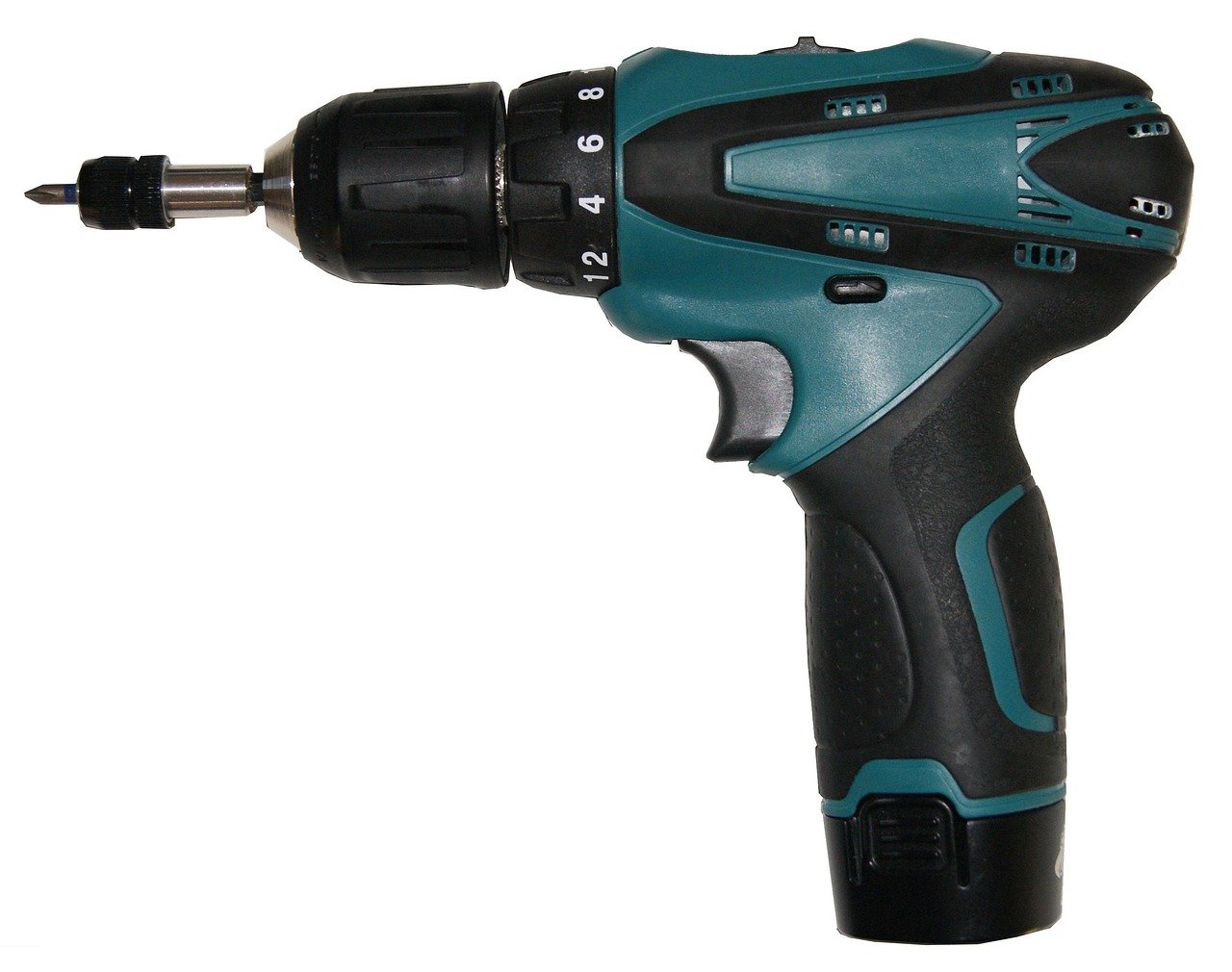
Voltage classes are the first thing shoppers compare, and the first place they get confused. Cordless drills are commonly sold in 12 V, 18 V, and 20 V max classes, with occasional 36 V models. The important detail: “20 V max” and “18 V” usually describe the same cell count — five lithium-ion cells in series. The “20 V max” figure is a peak voltage label, not a different platform that delivers more power. Brands use it because the number is bigger, and bigger numbers sell.
| Class | Typical cells in series | Common use | Chuck size |
|---|---|---|---|
| 12 V | 3 | Light driving, cabinet work, tight spaces | Often 3/8 in (10 mm) |
| 18 V / 20 V max | 5 | General drilling and driving, the mainstream choice | Usually 1/2 in (13 mm) |
| 36 V | 10 | Heavy drilling, auger bits, demanding work | Usually 1/2 in (13 mm) |
A 12 V drill is genuinely useful. It’s lighter, fits in a kitchen drawer, and handles the majority of household tasks. An 18 V drill does everything the 12 V does but with more headroom for big bits and hard materials. Most people are best served by the 18 V class as a primary tool, with a compact 12 V as a second drill if they do a lot of assembly work.
Torque Numbers Are Not Comparable Across Brands
This is the single biggest source of bad buying decisions. Manufacturers report max torque using their own test methods, and there’s no single consumer-facing standard that makes those numbers directly comparable across brands. A drill claiming a higher torque figure isn’t necessarily stronger than one claiming less. Treat torque specs as a rough within-brand ranking, not a cross-brand leaderboard.
The same caution applies to voltage and torque “max” claims generally: they’re typically peak values, not sustained output. A drill that hits a peak number for a fraction of a second under a lab condition is not the same as a drill that holds useful torque through a long hole.
What actually tells you more? Chuck quality, clutch feel, weight and balance, and whether the motor is brushless. Those are things you can evaluate in your hand or in a review that describes real use, rather than on a spec sheet.
Brushless vs. Brushed Motors
Brushless motors are generally more efficient and longer-lived than brushed motors. Brushed motors are cheaper to make, which is why they show up in budget tools. Since roughly the mid-2010s, the brushless distinction has been the mainstream way to separate a tool’s tier.
In practice, brushless tends to mean more runtime per charge and less heat, which matters if you’re driving hundreds of screws or boring large holes. For occasional home use, a brushed drill will do the job and save money. The honest advice: if the drill will see regular, sustained work, pay for brushless. If it lives in a closet and comes out twice a year, brushed is fine and nobody should feel bad about it.
Chuck Size, Clutch, and the Specs That Affect Daily Use
Chuck size is a practical spec that’s easy to overlook. Most cordless drills use a 1/2 in (13 mm) keyless chuck, while compact 12 V models often use 3/8 in (10 mm). A 1/2 in chuck accepts a wider range of bits and hole saws, which is one reason the 18 V class is the default recommendation.
The clutch is the ring of numbers behind the chuck. It slips the drive at a set torque so you don’t strip screw heads or overdrive into soft material. A clutch with more settings gives finer control. Cheap drills sometimes have mushy clutches that slip inconsistently, which is maddening when you’re installing hardware and every screw seats differently.
Two more things worth checking: whether the drill has a two-speed gearbox (low gear for driving, high gear for drilling) and whether it has a built-in work light. The light sounds trivial until you’re under a sink.
Runtime, Amp-Hours, and What Actually Drains a Pack
A higher amp-hour (Ah) rating generally means longer runtime, not more power. Power depends on voltage and the tool’s motor and draw. This trips people up constantly: they buy a 5.0 Ah pack expecting a stronger drill and get a drill that runs longer at the same strength.
Runtime also depends heavily on load. Driving small screws into pine is a completely different energy demand than boring a hole through hardwood with a large bit. If your work is light, a smaller pack keeps the tool lighter and more pleasant to hold. If you’re doing sustained drilling, a bigger pack earns its weight.
A practical habit: keep one charged spare. The single most common frustration with cordless tools isn’t power, it’s a dead pack halfway through a job. Rotating two packs solves it more cheaply than buying a bigger drill.
Safety and Transport Rules People Ignore
Cordless power tools fall under UL 62841-1 in the US, which is based on the international IEC 62841-1 standard for hand-held motor-operated electric tools. Buying a tool that carries the relevant certification is a basic safety check, not a marketing nicety.
Spare lithium-ion batteries are also regulated as dangerous goods for air transport under IATA rules and US DOT regulations. If you’re flying with a spare pack, check the current rules before you pack it, because the limits and labeling requirements are updated periodically. This is one of those areas where the rules genuinely change, so the current published edition is the only thing worth trusting.
Common Mistakes Buyers Make
These come up again and again, and each one is avoidable:
- Comparing torque numbers across brands. They aren’t standardized. Use them only to rank tools within one brand’s lineup.
- Buying a drill without checking the battery platform. If you own other tools, match the platform. If you don’t, choose one you can grow into.
- Assuming “20 V max” beats “18 V.” It’s usually the same five cells with a different label.
- Buying the biggest amp-hour pack for a light-use drill. You’ll pay more and carry more weight for runtime you don’t need.
- Skipping the spare battery. One spare pack prevents more bad afternoons than any spec upgrade.
- Ignoring ergonomics. A drill that’s too heavy or badly balanced won’t get used, no matter what the box says.
If you’re the type who researches purchases thoroughly, it helps to see how the same discipline applies elsewhere. The same logic that separates a good drill from a great one, where the ecosystem matters more than the headline number, shows up in how people evaluate AI model comparison gpt 6 1 sol vs sonnet 5 5 vs gemini 4 argon 2026 and in the way a chatgpt go vs plus vs pro paid plan comparison workflow hinges on which tier actually fits your usage rather than which sounds most capable.
How to Choose in Five Minutes
Start with the job, not the spec sheet. A short decision path:
- List what you’ll actually do. Assembly and light repairs point to 12 V. General drilling and driving point to 18 V. Heavy boring points to 36 V or a corded tool.
- Check what batteries you already own. Matching an existing platform usually beats any spec advantage.
- Decide brushed or brushless. Regular sustained work justifies brushless. Occasional use doesn’t.
- Confirm the chuck size matches the bits and hole saws you plan to use.
- Budget for a second battery before you budget for a fancier drill.
That order matters. Most buyers do it backward, starting with the drill they like the look of and discovering the platform problem later.
Where Reviews and Spec Sheets Both Fall Short
Spec sheets tell you what a manufacturer chose to measure. Reviews tell you what one person experienced. Neither tells you how the tool will feel in your hand after an hour. The practical middle ground is to handle the tool if you can, read reviews that describe sustained use rather than unboxing impressions, and weight the boring factors — balance, clutch feel, chuck grip — over the numbers printed in large type.
The same gap between headline claims and real-world behavior shows up in software comparisons. A security awareness training limitations phishing drills discussion is a good example: the metric on the dashboard and the behavior in the real world are two different things, and only one of them matters. It’s also why a zendesk ai vs freshdesk freddy 2027 helpdesk ai comparison and even a best ai loan comparison apps 2027 actually works review tend to be more useful when they focus on what holds up under real conditions instead of feature counts. (Chatgpt go vs plus vs pro paid plan comparison workflow)
Conclusion
A cordless drill comparison isn’t really a comparison of drills. It’s a comparison of platforms, and the tool is the least important part of the decision. Voltage labels are often marketing, torque figures aren’t standardized across brands, and the battery you’re committing to will outlast the drill itself. Get the platform right, pick a class that matches your actual work, decide honestly whether you need brushless, and buy a spare battery. Do those four things and almost any mainstream drill will serve you well for years. Skip them, and even an expensive drill becomes a drawer ornament.
Frequently Asked Questions
Is a 20 V max drill stronger than an 18 V drill?
Usually not. “20 V max” and “18 V” typically describe the same five lithium-ion cells in series; the higher number is a peak voltage label, not a different platform with more power. Compare tools within a brand rather than trusting the voltage badge across brands.
Can I use one brand’s battery in another brand’s drill?
Generally no. Batteries and chargers are brand-specific, and even within a single brand, older and newer lines often aren’t cross-compatible. This is the main long-term cost driver in cordless tools, which is why choosing a platform matters more than choosing a single drill.
Does a higher amp-hour battery give the drill more power?
No. A higher Ah rating generally means longer runtime, not more power. Power depends on voltage and the tool’s motor and draw. A bigger pack gives you more screws per charge and adds weight, but it won’t make the drill hit harder.
Is brushless worth the extra money?
It depends on use. Brushless motors are generally more efficient and longer-lived, so they pay off with regular, sustained work. For occasional household tasks, a brushed drill does the job and costs less. Neither choice is wrong; they just fit different workloads.
What chuck size should I look for?
Most cordless drills use a 1/2 in (13 mm) keyless chuck, while compact 12 V models often use 3/8 in (10 mm). A 1/2 in chuck accepts a wider range of bits and hole saws, which is one reason the 18 V class is the mainstream default.
Can I fly with spare drill batteries?
Spare lithium-ion batteries are regulated as dangerous goods for air transport, and the rules are updated periodically. Check the current published requirements before you travel, since limits and labeling can change between editions.



