
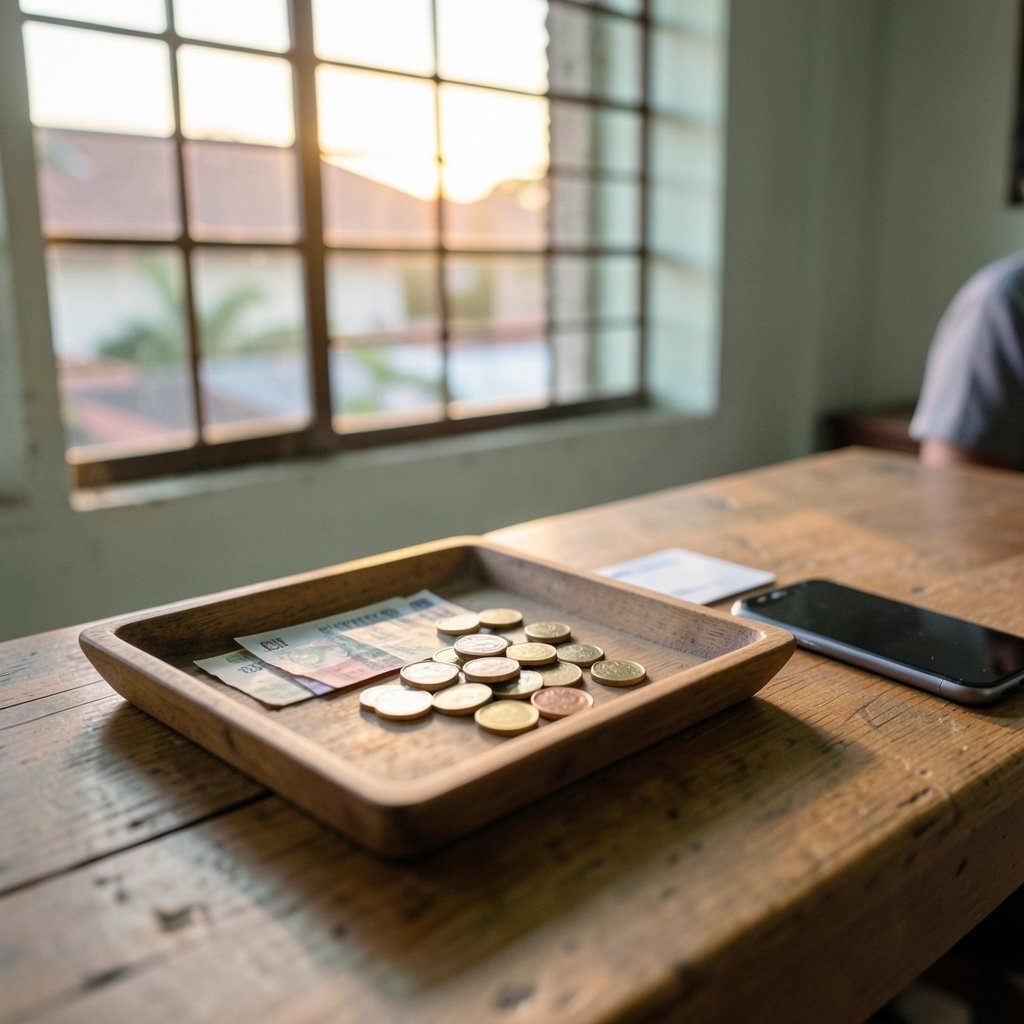
What if the biggest surprise on a trip to Costa Rica is not the volcanoes or the wildlife, but the money? Travelers land expecting one simple currency and discover a country that runs on colones, quietly accepts US dollars in tourist zones, and moves a huge share of everyday payments through a mobile phone app. Understanding how cash, cards, and exchange rates actually work here saves real money and prevents awkward moments at the till.
This guide walks through the currency itself, how to get a fair exchange rate, where cards work and where they fail, and the practical habits that keep a travel budget intact. It also covers the digital payment system most visitors never hear about until they see a cashier asking for a phone number instead of a card.
What Is the Costa Rican Colón?
The national currency is the Costa Rican colón, written with the symbol ₡ and carrying the ISO code CRC. The name honors Christopher Columbus, whose Spanish surname was Colón. It has been the country’s currency since 1896, replacing the peso, and it is issued by the Banco Central de Costa Rica, the country’s central bank.
The colón divides into 100 céntimos on paper, but in practice those tiny coins have disappeared from daily life. Prices are quoted in whole colones, and nobody expects exact change down to the last céntimo. That is worth knowing because it removes a layer of anxiety for anyone used to counting small coins.
The ISO 4217 standard is what gives every currency a three-letter code, and it is the reason exchange desks and banking apps recognize CRC instantly. If you want to understand how those codes are assigned and why they matter for international transfers, the official ISO 4217 currency code standard explains the system in detail. For travelers, the practical takeaway is simple: when a form asks for CRC, that means colones, not dollars.
The Exchange Rate Is Not Fixed

The colón floats against the US dollar. The central bank manages the rate within a controlled band rather than pegging it to a fixed number, which means the value shifts over time. In the 2020s the rate has moved in a broad range of roughly ₡500 to ₡700 per US dollar, but that range is a rough guide, not a promise.
This matters because exchange rates change. A rate quoted in a blog post or a travel forum thread from two years ago could be badly out of date. Anyone planning a budget should check the current reference rate close to their travel date rather than trusting a remembered number.
The central bank publishes a daily reference rate, and it is the figure banks and exchange houses build their own rates around. Because rates move, it is worth checking the Banco Central de Costa Rica’s official exchange rate information before converting a large sum, since that is the primary source rather than a third-party aggregator.
A useful habit: convert in your head using a round number, then confirm with a calculator before any large transaction. Rounding to ₡600 per dollar, for example, gives a fast estimate, but the actual rate at the counter may differ enough to matter on a hotel bill.
Dollars, Colones, and What the Law Says
Here is where many visitors get confused. US dollars are widely accepted in tourist areas. Hotels, tour operators, and many restaurants will happily quote and take dollars. But by law, prices in Costa Rica must be displayed in colones, and change is usually handed back in colones.
That creates a quiet friction. You pay in dollars, you receive colones, and the exchange rate used for that conversion is set by the business, not by you. Sometimes it is fair. Sometimes it is not. The result is that paying in dollars can cost more than paying in local currency, even though it feels easier.
The practical rule that works: pay in colones whenever possible, especially at smaller businesses. Keep dollars for situations where the price is genuinely quoted in dollars and the rate is clearly stated. And always ask which currency the total will be charged in before handing over a card or cash.
There is a broader lesson here about money and trust. Tourists who assume the “easy” option is the cheapest option often pay a hidden premium. The same pattern shows up in other areas of consumer finance, where convenience quietly carries a cost, much like the common mistakes with canva alternatives that cost you time and money when people pick the flashiest tool instead of the right one.
Cash, Cards, and ATMs in Practice
Costa Rica is not a cashless country, and it is not a cash-only country either. It sits somewhere in the middle, and the split depends heavily on where you are.
| Payment method | Works well in | Watch out for |
|---|---|---|
| Colón cash | Markets, buses, small sodas, rural areas | Large notes can be hard to break |
| US dollars | Hotels, tours, tourist restaurants | Change returned in colones at the business’s rate |
| Visa and Mastercard | Cities, tourist hubs, chain stores | Smaller vendors may add a surcharge or refuse |
| SINPE Móvil | Everywhere domestically | Requires a Costa Rican phone number and bank account |
| Traveler’s checks | Nowhere useful | Largely obsolete; do not rely on them |
ATMs are common in San José and in tourist hubs, and foreign cards generally work. The catch is layered fees: the local bank charges one fee, and your own card issuer may charge another, plus a possible foreign transaction fee. Withdrawing a larger amount less often usually beats making many small withdrawals.
Carry small-denomination colones. Buses, farmers’ markets, and small food stalls run on coins and small notes. Handing a vendor a large bill for a cheap item can leave them unable to make change, and it puts you in an awkward spot.
Cards are fine but not universal. Visa and Mastercard are accepted widely in cities and tourist areas. In rural spots and at small family businesses, cash remains king. It is wise to carry enough colones to cover a day of meals and transport in case a card reader is down or a vendor does not take plastic.
SINPE Móvil: The Payment System Visitors Rarely Know
One of the most interesting things about money in Costa Rica is how much of it moves through phones. SINPE Móvil is an instant transfer system that lets people send money using a mobile phone number, linked to the national payment network run through the central bank. It launched in 2015 and has grown into a everyday tool for splitting bills, paying small vendors, and sending money to family.
For visitors, the catch is access. SINPE Móvil is built for people with a Costa Rican bank account and phone number, so most tourists cannot use it directly. But knowing it exists explains a lot of what you will see: cashiers asking for a phone number, friends settling up in seconds, and small businesses that prefer a transfer over a card.
This is part of a bigger global shift toward digital money. Central banks around the world are studying digital currencies, and the debate over how they would work sits alongside systems like SINPE. If you are curious how that broader trend is developing, this explanation of CBDC digital currency and how central bank money is going digital covers the basics. For a traveler, the point is simpler: Costa Rica is comfortable with digital payments, but the local rails are built for locals.
Getting a Fair Exchange Rate
Where you change money matters as much as when. Airport exchange counters tend to offer the weakest rates because they know you have few alternatives right after landing. Banks and reputable exchange houses in cities usually do better.
A few practical moves that consistently work:
- Change a small amount at the airport for immediate needs like a taxi or bus, then exchange the rest in town.
- Compare the buy and sell rates; the gap between them carries the cost that the headline number hides.
- Ask about commission separately, because a “no commission” sign sometimes means a worse rate is baked in.
- Use ATMs for larger sums and withdraw less often to limit fixed fees.
- Keep receipts and count your change before walking away, especially in busy markets.
There is also a mindset shift worth making. Treating the exchange rate as a fixed fact leads to sloppy math. Treating it as a moving number that you check before big transactions keeps you sharp. The same discipline applies to any budget where hidden costs lurk, and understanding where money actually goes is half the battle, much like the way identity threat detection really costs and where the money goes in security spending surprises people who assume the sticker price is the whole story.
Budgeting and Tipping Without the Guesswork
Costa Rica is not a cheap destination by regional standards, and food, tours, and transport add up quickly. A realistic daily budget depends on style: budget travelers staying in hostels and eating at local sodas spend far less than those in resorts and guided tours. Rather than fix a single number, plan around categories and keep a buffer for the unexpected.
Tipping is customary in restaurants, often around ten percent, and sometimes a service charge is already included on the bill. Practices vary by establishment, so the reliable move is to check the bill before adding a tip. If a service charge is already there, you are not obliged to add more, though rounding up is common and appreciated.
Cash for tips and small purchases solves a lot of problems. Having a few thousand colones in small notes means you can tip a guide, buy a coffee, or pay a bus fare without hunting for an ATM.
Safety and Scams Around Money
Most money handling in Costa Rica is straightforward, but tourists are targets for petty theft and occasional scams. The basics hold: do not flash large amounts of cash, use ATMs inside banks or well-lit public places during the day, and keep a backup card separate from your main wallet.
Card skimming and distraction theft happen in busy areas, so cover the keypad and keep your bag zipped. If someone offers to “help” at an ATM, decline politely and wait for them to leave.
Some scams are more elaborate and target trust rather than pockets. Payment fraud is a global problem, and the way a gift card scam works and why victims rarely get their money back shows how quickly money can vanish once it leaves your hands. The lesson transfers directly: in Costa Rica, as anywhere, never send money or share card details with someone who contacted you first, and treat any urgent payment request as a red flag.
Planning Money Before You Go
A little preparation beats a lot of improvisation. Before departure, notify your bank that you are traveling so your card is not frozen mid-purchase. Check whether your card charges foreign transaction fees, and carry a second card from a different network as backup. Bring some US dollars in clean, untorn bills, since damaged notes are sometimes refused.
Once on the ground, keep a small reserve of colones and a rough mental exchange rate. That combination handles most situations. And if you are building a broader travel budget, the same planning logic that keeps a wallet safe applies to big expenses, much like how to choose a wedding venue with a practical guide that saves money and stress shows that early research prevents costly surprises later.
Conclusion
Costa Rica money is less about one currency and more about a system. The colón is the real local currency, the dollar is a convenient guest, cards fill the middle ground, and SINPE Móvil quietly powers domestic payments. The travelers who do best are the ones who check the exchange rate before big transactions, pay in colones where it counts, keep small notes handy, and treat convenience as something with a price.
None of this is complicated once the pieces are clear. Learn the code CRC, know that the rate floats, expect change in colones, and keep a backup payment method. Do that, and the money side of the trip fades into the background, where it belongs, leaving room for the parts of Costa Rica that actually matter.
Frequently Asked Questions
What currency is used in Costa Rica?
The official currency is the Costa Rican colón, written ₡ and coded CRC under the ISO 4217 standard. It has been the national currency since 1896 and is issued by the Banco Central de Costa Rica. US dollars are widely accepted in tourist areas, but prices must legally be displayed in colones.
Can I use US dollars everywhere in Costa Rica?
No. Dollars are common in hotels, tours, and tourist restaurants, but smaller businesses, buses, and rural vendors usually expect colones. Even where dollars are accepted, change is typically given in colones at a rate set by the business, which can cost you more than paying in local currency.
Is it better to exchange money at the airport or in town?
In town is usually better. Airport counters tend to offer weaker rates because travelers have few options right after landing. Change a small amount at the airport for immediate needs, then exchange the rest at banks or reputable exchange houses in cities, and compare the spread and any commission.
How does SINPE Móvil work, and can tourists use it?
SINPE Móvil is an instant phone-based transfer system linked to Costa Rica’s national payment network. It launched in 2015 and is used widely for everyday payments. Most visitors cannot use it directly because it requires a Costa Rican bank account and phone number, but it explains why locals often pay by phone.
Are credit cards widely accepted in Costa Rica?
Visa and Mastercard are accepted in cities, tourist hubs, and chain stores, but smaller vendors and rural areas may be cash-only or add a surcharge. Carry enough colones for a day of meals and transport, and keep a backup card in case a reader is down.
How much should I tip in Costa Rica?
Tipping is customary in restaurants, often around ten percent, but many bills already include a service charge. Check the bill before adding a tip. For guides and other services, a small cash tip in colones is common and appreciated, and having small notes makes it easy.



