

Can you really make a living driving for delivery apps, or does the math fall apart once fuel and taxes enter the picture? It is the question almost every new courier asks after their first week, when the gross earnings number in the app looks impressive and the bank balance looks considerably less so. The honest answer is that delivery apps can produce real income, but the gap between what platforms advertise and what couriers keep is where most of the story lives. (Boot android safe mode step by step fix crashing apps)
How Delivery App Pay Actually Works
Most delivery platforms classify couriers as independent contractors rather than employees. That single structural fact shapes everything about the money: no guaranteed hourly wage, no employer-paid benefits, no reimbursement for fuel or wear on your vehicle, and taxes you handle yourself. In exchange, you get flexibility over when and how much you work.
Pay typically arrives in four streams:
- Base pay per delivery, often calculated from distance and estimated time
- Tips, which vary wildly by market and order type
- Promotions and boosts, such as extra dollars during dinner rush or bad weather
- Quest bonuses, for completing a set number of deliveries in a window
The critical distinction is gross versus net. A courier might see $22 an hour in gross earnings during a busy Saturday shift. Subtract fuel, insurance, maintenance, phone data, and the self-employment tax set-aside, and the net figure can drop by a third or more. Any comparison between apps that ignores this is close to meaningless.
The Main Categories of Delivery Work
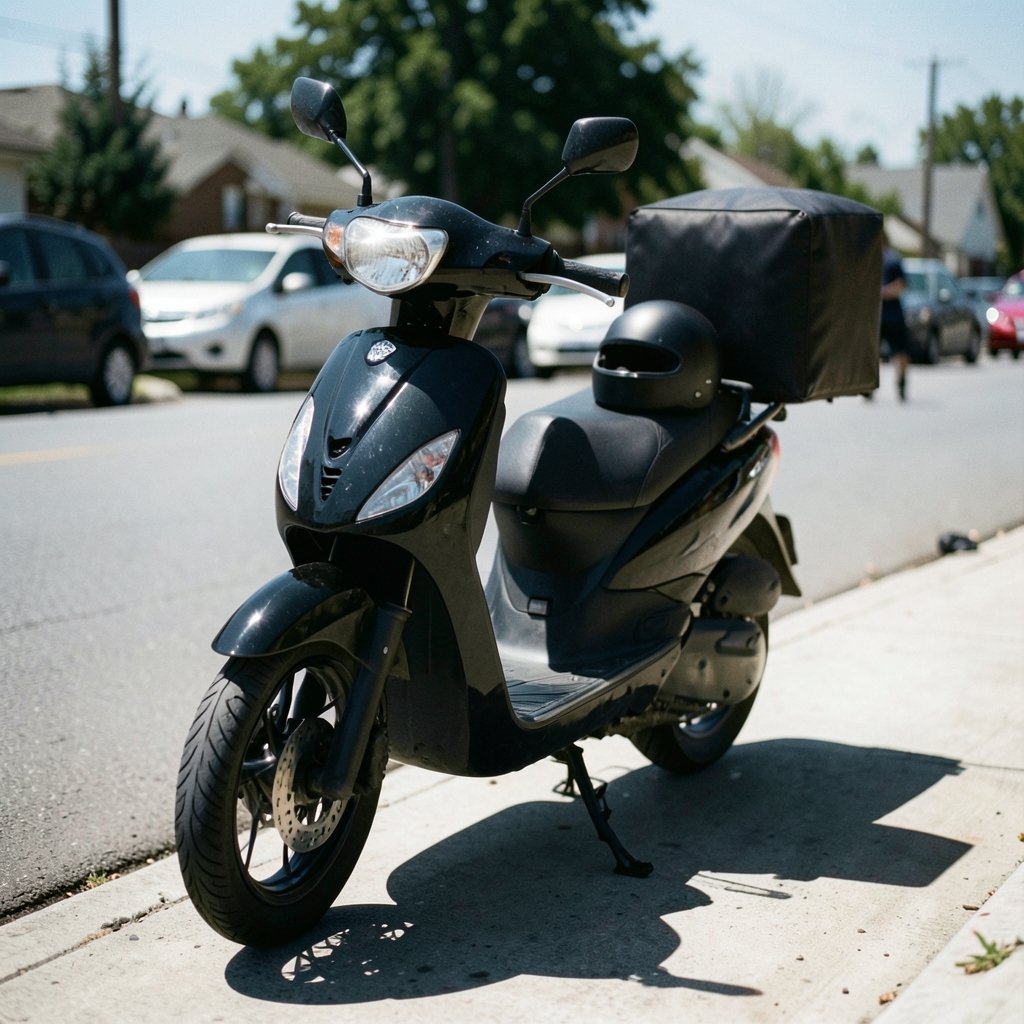
Not all delivery apps work the same way, and the right choice depends on your vehicle, your location, and how much control you want over your schedule.
| Type | Typical vehicle | Pay rhythm | Best for |
|---|---|---|---|
| Restaurant food delivery | Car, scooter, bike, e-bike | Per order plus tips | Dense urban areas with high order volume |
| Grocery and retail shopping | Car | Per batch plus tips | Suburban couriers with larger vehicles |
| Parcel and same-day courier | Car, van | Per stop or per route | Couriers who prefer structured routes |
| Bike and e-bike courier | Bicycle, e-bike | Per order plus tips | City centers with parking nightmares |
Food delivery usually offers the fastest onboarding and the most flexible hours. Grocery batch work can pay better per hour in suburbs where parking is easy and orders are large, but it often involves shopping the order yourself, which adds unpaid time. Parcel work tends to be more predictable but less flexible.
A practical tip from experienced couriers: sign up for two or three platforms before you need them. Onboarding, background checks, and vehicle verification can take days or weeks, and having a backup app means a slow Tuesday on one platform does not become a zero-income Tuesday.
What Separates Good Earnings From Bad
Location and timing matter more than which app you choose. A mediocre app in a strong market usually beats a premium app in a dead zone.
Dinner rush is the engine. The 5 p.m. to 9 p.m. window on Friday, Saturday, and Sunday typically produces the highest order volume and the best tips. Couriers who treat delivery as serious income tend to protect those hours fiercely and run errands or rest during the slow mid-afternoon.
Order density beats order size. A short trip with a generous tip often outperforms a long highway delivery that pays a few dollars more but eats forty minutes and a quarter tank of fuel. Learning your zone’s geography, including which restaurants are slow to hand over food, is the single biggest lever on your effective hourly rate.
Waiting is unpaid. Time spent parked outside a restaurant waiting for an order is money you will never see. Couriers who track their total hours rather than only active delivery time get a much more honest picture of their wage.
Tips are volatile. Relying on promotions and tips to hit a target is risky, because both can change without notice. Base pay is the floor; everything else is upside.
The Costs Nobody Warns You About
New couriers routinely underestimate expenses, and it is the most common reason people quit after a few months convinced the apps are a scam. They are not a scam, but the cost structure is real and it is yours to manage.
Fuel is the obvious one. Depreciation is the one people forget: every delivery mile reduces your vehicle’s resale value. Insurance is a trap for the unwary, because a standard personal auto policy may not cover commercial delivery use, and an accident during a delivery could leave you uninsured. Maintenance intervals shorten dramatically when you put 300 miles a week on a car. Phone data, a mount, a hot bag, and a portable charger are small costs that add up.
The fix is boring but effective: track every expense for a month, then divide your net earnings by total hours worked, not active hours. Most couriers discover their real hourly rate is lower than they assumed and adjust their strategy accordingly.
Managing the Money Side
Because couriers are self-employed, tax handling is not optional. In the United States, self-employment tax covers both the employee and employer portions of Social Security and Medicare, which surprises many first-year couriers. Setting aside a fixed percentage of every payout, rather than scrambling in April, is the standard advice. (Self-Employed Individuals Tax Center)
Mileage tracking is the other essential habit. Many tax authorities allow a standard mileage deduction in place of itemizing vehicle costs, and the record must be contemporaneous, meaning logged as you go rather than reconstructed later. A dedicated app or a simple spreadsheet both work; what fails is memory.
Budgeting for irregular income is its own skill. A budgeting app that handles variable paychecks, with a buffer category for slow weeks and a separate fund for car repairs, prevents the classic courier spiral where a $600 transmission bill wipes out three weeks of work.
Legal Status and Platform Rules
The classification of couriers as contractors is contested in many jurisdictions, and the rules are genuinely unsettled. Several European countries have moved toward presumptions of employment for platform workers, and court rulings have reclassified couriers in some markets. Because these rules change, couriers should check their own jurisdiction’s current position rather than relying on what a forum post said two years ago.
Platform terms also matter. Many apps restrict or discourage multi-apping, the practice of running several apps simultaneously to fill idle time. Enforcement varies from warnings to deactivation. Reading the courier agreement once, carefully, is worth an hour of anyone’s time. (How to Unhide Apps on iPhone: Quick Fixes (2026))
Security and Account Hygiene
Delivery work generates a surprising amount of account exposure: banking details for payouts, tax information, and location data. Couriers should review which third-party apps have access to their Google account and revoke anything unrecognized, since delivery-adjacent tools often request broad permissions. Two-factor authentication on the courier account and the linked bank account is basic hygiene, not paranoia.
Scams target couriers too. Fake “support” calls asking for a verification code, bogus overpayment schemes, and gift card payment requests are common. The gift card scam in particular is worth understanding, because it works precisely by creating urgency and is nearly impossible to reverse once the card is drained. No legitimate platform will ever ask a courier to pay a fee or a “reactivation deposit” in gift cards.
Practical Habits That Actually Move the Needle
After the basics, the difference between a courier clearing $400 a week and one clearing $800 comes down to a handful of habits.
- Decline ruthlessly. Learn the minimum dollars-per-mile you will accept and stick to it. A $4 order going eight miles is a loss once costs are counted.
- Learn the pickup pain points. Some restaurants are reliably slow. Knowing which ones to avoid at peak times saves hours.
- Work the weather. Rain and snow reduce courier supply and often raise boosts. If you have the gear and the confidence, bad weather pays.
- Keep the vehicle honest. Tire pressure, oil changes, and brake checks prevent the roadside breakdown that costs a full day.
- Track weekly, not monthly. A bad week caught early can be fixed. A bad month caught late cannot.
For couriers who also juggle gig work with a day job, time tracking apps that genuinely work for split schedules make the tax and budgeting picture much clearer. (Gig worker)
Is It Worth It?
Delivery apps are a legitimate way to earn money, and for some people, such as students, semi-retired workers, and anyone who needs flexible hours, they fill a real gap. They are a poor substitute for a job with benefits if what you need is stability. The couriers who do well treat it like a small business: they know their costs, protect their best hours, and do not confuse gross payouts with profit. (Identity threat detection really costs where money goes)
Conclusion
The honest version of delivery app income is neither the platform’s marketing nor the cynic’s dismissal. It is a variable, cost-heavy, self-managed stream of money that rewards planning and punishes wishful thinking. Pick a market with density, sign up for more than one app, track every mile and every dollar of expense, and judge success by net hourly earnings rather than the number on the weekly payout screen. Do that, and the apps can pay reasonably well. Skip it, and you will join the long list of couriers who quit convinced the math never worked.
Frequently Asked Questions
How much can you realistically make with delivery apps?
It depends heavily on market, hours, and vehicle costs. Busy urban couriers working peak hours in dense zones tend to earn the most per hour, while rural couriers often struggle with long distances between orders. The number that matters is net earnings after fuel, maintenance, insurance, and taxes, which is typically well below the gross figure shown in the app.
Do you need a car to deliver for apps?
No. Many platforms support bicycles, e-bikes, scooters, and motorcycles, and in dense city centers a bike courier can often out-earn a driver because parking and traffic eat so much time. Vehicle requirements vary by platform and city, so check the courier requirements for your specific market before signing up.
Are delivery app couriers employees or independent contractors?
In most markets they are classified as independent contractors, which means no guaranteed wage, no benefits, and self-managed taxes. That classification is legally contested in several countries and has been reclassified by courts and regulators in some places. The rules differ by jurisdiction and change over time, so verify your local position.
Can you run multiple delivery apps at once?
Many couriers do, to fill idle time between orders. However, several platforms restrict multi-apping in their courier terms, and enforcement ranges from warnings to account deactivation. Read your agreements carefully, and never accept two orders you cannot physically deliver on time.
How do couriers handle taxes?
Couriers are typically responsible for their own income tax and, in some countries, self-employment contributions. The standard approach is to set aside a fixed percentage of every payout, track mileage contemporaneously, and keep receipts for expenses like hot bags, phone mounts, and data plans. A mid-year check with a tax professional prevents April surprises.
What is the biggest mistake new couriers make?
Confusing gross payouts with profit. New couriers often accept every order, ignore distance, and fail to track expenses, then conclude the work does not pay. In practice, disciplined order selection, peak-hour scheduling, and honest cost tracking usually turn the same market into a workable income.



