
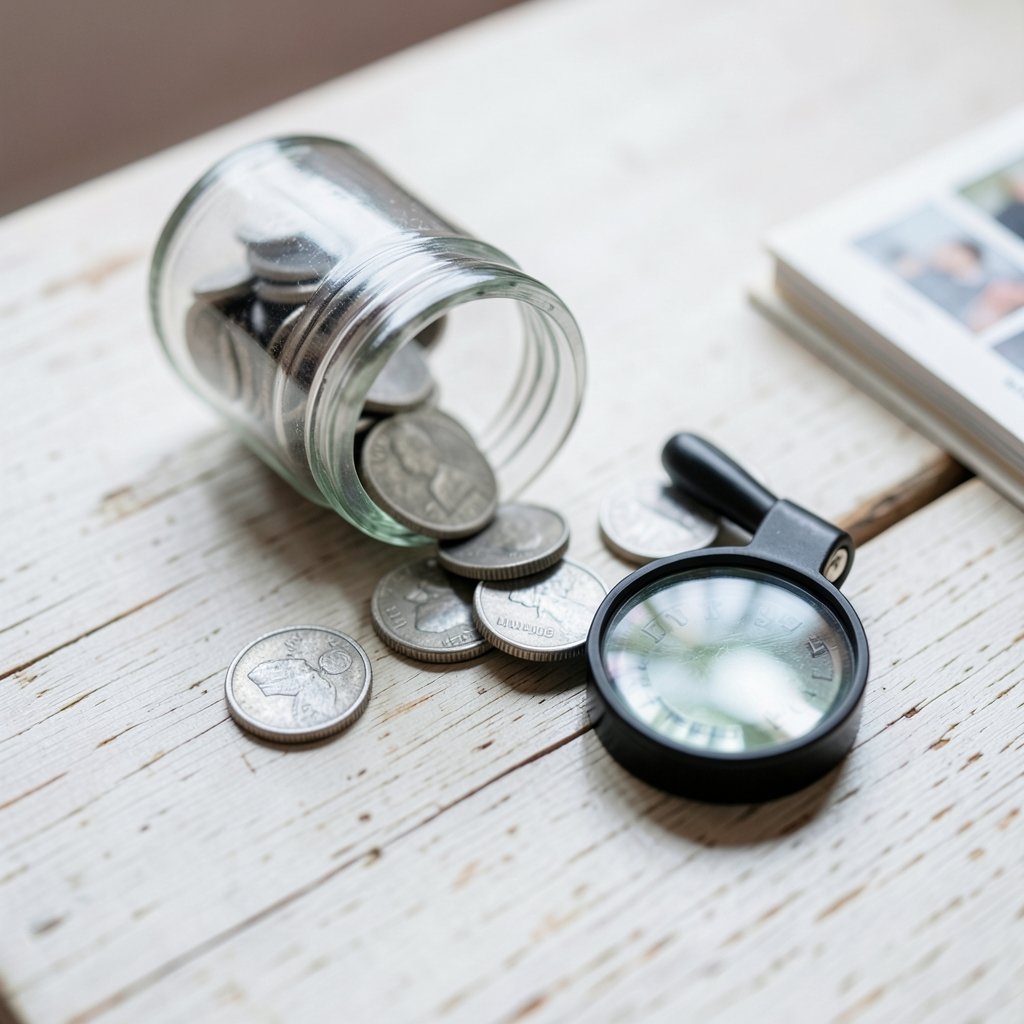
Have you ever emptied a coin jar and wondered whether one of those tiny silver coins is worth more than ten cents? Most dimes are exactly that: ten cents. But a handful of dates, mint marks, and striking errors turn a pocket coin into hundreds or even thousands of dollars. The tricky part is knowing which dimes are worth money, which ones only look special, and how condition changes everything.
This guide walks through the dimes that genuinely carry a premium, the mistakes collectors make when hunting them, and the practical checks anyone can do at home before spending a dime or paying for a grading fee.
The Two Dime Designs That Matter
Almost every dime in circulation today is a Roosevelt dime, introduced in 1946 shortly after Franklin D. Roosevelt’s death in April 1945. The reverse originally carried a torch flanked by an olive branch and an oak branch, and that design has stayed largely the same for eight decades. Because the series has run so long, it covers everything from common pocket change to scarce modern varieties.
Before Roosevelt, the Mercury dime (officially the Winged Liberty Head dime) ran from 1916 to 1945. Collectors call it Mercury because the winged cap looked like the Roman god’s helmet. These coins are 90 percent silver, and the series contains the single most famous key date in American dimes.
A third design, the Barber dime, ran from 1892 to 1916 and holds the rarest regular-issue dime of all. Most people will never see one outside a museum or an auction lot, but it belongs on any list of dimes worth money.
The 1916-D Mercury Dime: The Date Everyone Hunts

If one dime defines the hobby, it is the 1916-D Mercury dime. The Denver Mint struck roughly 264,000 of them, the lowest mintage in the entire Mercury series. That number sounds large until you compare it with the millions struck at Philadelphia and San Francisco in the same year.
The result is that even heavily worn examples trade for four figures. A collector with a budget can buy a low-grade 1916-D, but a problem-free mid-grade coin is a serious purchase. Because the value gap between a real 1916-D and an altered common coin is so wide, fakes and doctored pieces are everywhere.
How Fakes Work
The classic scam is adding a D mint mark to a 1916 Philadelphia dime, which has no mint mark at all. The added letter often sits slightly off position, looks too sharp for the wear on the rest of the coin, or shows tooling marks around it. A loupe and a close look at the mint mark area catch most of these. Anything expensive should go to a third-party grading service before money changes hands. (United States Mint)
The 1894-S Barber Dime: The Rarest of Them All
Only 24 1894-S Barber dimes were struck at San Francisco, and roughly nine are believed to survive. One sold for about $1.9 million in 2016. This is not a coin anyone finds in change; it is a trophy piece that moves between major auctions.
Survivor counts and prices shift with each sale, so treat any specific figure as approximate. The lesson for ordinary collectors is simpler: if someone offers an 1894-S at a flea market price, it is not an 1894-S.
Silver Roosevelt Dimes: Melt Value You Can Count On
Here is the good news for anyone with a coffee can of old dimes. Roosevelt dimes minted from 1946 through 1964 are 90 percent silver. The Coinage Act of 1965 removed silver from dimes and quarters, which is why anything from 1965 onward is a copper-nickel sandwich with no metal value.
That means a pre-1965 dime is always worth at least its melt value, the value of the silver inside it. Melt value moves with the silver spot price every day, so a figure quoted today may be wrong next week. The practical habit is to check the spot price on the day you sell, not the day you read an article.
| Dime Type | Years | Silver Content | Base Value |
|---|---|---|---|
| Barber dime | 1892–1916 | 90% silver | Melt value plus numismatic premium |
| Mercury dime | 1916–1945 | 90% silver | Melt value plus numismatic premium |
| Roosevelt silver dime | 1946–1964 | 90% silver | Melt value minimum |
| Roosevelt clad dime | 1965–present | None | Face value unless a variety |
A worn common-date silver dime is usually worth its melt value and not much more. That is still many times face value, which is why sorting by decade is the fastest first step anyone can take. If you are weighing whether a subscription or app is worth paying for to track prices, the same logic from this ynab vs monarch money breakdown of zero-based budgeting versus net worth tracking applies: pay for tools only when the money they save or protect exceeds the fee. (Best games nintendo switch 2 whats worth your time money) (Money as You Grow)
Modern Varieties That Still Turn Up in Change
Not every valuable dime is old. A few modern issues carry premiums, and they occasionally appear in circulation or in inherited collections.
The 1982 No-Mint-Mark Dime
The 1982 no-mint-mark Roosevelt dime is a recognized modern variety. Philadelphia coins normally carry no mint mark anyway, so the error involves the absence of an expected mark on a coin that should have shown one. Values vary widely with condition and demand, and the variety is well documented in numismatic references. Verify the exact diagnostics before paying a premium.
The 1996-W Dime
The 1996-W Roosevelt dime was issued only in mint sets to mark the 50th anniversary of the series. It was never struck for circulation, which makes it scarce in pocket change but common in absolute terms. A raw example pulled from a mint set is not a jackpot; it is a modest premium.
Proof and Special Strikes
Proof dimes and silver proof set coins carry premiums over face value because of their finish and packaging. They are common in absolute terms, so the premium is usually small unless the coin grades very high or the set is rare.
Condition Beats Age Every Time
The single biggest mistake new collectors make is assuming old equals valuable. A heavily worn 1916-D can be worth less than a pristine common date from the 1950s. Grading solves this, and the standard is the Sheldon scale, a 1-to-70 scale used by third-party grading services. A coin graded 70 is flawless; a coin graded 4 is barely identifiable.
| Grade Range | Label | What It Means |
|---|---|---|
| 1–3 | Poor to About Good | Date and design barely readable |
| 4–7 | Good to Very Good | Main details visible, heavy wear |
| 8–15 | Fine to Choice Fine | Moderate wear, clear lettering |
| 20–45 | Very Fine to Choice Extremely Fine | Light wear on high points |
| 50–58 | About Uncirculated | Trace wear only |
| 60–70 | Mint State | No wear, luster intact |
Practical tip: hold a coin by its edges, never the faces. Fingerprints etch into silver over time and can knock a coin down a grade, which on a key date can mean hundreds of dollars. Store raw coins in inert holders, not paper envelopes or PVC flips, which can leave green residue.
Common Mistakes That Cost Real Money
A few habits separate people who find value from people who lose it.
Cleaning a coin. This is the most expensive mistake in the hobby. Polishing, dipping, or scrubbing a coin strips its original surface and luster, and graders flag cleaned coins immediately. A cleaned key date can lose a large share of its value. Leave dirt alone; let a professional decide.
Trusting a single price guide. Price guides list retail asking prices, not what a dealer will pay. Expect a dealer offer well below guide value, because the dealer carries inventory risk and grading costs. Auction results are a better signal of real market value, and they vary by date and venue.
Skipping authentication on big purchases. Any dime worth more than a few hundred dollars should be authenticated and graded. Counterfeit and altered key dates are common enough that reputable sellers expect it.
Ignoring the mint mark. Two dimes from the same year can differ by a factor of a hundred based on a tiny letter. A loupe is the cheapest tool in the hobby and the most useful.
Forgetting the paperwork. Inherited collections often come with no provenance. Without records, buyers assume the worst, so keep any receipts, grading certificates, or auction slips with the coins.
How to Sort a Jar of Dimes in Ten Minutes
A simple routine handles most household finds.
- Spread the dimes on a dark cloth in a single layer.
- Check the date on each coin. Set aside anything from 1964 or earlier.
- Look at the reverse of the pre-1965 coins to separate Mercury from Roosevelt designs.
- Use a loupe to read the mint mark above the date on Mercury dimes and on the obverse of Roosevelt dimes.
- Set aside any coin with an odd surface, doubled lettering, or a missing mark.
- Check the silver spot price before selling anything, and get a second opinion on any coin that looks unusual.
That last step matters more than people expect. A jar that looks like pocket change can hold a few silver dimes worth many times face value, and a single variety can change the total. If you are deciding whether a paid tool earns its keep while sorting a collection, the same cost-benefit thinking in this Xbox Game Pass cost breakdown for 2025 is a useful model: compare the price against what you actually get, not against the headline.
Where the Market Actually Sits
The dime market splits into two halves that behave differently. Bullion-driven dimes (common silver coins) track the silver spot price and move with it. Numismatic dimes (key dates, varieties, high-grade pieces) trade on collector demand, which is steadier but far less predictable.
That split explains why a coin dealer may offer melt value for a worn 1940s dime but pay a large premium for a 1916-D in the same pile. It also explains why “worth” is always a range tied to a date, a grade, and a buyer.
One more caution: grading fees can exceed a coin’s value. Submitting a common silver dime for grading is a losing trade. Reserve grading for coins where the premium clearly covers the cost, and use a loupe and a reference book for everything else.
Conclusion
Dimes worth money come down to three things: the date, the mint mark, and the condition. The 1916-D Mercury dime and the 1894-S Barber dime sit at the top of the list, but most households will find their value in pre-1965 silver Roosevelt dimes that are worth at least melt value. Modern varieties like the 1982 no-mint-mark and 1996-W coins add spice for anyone who enjoys the hunt.
The practical path is unglamorous but effective. Sort by decade, read every mint mark with a loupe, never clean a coin, check the silver spot price on the day you sell, and get expert authentication before spending real money. Do those things and a coin jar becomes a small research project rather than a missed opportunity.
FAQ
What is the most valuable dime?
The 1894-S Barber dime is generally considered the rarest and most valuable U.S. dime, with only 24 struck and roughly nine believed to survive. Among dimes that collectors realistically encounter, the 1916-D Mercury dime is the key date.
Are all pre-1965 dimes worth more than face value?
Yes, in practice. Roosevelt dimes from 1946 through 1964, Mercury dimes, and Barber dimes are 90 percent silver, so each is worth at least its melt value, which is many times ten cents. The exact figure changes with the silver spot price.
How can I tell if a dime is silver?
Check the date. Any U.S. dime dated 1964 or earlier is 90 percent silver. Dimes from 1965 onward are copper-nickel clad with no silver content. A quick visual check for the duller, warmer tone of silver helps, but the date is the reliable test.
Should I clean a dirty old dime?
No. Cleaning strips original surface and luster, and grading services flag cleaned coins, which can cut value sharply. Leave the coin as it is and let a professional assess it.
What is the 1982 no-mint-mark dime worth?
It is a recognized modern variety with a premium over face value, but the amount depends heavily on condition and current demand. Check recent auction results and verify the variety’s diagnostics before paying a premium.
Do I need to have a valuable dime graded?
Only when the premium clearly exceeds the grading fee. Grading makes sense for key dates, high-grade coins, and anything expensive enough that a buyer will want authentication. For common silver dimes, a loupe and a reference guide are enough.


