
What makes a baseball rivalry stick? It is rarely just geography. The Dodgers and Cubs share no state, no city, and no natural border war. Yet when these two National League franchises meet, there is a weight to the games that casual fans sometimes miss. Both clubs are original NL members. Both carry century-plus histories. And both have spent the last two decades trading October punches in some of the most memorable playoff series of the modern era. (Baseball)
If you have ever wondered why a Dodgers-Cubs series in June feels different from a random interleague matchup, the answer lives in the history, the playoff baggage, and the very different ways these two organizations build winning teams.
Two Founding Franchises With Deep Roots
The Dodgers and Cubs are both founding members of the National League, which dates to 1876. The Cubs (originally the White Stockings) have called Chicago home since the league’s earliest days. The Dodgers began in Brooklyn before moving to Los Angeles after the 1957 season.
That shared founding-era lineage matters. It means these clubs have been playing each other, in some form, for well over a century. The head-to-head record is enormous, and it has swung back and forth across different eras of baseball.
| Franchise | Founded | Home City | World Series Titles |
|---|---|---|---|
| Chicago Cubs | 1876 (NL charter) | Chicago, Illinois | 3 (1907, 1908, 2016) |
| Los Angeles Dodgers | 1883 (as Brooklyn franchise) | Los Angeles, California | 8 (1955, 1959, 1963, 1965, 1981, 1988, 2020, 2024) |
The title gap tells a story on its own. The Dodgers have been a near-constant contender for most of the last seventy years. The Cubs spent generations as lovable losers before breaking through in 2016.
The 2016 NLCS: When the Cubs Finally Broke Through
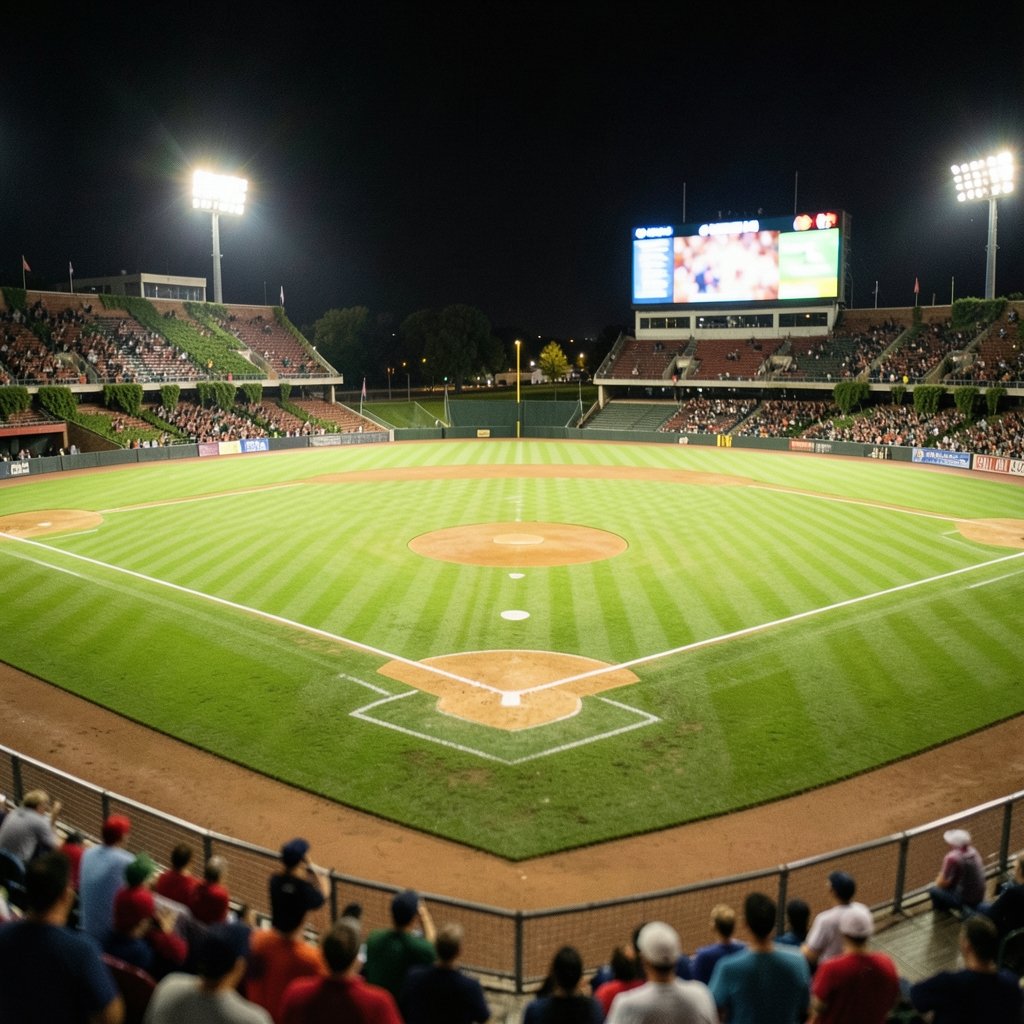
The 2016 National League Championship Series is the single series that defines this matchup in recent years. The Cubs, chasing their first pennant since 1945, met a Dodgers team with a loaded roster. Chicago won the series 4-2 and went on to win the World Series, ending a championship drought that stretched back to 1908. (9 common mistakes first time startup founders make dodge)
That series was a turning point for the franchise and a gut-punch for Los Angeles. It also set up a strange dynamic: the Dodgers, perennial powerhouses, had to watch the Cubs celebrate a title that Dodger fans felt should have been theirs.
The Dodgers got a measure of revenge in 2017, beating the Cubs in the NLCS 4-1 on their way to the World Series. Those back-to-back October meetings cemented the rivalry for a new generation of fans.
Different Blueprints, Similar Results
The two organizations build winners in very different ways, and that contrast is part of what makes the matchup interesting.
The Dodgers are the model of financial muscle combined with elite player development. They spend aggressively, but they also draft and develop stars, then use their depth to absorb injuries. Their farm system has produced homegrown All-Stars while the front office trades prospects for established help when needed.
The Cubs took a different path. After years of rebuilding, they assembled a young core that peaked in 2016. Since then, they have cycled through competitive windows, sometimes buying, sometimes selling, always trying to stay relevant in a tough NL Central.
For fans who track player-level detail, comparing how each roster performs in a given series is half the fun. A matchup guide like this breakdown of Brewers vs Dodgers player stats shows how deep the statistical rabbit hole can go when two strong NL teams meet. The same approach applies to Dodgers-Cubs games, where individual matchups often decide tight contests.
What Actually Decides These Games
In practice, Dodgers-Cubs games tend to hinge on a few recurring factors. Fans who watch closely notice the same patterns year after year.
- Starting pitching depth. Both clubs value rotation quality. When one team’s ace is on the mound and the other is running a back-end starter, the game often tilts early.
- Bullpen usage in the middle innings. The Dodgers have historically leaned on deep, flexible bullpens. The Cubs have had stretches where relief pitching was a weakness. Late-inning matchups frequently decide the outcome.
- Left-handed and right-handed platoon splits. Both lineups are built with platoon advantages in mind, so pitching changes come fast.
- Defense up the middle. Shortstop and center field play matter enormously in close games at pitcher-friendly parks.
- Ballpark effects. Dodger Stadium plays differently than Wrigley Field, and the schedule often splits series between the two.
A common mistake casual fans make is treating a regular-season series as meaningless. In the NL playoff race, head-to-head records can matter for tiebreakers, and momentum from a big series carries into the next week.
Reading the Numbers Without Getting Lost
Baseball statistics can overwhelm newcomers. The trick is knowing which numbers actually explain what you are watching.
Batting average tells you how often a player gets a hit, but it ignores walks and power. On-base plus slugging (OPS) is a better single-number measure of offensive value. Earned run average (ERA) measures pitching, though it depends heavily on defense. Fielding independent pitching (FIP) tries to isolate what a pitcher controls.
If you want to follow a Dodgers-Cubs series at the player level without drowning in spreadsheets, a guide to reading Dodgers vs Brewers match player stats without getting lost walks through the same skills you need here. The teams change; the method does not.
One practical tip: pick three stats per player, not thirty. For hitters, look at OPS, strikeout rate, and platoon splits. For pitchers, look at ERA, FIP, and innings pitched. That is enough to sound informed and actually understand the game.
The Wrigley Field Factor
No discussion of this rivalry is complete without Wrigley Field. The Cubs’ home park is one of the oldest in baseball, and its quirks shape games in ways that show up in the box score.
The wind at Wrigley can turn a routine fly ball into a home run or knock down a sure extra-base hit. Day games, ivy-covered walls, and a compact footprint create a unique environment. Visiting teams often need a series to adjust.
Dodger Stadium, by contrast, is a pitcher’s park with a spacious outfield and mild climate. The contrast between the two venues is one reason the rivalry produces such varied results depending on where the games are played.
A Rivalry Built on October, Not Geography
Most great baseball rivalries are regional: Yankees-Red Sox, Giants-Dodgers, Cubs-Cardinals. Dodgers-Cubs is different. It is a rivalry built almost entirely on postseason stakes and shared history.
That makes it unusual. There is no city bragging right at stake. There is no subway series. What exists instead is a sense that these two franchises keep running into each other when it matters most. The 2008 NLDS, the 2016 NLCS, and the 2017 NLCS all left marks.
For fans of either team, that history creates a specific kind of tension. A regular-season series in May feels like a preview. A series in September feels like a playoff rehearsal.
How to Watch a Dodgers-Cubs Series Like a Pro
If you are new to the matchup, here is a practical approach that works whether you are at the ballpark or watching on television.
- Check the probable pitchers before the series starts. The rotation order often tells you which game is the “swing” game.
- Watch the first three innings closely. Both teams tend to show their offensive approach early.
- Track bullpen usage across the series. Managers manage relief arms differently in a three-game set than in a single game.
- Note the platoon matchups. When a left-handed starter faces a lineup stacked with right-handed bats, expect early runs.
- Pay attention to defensive substitutions in the seventh inning and later.
That routine turns a casual viewing into something closer to how coaches and analysts watch the game.
Common Mistakes Fans Make With This Matchup
A few traps trip up even experienced fans.
The biggest is overreacting to a single series. Baseball seasons are long, and a three-game sweep in April rarely predicts October. Another is ignoring park effects. A slugfest at Wrigley does not mean the same lineup will explode at Dodger Stadium. A third is treating playoff history as destiny. The 2016 Cubs and 2017 Dodgers prove that momentum resets every October.
Finally, fans sometimes confuse regular-season dominance with playoff success. The Dodgers have won the NL West repeatedly, but translating that into championships took years. The Cubs won 103 games in 2016 and then had to survive a grueling postseason to win it all.
Conclusion
Dodgers vs Cubs is a rivalry that rewards attention. It is not built on geography or bad blood. It is built on two founding franchises, a century of shared history, and a run of October meetings that turned a quiet matchup into something fans circle on the calendar.
The Dodgers bring financial power, elite development, and relentless consistency. The Cubs bring a storied past, a legendary ballpark, and a recent championship that ended decades of frustration. When the two meet, the games tend to be tight, the pitching tends to matter, and the stakes always feel a little higher than the schedule suggests.
Whether you are a longtime fan or a newcomer learning the stats, the best way to enjoy this matchup is to watch the pitching, follow the platoon splits, and remember that in baseball, history and the present are always talking to each other.
Frequently Asked Questions
How many times have the Dodgers and Cubs met in the playoffs?
They have met multiple times in the postseason, most memorably in the 2008 NLDS, the 2016 NLCS, and the 2017 NLCS. The Cubs won the 2016 series on their way to a World Series title, while the Dodgers won in 2008 and 2017.
Who has won more World Series titles, the Dodgers or the Cubs?
The Dodgers have won eight World Series titles, most recently in 2020 and 2024. The Cubs have won three, in 1907, 1908, and 2016.
Why is Dodgers vs Cubs considered a rivalry if they are not in the same city?
The rivalry is built on shared founding-era history and repeated postseason meetings rather than geography. Both are original National League franchises, and their October matchups in the 2010s gave the series extra weight.
What stat should I use to compare Dodgers and Cubs players?
OPS is a good single measure of offensive value because it combines on-base percentage and slugging. For pitchers, ERA and FIP together give a clearer picture than either stat alone.
Does Wrigley Field give the Cubs a real home-field advantage?
Wrigley Field has unique characteristics, including wind patterns and a compact layout, that can affect scoring. Visiting teams often need time to adjust, which can create a modest home advantage.
When do the Dodgers and Cubs usually play each other?
Because they are in different divisions, the Dodgers and Cubs typically meet during regular-season interdivision play, with the schedule rotating home and away series. Postseason meetings depend on how deep each team advances.
That final point matters more than it sounds. Interdivision scheduling means a Dodgers-Cubs series is never guaranteed, so each one carries a scarcity value that division matchups lack. When the schedule rotates and the two clubs land on the same weekend, it is worth clearing the calendar. Add the possibility of an October rematch, and every regular-season meeting doubles as an audition for a bigger stage. For fans, the takeaway is simple: watch the pitching order, respect the park, and treat each series as a snapshot rather than a verdict. The rivalry will keep writing itself, one October at a time.



