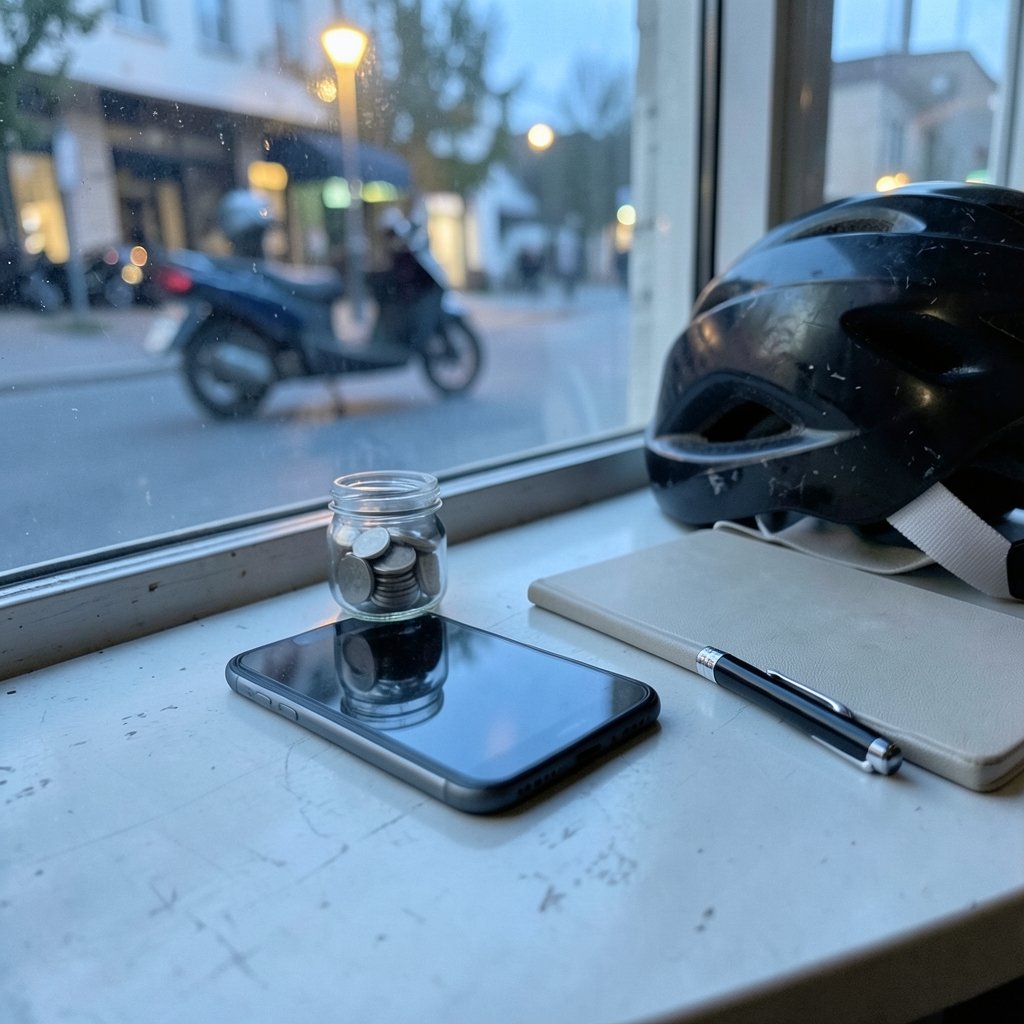
Can a person actually earn $100 a day online, or is that figure just bait designed to sell a course? The honest answer is that $100 a day is achievable, but almost nobody reaches it by tapping a phone screen during a coffee break. It is a real income target that requires a real skill, a real client, or a real product, and it usually takes months of unglamorous work before the first hundred-dollar day shows up.
This guide breaks down what $100 a day actually means, which methods genuinely pay that much, which ones quietly do not, and the practical mistakes that keep people stuck at $5 a day.
What $100 a Day Actually Means in Real Money
Before choosing a method, it helps to see the target clearly. $100 a day is about $36,500 a year before expenses and taxes (100 × 365). That is not pocket money. It sits near or above the median personal income for full-time workers in the United States, which is why the figure gets used so heavily in marketing: it sounds modest but represents a full-time income.
The number also changes depending on how you get there. Here is how the same $100 daily target looks across different models:
| Model | What $100/day requires | Typical ramp-up time | Main risk |
|---|---|---|---|
| Freelance service | 2 to 5 hours of billed work at $25–$50/hr | 1–4 months | Feast-or-famine pipeline |
| Product sales | ~3 sales at $35 profit margin | 3–9 months | Inventory and ad costs |
| Gig platforms | 6 to 10 hours of active work after expenses | Immediate but slow | Low effective hourly rate |
| Digital products | ~10 sales at $10, or 2 at $50 | 6–12 months | Long build before payoff |
| Content and ads | Tens of thousands of monthly pageviews | 12+ months | Platform algorithm changes |
The table reveals the core tradeoff: fast money is usually low-margin, and high-margin money is usually slow to build. Anyone promising both speed and high margin at once deserves a second look.
Why So Many “$100 a Day” Offers Are Traps

The search results for this topic are dominated by affiliate content and course sellers, which is exactly why the advice often feels recycled. The information environment is monetized, not neutral.
Consumer protection agencies have warned about this for years. The Federal Trade Commission’s guidance on business opportunity rules exists precisely because ads promising large income for little effort are a classic fraud pattern. The agency’s consumer explainer on work-at-home schemes is blunt: no legitimate employer asks you to pay to work, and any offer requiring an upfront payment deserves deep skepticism.
The pattern is predictable. A site promises $100 a day, then reveals that the “method” requires buying a $497 course, a $200 software subscription, or a starter kit. Sometimes the real product is recruiting others to do the same thing. If the money flows from new participants rather than from customers, it is not a business.
The practical rule that works: if you cannot describe exactly who pays you and why they would pay, the offer is not a job. A real client pays for a finished deliverable. A real customer buys a product they want. Nobody in a legitimate arrangement pays for the privilege of working.
The Methods That Genuinely Reach $100 a Day
Freelance Services Built on a Marketable Skill
This is the most reliable path, and it is boring in the best way. Writing, design, bookkeeping, video editing, web development, virtual assistance, and translation all have real buyers. The Bureau of Labor Statistics’ Occupational Outlook Handbook shows median pay for remote-friendly occupations such as writers and authors in the tens of thousands annually, which means the work has a genuine market rate behind it.
The math is simple. At $50 an hour, $100 a day is two billable hours. The hard part is not the work; it is finding the first three clients and delivering well enough that they come back. Most beginners underprice badly, take on too many small jobs, and burn out before they build a repeatable pipeline.
A realistic sequence looks like this:
- Pick one skill you can already perform at a competent level.
- Build three sample pieces that look like real client work.
- Pitch ten small businesses or agencies per week with a specific, short message.
- Deliver the first job fast and ask for a testimonial.
- Raise your rate after every three completed projects.
Selling Products Through an Online Store
Physical and digital product sales can clear $100 a day with far fewer hours than freelancing, but the setup cost is higher. A store selling items with a $35 profit margin needs roughly three sales daily. That sounds easy until you factor in ad spend, returns, and inventory.
Store owners who actually hit the target tend to obsess over operations rather than marketing tricks. Choosing the right inventory management software for online stores is one of those unglamorous decisions that determines whether margins survive. Overselling, stockouts, and shipping errors eat profit faster than any ad campaign.
Digital products, templates, and printables avoid inventory entirely, but they demand an audience first. Expect six to twelve months of consistent publishing before meaningful sales.
Gig and Delivery Platforms
Ride-hailing and delivery apps pay quickly, which makes them attractive. But academic research on gig-economy earnings has repeatedly found that take-home pay after expenses often falls well short of advertised gross figures. Once fuel, maintenance, insurance, and unpaid waiting time are counted, the effective hourly rate can drop sharply.
Reaching $100 a day on these platforms is possible in dense cities during peak hours, but it typically requires long shifts and treats vehicle wear as free. It is a bridge, not a ladder.
Content, Courses, and Audience-Based Income
This is the slowest path and the one most oversold. A blog or channel needs substantial traffic before ad revenue reaches $100 a day. The upside is that the asset keeps earning after the work stops. Anyone considering it should treat the first year as an investment with no return, because that is what it usually is.
If you are weighing this against faster options, a broader look at how to make money online in 2026 with real paths, real pay, and real risks is a useful reality check before committing months to a single channel. (Online shop (e-commerce overview))
The Costs Nobody Mentions: Taxes, Fees, and Scams
Self-Employment Tax Is Not Optional
Income from freelancing, gig platforms, and online sales is taxable. In the United States, net self-employment earnings above $400 generally trigger self-employment tax, and the IRS self-employed individuals tax center explains the filing rules, quarterly estimates, and deduction categories in detail. People who ignore this often discover in April that a chunk of their $100-a-day income was never really theirs.
Platform reporting thresholds add another wrinkle. Payment platforms issue tax forms at certain volume levels, and those thresholds have changed repeatedly in recent years. Check the current rules before assuming a low volume of sales stays off the radar.
Fees Quietly Shrink Every Payment
Freelance marketplaces, payment processors, and e-commerce platforms all take a cut. A $50 project can net $42 after platform and processing fees. At scale, that difference is thousands of dollars a year. Pricing should always account for the fee, not be set before it.
Fraud Targets Anyone Earning Online
Scammers follow the money. Payment fraud, fake clients who overpay and request refunds, and gift card requests are all common. The gift card scam works because victims rarely get their money back, which is why no legitimate client will ever ask to be paid or reimbursed in gift cards. Identity theft is a related risk; understanding where identity threat detection costs actually go helps explain why protecting accounts matters more as online income grows.
Practical Habits That Separate $100-a-Day Earners From Everyone Else
People who consistently hit the target tend to share a handful of habits, and none of them involve shortcuts.
They track hours and net pay. Gross revenue is flattering; net pay per hour is honest. Someone earning $3,000 a month while working 200 hours is making $15 an hour, which is a very different story.
They keep a small number of income streams. Two or three reliable sources beat seven half-started ones. Spreading too thin is the most common beginner mistake.
They raise prices before they feel ready. Most freelancers wait for permission that never comes. Raising a rate by 20 percent and losing one client often nets more money and less stress.
They separate business and personal money. A dedicated account makes tax time survivable and prevents the slow bleed of small business expenses into daily spending.
They build a buffer before quitting a job. Reaching $100 a day once is not the same as reaching it every month. Three consecutive months of hitting the target is a far better signal.
For anyone planning to work from anywhere while building this income, treating logistics seriously pays off. A step-by-step guide to planning a road trip that runs smoothly from day one is a surprisingly practical read for remote workers, since unreliable connectivity and poor planning wreck more working days than most people expect.
Conclusion
Earning $100 a day online is not a fantasy, but it is also not a hack. It is a full-time income target that rewards people who build a real skill, find real buyers, and treat the work like a business rather than a lottery ticket. Freelancing offers the fastest credible route; product sales offer better leverage once established; gig platforms offer speed at the cost of margin; and content offers the biggest long-term payoff with the longest wait.
The people who fail usually do so for the same reasons: they pay for a shortcut, they underprice their work, they ignore taxes and fees, or they quit in month two. The people who succeed do the opposite. They pick one path, deliver reliably, raise their rates, and let compounding do the rest. A hundred dollars a day is a reasonable goal. It just is not a fast one.
FAQ
How long does it take to earn $100 a day online?
For freelancers with an existing skill, one to four months of active pitching is realistic. Product sellers usually need three to nine months. Content-based income often takes a year or more. Anyone promising a week is selling something.
Do I need to pay for a course to start?
No. Every credible method can be learned from free or low-cost sources. If an offer requires an upfront payment before you can begin earning, that is a warning sign rather than an investment.
Is $100 a day online income taxable?
Yes, in most countries. In the United States, net self-employment earnings above $400 generally require filing and self-employment tax. Set aside a percentage of every payment from day one.
Which method is best for complete beginners?
Freelance services built on a skill you already have. The startup cost is near zero, feedback is immediate, and you learn what clients actually pay for. Product and content models require capital or an audience first.
Can I reach $100 a day working part-time?
Yes, if the hourly rate is high enough. Two billable hours at $50 an hour hits the target. The constraint is not hours but rate, which is why raising prices matters more than adding side gigs.
How do I avoid work-from-home scams?
Never pay to work, never accept overpayment or gift card requests, and verify the client’s business independently. Consumer protection agencies maintain public guidance on work-at-home schemes and current scam reports, and checking them takes minutes.