
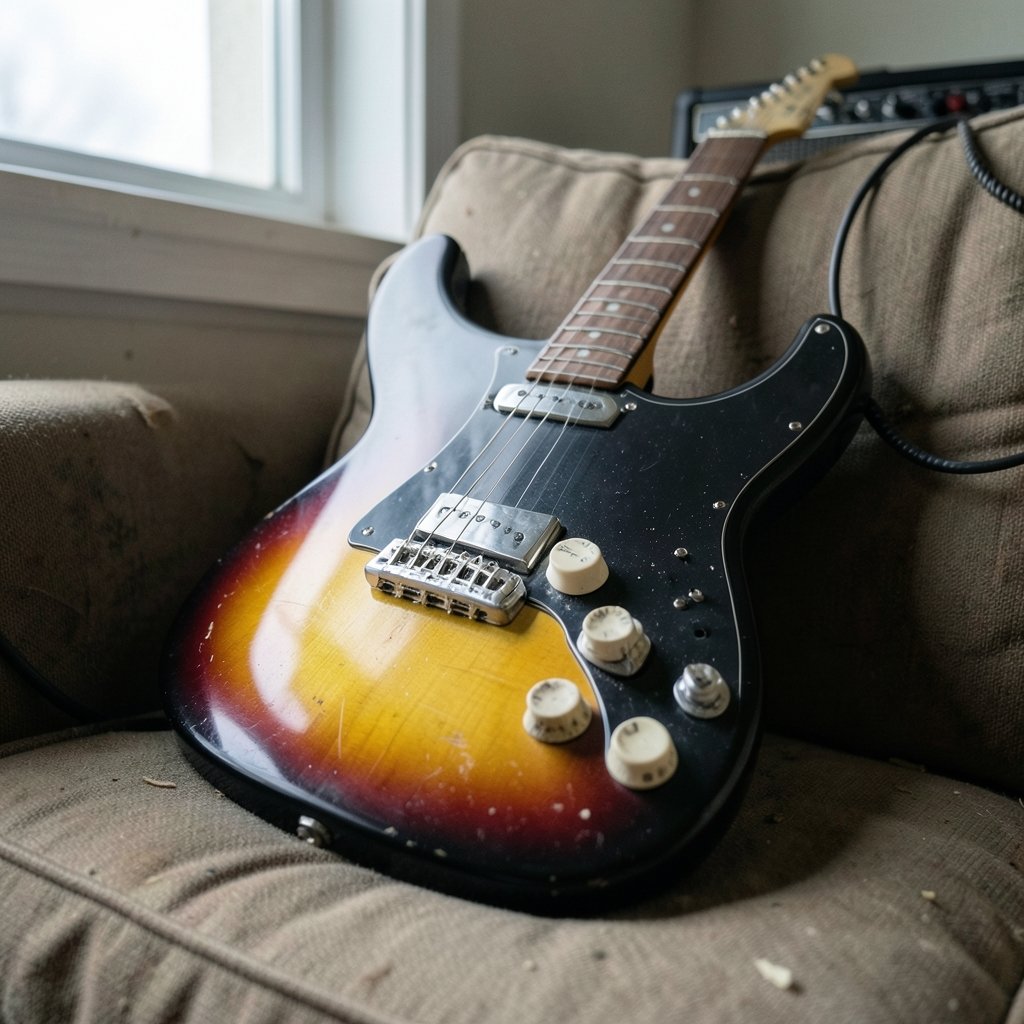
What if the most important thing about a guitar isn’t on the spec sheet at all? The Fender Player II Stratocaster HSS looks like a straightforward mid-price Strat on paper, yet it sits at a crossroads that confuses a lot of buyers: it carries the Fender name, it’s built in Mexico, and it costs real money without reaching American-made territory. Is it a smart compromise or a stopgap you’ll outgrow in a year? The answer depends on what you actually play, and on understanding exactly what this guitar is and isn’t.
Where the Player II HSS Fits in Fender’s Lineup
Fender’s product ladder is easy to get lost in. At the bottom sits Squier, the budget brand. Above that come the Mexican-made Player models. Then come the American-made lines, and beyond those, custom shop instruments. The Player II series arrived in 2024 as a refresh of the original Player series, which itself replaced the Standard series around 2018. All Player-series guitars come out of Fender’s Ensenada facility in Baja California, Mexico.
That manufacturing location matters more than some players admit. Mexican Fender instruments share tooling philosophy and quality-control standards with their American cousins, but they use different hardware, pickups, and finishing processes to hit a lower price. The result is a guitar that feels genuinely like a Stratocaster in your hands while cutting costs in places you may or may not care about.
One naming trap deserves attention right away. Player II is not Player Plus. Player Plus is a separate, higher-spec line that adds noiseless pickups and rolled fingerboard edges. Nor is Player II the same as the original Player series. Retailers sometimes list these side by side with similar photos, so read the model name carefully before you click buy. (Portland trail blazers vs san antonio spurs player stats)
What HSS Actually Means for Your Sound
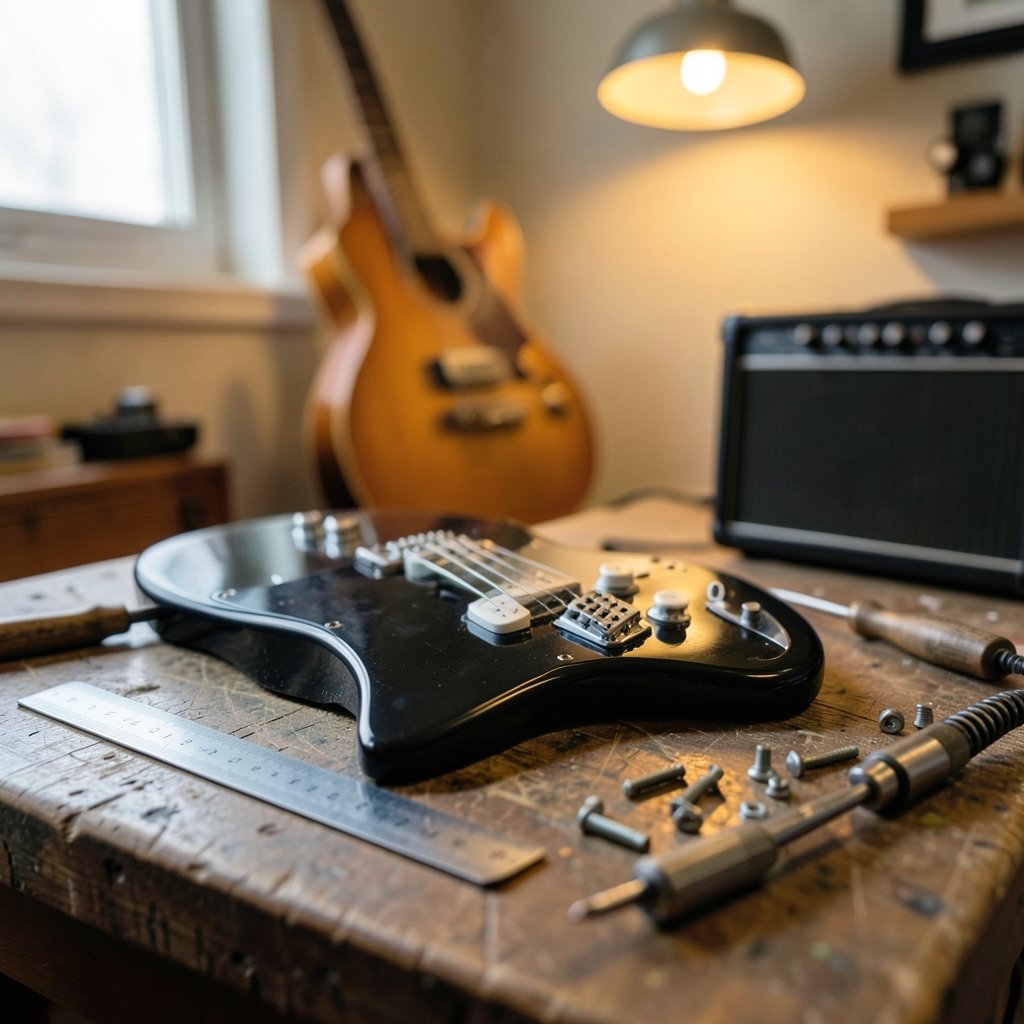
The letters matter. HSS stands for humbucker-single-single: a humbucking pickup in the bridge position, with two single-coil pickups in the middle and neck. This is one of the most practical pickup layouts Fender offers, and it solves a problem that frustrates plenty of traditional Strat players.
A standard three-single-coil Strat sounds glorious in positions one through five, but the bridge single coil can be thin and noisy under gain. An HSS layout swaps that bridge pickup for a humbucker, which delivers a hotter, quieter signal. You get classic quack and bell-like chime from the neck and middle positions, plus a bridge tone that can push an amp into rock territory without a pedal board full of boosters.
The trade-off is real, though. Purists will tell you the HSS bridge position loses some of the glassy snap that defines a vintage Strat. That’s true. If your playing lives entirely in clean funk and country, the SSS version may serve you better. If you cover rock, blues-rock, or anything that needs a thicker bridge tone, HSS is the more versatile choice.
Historically, Player-series HSS models have used a Fender Player Series alnico humbucker rather than a generic ceramic unit, though the exact pickup model on Player II should be confirmed on Fender’s official product page before you buy.
Body, Neck, and Feel
Player II Stratocasters typically pair an alder body with a maple neck. Alder is the classic Strat wood for good reason: it’s balanced, lightweight enough for long gigs, and takes finish colors well. Fingerboard options usually include maple and rosewood, though the exact fretboard available per finish varies, so check the specific color you want.
The scale length is the standard Fender 25.5 inches (648 mm), with 22 frets. Players coming from Gibson-style guitars often notice the longer scale immediately: strings feel slightly tighter, chords stretch a little further, and the overall response is snappier. That’s not a flaw. It’s the Stratocaster character, and it’s why the design has survived since the 1950s.
The tremolo bridge on Player II Strats is generally described as a two-point synchronized tremolo. If you’re comparing specs across models and years, note that some earlier Player instruments used different bridge configurations. The two-point design offers smoother operation than a six-screw vintage bridge, though many players simply deck the tremolo against the body and treat the guitar as a hardtail.
Controls and Switching
The control layout follows the familiar Strat template: master volume, tone one for the neck pickup, tone two for the middle (and often bridge, depending on wiring), plus a five-way blade switch. This is a layout millions of players already know by muscle memory, which is part of the appeal. There’s no learning curve if you’ve played a Strat before.
How It Compares to the Alternatives
Specs only mean something in context. Here’s how the Player II HSS stacks up against the models buyers most often weigh it against.
| Model | Pickup Layout | Build Origin | Tier Position | Best For |
|---|---|---|---|---|
| Squier Affinity Strat | SSS or HSS | Indonesia/China | Entry | First guitar, tight budgets |
| Fender Player II HSS | HSS | Mexico | Mid | Gigging players, rock and blues |
| Fender Player Plus | HSS or SSS | Mexico | Upper-mid | Players wanting noiseless pickups |
| American Performer | HSS or SSS | USA | Upper | Buyers wanting American-made |
| American Professional II | HSS or SSS | USA | Premium | Working pros, long-term investment |
The pattern is clear. Player II sits in the middle tier, below the American lines and above Squier. It’s the guitar for someone who has outgrown a beginner instrument but isn’t ready to spend American-made money. That positioning has held steady across Fender’s lineup for years, even as specific models change.
Practical Tips From Real-World Ownership
Spec sheets don’t tell you how a guitar behaves after six months. These are the things that actually matter in practice.
Budget for a setup. Virtually every new guitar, at any price, benefits from a professional setup. Action height, intonation, and neck relief out of the box are set for shipping, not for your hands. A $60 to $80 setup transforms how a mid-price guitar plays, and it’s the single best money you’ll spend.
Check the nut and fret ends. This is where mid-price instruments most often show cost-cutting. Sharp fret ends happen, especially in dry climates where the fingerboard shrinks. Run your hand along the neck edge before buying, or ask a tech to dress the frets if you buy online.
Don’t dismiss the tremolo setup. If you don’t use the whammy bar, deck the bridge or add springs. Tuning stability improves dramatically, and bending becomes more predictable. If you do use it, learn how to lubricate the nut slots. A tiny bit of graphite from a pencil is a free fix that prevents most tuning headaches.
Play it before you judge the pickups. Amp settings change everything. A bridge humbucker that sounds harsh at home often sits perfectly in a band mix. Give yourself a few weeks with your usual rig before deciding whether to swap anything.
Watch for the Player II versus Player confusion in used listings. Sellers sometimes describe an original Player as a Player II, or vice versa. Check the serial number and the headstock logo details. If you’re comparing matchups and stats across models, the same discipline applies as when you read Packers vs Lions player stats the right way — verify the source before trusting the numbers.
Common Mistakes Buyers Make
The most frequent error is buying on finish color alone. A guitar is a tool first. Play several examples of the same model if you can, because individual instruments vary. Two Player II HSS Strats off the same rack can feel noticeably different in neck weight and fretwork.
The second mistake is over-upgrading immediately. New owners often rush to swap pickups before adjusting pickup height, which is free and changes tone significantly. Raise or lower the pickups a few millimeters and listen. You may find the stock sound was fine all along.
The third mistake is ignoring the amplifier. A mid-price guitar through a good amp will outplay a premium guitar through a weak one every time. If your budget is split, weight it toward the amp.
The fourth is assuming “Made in Mexico” means lower quality. It means different specifications at a different price. Plenty of working musicians gig Mexican Fenders for years without issue.
Care, Maintenance, and Longevity
A Stratocaster is one of the easiest guitars to maintain. Change strings regularly, keep the fretboard conditioned if it’s rosewood, and store the instrument in stable humidity when possible. Truss rod adjustments are straightforward with the right wrench, though if you’re unsure, a tech can handle it in minutes.
The bolt-on neck design is a hidden advantage. If damage ever occurs, the neck can be replaced independently of the body. That modularity is part of why Strats remain repairable decades after purchase, and it’s a strong argument for buying into the platform rather than a glued-neck design.
Electronics are equally serviceable. The pickguard assembly lifts out with a few screws, giving access to the switch, pots, and wiring. If a pot gets scratchy, contact cleaner usually fixes it. If you ever want a different pickup set, the swap is simple and reversible.
Who Should Buy It, and Who Shouldn’t
Buy the Fender Player II Stratocaster HSS if you play rock, blues, or covers and want one guitar that handles clean and driven tones without pedal gymnastics. Buy it if you gig and want a reliable instrument you’re not afraid to take to a bar. Buy it if you want the Strat feel and layout without paying American-made prices.
Skip it if your playing is strictly vintage-clean country or funk, where the SSS bridge single coil is the more authentic voice. Skip it if you’re a beginner on a tight budget, because a well-set-up Squier will teach you the same fundamentals for less. And skip it if you’ve already decided you want an American Fender, because settling for less tends to lead to buying twice.
For players who enjoy comparing detailed performance numbers before committing, the same analytical habit helps here. Just as you’d read Tennessee Titans vs Cleveland Browns match player stats to understand what the box score hides, reading a guitar spec sheet carefully reveals what marketing language glosses over.
Conclusion
The Fender Player II Stratocaster HSS is a sensible instrument in a market full of sensible instruments. It doesn’t reinvent the Stratocaster, and it doesn’t need to. What it offers is the familiar Strat platform, a versatile humbucker bridge pickup, and Mexican manufacturing that keeps the price within reach of serious hobbyists and working players alike.
The key is knowing what you’re buying. Understand the HSS layout, respect the difference between Player II and Player Plus, budget for a setup, and play a few examples before committing. Do that, and this guitar will likely serve you for years. Skip that homework, and you may end up chasing upgrades you never needed. The guitar is capable. The decision is yours.
FAQ
Is the Fender Player II Stratocaster HSS made in America?
No. Player II models are built at Fender’s Ensenada facility in Baja California, Mexico. American-made Strats sit in higher tiers such as the American Performer and American Professional lines. Mexican manufacture is a deliberate cost-control choice, not an indicator of poor quality.
What does HSS mean on a Stratocaster?
HSS means humbucker-single-single: a humbucking pickup in the bridge position with two single-coil pickups in the middle and neck. This layout keeps classic Strat chime in the neck and middle positions while giving the bridge a hotter, quieter, more rock-friendly voice.
Is Player II the same as Player Plus?
No, they are separate lines. Player Plus is a higher-spec series that adds features like noiseless pickups and rolled fingerboard edges. Player II is the 2024 refresh of the standard Player series. Retailers sometimes list them with similar photos, so check the model name carefully.
What is the scale length and fret count?
Player II Stratocasters use Fender’s standard 25.5-inch (648 mm) scale length with 22 frets. The longer scale compared to Gibson-style guitars gives the Strat its characteristic snap and string tension.
Should I buy the HSS or SSS version?
Choose HSS if you play rock, blues-rock, or covers and want a thicker bridge tone with less noise. Choose SSS if your playing is mostly clean, vintage-style country or funk, where the bridge single coil’s glassy snap is essential.
Do I need a professional setup after buying?
It’s strongly recommended. Factory setups are designed for shipping, not for your hands. A professional setup covering action, intonation, and neck relief typically costs modestly and dramatically improves playability. It’s the best value upgrade for any new guitar.



