
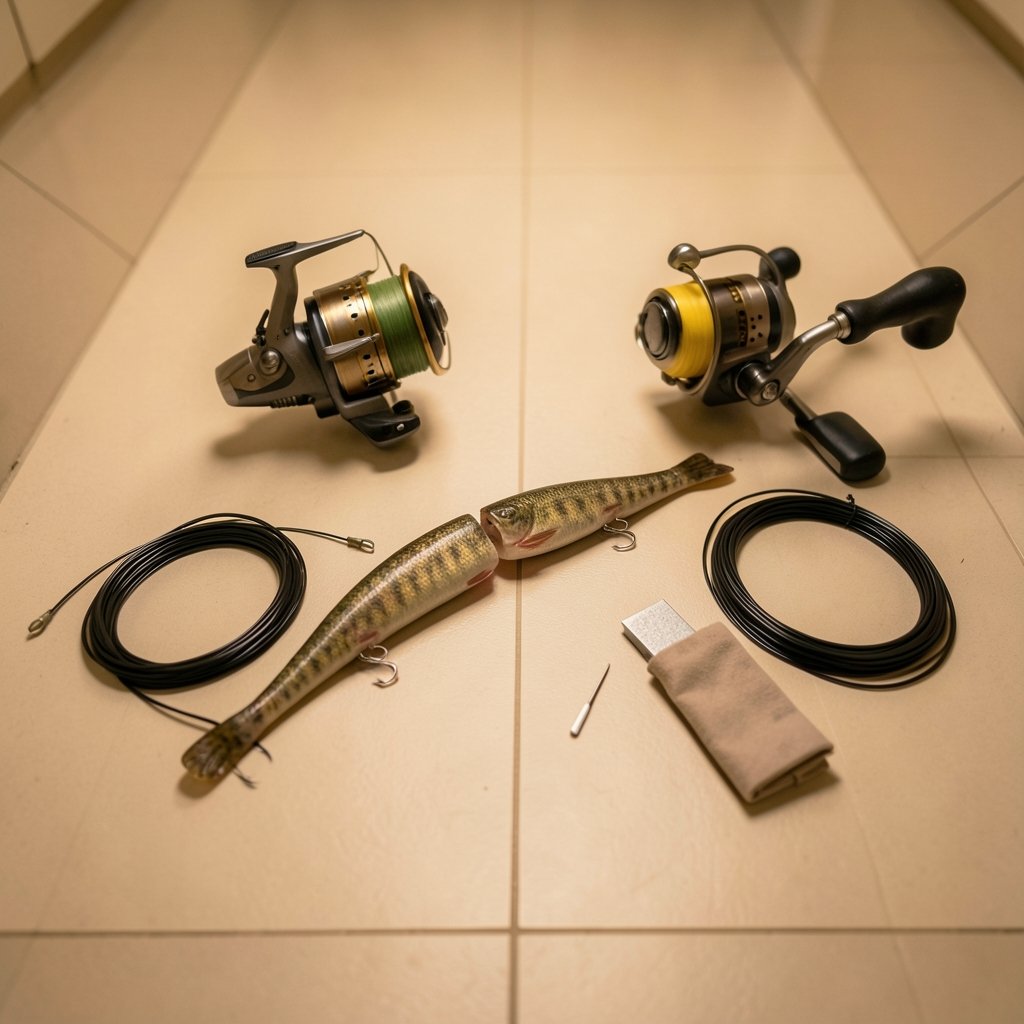
What makes a big bass leave the safety of cover to chase down a lure that isn’t even running away? That question drives glide bait fishing. A glide bait doesn’t swim like a crankbait or wobble like a spinnerbait. It slides through the water in wide, lazy arcs, and when it stops, it hangs there like a stunned fish. That pause is what gets eaten. This article explains what glide baits are, how to fish them properly, how to rig them without breaking your gear or your budget, and what the tackle industry won’t tell you about the evidence behind the hype.
What Is a Glide Bait, Exactly?
A glide bait is a jointed or multi-section hard swimbait built to swing side to side on a slack line rather than track straight. The design uses hinges and a wide, flat profile so the bait carves an S-shaped path when the angler snaps the rod tip and then lets the line go slack. The bait glides, pauses, and glides again.
That definition sounds straightforward, but it isn’t standardized. Manufacturers and anglers don’t agree on exactly where a glide bait ends and a plain swimbait begins. The terms glider, glide bait, and swimbait overlap heavily in catalogs and on forums, and there is no single authoritative definition. A bait sold as a “glider” by one brand might be called a “multi-joint swimbait” by another. If you’re shopping, look at the action, not the label.
The technique is widely associated with Japanese bass fishing before it spread into the United States, though specific origin claims (which maker, which year, which lake) are repeated constantly and sourced rarely. Treat those stories with some skepticism.
Why the Pause Does the Work
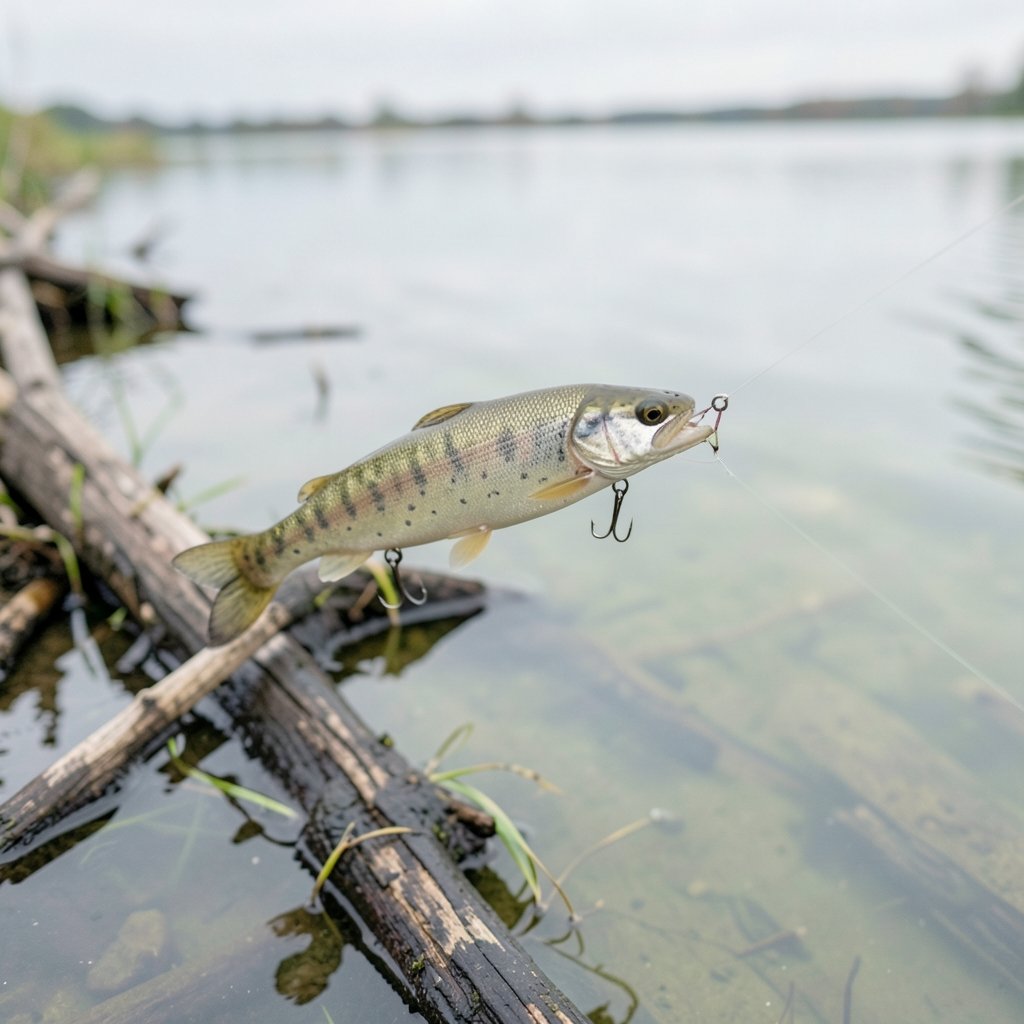
Most bass lures create reaction strikes through speed or vibration. Glide baits work on a different principle: they create a window of vulnerability. When a glide bait stops, it looks like a baitfish that has paused or lost its bearings. Predators are wired to exploit that moment.
This is why so many glide-bait strikes come on the pause rather than during the twitch. Anglers who retrieve glide baits like a jerkbait, with a tight, fast cadence and no slack, usually catch far fewer fish. The bait needs room to swing. Slack line isn’t sloppy fishing here. It’s the mechanism.
One practical tip that separates experienced glide-bait anglers from beginners: watch the line, not the bait. The strike often happens while the bait is hanging motionless, and the line will jump or tick before you feel anything through the rod.
Choosing a Glide Bait: Size, Weight, and Action
Glide baits are typically large, often running from about 6 inches up to 10 inches or more, and they are heavy for their size. That weight is what allows them to cast and to glide. It also dictates your rod, reel, and line choices, which is where most beginners get into trouble.
| Factor | What to Look For | Why It Matters |
|---|---|---|
| Length | 6 to 8 inches for general use; 9 to 10+ inches for trophy hunting | Bigger baits draw bigger fish but reduce hookup rates |
| Weight | Heavy enough to load a heavy rod and cast cleanly | Too light and the bait won’t glide; too heavy and it overloads gear |
| Number of joints | Two or three sections is common | More joints usually means a wider, looser glide |
| Sink rate | Slow sink is the most versatile starting point | Slow sink lets you work multiple depths and pause naturally |
| Hook quality | Strong, sharp trebles sized to the bait | Big fish straighten cheap hardware |
A slow-sinking glide bait is the most forgiving choice for a first purchase. It can be worked shallow, counted down to deeper water, and paused without sinking out of the strike zone. Floating and fast-sinking versions have their place, but they narrow your options while you’re learning.
How to Rig a Glide Bait So It Survives Big Fish
Glide bait fishing puts unusual stress on tackle. You’re casting a heavy bait, snapping the rod hard, and fighting large fish on relatively short line. Gear failure is common, and it’s almost always preventable.
Here’s a setup that holds up in practice:
- Rod: A heavy or extra-heavy casting rod with a fast or moderate-fast action, rated for the bait’s weight. A rod that’s too light will load poorly and won’t snap the bait crisply.
- Reel: A low-profile baitcaster with a strong drag and enough line capacity. Cheap reels fail under repeated hard casts with heavy baits.
- Line: Braided line with a leader, or heavy fluorocarbon. Braid gives you casting distance and a solid hookset; a fluorocarbon leader adds abrasion resistance near cover.
- Knot and leader: Keep the leader short enough that the knot doesn’t pass through the guides during the cast. A long leader plus a heavy bait is a recipe for a snap-off.
- Hardware check: Before the first cast, check the split rings and hooks. Upgrading hooks on an inexpensive bait is often the single best improvement you can make.
The most common mistake beginners make is pairing a 9-inch glide bait with a rod they already own for jigs or frogs. It feels workable in the driveway and falls apart on the water. Match the rod rating to the bait weight, and don’t guess.
The Twitch-Pause Retrieve, Step by Step
The standard glide bait retrieve is a twitch-pause cadence, and the rhythm matters more than the force. Here’s how it works in practice:
- Cast and let the bait settle to your target depth.
- Point the rod tip slightly down and toward the bait.
- Snap the rod tip sharply for a short distance, then immediately drop the tip back toward the bait to create slack.
- Let the bait glide and pause. One second is a good starting point; extend it to three or four seconds when fish are following but not committing.
- Repeat, varying the snap intensity and pause length until you find what the fish want that day.
Two adjustments solve most problems. If fish follow and turn away, lengthen the pause. If you’re not getting follows at all, change the angle of your cast or the depth rather than the cadence. Glide baits are at their best around cover, along edges, and in clear water where fish can see the bait from a distance.
Common Mistakes That Cost Fish
Glide bait fishing has a short list of failure modes, and nearly every angler hits at least one of them early.
Overworking the bait. Constant twitching leaves no pause. The bait never looks vulnerable, and fish lose interest.
Fishing it too fast in cold water. Glide baits are often associated with spring and fall, when fish are willing to chase. In cold water, slow down and stretch the pauses dramatically.
Using too light a rod. A soft rod absorbs the snap you need to make the bait glide. The bait tracks straight and the whole technique collapses.
Skipping the hookset. Big glide baits have a lot of plastic and hardware between you and the fish. A sweeping, committed hookset matters, especially on long casts with stretchy line.
Ignoring the follow. If a fish follows and doesn’t eat, don’t reel in and cast somewhere else. Kill the bait, let it sit, and give the fish a second chance. Sometimes a small twitch after a long pause is all it takes.
Does the Hype Match the Evidence?
Here’s where a balanced look matters. Glide baits have a devoted following and a reputation for producing large fish, but the supporting evidence is mostly anecdotal. Tackle media coverage, tournament results, and angler reports drive the reputation. There is very little peer-reviewed fisheries science specifically testing glide bait effectiveness against other lure types.
That doesn’t mean glide baits don’t work. It means claims like “glide baits catch bigger fish on average” should be read as angler lore rather than measured fact. The honest position is that glide baits are a specialized tool with real strengths (drawing reactions from pressured, clear-water fish) and real weaknesses (low hookup ratios, high cost, demanding gear requirements).
Cost is worth naming plainly. Quality glide baits are expensive, and losing one to a bad knot or a snapped leader hurts. Many anglers start with less expensive models, learn the retrieve, and upgrade once they’re confident. That’s a sensible path.
Glide Baits Beyond Bass Fishing
The term isn’t exclusive to bass. Glide-style baits also appear in ice fishing for panfish and in saltwater applications for species like striped bass. The scale, hardware, and retrieve change with the application, but the core idea, a bait that slides and stalls, carries over.
If you’re reading about glide baits and the advice doesn’t seem to fit your situation, check which meaning is in play. A 2-inch ice fishing glider and a 10-inch bass glide bait share a name and almost nothing else.
Building a Practical Glide Bait Approach
For anglers new to the technique, a sensible progression looks like this: buy one slow-sinking bait in the 7- to 8-inch range, pair it with a properly rated heavy rod and braided line, and spend a few trips learning the twitch-pause cadence before adding more baits. Practice the snap-and-slack motion in shallow, open water where you can watch the bait’s path. You’ll learn more in twenty minutes of watching than in hours of blind casting.
Once the cadence feels natural, start experimenting with pause length, casting angle, and depth. The anglers who catch consistently on glide baits aren’t doing anything secret. They’re reading follows, adjusting the pause, and committing to the hookset.
For more fishing technique and gear guidance, visit
Conclusion
Glide baits reward patience and punish shortcuts. The lure itself is simple, a jointed hard bait that slides and stalls, but the technique behind it demands the right rod, the right line, and the discipline to let the bait sit still. The pause is the whole point. Gear mismatches and overworked retrieves account for most of the frustration beginners feel, and both are fixable. The evidence for glide baits is thinner than the marketing suggests, but the underlying principle, that a stalled bait looks like an easy meal, is sound. Start with one slow-sinking bait, learn the cadence, and let the follows tell you what to change.
Frequently Asked Questions
What is the difference between a glide bait and a swimbait?
A glide bait is generally considered a type of hard swimbait, but the terms aren’t standardized. A glide bait is jointed or multi-sectioned and designed to swing side to side on slack line, while “swimbait” is a broader category that includes soft plastics, single-joint baits, and straight-tracking hard baits. Manufacturers use the labels inconsistently, so judge by the action rather than the name.
What size glide bait should a beginner buy?
A slow-sinking bait in the 7- to 8-inch range is the most versatile starting point. It’s large enough to draw big fish, manageable on a heavy casting rod, and works at multiple depths. Baits of 9 to 10 inches and up are better suited to anglers who already have the rod, line, and cadence dialed in.
Do glide baits actually catch bigger bass?
That reputation is widespread but not well documented. Most supporting evidence is anecdotal, coming from angler reports and tackle media rather than controlled studies. Glide baits do excel at drawing reactions from pressured fish in clear water, but claims about average fish size should be treated as angler experience rather than measured fact.
Why do bass follow my glide bait but not eat it?
Follows without strikes usually mean the pause is too short or the retrieve is too aggressive. Lengthen the pause to three or four seconds, kill the bait completely, and give the fish time to commit. If follows continue without eats, change your casting angle or work a different depth rather than speeding up.
What rod and line do glide baits require?
Glide baits need a heavy or extra-heavy casting rod rated for the bait’s weight, paired with a reel that has a strong drag. Braided line with a short fluorocarbon leader is a common setup, offering casting distance and a solid hookset. A rod that’s too light absorbs the snap and prevents the bait from gliding properly.
Can glide baits be used for anything other than bass?
Yes. Glide-style baits also show up in ice fishing for panfish and in saltwater fishing for species like striped bass. The sizes, hardware, and retrieves differ significantly from bass glide baits, so advice written for one application often doesn’t translate to another.



