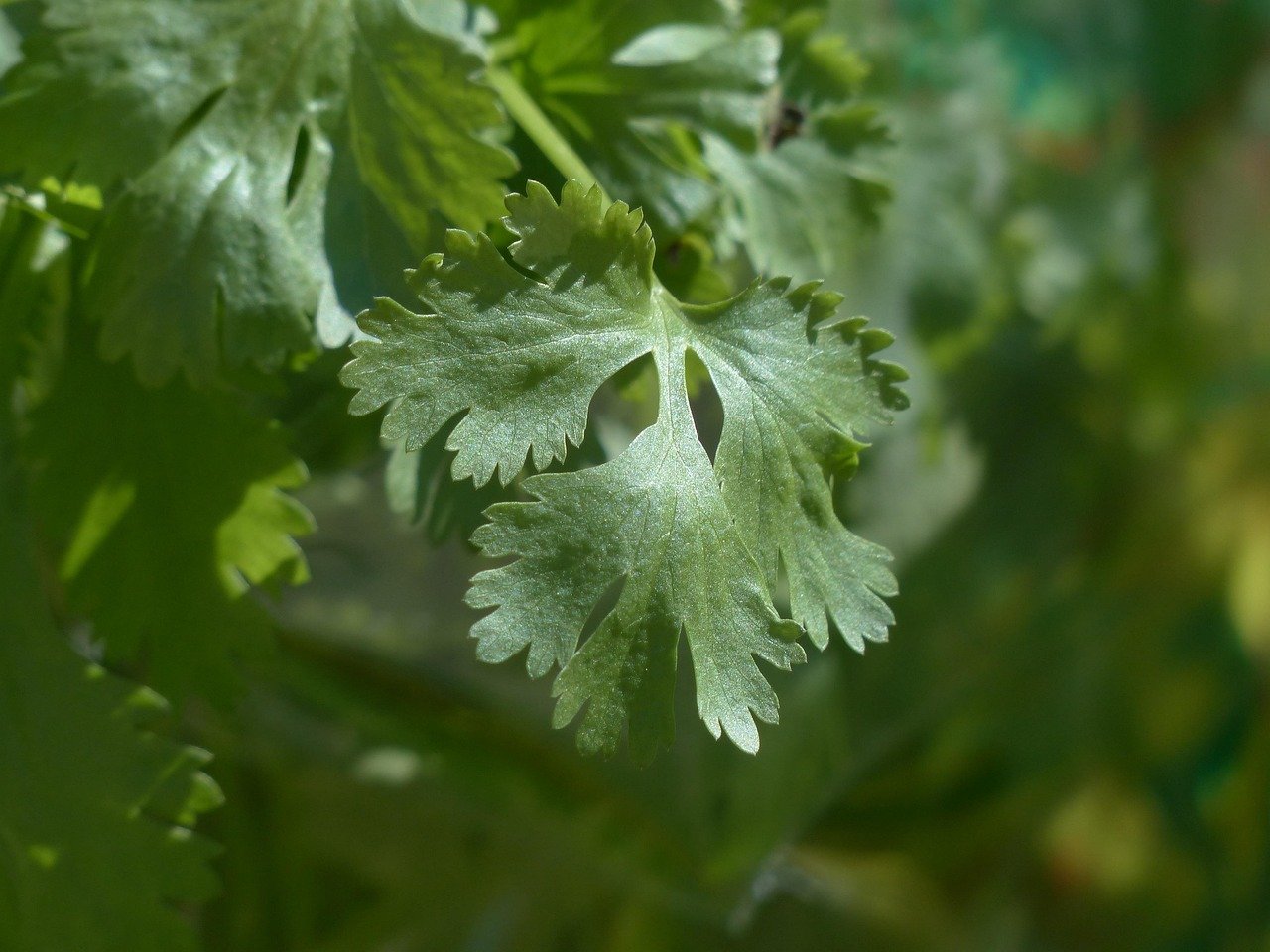
Why does cilantro thrive in one garden bed and bolt into bitter flowers in the next? The answer almost always comes down to timing, temperature, and a handful of small habits that most gardeners learn the hard way. Cilantro is one of the most forgiving herbs to start and one of the easiest to lose to summer heat. This guide walks through what actually works in practice, from sowing to seed saving, so you can keep a steady supply of fresh leaves instead of watching the plant turn woody in July.
Meet the Plant: One Herb, Two Names
Cilantro and coriander are the same plant, Coriandrum sativum, an annual in the carrot and parsley family. In North America, the leafy green is usually called cilantro, while the dried seed is called coriander. That fact changes how you garden it. The leaves, stems, roots, and seeds of this dual-purpose crop all show up in kitchens around the world, so you are growing more than a garnish. (Coriander (Cilantro))
Because it is a true annual, cilantro completes its whole life cycle in a single season. It germinates, grows leaves, flowers, sets seed, and dies. Your job is to stretch the leafy stage as long as possible and then decide whether to let it finish so you can collect the spice.
Why Cilantro Is a Cool-Season Crop

Cilantro loves cool weather. It grows best somewhere in the range of roughly 50 to 85°F (10 to 29°C), and it performs noticeably better at the lower end of that band. Once daytime temperatures push past the mid-80s, the plant shifts gears. It stops producing tender new leaves and starts pushing up a flower stalk. That process is called bolting, and it is the single biggest frustration for new growers.
Bolting is not a disease or a mistake. It is the plant’s natural response to heat and long days, an evolutionary trigger that tells it to reproduce before the season turns hostile. The problem is practical: once a cilantro plant flowers, the leaves turn narrow, feathery, and bitter. You can still eat them, but they lose the bright, citrusy punch that makes fresh salsa worth making.
The takeaway is simple. Treat cilantro as a spring and fall crop, not a summer one. Gardeners in hot climates often get their best harvests in autumn, winter, and early spring, while growers in cooler regions can enjoy a long window from mid-spring into early summer.
Choosing the Right Spot and Soil
Cilantro is not fussy about location, but it does have preferences. Give it full sun to partial shade. In mild climates, six hours of direct light is plenty. In hot regions, afternoon shade is a genuine advantage because it keeps soil and air temperatures down and delays bolting by a week or two.
For soil, aim for well-drained ground that holds moisture without staying soggy. Cilantro tolerates a range of soils but does best in a pH commonly cited around 6.2 to 6.8. Work in some compost before planting. The herb has a taproot, so loose, deep soil helps it establish quickly.
| Factor | Ideal Range | Notes |
|---|---|---|
| Temperature | 50–85°F (10–29°C) | Best leaf growth in the cooler half |
| Sun | Full sun to partial shade | Afternoon shade helps in hot climates |
| Soil pH | About 6.2–6.8 | Well-drained, compost-enriched |
| Germination time | Roughly 7–21 days | Slow and uneven |
| Spacing | 6–8 inches apart | Crowding invites mildew |
One practical tip that saves a lot of grief: keep cilantro close to the kitchen. It is a cut-and-come-again herb, and a pot by the back door gets harvested far more often than a distant row. If you are juggling limited space or budget, the same lean thinking that applies to growing a startup on limited resources works in a garden. Small, repeated investments in succession sowing beat one big effort every time. (Rtx spark retail launch doubts grow over arm gaming plans)
Sowing Seed the Right Way
Cilantro is almost always direct-sown. It has a taproot that resents disturbance, so transplants often stall or bolt early. Skip the seed trays and put seed straight into the ground or a final pot.
Here is a sowing sequence that works reliably:
- Loosen the top few inches of soil and smooth it out.
- Sow seed about a quarter inch deep, spaced roughly 6 to 8 inches apart if you are not thinning later.
- Water gently and keep the surface consistently moist. Dry soil is the main reason germination fails.
- Expect seedlings in roughly 7 to 21 days. Be patient; cilantro is famously slow and uneven.
- Thin seedlings once they are a couple of inches tall so air can move between plants.
A widely recommended trick is to lightly crush the seed coat before sowing. Each “seed” is actually a small fruit containing two seeds, and cracking it gently speeds water uptake. Press the seeds with the back of a spoon or rub them between your palms just until they split. Do not grind them to powder.
The other essential habit is succession sowing. Instead of planting one big patch, sow a small pinch every two to three weeks through spring and again in late summer. When one batch bolts, the next is ready. This single change turns cilantro from a disappointment into a dependable supply.
Watering, Feeding, and Day-to-Day Care
Cilantro likes even moisture. Aim for about an inch of water per week, including rain, and water at the base rather than overhead. Wet foliage in humid weather is an open invitation to disease.
Feeding is modest. Too much nitrogen produces lush, soft growth that is more vulnerable to pests and disease and no more flavorful. A light application of compost or a balanced organic fertilizer at planting is usually enough. If leaves look pale, a mild liquid feed will correct it.
Mulch helps in two ways. It conserves moisture and keeps the soil cooler, which slows bolting. A thin layer of straw or shredded leaves is plenty.
Common mistakes to avoid:
- Sowing too late in spring. By the time the soil warms, the heat arrives before the plants size up.
- Letting the soil dry out during germination. This is where most failed crops begin.
- Planting one big block. Without succession sowing, you get a glut followed by nothing.
- Overwatering in heavy clay. Cilantro hates waterlogged roots.
Beating the Bolt: Keeping Leaves Tender
You cannot stop bolting forever, but you can delay it. Choose slow-bolt varieties when you buy seed; many catalogs label them clearly. Time your plantings so the leafy stage falls in cool months. Use afternoon shade in hot regions. Keep plants well watered and mulched.
When you do see a flower stalk forming, pinch it out at the base. This buys a little more leaf harvest, though it is a delay rather than a cure. Some growers simply accept the trade and let a few plants flower on purpose, because cilantro flowers are a magnet for beneficial insects like hoverflies and parasitic wasps. Letting a plant bolt is not failure; it is a pest-control strategy and the first step toward your own coriander seed.
Harvesting for Continuous Supply
Harvest cilantro by cutting outer stems near the base, leaving the growing point in the center intact. The plant keeps pushing new leaves from the middle, so you can return to the same plant several times. Never strip a plant bare in one go.
Harvest in the morning when leaves are crisp and fully hydrated. Use scissors rather than pulling, which can disturb the taproot. If you need a large amount at once, cut whole stems rather than picking individual leaves; the stems are flavorful and hold up well in cooked dishes.
Timing matters for flavor. Leaves are at their best before the plant flowers. Once flowers open, the leaves narrow and sharpen in flavor. They are still usable, but they behave more like a seasoning than a salad green. For a broader look at how timing and novelty drive consumer habits, the rise of gamified ecommerce and mystery boxes is a reminder that freshness and surprise sell, and the same principle applies to a herb garden that always has something ready to cut.
Pests and Diseases to Watch
Cilantro is relatively trouble-free, but a few problems show up regularly.
Aphids cluster on soft new growth and along stems. A strong jet of water knocks them back, and insecticidal soap handles heavier infestations. Encourage ladybugs and lacewings by leaving a few flowering plants nearby.
Powdery mildew appears as a white, dusty coating in humid, crowded conditions. Spacing plants properly and watering at soil level are the best defenses. Remove affected leaves promptly.
Bacterial leaf spot causes dark, water-soaked patches that spread in wet weather. Avoid overhead watering and rotate cilantro to a different spot each year so pathogens do not build up in the soil.
Growing Cilantro in Pots
Container growing suits cilantro well, especially if you want to move plants out of summer heat. Use a pot at least 8 to 10 inches deep to accommodate the taproot, and choose one with drainage holes. Fill it with a light, well-drained potting mix.
Pots dry out faster than garden soil, so check moisture daily in warm weather. A pot that can be shifted to a shaded spot during a heat wave is a real advantage. Sow a small pinch every few weeks in the same container or in a rotation of pots, and you will have a near-continuous supply on a patio or balcony.
Saving Coriander Seed
If you let a plant flower, you get two rewards. The flowers feed pollinators, and the seeds become coriander spice. Wait until the seeds turn brown and the plant starts to dry, then cut the stems and hang them upside down over a paper bag. The seeds drop as they dry. Store them whole in an airtight jar and crush them when you cook; ground coriander loses its aroma quickly.
Seed saving also closes the loop on the whole crop. You started with a slow, uneven germination and ended with a jar of spice and next year’s planting stock. That is a satisfying full cycle for a plant that costs very little to grow.
Conclusion
Growing cilantro is less about skill and more about rhythm. Sow directly, keep the soil evenly moist through that slow germination window, and plant in small batches every few weeks rather than one big patch. Give the herb cool conditions, afternoon shade when heat arrives, and steady water, and it will reward you with months of tender leaves. Pinch flower buds to stretch the harvest, then let a few plants bolt on purpose for pollinators and coriander seed. Even in a small pot by the door, that approach delivers far more than a single ambitious sowing ever will. Whether you are planning a garden or scaling a business, the lesson is the same: steady, repeated small efforts beat one big push, a theme that shows up again and again in practical growth planning.
Frequently Asked Questions
How long does cilantro take to grow from seed?
Expect seedlings in roughly 7 to 21 days, which is slower and more uneven than most herbs. Once up, plants are usually ready for a first light harvest in about 45 to 70 days, depending on variety and weather. Lightly crushing the seed coat before sowing helps speed things along.
Why is my cilantro bolting so fast?
Heat and long days trigger bolting. Once temperatures climb past the mid-80s, the plant shifts from leaf production to flowering. Choose slow-bolt varieties, plant in spring and fall rather than midsummer, use afternoon shade, and keep plants well watered and mulched to delay it.
Can you grow cilantro in pots indoors?
Yes, but it needs strong light. A sunny south-facing window or a grow light for 12 to 14 hours a day works. Use a pot at least 8 to 10 inches deep for the taproot, keep the mix evenly moist, and sow small batches every few weeks. Indoor plants often need a fan for airflow to prevent mildew.
Does cilantro come back every year?
Cilantro is a true annual, so it dies after setting seed. However, it self-sows readily. If you let a few plants flower and drop seed, volunteers often appear the following season without any effort from you.
What is the difference between cilantro and coriander?
They are the same plant, Coriandrum sativum. Cilantro usually refers to the fresh leaves and stems, while coriander refers to the dried seed used as a spice. Some regions use coriander for the leaf as well, which is why the naming can seem confusing.
How do you harvest cilantro without killing the plant?
Cut outer stems near the base and leave the central growing point intact. The plant regrows from the middle, so you can harvest repeatedly. Avoid pulling leaves or cutting the whole plant down at once, and harvest before flowering for the best flavor.