

When is a “deal” on a refrigerator actually a deal? That question applies to every holiday appliance purchase, and the answer is messier than the big red banners suggest. Holiday appliance sales have become a fixture of late fall retail, stretching from late October through early December and peaking around Black Friday and Cyber Monday. The discounts, timing, and fine print vary enough that a shopper needs a plan beyond a coupon.
This guide breaks down how holiday appliance promotions really work, where the money actually comes from, which categories reward patience, and which mistakes turn a bargain into a headache. It sticks to what’s broadly observable about U.S. retail behavior and flags where the data gets fuzzy.
Why Appliances Follow Their Own Holiday Rules
Holiday shopping advice tends to treat every product the same. Appliances don’t cooperate with that assumption. A refrigerator is not a sweater. It’s a big-ticket purchase with delivery logistics, installation requirements, haul-away needs, and return windows measured in days rather than months.
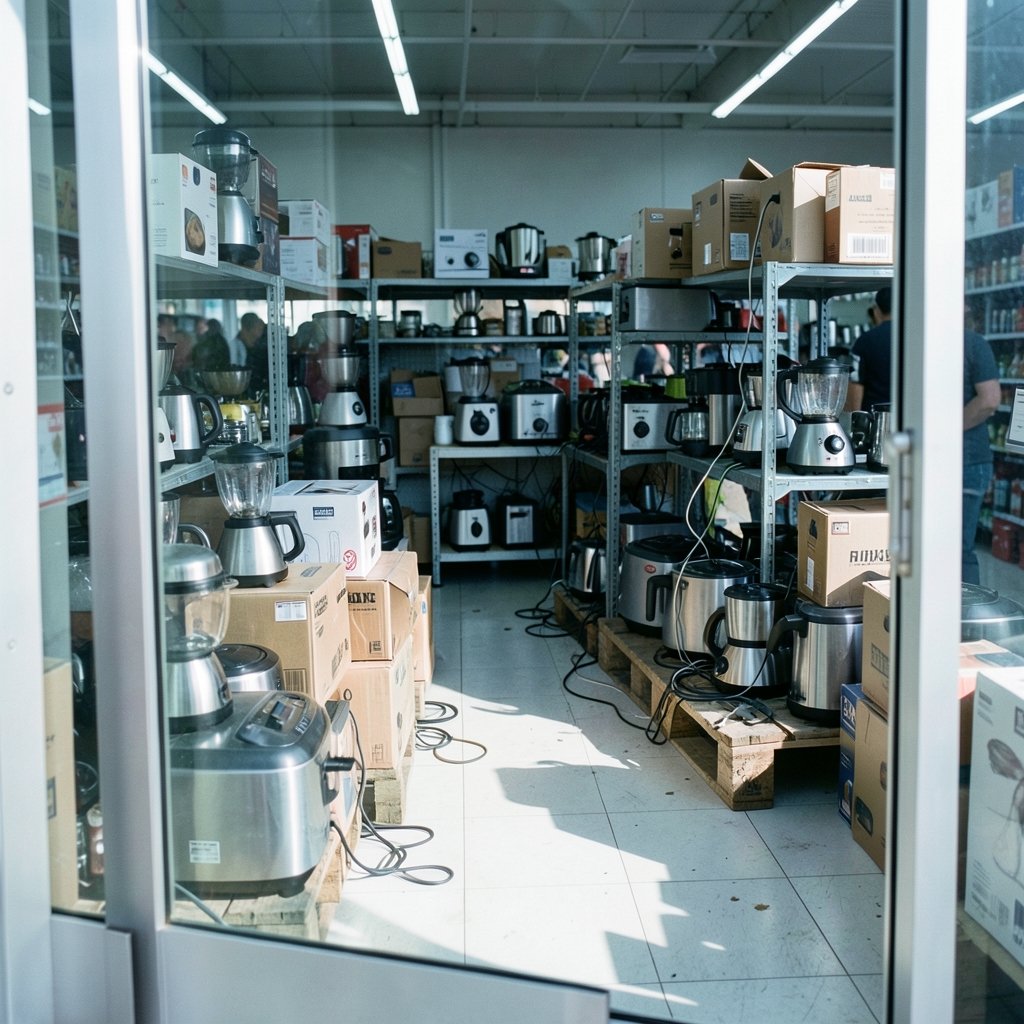
That changes the math on both sides of the register. Retailers can’t slash 70 percent off a $1,800 range the way they can on a blender, so appliance discounts tend to be modest in percentage terms but large in dollars. A 12 percent cut on a major appliance can save more cash than a 50 percent cut on a small countertop gadget. Shoppers who chase the biggest percentage sign often walk away with the smallest actual savings.
There’s also a timing wrinkle. Holiday promotions have crept earlier over the past decade, with many retailers launching appliance events in late October or early November and running them into December. That trend is widely reported but varies by retailer and year, so treat it as a pattern to watch rather than a fixed calendar. If you’re mapping out a shopping window, a resource like this guide to October 2027 calendar dates, weekends, and holiday planning can help you see where early promotions might fall relative to your own schedule.
The Holiday Calendar: Black Friday, Cyber Monday, and the Long Tail
In 2026, Thanksgiving lands on November 26, which puts Black Friday on November 27 and Cyber Monday on November 30. Those two dates anchor the U.S. holiday retail season, and appliance promotions cluster around them.
But the season has a long tail. Three distinct windows matter:
- Early-bird window (late October to early November). Retailers test demand with “pre-Black Friday” appliance events. Selection is often strong because inventory hasn’t been picked over.
- Black Friday weekend (late November). The headline doorbuster deals appear, but the deepest discounts usually go to small kitchen appliances and doorbuster models rather than premium refrigerators.
- Cyber Monday and the December run-up. Online-focused deals, plus clearance on models being discontinued before the new year.
A common mistake is assuming Black Friday is automatically the cheapest day. In practice, mid-November and early December sometimes beat it on specific models, especially when a retailer needs to clear floor inventory. The only reliable method is tracking a specific model’s price for a few weeks before buying.
Which Appliances Actually Get Cheaper
Not every category behaves the same way during the holidays. Here’s how the broad patterns shake out:
| Category | Typical holiday discount pattern | Best approach |
|---|---|---|
| Small kitchen appliances | Deeper percentage cuts, frequent doorbusters | Buy during Black Friday or Cyber Monday |
| Refrigerators and ranges | Modest percentages, large dollar savings | Track prices for 3-4 weeks; compare against pre-season price |
| Washers and dryers | Bundle deals and rebates more common than deep cuts | Look for package pricing and utility rebates |
| Dishwashers | Mid-range discounts, often tied to installation offers | Compare total installed cost, not sticker price |
| Microwaves and small built-ins | Frequent percentage discounts | Good candidates for impulse holiday buys |
The pattern is clear: the smaller the appliance, the deeper the percentage discount. The bigger the appliance, the more the savings come from dollar amounts, bundling, and financing rather than a dramatic price cut.
That doesn’t mean big appliances are bad holiday buys. It means the pitch is different. A $200 drop on a $1,900 refrigerator is a real win, even though the percentage looks unimpressive next to a $40 savings on a $120 toaster oven.
The Inflation and Tariff Problem Hiding in “Deals”
Here’s where shoppers get tripped up most often. Appliance prices are sensitive to tariffs, shipping costs, and input prices for steel and semiconductors. When those costs rise, list prices rise with them, and a holiday “discount” off an inflated list price can look better than it is.
The practical fix is simple but rarely followed: compare the sale price to the price you saw in September, not to the manufacturer’s suggested retail price. A deal that takes 20 percent off a price that went up 15 percent in October is barely a deal at all.
A second trap is headline claims. Reports of “record holiday appliance sales” usually refer to nominal dollars, not units, and often aren’t adjusted for inflation. A record revenue figure can coexist with fewer appliances sold. When a stat crosses your feed, check whether it’s measuring units, revenue, or seasonally adjusted dollars before you let it shape your buying decision. The same skepticism applies to any sales narrative, whether it’s about holiday appliances or broader retail performance tracked in analyses like this look at Xbox Series X sales and Circana data — the framing of the number matters as much as the number.
Online Versus In-Store: Where the Deal Lives
Online’s share of appliance sales has grown steadily, but large appliances still skew toward in-store or delivery-based purchases. The reason is practical: installation, haul-away of the old unit, and the ability to inspect a floor model before committing.
That creates a split shopping experience. The best price may appear online, but the service quality often depends on the local store or delivery partner. Shoppers who buy online without checking the delivery terms sometimes discover that installation costs, haul-away fees, or a narrow delivery window erase the savings.
A useful habit is to price the full installed cost before comparing offers: appliance price, delivery fee, installation fee, haul-away fee, and any required parts or kits. That total is the number that actually matters, and it’s frequently hundreds of dollars different from the sticker price.
Energy Standards, Rebates, and the Hidden Discount
Holiday marketing leans heavily on efficiency claims, and for good reason. In the U.S., appliance efficiency is governed by Department of Energy standards, and ENERGY STAR certification is an EPA program that flags models meeting higher efficiency thresholds.
Those labels matter at purchase time because they point to another source of savings that isn’t on the price tag: utility rebates and incentives. Many utilities offer rebates for qualifying efficient appliances, and stacking a holiday discount with a rebate can beat the headline promotion outright.
The common mistake is buying first and researching rebates later. Rebate programs often require specific model numbers, proof of purchase, and a submission window. Checking eligibility before checkout takes ten minutes and can add real money back.
Delivery, Returns, and the Fine Print That Bites
Holiday appliance purchases come with quirks that don’t apply to other holiday gifts. Two stand out.
Delivery windows stretch. Peak season strains delivery capacity, so a purchase made on Black Friday may arrive well into December or later. If the appliance is a gift or a replacement for a broken unit, confirm the delivery date in writing before paying.
Return policies tighten. Large appliances often carry shorter return windows and restocking fees, and installed units may not be returnable at all. The policy varies by retailer, and it’s a frequent source of complaints. Read it before the truck arrives, not after.
There’s also a scheduling dimension if the purchase ties into a move or renovation. Mapping the delivery against your own calendar helps avoid a gap where the old unit is gone and the new one hasn’t landed. Planning tools like this breakdown of July 2027 calendar dates, weekdays, and holiday rules show how a few well-placed dates can keep a delivery from colliding with a holiday closure.
International Variations Worth Knowing
“Black Friday” promotions have spread well beyond the U.S. to the UK, Canada, and parts of Europe, but the timing and depth differ. In the UK and Commonwealth markets, Boxing Day (December 26) remains a significant sales event, sometimes outpacing Black Friday for certain categories.
For anyone shopping across borders or timing a purchase around travel, that matters. A deal that looks unbeatable in one market may be routine in another, and warranty coverage can vary by country. If a holiday trip overlaps with a major retail date, a planning reference like this guide to TT 2027 dates and holiday length planning can help align the trip with the sales window rather than missing it.
Practical Tactics That Actually Work
Strip away the marketing and a few habits consistently separate good holiday appliance buys from regretful ones.
Track before you buy. Note the price of your target model in early October. A holiday discount only counts if it beats that baseline.
Price the installed total. Add delivery, installation, haul-away, and parts. Compare totals across retailers, not sticker prices.
Check rebate eligibility first. Efficiency rebates can stack with holiday pricing, but only if the model qualifies.
Confirm delivery and return terms in writing. Peak-season delivery is slow and return windows are short.
Buy the model, not the percentage. A modest discount on the right appliance beats a dramatic discount on the wrong one.
Watch for bundle math. Washer-dryer pairs and kitchen suites often carry package pricing that beats individual discounts, but only if you actually need both pieces.
Conclusion
Holiday appliance sales are real, but they’re not the uniform windfall the banners promise. The deepest percentage cuts land on small kitchen appliances, while big-ticket items reward shoppers who track prices, stack rebates, and calculate the full installed cost. Black Friday and Cyber Monday anchor the season, yet early November and early December frequently offer equally strong or better value on specific models.
The shoppers who win are the ones who treat the holiday season as a pricing window to be studied, not a countdown to be raced. Track a model, price the whole transaction, read the delivery and return terms, and check rebate eligibility before checkout. Do that, and the deal on the tag stops being a claim and starts being a number you can trust.
FAQ
When are holiday appliance sales at their cheapest?
Black Friday and Cyber Monday anchor the deepest discounts, especially on small kitchen appliances. However, mid-November and early December sometimes beat Black Friday on specific large appliances, particularly discontinued models. Tracking a target model’s price for three to four weeks is the most reliable way to identify the true low point.
Do refrigerators and other large appliances get big discounts during the holidays?
The percentage discounts on large appliances are usually modest, but the dollar savings can be substantial. A 10 to 15 percent cut on a $1,800 refrigerator saves more cash than a 50 percent cut on a small countertop appliance. Bundles, financing offers, and utility rebates often add more value than the headline price cut.
Is it better to buy appliances online or in a store during the holidays?
It depends on the appliance. Small kitchen appliances are easy online buys. Large appliances still favor in-store or delivery-based purchases because installation and haul-away matter. The key is comparing the full installed cost, including delivery, installation, haul-away, and parts, rather than just the sticker price shown online.
Can utility rebates be combined with holiday appliance discounts?
Often yes, and stacking them is one of the most overlooked ways to save. Many utilities offer rebates for appliances meeting efficiency standards, and these can combine with holiday promotions. Check model eligibility and submission requirements before checkout, since rebate programs usually require specific model numbers and proof of purchase.
Why do appliance “deals” sometimes feel smaller than advertised?
Because the discount is often measured against an inflated list price rather than the price you would have paid weeks earlier. Appliance prices respond to tariffs, shipping costs, and input prices for steel and semiconductors. Comparing the sale price to a pre-season baseline, not the manufacturer’s suggested retail price, gives a truer picture of the savings.
What should shoppers check before buying an appliance on Black Friday?
Confirm the delivery date in writing, since peak-season delivery can stretch into late December. Read the return policy carefully, because large appliances often carry shorter windows and restocking fees. Verify rebate eligibility, and calculate the full installed cost across at least two retailers before committing.



