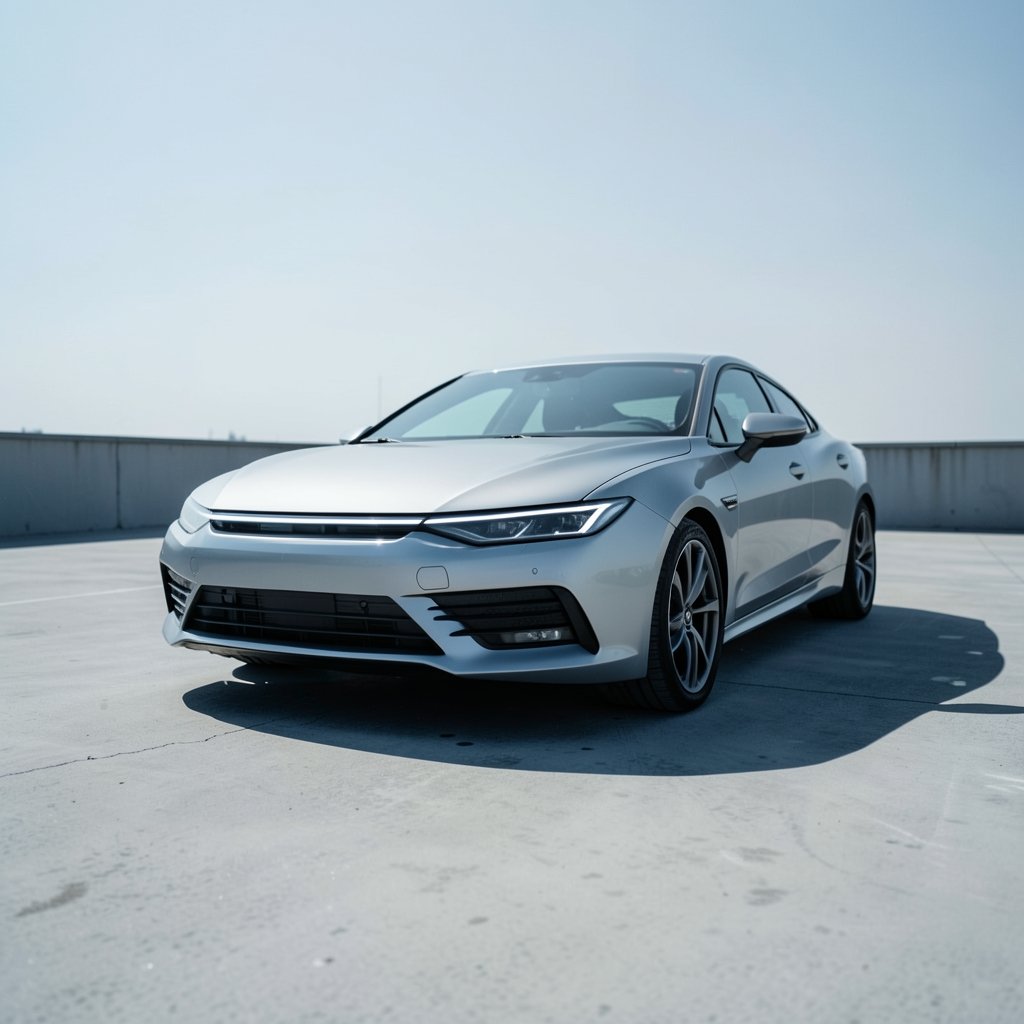
Have you seen the sleek, low-slung sedan with the glowing light bar that keeps popping up in your feed, captioned as the “2027 Honda Accord”? It looks stunning. It also probably isn’t real. That is the strange world of automotive renderings, where talented digital artists sketch the future before the future has actually been decided.
The Honda Accord 2027 rendering is one of the most searched speculative car topics right now. People want to know if the next Accord will look like that dramatic illustration, whether it will go fully electric, and when Honda will officially show its hand. This article separates what is confirmed from what is wishful thinking, explains where these images come from, and gives readers a practical way to judge the next rendering they see.
What Is a Honda Accord 2027 Rendering, Exactly?
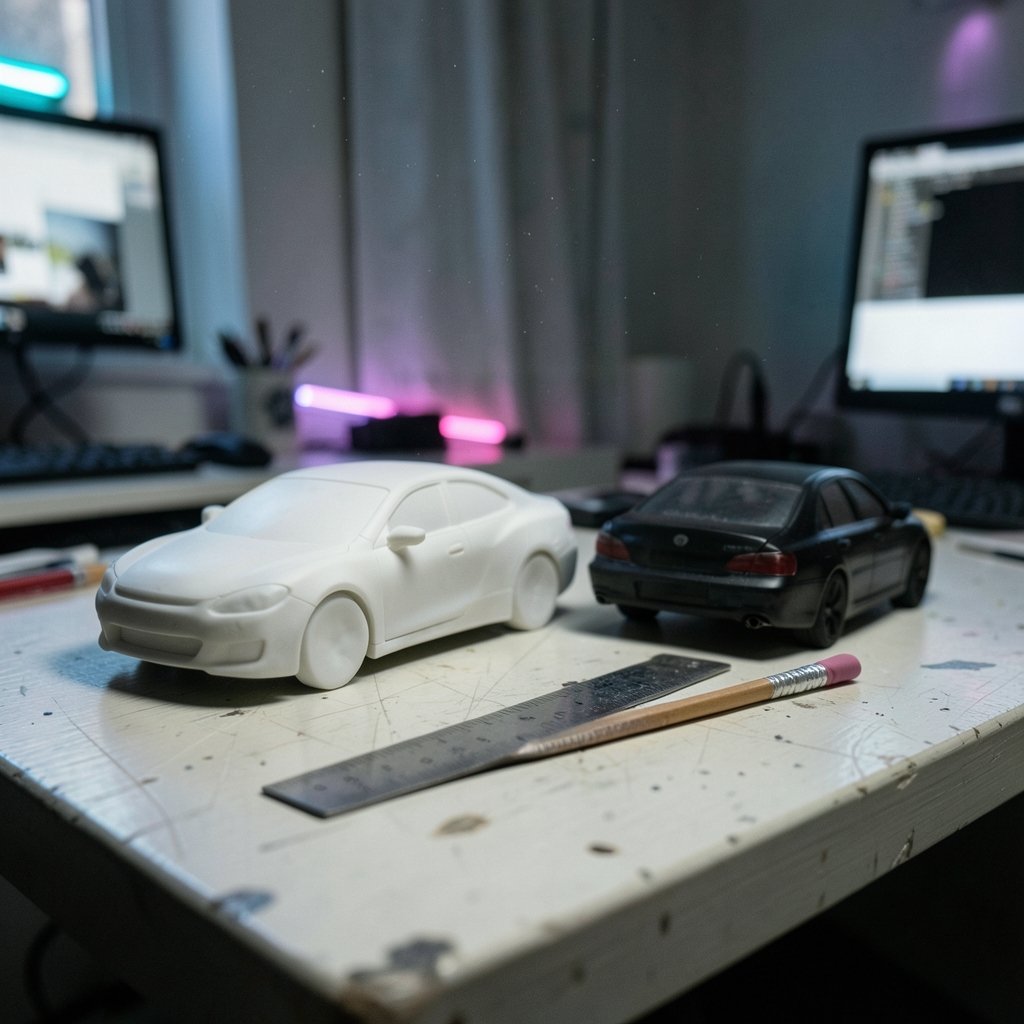
A rendering is a digital illustration, usually built in 3D software, that imagines how a future car might look. It is not a photograph. It is not a leaked blueprint. It is one artist’s educated guess, often based on camouflaged spy photos, current design trends, and a healthy dose of imagination.
Automotive renderings have become a genre of their own. Independent digital artists publish their work on design platforms and car blogs, and the best of them are genuinely impressive. The problem is the caption. Once an illustration gets reposted enough times, the words “artist’s impression” quietly disappear, and readers are left assuming Honda released the image.
For the 2027 Accord specifically, there is no confirmed design. The 11th-generation Accord debuted in November 2022 as a 2023 model, and Honda has not publicly confirmed whether a 2027 model year brings a mid-cycle refresh, a full redesign, or something else entirely. Any rendering labeled “2027 Accord” is therefore speculative by definition.
Why These Images Spread So Fast
Sedans may be losing ground to SUVs, but the Accord remains one of the most recognized nameplates on the road. That built-in audience means a single striking illustration can travel across forums, aggregator sites, and video thumbnails within days. The visual is the hook; the rumor is the engine.
What We Actually Know About the Next Accord
It helps to start with facts rather than fantasies. The table below separates confirmed history from speculation.
| Claim | Status | Notes |
|---|---|---|
| 11th-gen Accord debuted November 2022 | Confirmed | Launched as a 2023 model year vehicle |
| Hybrid-heavy lineup at launch | Confirmed | Two-motor hybrid trims emphasized; 2.0T dropped |
| Honda 0 Series EVs announced at CES 2024 | Confirmed | Production models targeted from 2026 |
| Honda global goal of 100% EV sales by 2040 | Confirmed | Corporate target, announced April 2021 |
| A 2027 Accord redesign is happening | Unconfirmed | Honda has not announced it publicly |
| The Accord will adopt 0 Series styling | Speculation | Not confirmed by Honda |
The pattern here matters. Honda has made big, public commitments about electrification, and it has shown a bold new design language through its 0 Series concept vehicles. It is entirely reasonable for an artist to connect those dots and sketch an Accord that borrows from that language. It is not reasonable to present that sketch as official.
The Camry Problem
One reason Accord speculation runs so hot is the competition. Toyota redesigned the Camry for 2025 and made it hybrid-only. That is a documented shift, and it puts pressure on every rival in the midsize sedan segment. Hyundai refreshed the Sonata in 2024 as well. When your two closest rivals make moves, observers naturally assume you will answer.
That assumption is where a lot of renderings begin. An artist reads the competitive landscape, decides the Accord must respond with a dramatic new face, and draws accordingly. The logic is sound. The output is still a guess.
How Renderings Are Actually Made
Understanding the process makes it much easier to spot what is real and what is not. Most credible renderings follow a similar path.
- Spy shots appear first. Outlets typically publish camouflaged prototype photos before any rendering surfaces. If there are no spy shots, there is usually nothing solid to base a rendering on.
- The artist studies the camouflage. Cladding hides body lines, but proportions, wheelbase, and roofline still leak through. Skilled artists read those clues closely.
- Brand design language gets applied. The artist overlays the manufacturer’s current styling cues, like grille shape, headlight signature, and surfacing, onto the guessed proportions.
- Lighting and rendering polish the result. This is where an illustration becomes convincing. Reflections, shadows, and studio-style lighting can make a guess look like a press photo.
- It gets published with a caption. The honest version says “artist’s impression.” The version that goes viral often does not.
The most common mistake readers make is judging a rendering by how professional it looks rather than by who made it. A polished image from an independent artist is still an independent artist’s guess. A grainy, badly lit spy photo from a test track is often far more informative.
Practical Tip: Check the Source Before the Styling
When a striking Accord image crosses your feed, do three quick checks. First, find the original poster and see whether they are a design studio or a news outlet. Second, look for the phrase “rendering,” “illustration,” or “artist’s impression” in the original post. Third, search for whether spy shots of the car exist at all. If the answer to the third check is no, treat the image as entertainment.
This same discipline applies well beyond cars. Readers researching all kinds of products run into polished visuals that turn out to be speculative, which is why guides like this breakdown of the 10 best ai chatbots gpt 5 claude under hood 2027 emphasize checking what is actually shipping versus what is merely announced.
The Design Cues Artists Keep Guessing At
Even though nothing is confirmed, the renderings tend to cluster around a few recurring themes. Knowing them helps readers decode what they are looking at.
A Flatter, Cleaner Front End
Many speculative Accords feature a closed-off or mostly closed grille, slim headlights, and a full-width light bar. This is a direct borrow from electric vehicle design, where less cooling air is needed up front. It looks modern, and it is a safe bet for any artist sketching a future sedan.
A Fastback Roofline
The current Accord already leans toward a sleek, sloping roofline. Renderings often push that further, trading a little rear headroom for a more dramatic silhouette. Whether Honda would actually make that trade is unknown, but it photographs beautifully, which is precisely why artists do it.
More Screen, Less Button
Interior renderings almost always imagine a larger central display and a cleaner dashboard. This tracks with where the whole industry is heading, so it is a low-risk guess. It also happens to be the area where real buyers often have the strongest opinions, since touchscreen-heavy interiors are not universally loved.
Electrified Powertrains
Speculative write-ups frequently assume the next Accord will be hybrid-only or offer a plug-in variant. Honda’s hybrid-heavy approach with the current generation makes this plausible, but plausible is not confirmed. Anyone shopping on that assumption should wait for an official announcement.
Why Honda Stays Quiet
Automakers rarely comment on renderings, and there is a good reason. Confirming or denying a speculative image would reveal product timing, and timing is commercially sensitive. A company that says “that’s not our 2027 car” has effectively told competitors and journalists that a 2027 car exists and is far enough along to be worth denying.
Silence is the default, and it should not be read as confirmation. It also should not be read as denial. It simply means the official word has not arrived yet.
Honda’s broader direction is public, though. The company has committed to a global goal of 100% battery-electric and fuel cell sales by 2040, a target announced in April 2021. It has also shown the 0 Series electric vehicle family, unveiled at CES 2024 with production models targeted from 2026. Those two facts are the raw material artists use. Everything built on top of them is interpretation.
How to Read the Next Rendering You See
A simple framework keeps expectations calibrated without killing the fun. Renderings are enjoyable. They start conversations and occasionally preview real trends. They just should not be mistaken for product news.
| Signal | What It Suggests |
|---|---|
| Camouflaged spy shots exist | A real prototype is testing; renderings become more credible |
| Official teaser from the automaker | Genuine preview of a confirmed model |
| Artist post with clear labeling | Honest speculation, safe to enjoy |
| Repost with no credit or label | Treat with heavy skepticism |
| “Leaked” image with no original source | Usually fabricated or misattributed |
The habit of tracing an image back to its origin is useful everywhere. It is the same instinct that helps shoppers avoid hype when comparing tools, whether they are evaluating cars or weighing up a deepseek vs chatgpt vs gemini judge output quality 2027 comparison. The source quality matters more than the polish. (Best ai translation tools 2027 deepl vs chatgpt vs google)
What Would Actually Change the Picture
A few concrete developments would move the 2027 Accord from speculation to fact. An official Honda announcement would settle it immediately. Spy shots of a camouflaged prototype would give artists something real to work from and would sharply improve the accuracy of subsequent renderings. A confirmed production timeline for the 0 Series would clarify how quickly Honda intends to push its mainstream models toward electrification.
Until at least one of those happens, the honest answer to “is this the 2027 Accord?” is no. It is a drawing of what someone thinks the 2027 Accord might be.
The Bottom Line on Accord Renderings
The Honda Accord 2027 rendering phenomenon is a collision of genuine design talent, real industry momentum, and the internet’s habit of stripping context from images. Honda has confirmed the current Accord’s hybrid-heavy direction and its long-term electrification goals. It has not confirmed a 2027 redesign, a 0 Series-inspired Accord, or any specific styling.
That gap is exactly where renderings live. They are worth enjoying as design exercises and worth ignoring as buying advice. Readers who want to know what is actually coming should watch for spy shots and official announcements, not studio-lit illustrations. The next genuinely informative Accord image will probably be grainy, shot through a fence, and covered in black-and-white swirl wrap. That is the one to pay attention to.
FAQ
Is the Honda Accord 2027 rendering an official Honda image?
No. No official 2027 Accord has been announced, so any image circulating under that label is an independent artist’s illustration rather than a manufacturer release. Official images come from Honda’s own channels and are tied to a confirmed model announcement.
When did the current Honda Accord generation debut?
The 11th-generation Accord debuted in November 2022 and launched as a 2023 model year vehicle. That timing means a 2027 model year could plausibly bring a refresh or a new generation, but Honda has not publicly confirmed which.
Will the 2027 Accord be fully electric?
That is unconfirmed. Honda has set a global goal of 100% battery-electric and fuel cell sales by 2040, and it has announced the 0 Series EV family with production targeted from 2026. Neither commitment confirms that the Accord itself will go fully electric for 2027.
Why do renderings appear before official cars?
Renderings usually follow spy shots of camouflaged prototypes. Artists study the proportions visible through the cladding, apply the brand’s current design language, and publish their interpretation. When no spy shots exist, a rendering is based almost entirely on guesswork and industry trends.
How can I tell a rendering from a real photo?
Look for the original source. Renderings are typically posted by independent designers or car blogs and often carry a label like “artist’s impression.” Real previews come from the automaker. Reflections, lighting, and background settings can also hint at a 3D render, though the source check is far more reliable.
Should I wait for a 2027 Accord before buying?
Only if a redesign is essential to your plans. The current Accord is a real, available car with a hybrid-heavy lineup, while the 2027 model is unconfirmed. Buyers who need a vehicle now should evaluate what is on sale rather than what might appear in a rendering.