

What is the one thing every visitor to Honduras has to figure out before buying a coffee, hailing a taxi, or paying a hotel bill? It is the money. Honduras uses its own currency, and understanding it takes about ten minutes of reading. That small investment pays off every time someone hands over a banknote or checks a price tag.
This guide walks through the Honduran lempira from top to bottom: what it is, who issues it, what it looks like, how exchange rates work in practice, and the mistakes that cost visitors and residents real money. It also covers the digital side of Honduran finance, because cash is no longer the whole story.
What Is the Honduran Lempira?
The lempira is the official currency of Honduras. Its international currency code is HNL, and it is divided into 100 centavos, the same way a dollar splits into cents. The currency is named after Lempira, a sixteenth-century Indigenous leader who resisted Spanish conquest and became a national symbol. His portrait appears on the banknotes, so the name is more than a label; it is a piece of national identity printed on paper.
The Banco Central de Honduras (BCH) is the country’s central bank and the only institution authorized to issue lempira banknotes and coins. That single-issuer structure matters: it means every note in circulation traces back to one authority, which sets the rules for design, security features, and withdrawal of old series.
For anyone who wants the full reference entry on the currency, including its ISO code and minor unit, the standard is documented in the ISO 4217 currency code standard, which assigns three-letter codes to every national currency in the world. Knowing that HNL is the code helps when reading receipts, bank statements, or exchange boards at the airport.
A Short History of Honduran Currency
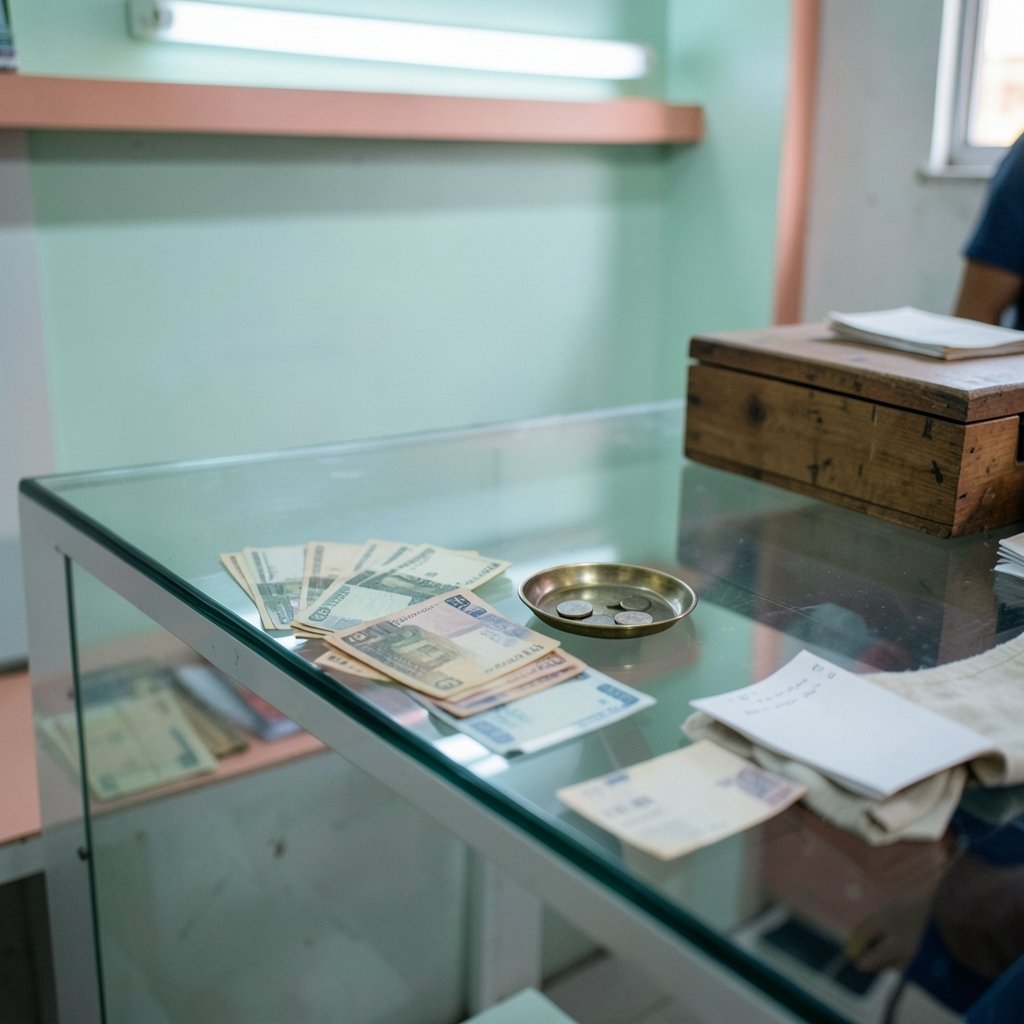
Honduras did not always use the lempira. Before 1931, the country used the Honduran peso. The lempira was introduced that year, replacing the peso at par, as part of a broader wave of currency reform across Central America. The timing was not accidental: the 1930s were a period when many countries were reorganizing their monetary systems after the disruptions of the First World War and the early Depression years.
Since then, the currency has gone through several note series. The current family of banknotes, covering denominations from 1 to 500 lempiras, began appearing around 2010, with later redesigns and the addition of a 200-lempira note. Over time, the smallest denomination, the 1-lempira note, was replaced by a coin, a common pattern in currencies worldwide as inflation erodes the value of small paper notes.
That pattern is worth pausing on. When a country retires its smallest note in favor of a coin, it usually signals that the note’s purchasing power has shrunk. For travelers, the practical takeaway is simple: do not assume a 1-lempira note still circulates. If someone offers one, it may be a collector’s item or simply outdated.
Banknotes and Coins: What You Will Actually Handle
Honduran cash comes in a range of denominations. The table below gives a practical overview of what circulates.
| Denomination | Type | Typical Use |
|---|---|---|
| 5, 10, 20 centavos | Coin | Small change, bus fares, tipping |
| 50 centavos | Coin | Snacks, small purchases |
| 1 lempira | Coin | Small purchases; note version retired |
| 2, 5 lempiras | Coin or note | Drinks, short taxi rides |
| 10, 20 lempiras | Note | Meals, local transport |
| 50, 100 lempiras | Note | Mid-range purchases, restaurant bills |
| 200, 500 lempiras | Note | Hotels, larger bills, ATM withdrawals |
The larger notes carry security features such as watermarks, security threads, and color-shifting ink, similar to most modern currencies. In practice, vendors in markets and small shops are often cautious about accepting 500-lempira notes, especially early in the day when they have limited change. A traveler who breaks a large note at a supermarket or bank will have a much smoother experience than one who tries to pay for a 30-lempira taxi ride with a 500.
Coins matter more than visitors expect. Bus fares and small street purchases often require exact change, and vendors rarely have a full cash drawer. Keeping a pocket of coins is one of those small habits that makes a trip noticeably easier.
How the Exchange Rate Works in Honduras
Honduras has long used a managed exchange-rate system rather than letting the lempira float freely. The central bank publishes a daily reference rate, and banks and exchange houses set their buy and sell prices around it. The exact mechanics of the band have been adjusted over the years, so the practical advice is to check the current rate rather than rely on memory.
For visitors, the key insight is that the official rate and the street rate are usually close, but not identical. Banks and authorized exchange houses (casas de cambio) tend to offer fair rates with modest spreads. Airport counters and hotel front desks typically charge more for convenience. Withdrawing from an ATM in lempiras often gives a reasonable rate, though foreign transaction fees and ATM operator fees can add up.
A common mistake is accepting the “pay in your home currency” option at a card terminal. That service lets the merchant or processor set the exchange rate, and it usually favors them. Choosing to pay in lempiras keeps the conversion inside the banking system, where rates are more transparent.
Another practical point: the lempira’s value is supported heavily by remittances, the money Hondurans working abroad send home, mostly from the United States. These inflows are a major source of foreign currency for the country. When remittances are strong, they help steady the currency; when they slow, pressure builds. This is one reason the lempira’s rate can shift with news from abroad as much as with news from Tegucigalpa.
Cash, Cards, and Digital Payments
Honduras remains a cash-heavy economy, especially outside the main cities. Markets, small restaurants, buses, and taxis often run on paper and coins. In San Pedro Sula, Tegucigalpa, and the Bay Islands, cards are widely accepted, and contactless payments are increasingly common. In rural areas, cash is still king.
ATMs are available in cities and tourist areas but sparse elsewhere. Travelers should withdraw during business hours when possible and carry a backup card. It is also wise to keep a modest cash reserve in a secure place, separate from the main wallet.
Digital finance is changing gradually. Mobile banking apps from Honduran banks are common among residents, and card acceptance is growing. Central banks around the world, including in Latin America, have been studying digital currencies, and the broader shift toward digital money is covered in this explainer on central bank digital currencies and how central bank money is going digital. For now, though, a visitor to Honduras should plan around cash first and treat cards as a convenience. (Bank for International Settlements)
Fraud is a real concern in any cash economy, and Honduras is no exception. Scams that target travelers and locals alike often rely on urgency and confusion. A useful primer on how one common scheme works, and why victims rarely recover their funds, is this breakdown of how the gift card scam works and why victims rarely get their money back. Knowing the pattern is half the defense.
Practical Money Tips That Actually Work
The advice below comes from patterns that show up again and again among travelers and residents, not from any single trip.
- Break large notes early. Use a supermarket, bank, or chain store to turn a 500-lempira note into smaller bills. Vendors will thank you, and you will avoid awkward moments.
- Keep coins separate. A small pouch for coins speeds up bus fares and street food purchases.
- Check the daily reference rate. The central bank publishes it, and comparing it to what a counter offers takes seconds.
- Decline the terminal’s own currency conversion. Pay in lempiras whenever a terminal offers a choice.
- Carry two cards and some backup cash. ATMs fail, cards get blocked, and a backup plan prevents a bad day from becoming a crisis.
- Watch for counterfeit notes in busy markets. Large notes change hands quickly; checking the watermark and security thread is quick and worth doing.
- Budget for the spread. Exchange costs are part of travel costs. A little planning keeps them small.
A common mistake is arriving with only large-denomination foreign currency and expecting to change it everywhere. Smaller bills and a mix of payment methods give far more flexibility. Another mistake is assuming prices are negotiable everywhere. In markets, some haggling is normal; in shops and restaurants, prices are fixed.
For people thinking about the broader economics of money and how digital tools are reshaping earning and spending, resources like this guide on how to make money with AI offer context on the wider financial landscape, though it is not specific to Honduras.
The Lempira in the Wider Economy
The lempira’s story is tied to the country’s economy. Honduras is a relatively small, open economy that depends on exports such as coffee, bananas, and textiles, plus remittances from abroad. That mix makes the currency sensitive to external shocks: a downturn in the US economy can reduce remittances, and a bad harvest can reduce export earnings.
There has been recurring public debate about whether Honduras should dollarize, adopting the US dollar outright. The debate is not unique to Honduras; several Latin American countries have considered or adopted the dollar at various points. Dollarization can bring stability and lower inflation, but it also removes a country’s ability to set its own interest rates and manage its currency. As of now, the lempira remains the official currency, and the central bank continues to publish its reference rate and manage monetary policy.
For anyone tracking the cost side of financial security, whether in Honduras or elsewhere, understanding where money actually goes is useful. This analysis of where the money goes in identity threat detection costs is a good example of how hidden costs add up in any financial system, and the same logic applies to exchange fees and transaction costs.
Common Mistakes to Avoid
Most money problems in Honduras come from a short list of avoidable errors. Changing money at the airport for the whole trip is one; the rates are rarely the best. Carrying only large notes is another. Refusing small coins because they feel inconvenient backfires when a bus driver cannot make change.
A less obvious mistake is ignoring the difference between the official rate and what a card network charges. Foreign transaction fees of a few percent per purchase can quietly add up over a two-week trip. A card with no foreign transaction fee solves most of this.
Finally, there is the mistake of treating cash as optional. In a country where many transactions are still paper-based, a traveler without cash will eventually be stuck. The fix is simple: keep a reasonable float, withdraw in safe places, and never carry more than needed for the day.
Conclusion
Honduras money is more than a set of banknotes. The lempira carries a national name, a central bank’s authority, and a history that stretches back to 1931. For visitors, the practical rules are straightforward: know the code HNL, understand that the central bank sets the reference rate, break large notes early, keep coins handy, pay in lempiras when given the choice, and treat cash as a necessity rather than an option.
For residents and anyone following the economy, the lempira’s value reflects a mix of exports, remittances, and policy choices made in Tegucigalpa. The currency is managed, not free-floating, and that shapes everything from import prices to interest rates. Understanding that structure turns a confusing exchange board into a readable signal.
Whether the trip is a week on the Bay Islands or a long stay in the capital, a little knowledge about Honduran money goes a long way. The currency rewards the prepared traveler and punishes the careless one, and the difference is mostly a matter of a few good habits.
Frequently Asked Questions
What is the currency of Honduras called?
The currency is the lempira, and its international code is HNL. It is divided into 100 centavos and is issued by the Banco Central de Honduras.
Can I use US dollars in Honduras?
In tourist areas and some hotels, US dollars are sometimes accepted, but the lempira is the official currency and the safer choice everywhere. Paying in dollars often means a worse exchange rate, and small vendors may not accept them at all.
What is the best way to get lempiras?
ATMs in cities and tourist areas usually offer reasonable rates, and banks and authorized exchange houses are also good options. Airport counters and hotel desks are convenient but typically charge more. Withdrawing larger amounts less often can reduce fixed fees.
Are credit cards widely accepted in Honduras?
In major cities and tourist regions, cards are widely accepted, including contactless payments. Outside those areas, many businesses operate on cash only, so you need lempiras for markets, buses, and small restaurants.
Why is the lempira called the lempira?
The currency is named after Lempira, a sixteenth-century Indigenous leader who resisted Spanish conquest. His portrait appears on Honduran banknotes, making the currency a symbol of national identity as well as a medium of exchange.
Is the lempira a fixed or floating currency?
Honduras uses a managed exchange-rate system rather than a free float. The central bank publishes a daily reference rate, and banks and exchange houses set their prices around it. The exact band mechanics have changed over time, so checking the current rate is always wise.



