
How long do you stand at the sink with your hand under the tap before the water turns warm? Ten seconds? Thirty? For a lot of homes, that daily wait is a small annoyance that adds up to thousands of gallons of wasted water every year. A hot water circulation pump is the piece of hardware designed to fix exactly that problem. But it comes with a catch, and understanding the catch is the difference between a smart upgrade and an expensive mistake.
This guide walks through what these pumps do, how the two main setups differ, where the energy trade-off bites, and how to choose and install one without creating new problems in your plumbing.
What a Hot Water Circulation Pump Actually Does
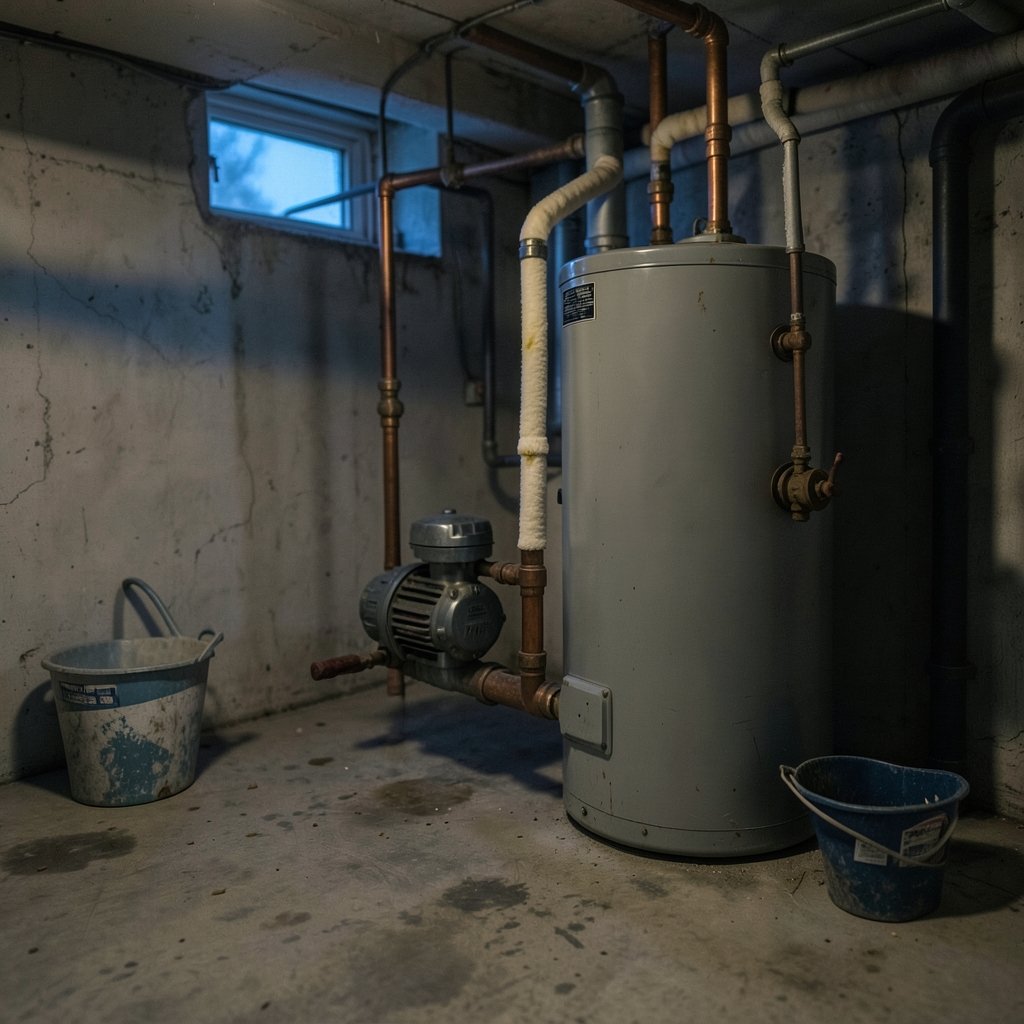
A hot water circulation pump moves water through the pipes between your water heater and your fixtures so that hot water is already sitting near the tap when you open it. In a standard plumbing layout, the water in the line cools down between uses. When you turn on the tap, you have to flush all that cooled water out of the way before fresh hot water arrives from the tank.
The pump solves this by keeping water moving through a loop. Instead of stagnant, cooled water waiting in the pipe, warm water circulates back to the heater and gets reheated. The result is nearly instant hot water at the fixture, and the water that would have gone down the drain while you waited stays in the system.
The trade-off is straightforward: you save water, but you may spend more on energy because the heater is now keeping a loop of pipe warm instead of just a tank. Whether that math works in your favor depends heavily on how the pump is controlled.
The Two Main System Types
Not all recirculation setups are built the same way, and the difference matters for both cost and installation effort.
Dedicated Recirculation Loops
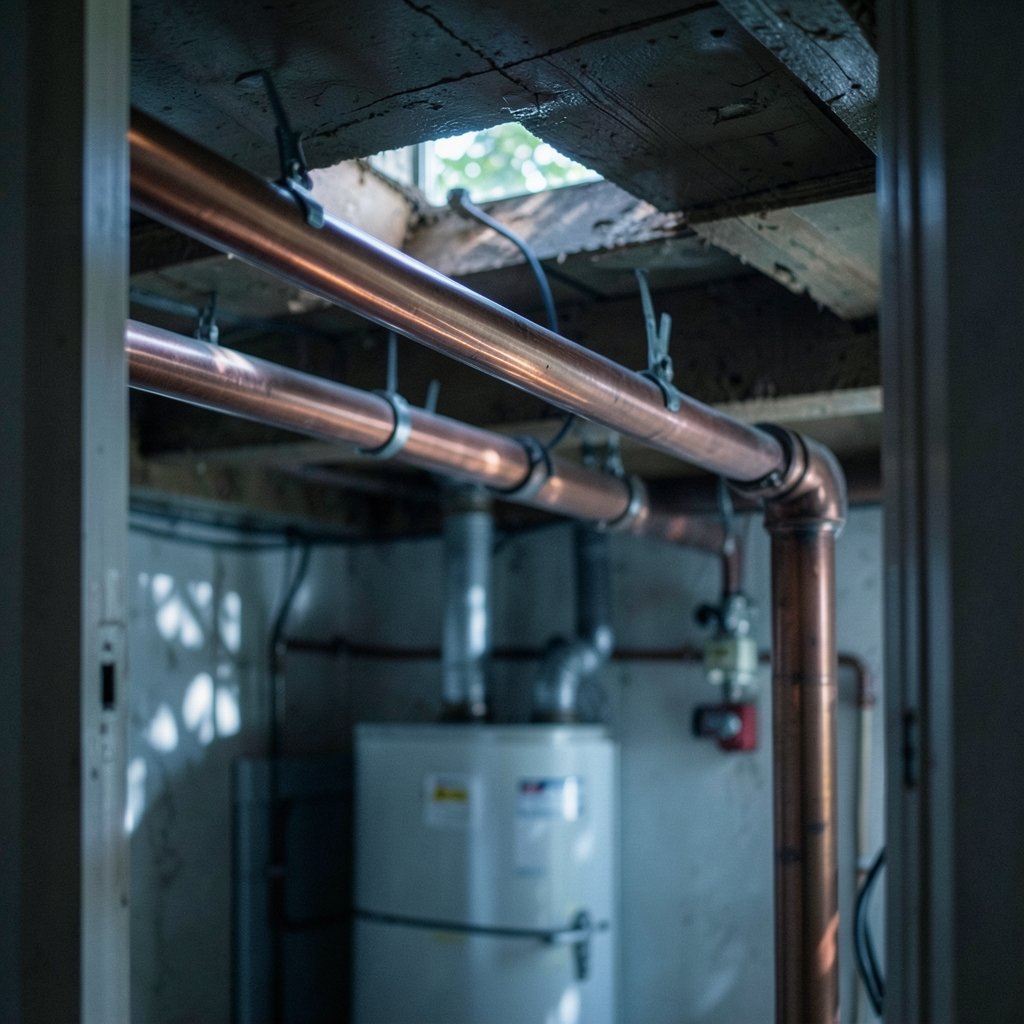
A dedicated loop adds a separate return line that runs from the farthest fixture back to the water heater. Hot water travels out along the supply line and returns along the dedicated line, forming a closed circuit. This is the cleaner, more efficient design, and it is easiest to install during new construction or a major remodel when walls are open.
Retrofitting a dedicated loop into a finished house is expensive because it means running new pipe through walls and floors. Most homeowners facing a retrofit choose the second option instead.
Comfort Systems Using the Cold Line
A comfort system, sometimes called an on-demand or crossover system, avoids new pipe by using the existing cold water line as the return path. A small valve installed under the sink at the farthest fixture connects the hot and cold lines. The pump pushes water through the hot line, and the cooled water returns through the cold line until the valve senses hot water and closes.
The catch is that this approach can push warm water into the cold line, so you may get lukewarm water from the cold tap for a short time. It is a real trade-off, but for many retrofits it is the only practical option.
Pump Types: Fixed-Speed vs. ECM
Two broad categories of pump dominate the market, and they behave very differently.
| Feature | Traditional fixed-speed pump | ECM high-efficiency pump |
|---|---|---|
| Speed control | Runs at one speed, on or off | Modulates speed to demand |
| Energy use | Higher, especially when running constantly | Lower, because it slows when demand is low |
| Noise | Usually more audible | Typically quieter |
| Cost | Lower upfront | Higher upfront |
| Best for | Simple timer-based setups | Systems where efficiency matters |
ECM stands for electronically commutated motor. These pumps use electronics to vary their speed rather than running flat out whenever they are switched on. In practice, an ECM pump that ramps down when nothing is drawing water will use noticeably less electricity than a fixed-speed unit cycling on a timer.
The upfront price gap is real, so the decision usually comes down to how long you plan to stay in the house and how much the pump will run.
The Energy Trade-Off Nobody Warns You About
Here is where a lot of buyers get surprised. A recirculation pump does not create hot water for free. Every time warm water sits in the loop and cools, the water heater has to burn fuel or use electricity to bring it back up to temperature. Run a pump continuously and you are essentially paying to heat your walls and pipes all day.
The fix is control. Three approaches are common:
- Timers. The pump runs only during the hours you typically use hot water, such as morning and evening. Cheap and effective, but it wastes energy if your schedule changes.
- Thermostatic control. A sensor measures water temperature and runs the pump only when the loop has cooled below a set point. This adapts to actual conditions rather than a clock.
- On-demand activation. A button, motion sensor, or smart-home trigger starts the pump shortly before you need hot water. This is the most efficient option because the pump runs only when someone is about to use a tap.
On-demand control is the closest thing to having it both ways: fast hot water when you want it, and no wasted heating when you do not. The trade-off is a short wait, usually a few seconds, after pressing the button.
Legionella and Water Temperature
There is a health angle worth taking seriously. Storing water at lukewarm temperatures in pipes creates favorable conditions for Legionella bacteria, which cause Legionnaires’ disease. Public health guidance generally favors keeping hot water hot, with commonly cited targets around 60 °C for storage and at least 50 °C at outlets, though exact thresholds and their applicability vary by authority and should be checked against local guidance.
A recirculation pump that keeps water warm but not hot can work against this principle. The practical takeaway is to make sure your water heater setpoint stays high enough and that any thermostatic mixing valve is adjusted correctly. Do not lower the tank temperature to save energy while running a recirculation loop, because that combination is the worst of both worlds.
Where the Pump Goes and How It Connects
Placement matters more than most people expect. In a dedicated loop, the pump typically mounts near the water heater on the return line. In a comfort system, the pump often sits at the water heater while the crossover valve sits at the farthest fixture.
A few practical points that trip up do-it-yourselfers:
- The crossover valve must go at the fixture that is farthest from the heater, not the one that is most convenient to reach. Put it in the wrong place and the loop short-circuits.
- Check the pump’s flow direction. Installing one backward is a common mistake and produces confusing results.
- Keep the pump accessible. You will want to service or replace it eventually.
- If your setup involves moving condensate or other wastewater, the same logic about gravity versus pumped drainage applies. A dehumidifier drain pump when it beats gravity hose setup is a useful parallel for understanding when a pump is genuinely necessary.
Common Mistakes and What Actually Works
After enough installs, patterns emerge. These are the errors that show up again and again.
Running the pump 24/7. This is the single biggest cause of complaint. Homeowners notice the convenience, leave the pump on, and then get a higher energy bill. Set a timer or use on-demand control from day one.
Skipping insulation on the loop. Insulating the hot and return lines keeps heat where it belongs and shortens how often the pump needs to run. It is cheap and it pays back quickly.
Ignoring the cold-line side effect. In comfort systems, warm water in the cold line can be noticeable. If you use cold water for drinking or for appliances, be aware of the effect.
Choosing a pump that is oversized. A pump that moves more water than the loop needs wastes energy and can create noise. Match the pump to the pipe run.
Forgetting the fixtures themselves. Recirculation gets hot water to the tap faster, but it does not fix a clogged aerator or a failing valve. If you are troubleshooting water flow elsewhere in the house, the same diagnostic mindset helps. For plant care, the principle of matching water delivery to actual need shows up in how you water succulents so they thrive not rot, and the same “right amount, right time” logic applies to recirculation.
Is a Hot Water Circulation Pump Worth It?
The honest answer is: it depends on your priorities and your layout.
If your fixtures are close to the water heater, the wait is short, and the water wasted is minimal, a pump is hard to justify. The energy penalty will likely outweigh the water savings.
If you have a long run to a distant bathroom or kitchen, especially in a sprawling single-story house, the case gets much stronger. The water savings become meaningful, the convenience is real, and a well-controlled pump keeps the energy cost modest.
The economics also shift if your area has high water costs or drought restrictions. In those places, saving water has value beyond the utility bill.
One more consideration: some plumbing and energy codes address recirculation controls, and requirements vary by jurisdiction. It is worth a quick check with your local building department before installing, particularly if you are doing a retrofit that involves new pipe.
Choosing the Right Pump for Your Home
A simple decision path helps narrow the field:
- Check whether you have a dedicated return line. If yes, a standard circulator near the heater works well.
- If not, decide between retrofit options. A comfort system with a crossover valve is the usual choice.
- Pick your control strategy. Timer for predictable schedules, thermostatic for hands-off efficiency, on-demand for maximum savings.
- Choose pump technology. ECM if efficiency and quiet operation matter and budget allows; fixed-speed if upfront cost dominates.
- Budget for insulation. It is not optional if you want the system to perform.
For anyone comparing the cost of pumping water versus letting gravity do the work, the same reasoning that applies to drainage decisions applies here. Just as you would weigh a pump against a gravity feed for condensate, the coffee maker hard water actually survives brews well question shows how water quality and equipment longevity interact in ways that are not always obvious.
Maintenance and Longevity
Circulation pumps are largely maintenance-free, but a few habits extend their life. Keep the strainer or inlet clear of debris. Listen for changes in noise, which often signal a failing bearing. Check the crossover valve periodically in comfort systems, since a stuck valve defeats the whole purpose of the loop.
Most pumps last many years. When one fails, replacement is usually straightforward if the unit was installed in an accessible spot, which is another argument for planning placement carefully from the start.
Conclusion
A hot water circulation pump is a genuinely useful piece of equipment, but it is not a universal win. It shines in homes with long pipe runs where the wait for hot water is long and the waste is real. It disappoints when it runs constantly, when the loop is uninsulated, or when it is installed in a house where the fixtures are already close to the heater.
The homeowners who get the most out of one tend to share a few habits: they control the pump rather than letting it run, they insulate the loop, they keep the water heater hot enough for safety, and they match the pump to the actual pipe run. Get those four things right and the convenience is real, the water savings are real, and the energy bill stays where you want it.
Frequently Asked Questions
How much water does a hot water circulation pump save?
It depends on the length of the pipe run and how often you draw hot water. In homes with long runs, the savings can be substantial because you are no longer flushing cooled water down the drain while waiting. In compact layouts with short runs, the savings are modest and may not justify the energy cost.
Does a recirculation pump increase my energy bill?
It can, because the water heater must reheat water that cools in the loop. The size of the increase depends almost entirely on how the pump is controlled. A pump running continuously costs the most; one on a timer or on-demand trigger costs far less.
Can I install a circulation pump without new plumbing?
Yes, in many cases. Comfort systems use the existing cold water line as the return path, with a crossover valve at the farthest fixture. This avoids running new pipe through finished walls, though it can push slightly warm water into the cold line for a short period.
Where should the crossover valve be installed?
At the fixture farthest from the water heater, not the most convenient one. Placing it closer short-circuits the loop and defeats the purpose, because water takes the path of least resistance rather than traveling to the distant tap.
Will a circulation pump affect my water heater’s lifespan?
A well-controlled pump generally does not harm the heater. Continuous operation means more heating cycles, which adds wear over time. Using a timer or on-demand control reduces cycling and is easier on the equipment.
Is it safe to lower my water heater temperature if I have a recirculation pump?
Generally no. Keeping water hot is important for limiting Legionella risk, and a recirculation loop that keeps water warm rather than hot works against that principle. Keep the tank setpoint high and verify any mixing valve is adjusted correctly.



