
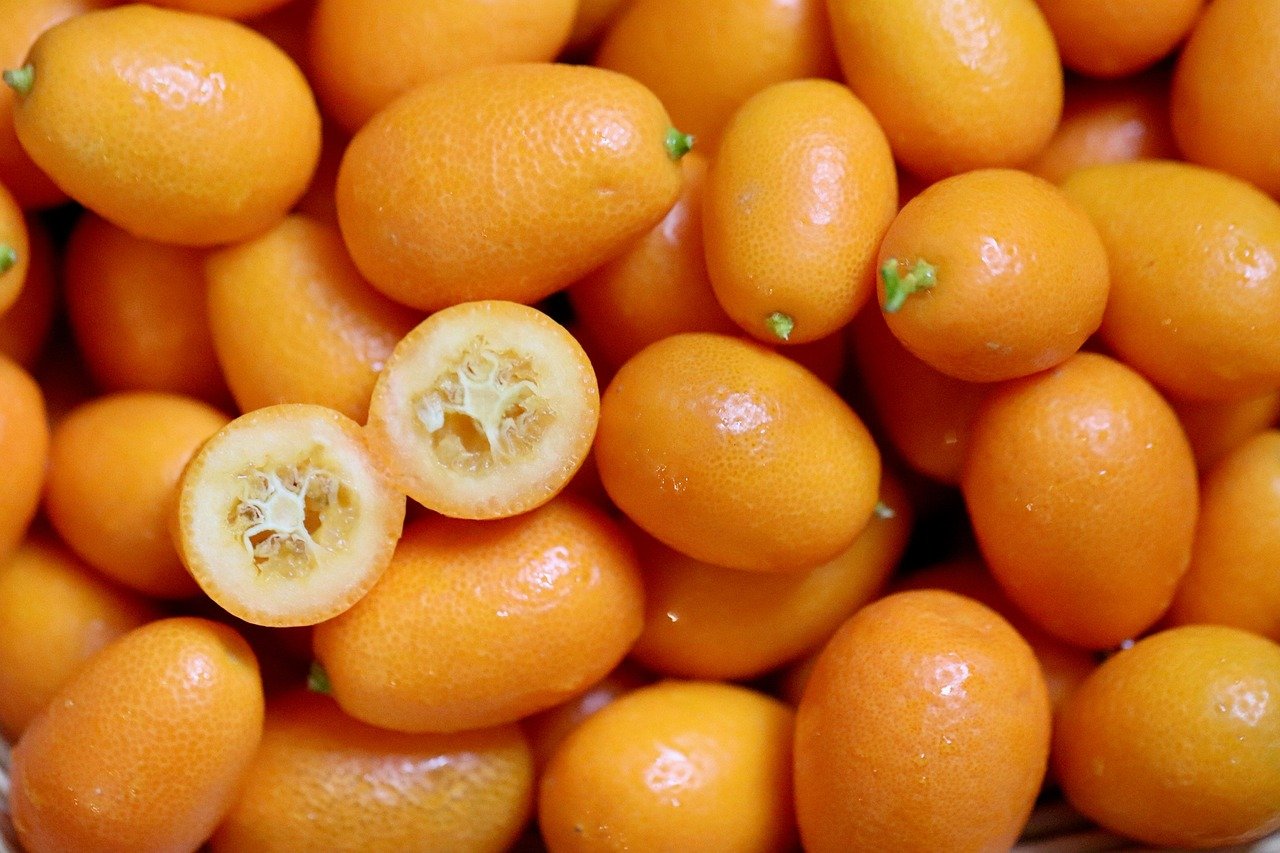
What if the best part of a citrus fruit were the outside? For almost every orange, lemon, and grapefruit, the peel is a bitter wrapper you toss aside. The kumquat flips that rule upside down. You bite straight through the skin, and the sweet part hits your tongue first. Then comes the tart, juicy center. It is a strange, delightful reversal, and it explains why this thumb-sized fruit has quietly earned a devoted following among gardeners, cooks, and snackers.
This guide covers what a kumquat actually is, how it grows, which varieties to look for, how to eat and cook with it, and the mistakes that trip up first-time growers. By the end, you will know whether this little citrus deserves a spot in your kitchen or on your patio.
What Exactly Is a Kumquat?
A kumquat is a small, oval or round citrus fruit, roughly the size of a large olive or a grape. It belongs to the citrus family, Rutaceae, but it sits in its own small group. The most familiar edible types are the round kumquat and the oval kumquat, often called the Nagami kumquat. (Kumquat)
Botanists have argued for years about how to classify kumquats. Some place them in their own genus, Fortunella. Others fold them into the broader Citrus genus. The debate affects how breeders and growers talk about the fruit, and you will see both names in catalogs and plant tags. For detail on the genus-level treatment and how the naming overlaps with Citrus, the encyclopedia entry on Fortunella explains the synonymy.
The name itself has a story. “Kumquat” comes from a Cantonese phrase meaning roughly “golden orange” or “golden tangerine.” That is a fitting label for a fruit that looks like a miniature, glowing orange.
Why You Eat the Peel

Most citrus peel is loaded with bitter oils. Kumquat peel is different. It is thin, sweet, and pleasantly chewy, while the flesh inside is sour and juicy. Eating the whole fruit at once balances the two flavors.
This is not a gimmick. It is the single most important thing to understand about the fruit. If you peel a kumquat the way you would an orange, you lose the sweet half of the experience and are left with a mouthful of sour pulp. The peel is not a wrapper. It is half the recipe.
That balance also makes kumquats unusually versatile. They work as a fresh snack, a candied treat, a marmalade base, and a flavoring for liqueurs. The sweet-tart contrast holds up whether the fruit is raw, cooked, or preserved.
A Citrus That Shrugs Off Cold
Kumquats are among the most cold-tolerant members of the citrus family. That trait makes them popular as ornamental plants in regions where true citrus would struggle. Gardeners in marginal climates often grow them in pots, on patios, or against a warm wall, moving them indoors when frost threatens.
They are small evergreen trees, which means they keep their glossy leaves year-round and can double as landscape plants. In warm climates they grow outdoors year-round. In cooler zones, container growing is the practical route.
A few practical notes that experienced growers swear by:
- Give them full sun. Kumquats want at least six hours of direct light a day. Shade cuts fruit production fast.
- Do not overwater. Citrus roots rot in soggy soil. Let the top inch dry out between waterings.
- Protect from hard freezes. Cold tolerance is real but not unlimited. A sudden deep freeze can still damage or kill a young tree.
- Feed during the growing season. Citrus are heavy feeders. A citrus-specific fertilizer during spring and summer keeps leaves green and fruit coming.
The most common mistake is treating a kumquat like a houseplant. It is a sun-loving fruit tree. Dim light and constant moisture are the two fastest ways to end up with a sad, leafless stick.
Where Kumquats Grow
The fruit is native to China, and it has been cultivated across Asia for a very long time. Today it is grown in Japan, in warmer parts of the United States such as California and Florida, and across the Mediterranean and other subtropical regions.
That geographic spread tells you something useful: kumquats are flexible. They do not demand tropical heat the way some citrus do. A mild winter and a long, sunny growing season are enough. This is part of why they show up so often in home gardens rather than only on commercial farms.
The Main Varieties Compared
Not all kumquats are the same. The shape, flavor, and best use vary by type. Here is a practical comparison of the ones you are most likely to encounter.
| Variety | Shape | Flavor Profile | Best Use |
|---|---|---|---|
| Nagami (oval kumquat) | Oval, slightly pointed | Tart flesh, sweet peel, strong citrus punch | Fresh eating, marmalade, candying |
| Marumi (round kumquat) | Round, small | Sweeter overall, milder tartness | Snacking, preserves |
| Meiwa | Round, plump | Sweet flesh and sweet peel, low tartness | Fresh eating, especially for beginners |
| Limequat (hybrid) | Small, lime-like | Lime acidity with kumquat sweetness | Drinks, garnishes, cooking |
| Orangequat (hybrid) | Round, orange-like | Milder, orange-leaning sweetness | Fresh eating, juice |
The hybrids deserve a note of caution. Whether a limequat or orangequat counts as a “kumquat” depends on who you ask. Naming across sources is inconsistent, so if you are buying a plant specifically for kumquat flavor, check the label carefully. A hybrid brings its own personality.
For most home growers, the Meiwa is the friendliest starting point because it is sweet enough to eat out of hand without any pucker. The Nagami is the classic choice if you want that bold sweet-tart contrast for cooking.
How to Eat and Cook With Kumquats
Raw is the simplest route. Wash the fruit, pop it in your mouth, and chew. Some people prefer to cut it in half first to avoid a surprise burst of sour juice. Either way works.
Beyond snacking, kumquats shine in the kitchen because their peel holds flavor well under heat. A few reliable methods:
- Candy them whole. Simmer the fruit in sugar syrup until tender, then dry and roll in sugar. The result is a chewy, sweet-tart confection.
- Make marmalade. Because the peel is sweet and aromatic, kumquat marmalade needs less added sugar than most citrus preserves.
- Slice into salads. Thin rounds add a bright, acidic pop to winter salads and grain bowls.
- Infuse spirits. Kumquats steeped in vodka or a neutral spirit make a fragrant liqueur.
- Roast with meats. Halved kumquats roast beautifully alongside poultry or pork, where their acidity cuts through richness.
A common mistake is discarding the seeds and pith carelessly. Seeds are bitter, so remove them when cooking. The pith, the white spongy layer, is milder in kumquats than in larger citrus, so you do not need to be as fussy about it.
Another tip that saves frustration: slice kumquats crosswise rather than lengthwise for salads and garnishes. Crosswise slices show off the pretty star pattern inside and distribute the tartness more evenly across each bite.
Nutrition: What the Fruit Offers
Kumquats are generally described as a source of vitamin C and fiber, which fits their place in the citrus family. That said, exact nutrition figures vary by database and by cultivar, so treat any single number with a little skepticism. If you want precise values, check a primary nutrition database rather than a blog post.
The bigger picture is simpler: kumquats are a low-calorie, whole fruit that you eat skin and all, which means you get the fiber and nutrients in the peel along with the juice. That is a genuine advantage over peeled citrus. (USDA Agricultural Research Service)
Common Mistakes to Avoid
Even experienced gardeners stumble with kumquats. Here are the traps that come up again and again.
- Peeling the fruit. The peel is the point. Eat it whole.
- Expecting sweetness from the flesh. The inside is tart. The sweetness lives in the skin.
- Overwatering container plants. Soggy roots are the number one killer of potted citrus.
- Skipping the sun. A kumquat in deep shade will survive but rarely fruit well.
- Ignoring the taxonomy confusion. When buying a plant, confirm whether you are getting a true kumquat or a hybrid, because flavor and cold tolerance differ.
- Harvesting too early. Kumquats are ready when fully colored and slightly soft. Pale, hard fruit is underripe and aggressively sour.
Growing Kumquats in Pots
For anyone outside a warm climate, container growing is the realistic path. Choose a pot with good drainage, use a citrus-friendly soil mix, and place the plant where it gets maximum sun. Water when the top of the soil feels dry, and feed regularly during the growing season.
In winter, move the pot indoors or into a sheltered spot before the first hard freeze. A cool, bright room is ideal. Do not overwater during the dormant months, when the plant uses far less moisture.
Patience matters here. Young trees can take a few years to fruit heavily. The payoff is a plant that is both ornamental and productive, with glossy leaves and bright fruit that look good long before harvest.
Conclusion
The kumquat is a small fruit with a big personality. It breaks the rules of citrus by asking you to eat the peel, and it rewards that leap of faith with a sweet-tart contrast that few fruits can match. It is cold-hardy enough for ambitious gardeners, versatile enough for cooks, and simple enough to enjoy straight from the tree.
Whether you grow a Meiwa on a sunny patio or buy a handful at the market to candy and preserve, the approach is the same: do not fight the fruit. Eat it whole, respect the sour center, and let the sweet skin do its job. Few fruits are this easy to understand once you stop treating them like an orange.
Frequently Asked Questions
Can you eat kumquat skin?
Yes. The peel is the sweetest part of the fruit and is meant to be eaten. Unlike most citrus, the kumquat is eaten whole, peel included. Removing the skin leaves only the tart flesh and misses the point of the fruit.
What does a kumquat taste like?
It tastes like a miniature citrus with a twist. The peel is sweet and slightly chewy, while the inside is juicy and sour. Eating both together creates a balanced sweet-tart flavor. Some varieties, like the Meiwa, are noticeably sweeter than others.
Are kumquats the same as oranges?
No. Kumquats are a distinct group within the citrus family, though botanists disagree about whether they belong in their own genus or within Citrus. They are much smaller than oranges and are eaten peel and all, which is not how oranges are typically enjoyed.
How do you know when a kumquat is ripe?
Ripe kumquats are fully colored, firm but slightly soft, and easy to pull from the branch. Underripe fruit is pale and hard, with harsh acidity. Color is the most reliable signal, so wait until the fruit has reached its full orange or golden hue.
Can you grow a kumquat tree indoors?
You can, provided it gets enough light. Kumquats need several hours of direct sun a day, so a bright, south-facing window or a grow light is essential. Use a pot with good drainage, avoid overwatering, and move the plant outdoors when the weather warms.
Are kumquats good for you?
Kumquats are generally described as a source of vitamin C and fiber, and because you eat the whole fruit, you get the nutrients in the peel too. Exact nutrition values vary by database and cultivar, so check a reliable nutrition source for precise figures.



