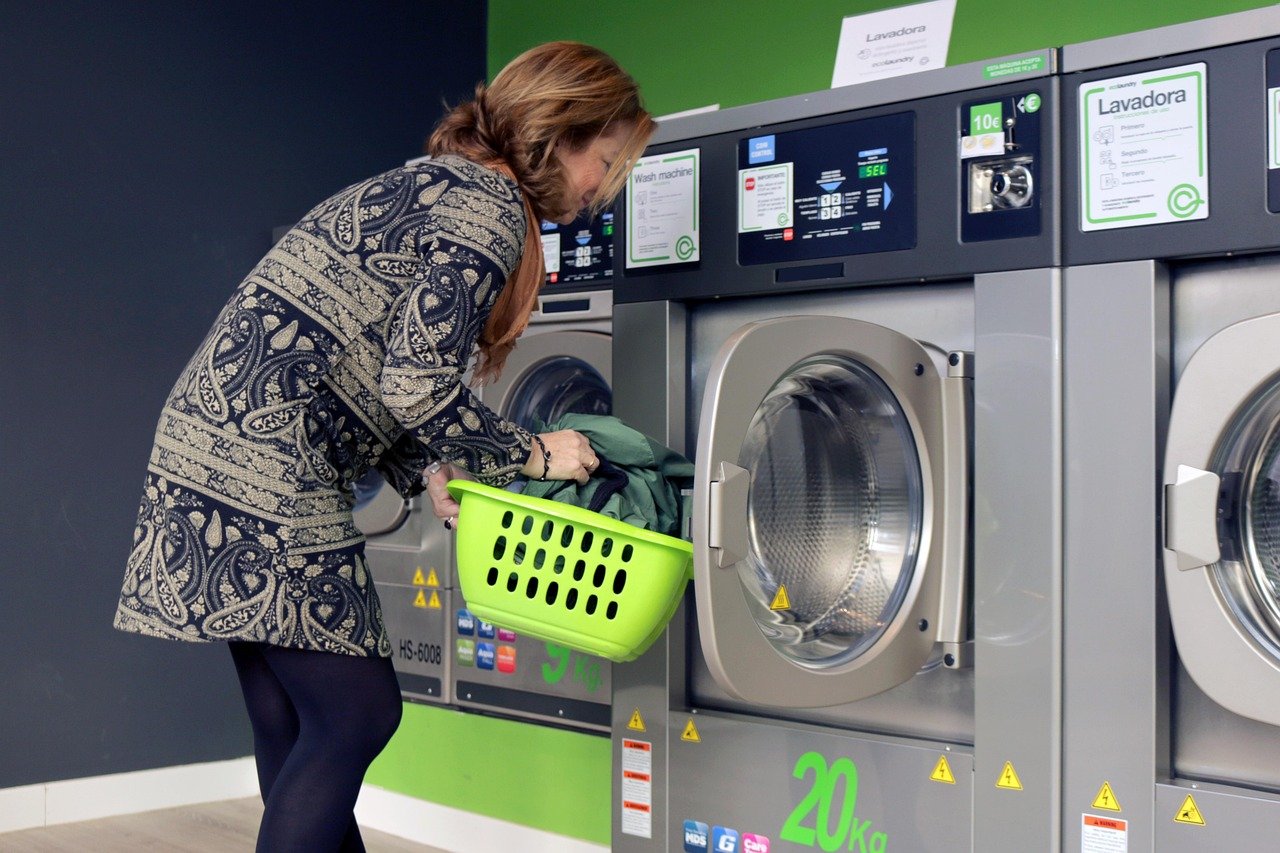
What if the business you’re browsing could wash money while you sleep, or just as easily wring you dry? That’s the promise and the trap of a laundromat for sale. Listings make coin laundry look like the closest thing to passive income a small investor can buy. The reality is more interesting: it is a real operating business with real estate quirks, machine math, and lease clauses that decide whether you profit or bleed. This guide walks through what listings actually show, how to read the numbers, and what experienced buyers check before signing.
Why laundromats dominate small-business listings
Scroll any business marketplace and laundries show up in volume. Laundries for sale worldwide run into the hundreds on major listing sites, with entries spanning Australia, the United States, and Southeast Asia. That volume matters for a buyer: it gives you comparison data. You can see a remodeled Pennsylvania laundromat asking $70,000 and a Bronx operation asking $3.3 million in the same afternoon, which tells you the category is not one market but many.
The appeal is structural. Laundromats take payment per cycle, have no inventory to spoil, and serve a need that doesn’t disappear in a recession. The risk is equally structural: heavy equipment, water and utility costs, and a lease that can end your business overnight.
What a laundromat listing actually includes
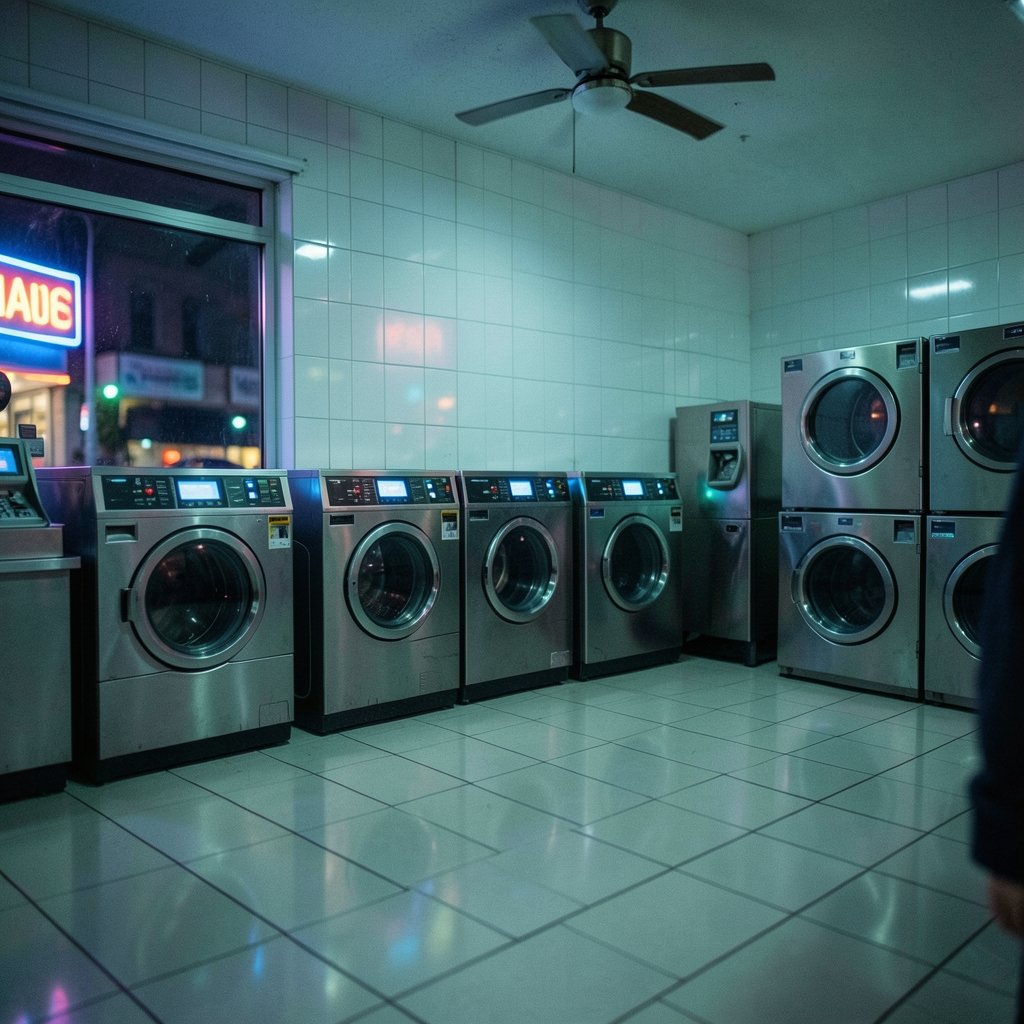
Listings vary wildly in what transfers with the sale. Some are equipment-only deals. A Singapore listing for commercial washers and dryers in Serangoon, for example, asks S$24,800 and bundles four washers, four dryers, a coin changer, and a ceiling fan, with the owner relocating as the stated reason for sale. That is not a business purchase in the full sense. It’s assets plus a location you still have to secure.
Others are turnkey. A fully fitted 24/7 laundromat on Serangoon Road was listed at S$38,000 for immediate takeover. A separate Ang Mo Kio listing describes a hands-off operation upgraded to a fully digital model, transferring the registered business name, Google Maps presence, and equipment including 5kg, 16kg, and 20kg washers plus four 14kg dryers.
Before you compare prices, sort listings into three buckets:
| Listing type | What you get | Main risk |
|---|---|---|
| Equipment only | Machines, coin changer, fittings | No lease, no customers, no goodwill |
| Business takeover | Lease, equipment, brand, location | Lease terms and hidden liabilities |
| Business plus real estate | Property, equipment, operations | Higher price, property diligence needed |
The third bucket changes the math completely. Several U.S. listings advertise laundromats with real estate included, with asking prices climbing toward $995,000 and beyond. When you own the building, rent risk vanishes but capital intensity jumps.
How to read the financials without getting fooled
Sellers present revenue, gross profit, net profit, rent, and sometimes EBITDA. The word appears across listing pages and matters because it strips out financing and accounting choices to show operating cash flow. A 57-year-old dry clean plant and store listing, for instance, advertises consistent thirty-percent EBITDA performance. A Plano, Texas retail dry cleaner and laundry plant shows revenue of $920,812 and cash flow of $261,500. A Bronx listing shows revenue of $1,089,600 against a $3.3 million ask.
Do the arithmetic yourself. Divide asking price by cash flow to get a rough multiple. Then ask three questions:
- Is the cash flow figure tax returns, bank statements, or the seller’s spreadsheet?
- Does it include the owner’s salary, or is the owner working full time for free?
- Are machine replacement reserves deducted, or is the equipment quietly aging?
That last point sinks more deals than any other. A 20-year-old washers-and-dryers fleet looks profitable until three machines fail in one month. If you’re also shopping for replacement equipment, the logic behind a top loading washer machine sale and the traps to skip applies to commercial buying too: cheap upfront often means expensive later.
Location diligence: the 200-metre rule
One Singapore buying guide is blunt about this: laundromats live and die by foot traffic within the immediate 200-metre radius. HDB corridor locations, ground-floor units near MRT exits, and mixed-use developments perform. Isolated commercial sites do not.
The practical test is embarrassingly simple. Visit at peak evening hours, roughly 7pm to 10pm, and again on weekend afternoons. Count customers. Watch how long machines sit full after cycles end. Note whether the neighborhood is renters, owners, families, or single workers, because each group washes differently.
Then check the competition. Two laundromats within 300 metres split the same demand. A dry cleaner nearby is not a direct rival, but a coin laundry with newer machines is.
The lease is the real purchase
Most laundromat buyers are really buying a lease with equipment attached. Read it like your money depends on it, because it does.
Check the remaining term. A five-year lease on a business asking seven figures is a red flag unless renewal is guaranteed. Check rent escalation clauses, because a 10 percent annual bump can erase your margin. Check the permitted-use clause, water and drainage obligations, and whether the landlord can relocate you.
Also confirm utility capacity. Older buildings sometimes cannot support the hot water and drainage load of a full machine bank. Upgrading electrical service can cost more than the machines themselves, and it is the kind of surprise that never appears in a listing sheet.
If you’re weighing a broader property decision alongside the business, the same caution that applies to commercial real estate listings for sale applies here: verify zoning, access, and building condition before you fall for the location.
Equipment condition: what to inspect and how
Bring a technician. Not a friend who knows appliances, an actual commercial laundry technician. The inspection should cover:
- Drum bearings and vibration on each washer
- Dryer lint systems and gas or electric connections
- Water heater age and capacity
- Coin changer or payment terminal functionality
- Floor drains, ventilation, and signage wiring
Digital payment systems deserve separate attention. A fully digital operation with app-based payment reduces coin handling and theft, but it also creates a dependency on a vendor. Ask who owns the payment hardware and what happens to customer balances if you change systems.
For buyers assembling a package from scratch rather than taking over a running shop, understanding how kitchen appliance packages go on sale and when the real deals land is a useful mental model: timing and bundling move prices more than haggling.
Franchise versus independent: the honest comparison
Franchise listings advertise high-margin positioning, with one listing claiming 20 to 35 percent profit margins and requiring minimum liquid capital around $290,000 against a total investment near $1 million. Another franchise-style listing cites average annual gross sales of $537,787 with average returns around $120,000.
Independents offer the opposite trade-off. A remodeled Pennsylvania laundromat at $70,000 with good rent is cheap to enter, but you inherit whatever the previous owner neglected. A New York operation established in 2016 at $485,000 sits in between.
| Factor | Franchise | Independent |
|---|---|---|
| Upfront cost | High, often $450,000+ | Wide range, from tens of thousands |
| Systems and training | Provided | You build them |
| Brand recognition | Yes | Local only |
| Flexibility | Contract-bound | Full control |
| Resale market | Brand helps | Numbers decide |
Neither is better. Franchise suits buyers who want a playbook and can fund it. Independent suits operators who can manage equipment and staff themselves.
Financing, negotiation, and closing
Most sellers expect a mix of cash and financing. Seller financing appears often in this category, especially on smaller deals where the owner wants a clean exit. Ask early, in writing, whether the seller will carry a note. It signals confidence in the numbers.
Negotiate on verified facts, not vibes. If the technician finds two dryers near end of life, price the replacement into your offer. If the lease has four years left, demand a renewal option as a condition of closing. If revenue is cash-heavy, ask for bank deposit records rather than a summary sheet.
Expect a transition period. Good deals include two to four weeks of seller support, handover of supplier relationships, and introductions to any staff. A seller who disappears at closing is telling you something.
Common mistakes that cost real money
Buyers repeat the same errors. They fall for the phrase “semi-passive” and assume no work. They skip evening traffic counts. They accept seller-provided financials without bank statements. They underestimate water and utility costs. And they buy equipment-only listings thinking they’ve bought a business.
One more: they ignore the reason for sale. “Owner migrating” or “other business venture” can be genuine. Sometimes it isn’t. Ask what the owner is doing next and whether they’d stay on as a minority partner. The answer is revealing.
Conclusion
A laundromat for sale is a small business wearing a simple disguise. The listings look uniform, but the deals underneath range from a $24,800 equipment bundle to a multi-million-dollar operation with real estate attached. The buyers who do well share a pattern: they verify traffic with their own eyes, read the lease before the profit sheet, bring a technician to the machines, and price risk into every offer. Do those four things and the coin laundry business can deliver exactly what it promises. Skip them, and you’ll learn why so many of these listings come back on the market.
FAQ
How much does a laundromat cost to buy?
It depends entirely on scope. Equipment-only packages can start around S$24,800, a fitted 24/7 Singapore laundromat was listed at S$38,000, and U.S. listings range from roughly $70,000 for a remodeled independent shop to $3.3 million for a large Bronx operation. Franchise models often require total investment near $1 million.
Is a laundromat actually passive income?
No. It’s semi-passive at best. Machines handle the washing, but someone must manage maintenance, cleaning, collections, staff, and customer issues. Listings that call a shop “hands-off” usually mean the owner has delegated daily tasks, not that no work exists.
What is a good EBITDA margin for a laundromat?
Listing data shows wide variation, with some operations advertising thirty-percent EBITDA performance and franchise materials claiming 20 to 35 percent profit margins. Treat any figure as a starting point and verify it against tax returns, bank statements, and a reserve for machine replacement.
How do I check foot traffic before buying?
Visit the location at peak evening hours, around 7pm to 10pm, and on weekend afternoons. Count customers, note how long machines stay full after cycles finish, and check how many competing laundries operate within a few hundred metres. Two or three visits on different days beats any report.
Should I buy a laundromat with or without the real estate?
Real estate included removes rent risk and adds property appreciation, but raises the price sharply, with listings reaching $995,000 and above. Buying the business alone keeps entry costs lower but leaves you exposed to lease renewal and rent increases. Match the choice to your capital and tolerance for landlord risk.
What should I inspect before signing?
Bring a commercial laundry technician to check drum bearings, dryers, water heaters, drains, ventilation, and payment systems. Separately, review the lease term, renewal options, permitted use, and utility capacity. Confirm the reason for sale and request bank deposit records rather than seller summaries.
The final safeguard is a contingency reserve. Set aside 5 to 10 percent of the purchase price for the first six months of surprises—a failed water heater, a payment terminal replacement, a slow season. Buyers who budget only for the purchase price are the ones who panic-sell within a year. Run the numbers at half the current revenue, too; if the business still covers rent, utilities, and loan payments, you have a margin of safety. If it only works at full occupancy, you are buying a job with extra risk.
Do the diligence, price the risk, and walk away from anything you cannot verify. The right laundromat is out there—just make sure you find it before it finds your wallet.