
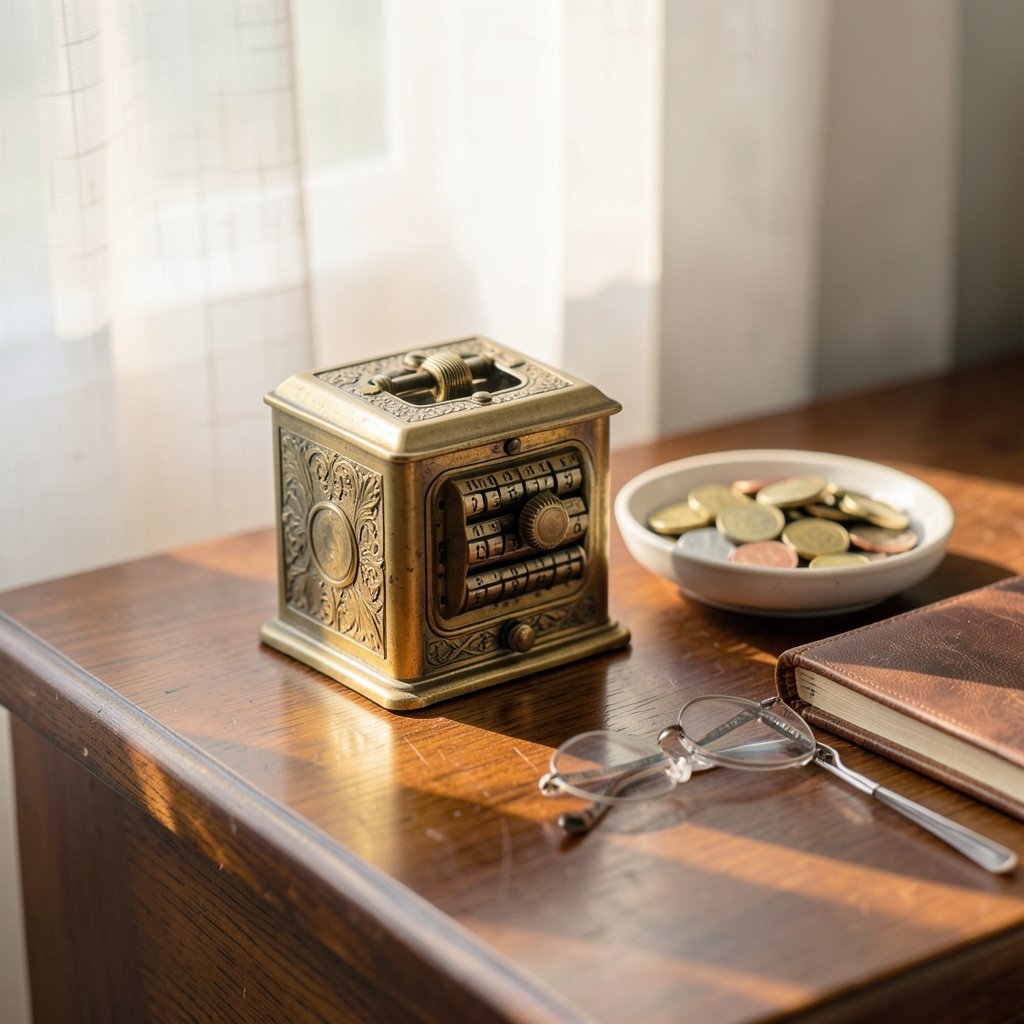
What comes to mind when someone says “liberty counter”? A coin dealer’s display case? A tally of rights lost? A kiosk at a border crossing? The phrase is genuinely slippery, and that ambiguity is the first thing worth sorting out. Depending on who’s talking, a liberty counter can be a physical piece of equipment, a piece of political shorthand, or a marketing label attached to a product that has nothing to do with freedom at all. Getting the meaning right before you search, buy, or cite the term saves a lot of wasted time.
This guide walks through the main ways the phrase gets used, how to tell which one you’re looking at, and the practical mistakes people make when they assume they know which is which. It also explains why “counter” itself is such a flexible word in English, because that flexibility is the root of most of the confusion.
Why “Liberty Counter” Is an Ambiguous Phrase
English lets a noun stack in front of another noun almost without limit. “Counter” can mean a flat surface in a shop, a device that tallies things, a person who counts, or a verb meaning to oppose. “Liberty” can mean political freedom, a legal right, a brand name, or a design motif on a coin. Combine two flexible words and you get a phrase that could point in several directions at once.
That matters for anyone searching the term. Search engines will happily return a mix of results: coin-collecting forums, civil-liberties commentary, retail listings for counting machines, and political essays. Without a clear sense of which meaning you want, it’s easy to click into the wrong context and come away with a skewed picture.
The practical fix is to add one disambiguating word to your search. “Liberty counter coin,” “liberty counter monument,” or “liberty counter machine” will each pull a very different set of results. It sounds trivial, but it’s the single biggest time-saver when a phrase is this overloaded.
The Physical Meanings: Counters as Objects and Surfaces
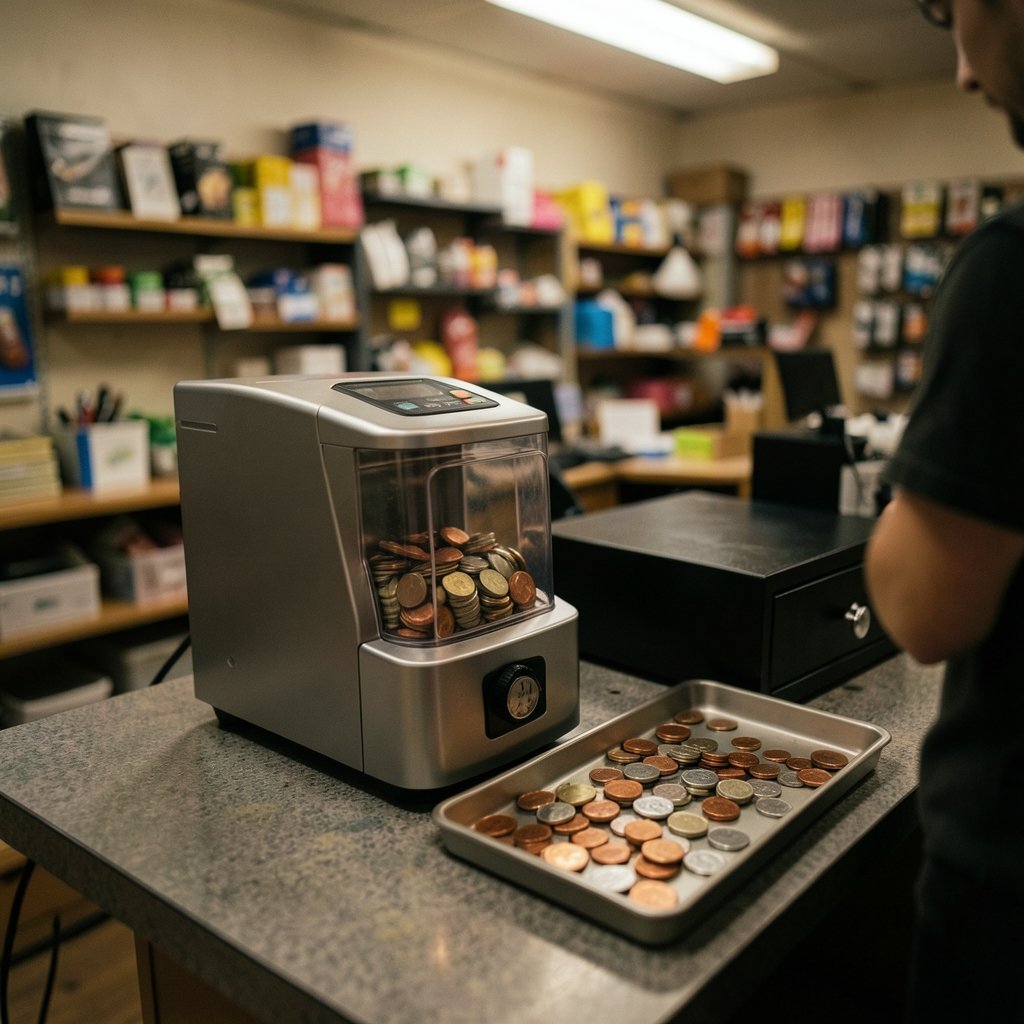
In everyday retail and office settings, “counter” usually means a work surface where transactions happen. A business named Liberty might call its service desk the liberty counter simply as a branded label. Ports, airports, hotels, and government offices all use “counter” this way: check-in counter, information counter, service counter. If a venue or company carries “Liberty” in its name, the phrase is descriptive branding rather than a fixed term with a definition.
The other physical meaning is a counting device. Coin counters, bill counters, and currency scanners are common in retail banking, vending operations, and small businesses that handle a lot of cash. A “liberty counter” in this sense would most likely be a counter branded “Liberty,” or a counter used to tally Liberty-brand coins.
If you’re shopping for a counting machine rather than researching a political idea, the practical questions are the same regardless of brand. Before buying, it helps to understand what actually matters in a money counter machine before you buy one — things like note compatibility, counterfeit detection, and how the machine handles worn bills. Many buyers fixate on speed and ignore accuracy, which is the wrong trade-off for anyone handling cash daily.
What Counting Machines Actually Do Well
A good bill counter handles volume, sorts by denomination on higher-end models, and flags suspect notes. A cheap one jams on creased bills and produces counts you have to re-verify by hand, which defeats the purpose. The same logic applies to digital tools: if you’re tallying cash or inventory with an app, it’s worth knowing what online money counter tools can and can’t do before you trust one with a real reconciliation. Web-based counters are fine for quick estimates but rarely replace a physical machine for daily cash handling.
The Political Meaning: Counting Liberty and Its Limits
The more charged interpretation treats “liberty counter” as shorthand for measuring freedom: tallying rights restricted, laws passed, or liberties curtailed. In civil-liberties commentary, the idea of a running count is a rhetorical device. It frames policy debate as a ledger, with freedoms gained on one side and freedoms lost on the other.
This framing shows up whenever governments expand surveillance, restrict assembly, or tighten speech rules. The “counter” becomes a way to argue that liberty is being spent down rather than protected. It’s a useful rhetorical tool precisely because it’s concrete: a number is harder to dismiss than a vague complaint.
The trouble is that liberty is hard to quantify honestly. Different groups count different things, weight them differently, and disagree about what counts as a restriction versus a reasonable regulation. A “liberty counter” in this sense is an argument, not a measurement. Readers should treat any such tally as a perspective rather than an objective index.
When Political Language Gets Treated Like a Diagnosis
There’s a related pattern worth flagging: political unrest and civil-liberties friction sometimes get described in medical or technical language, as if a society’s freedom could be diagnosed and treated like an illness. That framing carries hidden assumptions about who is healthy and who is not. A closer look at how political unrest gets treated like a fever rather than a debate shows why the metaphor matters. Language shapes policy, and calling dissent a symptom makes it easier to justify treating it as something to be managed rather than heard.
The Numismatic Meaning: Liberty on Coins
Coin collectors have their own relationship with the word. Liberty has appeared on American coinage for well over two centuries, usually as a female figure representing the ideal. The “Liberty Head” design family spans multiple denominations and decades, and the word itself is struck directly onto many coins.
A “liberty counter” in a numismatic context could mean a few things:
| Context | Likely meaning |
|---|---|
| Coin forum or auction listing | A counter or dealer desk specializing in Liberty-design coins |
| Collector shorthand | A tally of Liberty-head specimens in a collection |
| Retail or bank setting | A machine used to count coins, possibly Liberty-branded |
| Museum or exhibit | A display counter holding Liberty-themed pieces |
For collectors, the practical takeaway is that “liberty counter” is not a standard numismatic term. If you see it in a listing, ask the seller what they mean. Ambiguous terminology in coin listings is a common source of buyer disappointment, and clarifying before purchase costs nothing.
How to Tell Which Meaning You’re Looking At
Context does most of the work. A few quick signals will usually settle it:
- Check the surrounding words. “Service,” “check-in,” “front,” or “reception” point to a physical desk. “Rights,” “surveillance,” or “legislation” point to the political sense. “Coin,” “note,” “bill,” or “cash” point to a counting device.
- Look at the source type. A retail site, a news outlet, and a collector forum will each use the phrase differently, and none of them is wrong.
- Check whether “Liberty” is capitalized as a brand. If it’s a company or venue name, the phrase is a label, not a concept.
- Ask directly. If a listing, contract, or invitation uses the phrase, ask the sender to define it. Ambiguity that survives a direct question is usually deliberate.
A common mistake is assuming the political meaning is the default. In most commercial and retail contexts, it isn’t. Another common mistake is the reverse: treating a branded service desk as if it referred to a political idea. Both errors lead to wasted research.
Practical Tips and Common Mistakes
Don’t buy equipment on the strength of a name. A counter branded “Liberty” tells you nothing about its accuracy. Check the specifications, read independent reviews, and confirm the return policy. Brand names in the counting-equipment market are inconsistent, and a familiar-sounding label is not a quality signal.
Don’t cite a “liberty counter” as data. If you’re writing or arguing about civil liberties, a running tally assembled by an advocacy group is a claim, not a statistic. Say who compiled it and what they counted. Numbers without a stated method are rhetorical, not empirical.
Do verify whether a venue’s “liberty counter” is a real location. Service desks move, close, and get renamed. If you’re traveling to a specific counter, confirm its hours and location before you go rather than trusting an old listing.
Do watch for terminology drift. Words like “counter” migrate between domains quickly. A term that meant a shop desk a decade ago may now describe an app feature. When a phrase feels slightly off in context, that instinct is usually worth following.
There’s a broader lesson here that applies well beyond this one phrase. Digital tools that promise to “count” or “track” something often carry assumptions baked into their design, and those assumptions are worth inspecting. The same scrutiny that helps you evaluate a physical counting machine helps you evaluate any system that claims to measure something as abstract as freedom or risk. A security breach that exposes millions of accounts, for instance, is a reminder that the systems we trust to hold our data are only as good as their weakest design choice — a dynamic worth understanding when you read about incidents like the Discord bot breach that exposed 28 million accounts.
Where the Phrase Is Heading
Language tends to consolidate. When a phrase has several meanings, one usually wins through sheer frequency of use. For “liberty counter,” the commercial and retail senses are probably the most common in raw search volume, simply because there are more shops and machines than there are essays about civil liberties. But the political sense has more cultural weight, and it’s the one most likely to appear in opinion writing and policy debate.
Expect the phrase to keep splitting. Brand names multiply, counting hardware keeps getting cheaper, and political language keeps borrowing from measurement. The safest approach for readers is to stay alert to context and resist the urge to assume a single definition. A phrase that means several things is not a flaw in the language; it’s a prompt to ask one more question before acting.
Conclusion
“Liberty counter” doesn’t have one settled meaning, and pretending otherwise is where most confusion starts. It can describe a branded service desk, a machine for tallying cash, a collector’s shorthand, or a rhetorical device for measuring how much freedom a society has gained or lost. Each use is legitimate within its own context, and each carries different assumptions about what “counting” and “liberty” are for.
The practical path is straightforward. Add a disambiguating word to your search, check the source type, and ask directly when a listing or document uses the phrase without explanation. If you’re buying equipment, judge it on specifications rather than names. If you’re reading political argument, treat any tally as a perspective with a method behind it. And if you’re simply curious, enjoy the fact that a two-word phrase can open onto retail, numismatics, and political theory all at once. Clarity, in this case, comes from asking which counter you’re standing at.
Frequently Asked Questions
What does “liberty counter” mean?
It has several meanings depending on context. It can refer to a branded service desk at a business or venue named Liberty, a machine used to count cash or coins, a collector’s shorthand for Liberty-design coins, or a rhetorical device for tallying restrictions on civil liberties. There is no single official definition.
Is “liberty counter” a standard term in coin collecting?
No. Collectors talk about Liberty Head designs and specific coin varieties, but “liberty counter” is not standard numismatic vocabulary. If you encounter it in a listing, ask the seller to clarify whether they mean a coin type, a display counter, or a counting device.
How can I tell which meaning someone intends?
Look at the surrounding words and the source. Terms like service, check-in, or reception point to a physical desk. Words like rights, surveillance, or legislation point to the political sense. Coin, note, or cash point to a counting device. If it’s still unclear, ask directly.
Can liberty be measured with a counter?
Not in any rigorous, agreed-upon way. Advocacy groups publish tallies of laws, court rulings, or restrictions, but these reflect chosen methods and priorities rather than an objective index. Treat any liberty tally as a documented perspective and check who compiled it and what they counted.
What should I check before buying a counting machine?
Focus on accuracy and reliability rather than brand name or speed claims. Confirm which note or coin types the machine handles, how it deals with worn or creased currency, whether it includes counterfeit detection, and what the return policy is. Independent reviews are more useful than marketing copy.
Why does the phrase cause so much confusion online?
Because both words are flexible. “Counter” can mean a surface, a device, a person, or a verb meaning to oppose, and “liberty” can mean a political ideal, a legal right, a brand, or a coin design. Search engines mix all these results together, so adding one clarifying word to your query usually resolves it.



