
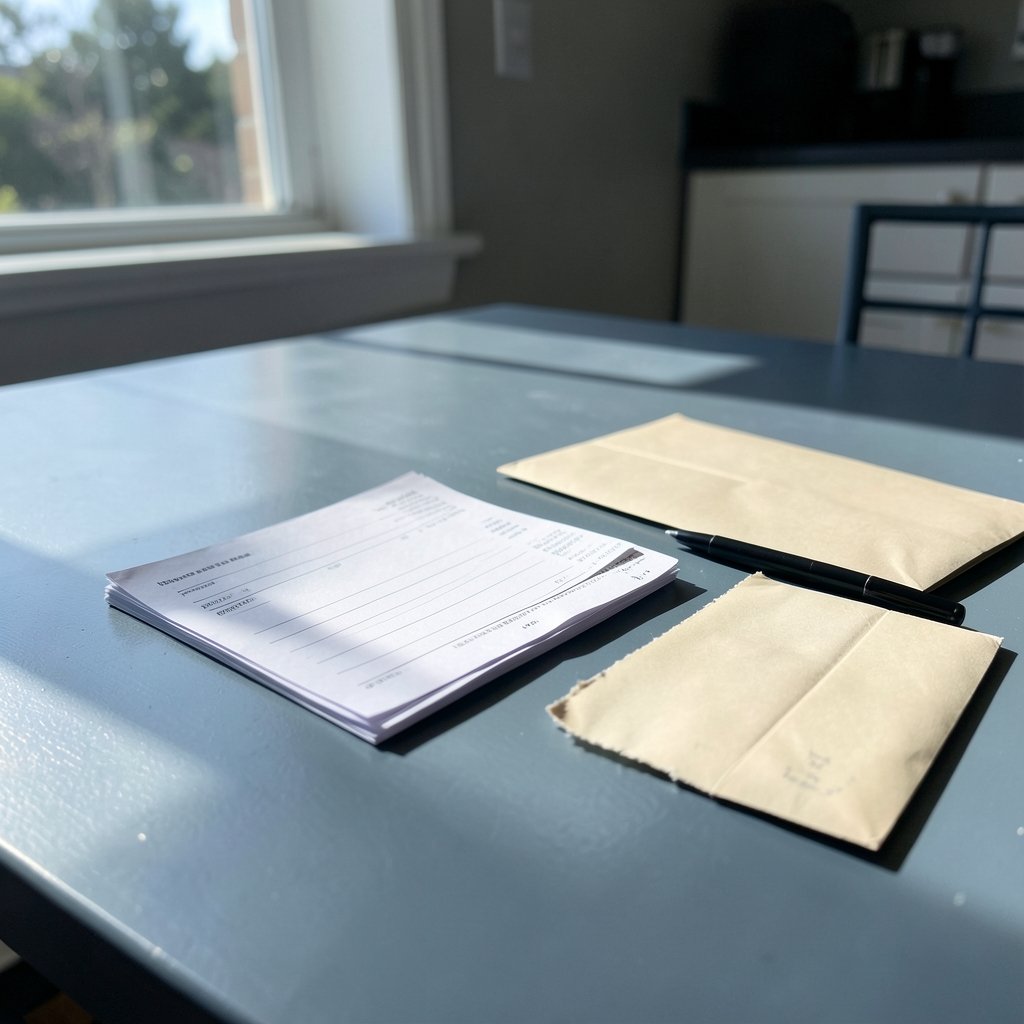
Quick Answer: How long is a money order good for?
There is no single national expiration date for money orders in the United States. A USPS money order does not expire, while bank-issued money orders and cashier’s checks usually follow the issuing bank’s own rules and state unclaimed-property law, with many institutions voiding or stopping payment after roughly 90 days to six months.
Agent-issued money orders sold at check cashers, grocery stores, and pharmacies sit somewhere in between, and the terms depend on the issuer and the agent. Some carry printed language, many carry none at all, and the rules can change without much warning.
Before relying on an old money order, check the issuer’s current policy, the purchase receipt and stub, the printed terms on the document, any fee for replacement or reissue, and your state’s unclaimed-property dormancy period.
Why the Question Has No Clean Answer

People ask how long a money order is good for expecting a number. A month, a year, something stamped in the corner. What they usually find is a shrug from the counter clerk and three different answers online.
The confusion comes from one word doing two jobs. Expiration sounds like the paper turns to dust on a certain date. In practice, two separate things are happening. First, can the instrument still be cashed? Second, will the issuer replace or refund it if something goes wrong? Those two clocks rarely run on the same schedule, and mixing them up is where people get burned.
A money order is a prepaid payment instrument, similar in spirit to a cashier’s check but smaller in amount and easier to buy. You pay the face value plus a fee, and the issuer promises to pay the recipient. Because the money is already collected, most issuers are in no hurry to make it disappear. They would rather you cash it, or come back and ask for a replacement.
USPS Money Orders: No Expiration, but Plenty of Fine Print
Postal money orders are the most familiar kind in the US, and they come with the friendliest rule of the bunch. They do not expire. A postal money order bought years ago can still be deposited or cashed, provided it is genuine and the payment hasn’t already been stopped. (Complying with the Telemarketing Sales Rule)
That doesn’t mean you should file it in a shoebox. The practical advice from every counter clerk is the same: cash it promptly. The longer a money order sits, the more chances for the receipt to vanish, the payee to move, or the document to get damaged. A money order with a torn corner and a faded amount is a headache nobody needs. (Z wave inclusion vs exclusion order matters every device)
If a postal money order is lost or stolen, the replacement process is real but slow. The buyer typically files an inquiry, pays a fee, and waits a stretch of time before a refund or replacement is issued. The commonly cited waiting period is 60 days from the date of purchase, though you should confirm the current figure with the issuing office before counting on it. Keep the receipt and the stub. Without them, proving you bought the thing becomes a scavenger hunt.
One more practical note: postal money orders have maximum dollar limits per single document, and those limits have shifted over the years. If you need to send a large sum, you may end up buying several. That multiplies the paperwork, so photograph every stub before mailing anything.
Bank-Issued Money Orders and Cashier’s Checks
Walk into a bank and ask for a money order, and you may walk out with something closer to a cashier’s check. The distinction matters because the rules differ.
Bank-issued instruments are governed by the institution’s own terms plus state law, not by a single federal expiration rule. Many banks will honor an old money order or cashier’s check, but they may first place a hold, run a verification, or charge a research fee. Some institutions stop payment after a stated window, often somewhere between 90 days and six months. Others are more patient. There is no way to know without asking the specific bank.
This is where the practical advice gets blunt. If you are holding a bank money order that is more than a few months old, call the issuing branch before you deposit it. Ask three questions: is it still valid, will there be a fee, and what happens if it’s refused? Getting those answers takes five minutes. Discovering them at the teller window with a line behind you takes longer.
There’s also a quieter risk that most people never think about. Unclaimed money attracts attention, and fraudsters know it. Scams that target forgotten funds, refunds, and unclaimed property are common, and the mechanics are worth understanding before you hand over personal details to anyone who calls about your “unclaimed money order.” The pattern behind a gift card scam works much the same way: urgency, a plausible story, and a payment method that’s hard to reverse.
Agent-Issued Money Orders: MoneyGram, Grocery Stores, and Legacy Brands
Money orders sold through agents are the murkiest category. MoneyGram money orders are commonly described as valid for a limited period, with figures like 90 days or one year floating around depending on the issuer and the agent. Those numbers are widely repeated but hard to pin to a single authoritative source, so treat them as a starting point rather than gospel.
Then there’s Western Union. Its own branded money order product was discontinued in the US, which means a lot of online advice about “Western Union money order expiration” is describing a product you can no longer buy new. Legacy documents may still exist in drawers, and agent-issued items still circulate, but the branding has changed.
The takeaway for agent-issued money orders is simple. Read whatever is printed on the document, keep the receipt, and if the money order is more than a couple of months old, contact the issuer’s customer service line directly. Don’t rely on a forum post from 2016.
| Issuer type | Typical validity | Replacement window | What to do if old |
|---|---|---|---|
| USPS | No expiration | Inquiry plus fee, commonly a 60-day wait | Cash promptly, keep stub |
| Bank / cashier’s check | Bank terms plus state law | Varies, often 90 days to 6 months | Call the branch first |
| Agent-issued (MoneyGram etc.) | Commonly 90 days to 1 year | Varies by issuer and agent | Contact issuer directly |
| Legacy Western Union | Product discontinued in US | Varies | Verify with issuer |
What Happens to Money Orders Nobody Cashes
Here’s a fact that surprises almost everyone. An uncashed money order doesn’t just evaporate, and it doesn’t automatically become the issuer’s profit either. In most US states, it eventually becomes unclaimed property.
State unclaimed-property laws, modeled on uniform acts drafted to standardize the process, require holders of other people’s money to report and remit it after a dormancy period. For money orders, that dormancy period is often measured in years, commonly three to five depending on the state. After that, the funds go to the state, which holds them until the owner claims them.
This is genuinely good news for anyone who finds a decade-old money order in a book. The money may still be recoverable, either from the issuer or from the state’s unclaimed property office. The catch is paperwork, verification, and time. It’s not a quick errand.
The lesson for senders is less romantic. A money order you mail is not the same as cash in hand. Until the recipient cashes it, the transaction is unfinished, and you’re the one holding the receipt that proves you paid. Keep it somewhere you’ll actually find it.
How to Cash a Money Order Without Wasting a Trip
Cashing a money order should take minutes. It often takes an afternoon because of small avoidable mistakes. Here’s what actually works.
- Check the payee name before you leave the counter. A misspelled name can void the whole thing, and corrections are rarely allowed.
- Sign it only when you’re ready to cash or deposit it. An unsigned money order is incomplete; a wrongly signed one is a problem.
- Bring photo ID. Most banks and retailers require it above certain amounts.
- Deposit rather than cash when possible. Banks accept money orders more readily than retailers, and the paper trail is cleaner.
- Photograph the front and back plus the receipt before mailing anything.
Common mistakes worth naming: writing the amount in words and digits that don’t match, leaving the date blank when the issuer requires one, and mailing a money order in a plain envelope with no tracking. That last one is how a lot of people end up filing an inquiry in the first place.
If you’re sending money to someone you don’t know well, slow down. The same instincts that protect you from a bad online deal apply here. Understanding where the money actually goes in a fraud case helps, and the reason a gift card scam works so well is that the payment is nearly impossible to reverse. Money orders are more traceable than gift cards but less reversible than a credit card. That trade-off is worth knowing before you buy one. (Identity threat detection really costs where money goes)
Common Myths About Money Order Expiration
A few beliefs refuse to die, and they cause real problems.
Myth one: all money orders expire after 90 days. Some do, some don’t, and the ones that don’t include the most common type in the country. Blanket rules are wrong.
Myth two: an expired money order is worthless. Usually false. Even when an issuer stops honoring the document, there’s typically a refund or reissue path, and state unclaimed property is a backstop.
Myth three: the recipient can cash it forever with no questions. Also usually false. Banks get nervous about old instruments and may place holds or refuse them outright.
Myth four: buying a money order is the same as sending cash. It isn’t. Cash is gone the moment it leaves your hand. A money order leaves a record, and that record is your leverage if something goes wrong.
Practical Rules That Save Real Money
After all the caveats, the working rules are short.
Cash or deposit money orders within a few weeks of buying them. Keep the receipt and stub until the payment clears, then keep them a while longer. If a money order goes missing, contact the issuer the same week rather than the same year. If you’re the recipient of an old money order, call before you queue up.
And if you’re weighing payment methods for a purchase, remember that money orders sit in an odd middle ground. They’re more traceable than cash and gift cards, less protected than credit cards. For small, local, low-risk payments, they’re fine. For anything unusual, a method with a dispute process is usually smarter. The same logic applies to how much identity theft protection really costs compared with the money it saves, since peace of mind has a price tag too.
Conclusion
So how long is a money order good for? Long enough that you shouldn’t panic about a two-month-old document, and short enough that you shouldn’t treat one as permanent savings. Postal money orders don’t expire. Bank instruments follow bank rules and state law, often with a 90-day to six-month practical window. Agent-issued money orders vary and deserve a phone call before you assume anything.
The real expiration date isn’t printed anywhere. It’s the day you lose the receipt. Treat the stub like the valuable document it is, cash promptly, and when in doubt, ask the issuer directly. Five minutes on hold beats a month of paperwork every time.
FAQ
Can I cash a money order that is several years old?
Often yes, but expect friction. Postal money orders do not expire, and bank-issued instruments may still be honored after verification. The issuer may charge a research fee or place a hold, and if the funds were already remitted to a state unclaimed property office, you’ll need to claim them there instead.
Does a money order expire if I never cash it?
Not in the way most people mean. The document may stop being honored at some point depending on the issuer, but the underlying money doesn’t vanish. It typically becomes refundable through the issuer or reportable as unclaimed property under state law after a dormancy period that is usually measured in years.
What happens if I lose a money order before the recipient cashes it?
Contact the issuer immediately. For postal money orders, you’ll generally file an inquiry, pay a fee, and wait a set period, commonly around 60 days, before a replacement or refund is issued. For bank and agent-issued money orders, the process and timeline depend on the institution, so ask for the specific steps in writing.
Is a money order the same as a cashier’s check?
They’re similar but not identical. Both are prepaid instruments drawn on an issuer rather than a personal account, but cashier’s checks are typically issued by banks for larger amounts and carry different rules and protections. Money orders are usually capped at lower maximum amounts and sold through more outlets, including post offices and retailers.
Can the recipient deposit an old money order into their bank?
Sometimes, but banks are cautious with older instruments. Many will accept a money order for deposit after verifying it, while others may place a hold or decline it if the document looks stale or lacks clear issuer details. Calling the bank first saves a wasted trip.
Do I need ID to cash a money order?
Usually yes, especially for larger amounts. Banks, credit unions, and retailers commonly ask for photo identification and may decline to cash money orders for non-customers. Depositing into your own account is generally the smoother route, and it creates a record you can point to later if a dispute arises.



