

What do you actually get when you hand over money for a lemonade called Lucky One? That question matters more than it sounds, because the name sits in a crowded field of drinks that borrow luck, fortune, and good vibes as branding. Some are real commercial products with ingredient lists and distribution deals. Others are recipes, pop-up stand names, or social posts that never became a product at all. This article walks through how to tell the difference, what to check on a label, and where people most often get fooled.
Why the Name Causes Confusion
Search interest in lucky one lemonade splits into a few different groups of people. Some saw the name on a bottle, a menu board, or a market stall and want to know what is in it. Some are planning a lemonade stand and looking for a name that sticks. Others are trying to track down a specific drink they remember and cannot quite place.
The problem is that a name made of two very common words does not narrow things down much. Lemonade is sold in dozens of forms: still, sparkling, frozen concentrate, powdered mix, hard versions with alcohol, and fresh-squeezed styles sold by the cup. “Lucky One” could attach to any of them. Without a photo of the label, the brand owner’s name, or the country where it was bought, the name alone tells you very little.
That is not a reason to give up. It is a reason to ask better questions before spending money or repeating a claim about the drink to someone else.
The Practical Way to Identify a Specific Lemonade
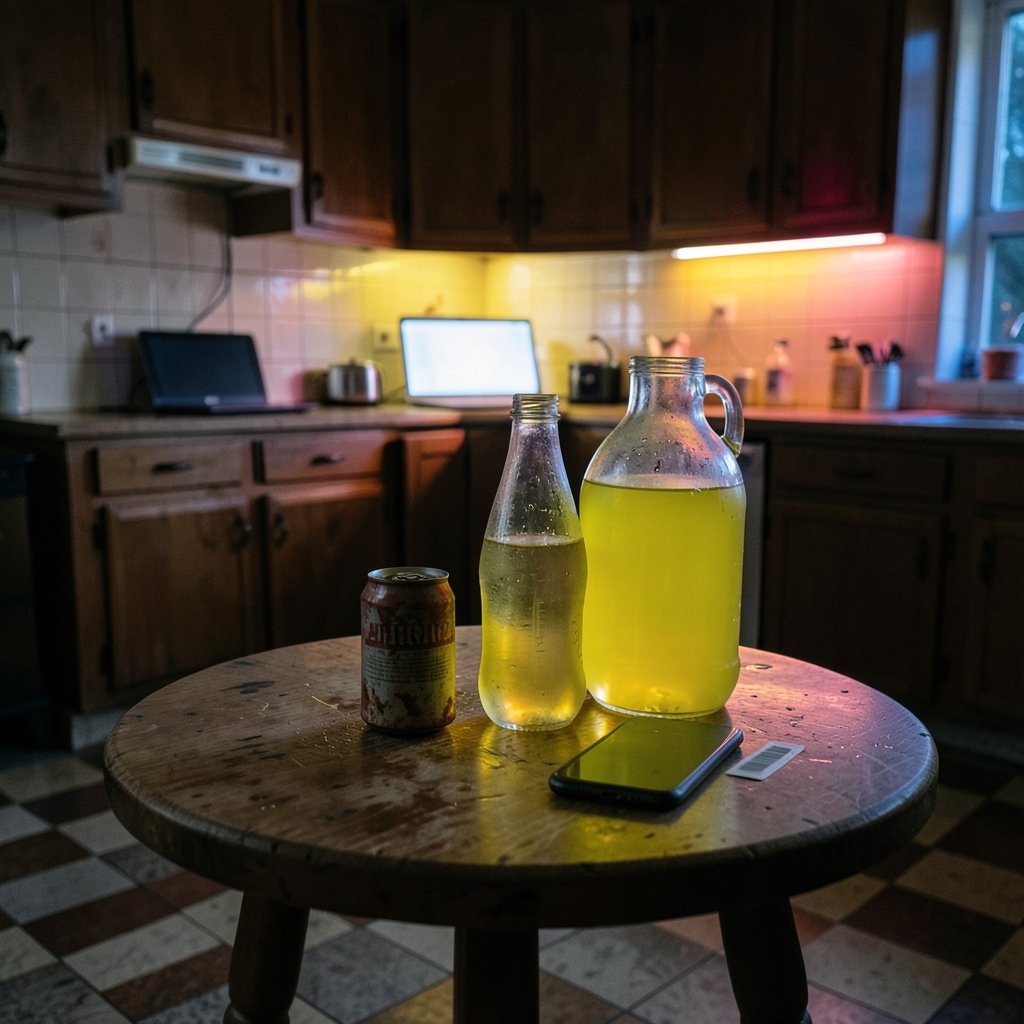
The fastest route from a vague name to a confirmed product is to collect identifiers, not descriptions. Descriptions like “yellow bottle” or “tastes fresh” are useless. Identifiers are unique.
Work through this list in order:
- Photograph the full label, front and back, including the small print at the bottom. The back panel usually carries the manufacturer name, address, net volume, and any batch or lot code.
- Note the container type and size. A 12 oz can, a 16.9 oz bottle, and a 2-liter jug point to different production scales and often different companies.
- Record where and when it was purchased. Regional distribution is one of the strongest clues. A drink sold in one grocery chain in one state is a very different product from one sold nationally.
- Check the barcode. The number under the barcode identifies the seller, and scanning it in a store app often surfaces the exact listing.
- Search the exact name in quotation marks alongside the container size or the retailer name. Quotation marks force an exact-phrase match instead of a fuzzy one.
If those five steps turn up nothing, that is itself useful information. It usually means the drink is local, very new, sold only at events, or homemade.
When the Trail Goes Cold
A dead end does not mean you imagined the drink. Small producers launch and fold constantly. Seasonal products appear for a few months and vanish. Farmers market stalls and festival vendors often sell under a name that never gets registered anywhere.
In those cases, the honest answer is that the product cannot be verified from the name alone. Anyone who tells you otherwise, complete with a founding date and a full ingredient list, is guessing. That matters because beverage claims travel fast and get repeated without checking.
Reading a Lemonade Label Like Someone Who Does It for a Living
If you do have a bottle in hand, the label is a contract of sorts. It is also a document with specific rules behind it, and knowing which parts are regulated helps you separate marketing from fact.
| Label element | What it actually tells you | What it does not tell you |
|---|---|---|
| Ingredient list | What is in the drink, listed by weight from most to least | Exact proportions of each ingredient |
| Nutrition panel | Calories, sugars, sodium, and other values per serving | Whether the serving size matches how you drink it |
| Percent juice statement | How much real juice the product contains, where declared | That the drink is “natural” by any standard |
| “Natural flavors” | Flavors derived from plant or animal sources | Which sources, or how processed they were |
| Front-of-pack words | Marketing language chosen by the brand | Verified health benefits |
Two habits pay off immediately. First, check the serving size against the container size. A bottle that looks like one drink is often listed as two or more servings, which quietly doubles every number on the panel. Second, read the ingredient list from the top. If water and a sweetener come first, the lemon content is doing less work than the front label implies.
For anyone comparing drinks across brands, the same discipline applies as when you compare tools or hardware: decide what you actually need first, then check whether the product delivers it. That approach shows up in everything from choosing board tools as a beginner to picking a laptop for editing work, and it works just as well in a beverage aisle.
Fresh, Concentrate, or Powder
These three forms behave very differently; taste is only one difference.
Fresh-squeezed lemonade is made from lemon juice and water, usually with sugar, and is meant to be drunk soon. It keeps only briefly unless it is refrigerated and treated.
Concentrate-based lemonade is reconstituted from a frozen or liquid concentrate. It is consistent, shelf-stable, and cheap to ship, which is why it dominates grocery shelves. Flavor is built back in during processing.
Powdered mix is the most processed form. It is light, stores for years, and dissolves in water. Read the ingredient list closely here, because powders lean heavily on acids, anti-caking agents, and colorings to look and taste right once mixed.
None of these is automatically better. But knowing which one you are holding explains a lot about the price and the taste.
Where People Get Burned
A few mistakes come up again and again when a drink with a friendly name starts circulating.
Trusting a name over a label. Words like fresh, natural, and real carry no fixed legal meaning in most everyday marketing contexts. The ingredient list is the part you can check.
Assuming one product means one company. Brands get licensed, co-packed, and sold. Two bottles with the same name bought a year apart may come from entirely different facilities.
Repeating a health claim. Lemonade is a sugary drink in most commercial forms. Any claim that a specific lemonade does something for your body needs a source, and a friendly brand name is not one.
Ignoring the recall question. Recalls happen across the food and drink industry for reasons like undeclared allergens or contamination. Checking a regulator’s recall listing before buying an unfamiliar product in bulk takes a minute.
Skipping the price-per-ounce math. Bottled lemonade varies wildly in unit price. The larger container is not always the better deal once you account for how much is water and how much is actual juice.
There is a broader lesson here that shows up far outside drinks. Small details that look harmless cause most of the damage, whether it is a mislabeled bottle or one wrong gear change that destroys an engine. The fix is the same in both cases: slow down and check the thing you are about to trust.
Making Your Own Lucky One Lemonade
Plenty of people searching this name are not looking for a product at all. They are naming a stand, a party drink, or a recipe. That is the most reliable version of “lucky one lemonade” anyone can get, because you control every ingredient.
A dependable base ratio is one part fresh lemon juice to four or five parts water, sweetened to taste. Simple syrup dissolves better than granulated sugar in cold liquid. Make the syrup first, chill everything, and add the juice last so the flavor stays bright. A pinch of salt rounds out the sharpness without tasting salty.
For a stand or event, three practical tips matter more than the recipe:
- Batch by volume, not by cup. Work out how many servings you expect and multiply, then add a small buffer.
- Keep the juice cold and the ice separate. Dilution is what ruins most lemonade served outdoors.
- Price per cup against your actual costs, including cups, ice, and any signage, before you set a number.
If you are naming a small venture, treat the name the way a real brand would. Search it first to see what already exists, and keep records of when you started using it. That habit is the same one that keeps any small operation out of trouble, whether you are launching a drink stand or setting up a domain and hosting workflow that actually fits your needs.
What to Do If You Cannot Confirm the Product
Sometimes the answer stays unresolved, and the right move is to say so plainly. If a bottle, can, or menu item called Lucky One Lemonade cannot be matched to a named producer, a location, or a retailer listing, treat it as unidentified until better evidence appears.
That does not have to be the end of the story. Keep the photo. Note the date and place. Ask the seller directly who makes it. Small producers are usually happy to talk about their product, and a short conversation settles in thirty seconds what an hour of searching cannot.
The same restraint applies to anything you read about the drink. A confident paragraph full of dates and details is not evidence. A label, a receipt, and a named manufacturer are.
Conclusion
Lucky One Lemonade is a name that could belong to a bottled product, a stand, a recipe, or a memory, and the name alone will not tell you which. What resolves it is not more searching but better evidence: a label photo, a barcode, a purchase location, and a named producer. Once you have those, the rest follows quickly. Read the ingredient list from the top, check the serving size against the container, and treat front-of-pack words as marketing rather than fact. If you are making your own version, you are in the strongest position of all, because you know exactly what went into it. Good lemonade, like a good decision, comes down to checking the details before you commit.
Frequently Asked Questions
What is Lucky One Lemonade?
It is a name used for lemonade, but it does not reliably point to one single product or company. It may refer to a bottled drink, a market stall, a homemade recipe, or a social media post. To identify a specific version, you need a label photo, the container size, and where it was bought.
Is Lucky One Lemonade a real brand?
That cannot be confirmed from the name alone. Many small drink producers sell under names that never appear in national listings, and some products are regional or seasonal. Check the back label for a manufacturer name and address, then search that company name directly. If no producer turns up, treat the product as unidentified.
How can I tell if a lemonade is actually fresh?
Look at the ingredient list and the storage instructions. Fresh-squeezed lemonade is typically refrigerated, has a short shelf life, and lists lemon juice near the top of the ingredients. Concentrate-based and powdered versions are shelf-stable and usually list water, sweeteners, acids, and flavors in various combinations.
How much sugar is in a typical bottled lemonade?
It varies widely, which is why the nutrition panel matters more than the front label. Always check the serving size first, because many bottles contain two or more servings. A bottle that looks like a single drink can deliver double the sugar and calories shown on the panel if you drink it all at once.
What should I check before buying lemonade in bulk?
Check the price per ounce rather than the sticker price, confirm the serving count, and look at the ingredient list for what you are actually paying for. If it is an unfamiliar product, check a food regulator’s recall listing first. For events, buy slightly more than you expect to need but keep unopened containers cool and sealed.
Can I make Lucky One Lemonade at home?
Yes, and it is the most verifiable option available. Start with one part fresh lemon juice to four or five parts water, sweeten with simple syrup to taste, and add a small pinch of salt. Chill everything before mixing, keep ice separate so the drink does not dilute, and scale the batch by volume based on how many servings you expect to pour.



