
What if the two cities most people think of when they picture Spain were less like twins and more like distant cousins who happen to share a passport? Madrid and Barcelona get compared constantly, and almost every comparison falls into the same trap. People pick a favorite first, then arrange the facts to defend it. That is a shame, because the real differences between these two cities are more interesting than any ranking.
This comparison looks at Madrid and Barcelona side by side across the things that actually shape daily life: size, money, getting around, culture, food, language and weather. No winner at the end. Just a clear picture of what each city does well and where each one frustrates people.
The quick side-by-side
Here is the short version for anyone who wants the shape of the answer before the detail.
| Factor | Madrid | Barcelona |
|---|---|---|
| Location | Center of Spain, inland plateau | Northeast coast, Catalonia, on the Mediterranean |
| Role | National capital and government seat | Regional capital and industrial hub |
| Climate | Dry, hot summers, cold winters | Mild, humid, sea breeze |
| Official languages | Spanish | Spanish and Catalan |
| Coastline | None | Beaches inside the city |
| Signature landmark | Prado, Retiro, Royal Palace | Sagrada Família, Gothic Quarter, beaches |
| Typical feel | Grand, formal, wide boulevards | Dense, design-led, sea-facing |
That table hides as much as it shows, so the rest of this piece unpacks each row.
Two capitals, two very different jobs

Madrid is Spain’s capital, which means it carries the country’s political weight. The national government, the royal family, the main ministries and the headquarters of most large Spanish companies all sit there. That concentration gives Madrid a certain formality. It is a city built around power and administration, and you feel it walking past the grand 18th-century buildings of the Austrias district or through the wide, traffic-heavy avenues of the modern north.
Barcelona is a capital too, but of Catalonia, one of Spain’s most economically powerful regions. It has its own parliament, its own police force and a strong sense of political identity. The city is a Mediterranean port and an industrial center that grew fast in the 19th century, which is why its older neighborhoods feel tighter and more layered than Madrid’s. Where Madrid spreads out across a plateau, Barcelona is squeezed between the sea and a ring of hills, and that geography shapes everything from its street grid to its housing prices.
For visitors who want to see how a rivalry plays out in sport as well as politics, the clash between the two football giants is its own world, and you can see how the fc barcelona vs real madrid lineups actually built up over the years, player by player, in a way that mirrors the cities themselves. (El Clásico: Real Madrid vs Barcelona rivalry)
Size, population and the myth of the bigger city
People often assume Madrid is much larger than Barcelona. It is bigger, but not by the margin the myths suggest. Both are major European metropolitan areas with populations in the millions, and both anchor sprawling urban regions that stretch well beyond the city limits.
What matters more than raw numbers is density. Barcelona is one of the most densely packed cities in Europe, thanks to its compact footprint and the famous Eixample grid of squared-off blocks with chamfered corners. Madrid is spread wider, with more open space, larger parks and longer distances between neighborhoods. The practical result: Barcelona feels busier and more walkable, while Madrid feels roomier and more spread out.
Cost of living and money
Both cities are expensive by Spanish standards, and both have seen housing costs climb sharply. The differences are real but narrower than people expect.
Rent tends to be somewhat higher in Barcelona, partly because of tourism pressure and the city’s tight geography. Madrid often runs close behind, especially in central neighborhoods. Day-to-day costs like groceries, transport and eating out are broadly similar, though Barcelona’s tourist-heavy areas push prices up in the center.
Salaries are generally higher in Madrid, reflecting its concentration of corporate headquarters and government jobs. Barcelona has a strong tech and design sector of its own, but average pay tends to trail the capital slightly. The upshot is that neither city is clearly cheaper. It depends on the neighborhood, the job and how far from the center you are willing to live.
Getting around
Both cities have excellent public transport, and this is one area where the comparison is close to a draw.
Madrid’s metro is one of the largest in Europe by track length, with a dense network that reaches far into the suburbs. It runs late and covers a lot of ground. Barcelona’s metro is smaller but very efficient, and it is complemented by a strong commuter rail system that connects the city to the wider region.
Walking is where they diverge. Barcelona’s compact layout makes it easy to cross whole neighborhoods on foot. Madrid’s center is also walkable, but the distances between major sights are longer, and the summer heat makes midday walking unpleasant.
Language and culture
This is one of the biggest practical differences. Madrid is overwhelmingly Spanish-speaking. Barcelona is bilingual, with Catalan and Spanish both official and widely used. Street signs, menus, school instruction and local media often appear in Catalan first. Visitors who speak only Spanish will manage fine, but they will notice the difference immediately. (FIFA tournaments: official competition overview)
Culturally, both cities punch far above their weight. Madrid holds the Prado, the Reina Sofía and the Thyssen-Bornemisza, a trio of world-class art museums within walking distance of each other. Barcelona counters with the Sagrada Família, the Park Güell and a whole portfolio of modernist architecture, plus a strong contemporary design and music scene.
The rhythm differs too. Madrid has a reputation for late dinners and long nights that stretch into the early morning. Barcelona is lively as well, but its nightlife leans toward the beach and the port, and the city’s schedule tends to run slightly earlier.
Food
Both cities eat well, but they eat differently.
Madrid is the place to go for traditional Spanish cooking: jamón, cocido, tapas bars packed at lunchtime, and a serious fine-dining scene. It also has a strong claim as a culinary capital, with a cluster of highly regarded restaurants.
Barcelona’s food identity is Mediterranean and Catalan. Expect seafood, rice dishes, tomato bread, and a market culture built around places like La Boqueria. It also has a deep bench of innovative restaurants. Choosing between them on food is really choosing between a hearty inland tradition and a coastal one.
Weather and when to visit
Madrid has a continental climate: hot, dry summers and cold winters, with a lot of sunshine year-round. Spring and autumn are the sweet spots.
Barcelona is milder and more humid, with a Mediterranean climate that keeps winters gentle and summers warm rather than scorching. The sea moderates everything. If you want beach time built into a city trip, Barcelona wins without much debate. If you want crisp, sunny days and clear skies, Madrid delivers more reliably.
One practical tip that catches first-time visitors: Madrid’s altitude is high, and the summer sun is stronger than the temperature suggests. Locals shift their day around it, eating late and staying out after dark. Barcelona’s humidity makes heat feel heavier, so shade and water matter more than raw numbers on a thermometer.
The mistakes people make when comparing them
A few traps show up again and again.
- Treating the comparison as a contest. Both cities are excellent. The question is which one fits a given trip, job or lifestyle.
- Assuming Barcelona is cheaper because it feels more relaxed. Housing tells a different story.
- Expecting Madrid to feel like a coastal city. It is landlocked, and that shapes its food, weather and mood.
- Assuming Spanish is enough everywhere in Barcelona. It usually is, but Catalan is the everyday language for many residents.
- Visiting in August and expecting normal city life. Both cities empty out as locals head for the coast, and many small businesses close.
Which city suits which kind of traveler
Rather than declaring a winner, it helps to match the city to the trip.
| If you want… | Lean toward |
|---|---|
| Big museums and formal architecture | Madrid |
| Beaches and sea views | Barcelona |
| A base for exploring the rest of Spain | Madrid (central rail hub) |
| Architecture and design | Barcelona |
| Late nights and tapas culture | Madrid |
| A compact, walkable break | Barcelona |
| A taste of regional identity and language | Barcelona |
| Big-city scale and open space | Madrid |
For travelers who care about football, both cities offer a full matchday experience, and the rivalry between the two clubs is covered in detail in this breakdown of the fc barcelona vs real madrid lineups actually built across the decades.
Conclusion
Madrid and Barcelona are not rivals in the way the clichés suggest. They are two cities doing different jobs, shaped by different geography, history and language. Madrid is the seat of national power, wide and formal and inland, with a food culture rooted in the Spanish interior. Barcelona is a Mediterranean port with its own political identity, a bilingual street life and a compact density that makes it feel like a different country at times.
The honest answer to Madrid vs Barcelona is that the choice depends on what you want from a city. Want museums, space and central Spain? Madrid. Want sea, design and a walkable Mediterranean rhythm? Barcelona. Plenty of people visit both, and that is probably the best plan of all.
Frequently asked questions
Is Madrid or Barcelona bigger?
Madrid is somewhat larger in both city and metropolitan population, but the gap is smaller than most people assume. Barcelona is far denser, which makes it feel busier despite having fewer people spread over a smaller area.
Is Barcelona more expensive than Madrid?
Rent tends to run higher in Barcelona, largely because of tourism pressure and its tight geography. Madrid is close behind, and salaries there are generally higher. Day-to-day costs are broadly similar, so neither city is clearly cheaper overall.
Do I need to speak Catalan in Barcelona?
No. Spanish is widely spoken and understood, and visitors manage fine with it. Catalan is co-official and used heavily in local media, signage and schools, so you will see and hear it constantly, but it is not required to get around.
Which city has better weather?
It depends on what you want. Madrid has more sunshine and clearer skies year-round but hotter summers and colder winters. Barcelona is milder and more humid, with gentle winters and warm summers moderated by the sea.
Can you visit both cities in one trip?
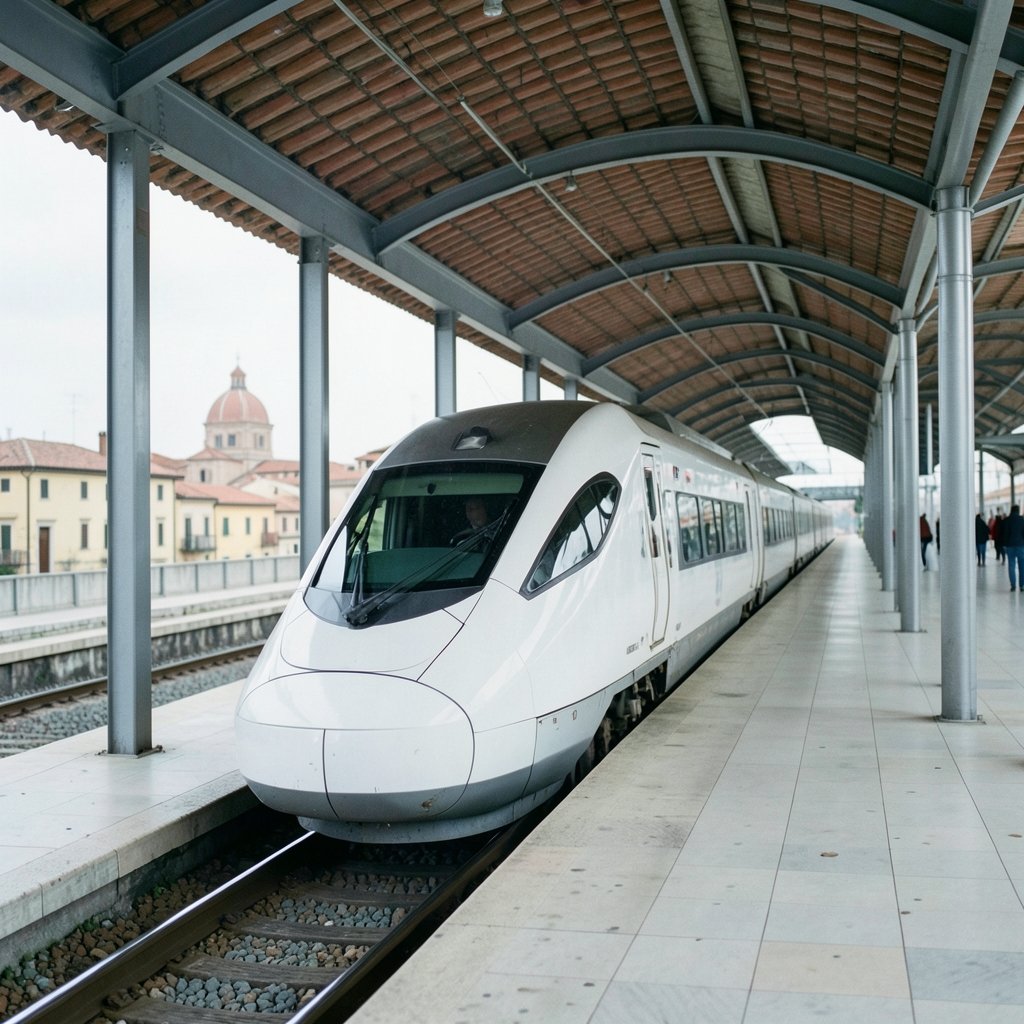
Yes, and many travelers do. High-speed rail connects Madrid and Barcelona in a few hours, making a two-city trip practical. Most people allow at least two or three days in each to avoid spending the whole trip in transit.
Which city is better for a first visit to Spain?
Barcelona suits travelers who want beaches, architecture and a compact, walkable city. Madrid suits those who want major museums, central location and a base for day trips to nearby historic towns. Both make strong first stops, and the right pick depends on whether sea or museums matter more to you.



