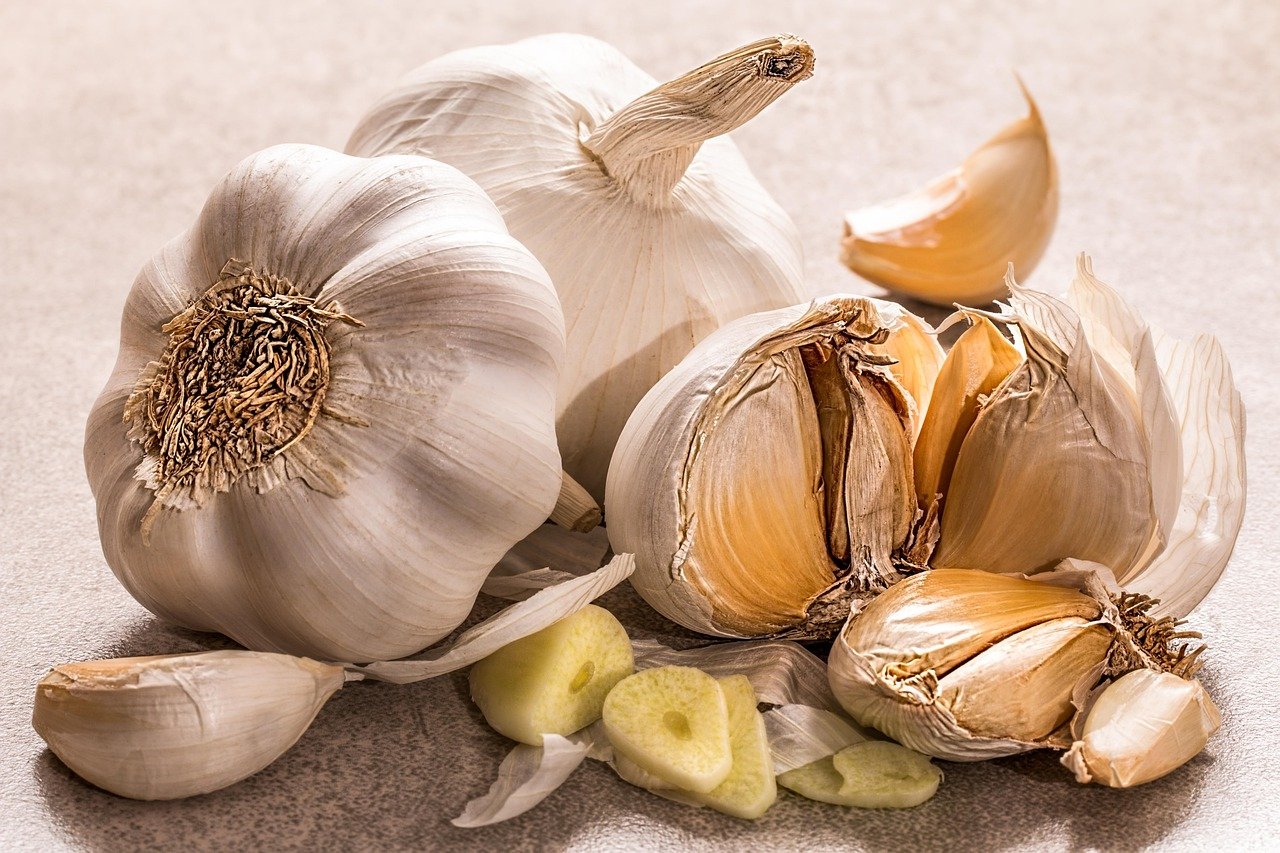
What if the secret to deeper, sweeter garlic flavor is doing less, just very slowly? That is the whole idea behind garlic confit. Cloves are peeled, covered in oil, and cooked at a gentle temperature until they turn soft, golden, and almost jammy. The result is two ingredients in one: a spreadable garlic paste and a garlic-infused oil that upgrades everything it touches.
It is a simple technique with a real safety catch, though. Garlic sitting in oil is a textbook environment for botulism, so the method matters as much as the flavor. This guide walks through the equipment, the steps, the storage rules, and the mistakes that trip people up. (USDA FSIS: Food Safety Basics)
What Garlic Confit Actually Is
Confit is an old preservation technique: cook an ingredient slowly while it is fully submerged in fat, then store it in that fat. Duck confit is the famous savory version, but the same logic works for garlic. The oil transfers heat evenly, so the cloves never brown hard or burn. Their harsh raw bite mellows into something round and nutty.
The key word is submerged. Garlic confit is not the same as roasted garlic, where you cut a head in half, drizzle it with oil, and blast it in a hot oven. Roasting gives you caramelized edges and a stickier texture. Confit gives you pale gold cloves that mash like soft butter. Both are good. Only one is confit. (Confit: Definition and History of the Preservation Method)
Why the Safety Rules Matter More Than the Recipe
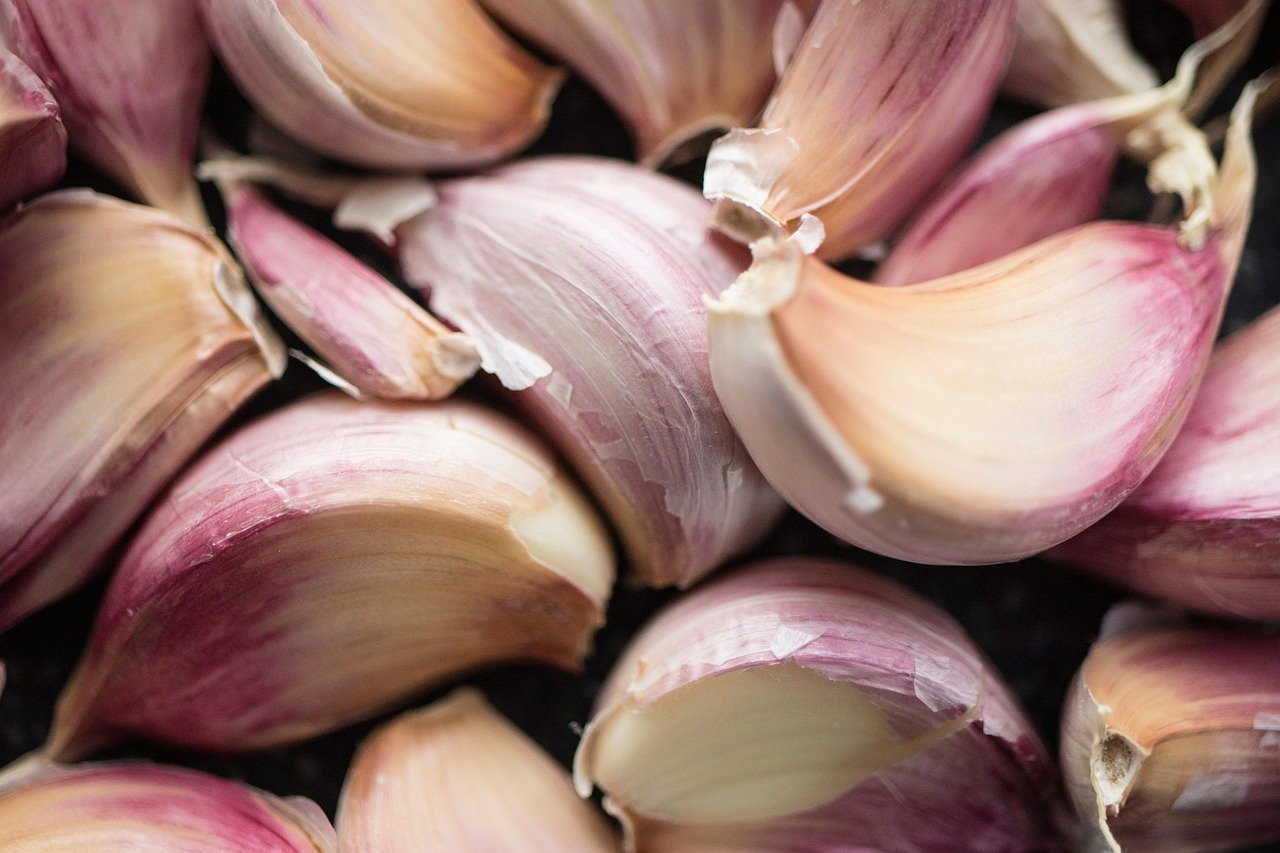
Here is the part most recipes bury in a footnote. Clostridium botulinum spores are common in soil, and they can ride along on garlic. In an oxygen-free environment, which is exactly what a jar of oil provides, those spores can wake up and produce a toxin. Garlic in oil is a well-documented source of botulism illness, and the oil is the problem, not the garlic itself.
Commercial producers get around this by acidifying garlic-in-oil products so the spores cannot grow. Home cooks almost never do that. That leaves two practical defenses: keep the confit cold, and do not let it sit around. A jar of garlic confit on the counter for a week is a genuine risk, not a hypothetical one. Store it in the fridge, use it promptly, and freeze what you will not finish.
Equipment and Ingredients You Need
The ingredient list is short. The equipment list is short too, but a couple of items are worth getting right.
| Item | What to Look For | Why It Matters |
|---|---|---|
| Garlic | Firm, tight heads; about 4 to 6 heads | Soft or sprouting cloves taste bitter and spoil faster |
| Olive oil | Everyday extra virgin; enough to cover by an inch | You need full submersion, and the oil becomes a product of its own |
| Pan | Small saucepan or oven-safe dish with a tight lid | A small pan needs less oil to cover the cloves |
| Thermometer | Instant-read or probe | Temperature control is the whole game |
| Storage | Small glass jars with lids | Easy to refrigerate and to freeze in portions |
Peeling is the real labor. A few tricks make it tolerable. Smash each clove lightly with the flat of a knife and the skin slips off. Or shake cloves in a sealed metal bowl for 30 seconds to loosen the skins. Buying pre-peeled garlic saves time, but check the label for freshness and use it quickly.
One practical note on oil: you do not need your best bottle here. The oil will take on garlic flavor, so a solid mid-range extra virgin is the sweet spot. Save the expensive stuff for finishing.
Step-by-Step: The Stovetop Method
This is the most controllable approach, and it is the one to learn first.
- Peel the garlic. Aim for whole, intact cloves. Trim any bruised spots.
- Put the cloves in a small saucepan. They should fit in a single layer, or close to it. Add enough olive oil to cover them by about an inch.
- Add aromatics if you like. A few thyme sprigs, a bay leaf, a strip of lemon peel, or a pinch of chili flakes all work. Keep it simple the first time so you taste the garlic itself.
- Set the heat to the lowest setting. You want tiny, lazy bubbles, not a simmer. If the oil starts to sizzle audibly, the heat is too high.
- Cook for 45 to 90 minutes. Stir gently every 15 minutes or so. The cloves are done when they are soft enough to crush against the side of the pan with a spoon and have turned pale gold, not brown.
- Check the temperature. Many recipes target roughly 90 to 120 °C (about 200 to 250 °F). Exact figures vary widely between sources, and there is no single settled home standard, so use a thermometer and stay low rather than guessing.
- Cool, then refrigerate. Let the pan cool to room temperature, then transfer cloves and oil to a clean glass jar and refrigerate right away.
The Oven Variation
If you would rather not babysit a pan, use the oven. Combine cloves and oil in a small oven-safe dish, cover tightly with a lid or foil, and set the oven to around 120 to 135 °C (about 250 to 275 °F). Check at 45 minutes and then every 15 minutes after that. The covered dish keeps the oil from concentrating, and the gentle ambient heat is forgiving. It is a good option when you are cooking something else at the same time, as long as the oven temperature is low.
The Slow Cooker Shortcut
A slow cooker on its lowest setting works too, and it is nearly foolproof for beginners. The tradeoff is time and a wider margin of error on temperature, since many slow cookers run hotter than their labels suggest. Test with a thermometer the first time you use yours.
Common Mistakes That Ruin Garlic Confit
Most failures come from impatience or sloppy storage, not from bad ingredients.
Cooking too hot. High heat turns the cloves brown and bitter and makes the oil acrid. If you hear aggressive sizzling, pull the pan off the heat for a minute. Golden and soft is the goal, never crisp.
Not covering the garlic. Cloves poking above the oil brown unevenly and dry out. Add more oil or use a smaller pan.
Leaving it out on the counter. This is the big one. Room-temperature storage of garlic in oil is the classic risk scenario. Refrigerate it, full stop.
Keeping it too long. Storage advice genuinely conflicts across sources. Some say about a week in the fridge, others say four days, still others say two weeks. When guidance is that inconsistent, pick the conservative end. Four to seven days refrigerated is a sensible home rule, and freezing handles anything beyond that.
Using dirty or damp jars. Moisture and food residue in the jar shorten shelf life. Wash and dry jars thoroughly before filling.
Forgetting to label. A jar of pale oil in the fridge is anonymous after a few days. Write the date on the lid. It takes five seconds and prevents a lot of guesswork.
How to Store Garlic Confit Safely
Storage is where garlic confit earns its reputation as a tricky ingredient. The cloves and the oil behave differently, so treat them separately.
Refrigerator: Keep the jar sealed and cold, and use it within about a week at the conservative end of published guidance. Always use a clean spoon, never a wet or crumby one.
Freezer: This is the best answer for anyone making a big batch. Freeze cloves in small portions, either in ice cube trays with a little oil or in small zip-top bags flattened flat. They keep for several months. Thaw in the fridge overnight.
Oil: The infused oil can be frozen in the same portions, or used within the same refrigerated window as the cloves. Do not save oil that has been sitting at room temperature.
What to discard: Any jar with a sour or off smell, cloudy oil that was previously clear, visible bubbles, or a bulging lid should go in the trash. Do not taste it to check. When in doubt, throw it out.
Ways to Use It
This is the fun part, because garlic confit is remarkably versatile.
- Spread it. Mash cloves onto toasted bread with a pinch of salt, or stir into butter for garlic bread that tastes nothing like the supermarket version.
- Mash it into potatoes. Fold a few cloves and a spoonful of the oil into mashed potatoes instead of raw garlic.
- Build a vinaigrette. Whisk the oil into lemon juice and mustard, then add a mashed clove or two.
- Finish dishes. Stir cloves into pasta, soups, braised greens, or a bowl of white beans at the end of cooking.
- Use the oil as a base. Sweat onions in it, drizzle it over roasted vegetables, or use it to sear fish.
- Upgrade dips. Fold mashed cloves into hummus, yogurt, or aioli.
A little goes a long way. Two or three cloves will perfume an entire pot of soup.
Troubleshooting: Texture, Color, and Flavor
If the cloves are still firm after an hour, the heat is probably too low or the pan is crowded. Raise the temperature slightly and give it more time. If they turned brown, the heat was too high; the flavor will be sharper, but they are still usable in a dish where browning is welcome.
If the oil tastes harsh, it likely got too hot. If it tastes flat, add a pinch of salt to the finished cloves, not to the cooking oil, since salt does not dissolve well in oil.
Texture should be soft enough to spread with a fork. Anything firmer means undercooked; anything mushy and disintegrating means it went too long, though it is still fine for blending into sauces.
Conclusion
Garlic confit rewards patience more than skill. Low heat, full submersion, and a watchful eye give you soft, sweet cloves and a jar of garlicky oil that makes everyday cooking taste deliberate. The technique is forgiving, but the food-safety rules are not negotiable: keep it cold, use it within a week or freeze it, and never leave a jar of garlic in oil sitting on the counter.
Start with a small batch, four heads and a small saucepan, and see how fast it disappears. Most people find it earns a permanent spot in the weekly routine, and once the method is in your hands, the variations, thyme, chili, lemon peel, come naturally.
Frequently Asked Questions
How long does homemade garlic confit last in the fridge?
Published guidance varies, with recommendations ranging from about four days to two weeks. Because the sources disagree, the safer approach is to use it within about a week and freeze anything you will not finish. Keep the jar sealed and cold, use a clean spoon each time, and discard it at the first sign of an off smell, cloudy oil, or bubbles.
Is garlic confit safe to eat?
Yes, if it is handled correctly. The hazard is botulism, because oil creates the oxygen-free conditions where Clostridium botulinum spores can produce toxin. Commercial garlic-in-oil products are acidified to prevent this, but home cooks rarely do that. Refrigerating promptly, using it within a short window, and freezing surplus batches are the practical safeguards.
What is the difference between garlic confit and roasted garlic?
Confit means cooking cloves fully submerged in oil at a low temperature until soft and pale gold. Roasted garlic is a cut head drizzled with oil and cooked in a hotter oven, which caramelizes the edges and gives a stickier, sweeter result. Confit is gentler and produces more infused oil; roasting is faster and more intense in flavor.
Can I leave garlic confit out at room temperature?
No. Room-temperature storage of garlic in oil is the classic risk scenario for botulism toxin formation. Cool the confit briefly after cooking, then refrigerate it right away. If you need it shelf-stable for a trip or a gift, that requires acidification, which is a separate process best left to tested recipes.
What kind of oil should I use for garlic confit?
A solid everyday extra virgin olive oil works well. You need enough to cover the cloves by about an inch, and the oil absorbs garlic flavor, becoming a useful ingredient itself. There is no need to use an expensive finishing oil, since the subtle notes will be overwhelmed by the garlic.
Can I make garlic confit in a slow cooker?
Yes. A slow cooker on its lowest setting is a forgiving option, especially for beginners. Many models run hotter than their labels suggest, so check the oil temperature with a thermometer the first time. The cloves are ready when they crush easily against the side of the pot and have turned pale gold rather than brown.